Meta Muse vs. GPT-6 Astra: Two AI Agents That Click, and Why CPUs Matter Again
Key takeaways
- Meta Muse runs each user’s tasks on a dedicated cloud VM; GPT-6 Astra focuses on professional computer use.
- Agents that keep VMs and browsers running push demand for server CPUs, not just GPUs.
- Muse is available in the US and Canada; avatar calls, agent email and glasses support are still to come.
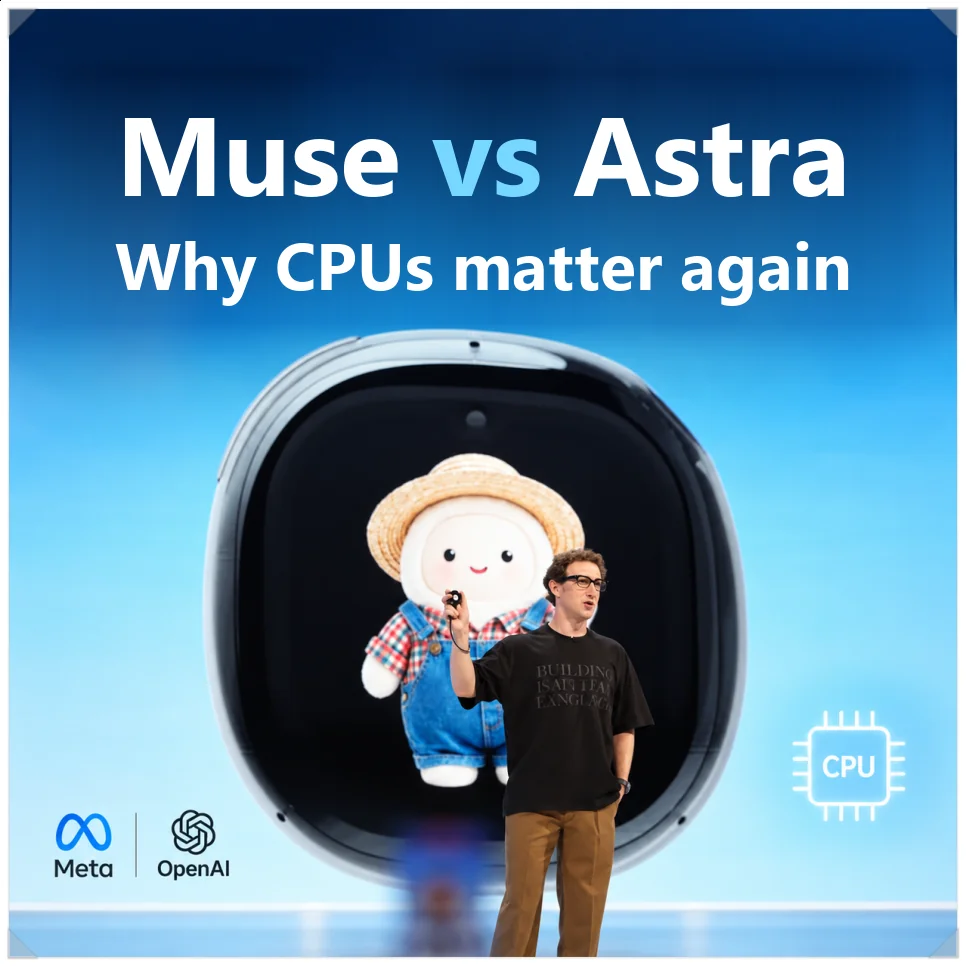
Of everything Meta showed at Connect 2026, the standout was Muse, its personal AI agent. Set next to OpenAI’s latest model, Muse vs GPT-6 Astra is a useful way to see where AI agents are heading.
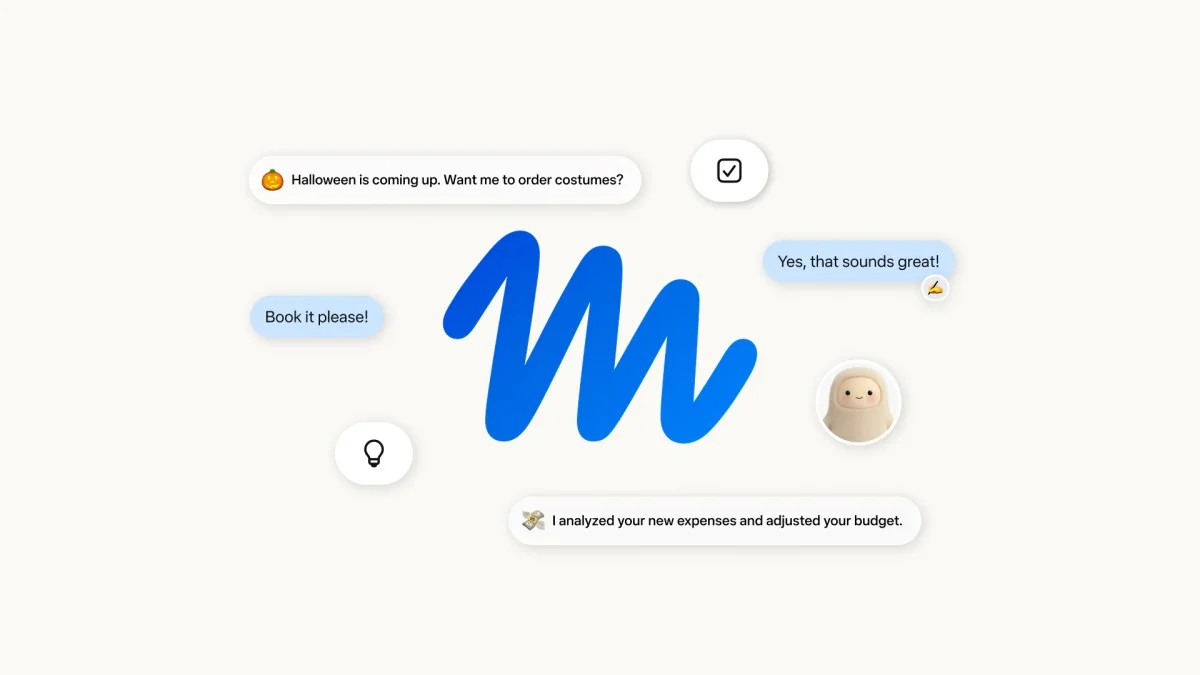
It goes beyond a chatbot that answers questions: it opens websites, compares products, and sorts out your calendar and email, doing the actual work for you.

What makes Muse distinctive is that it keeps working on a per-user virtual computer in the cloud. OpenAI’s GPT-6 Astra, released this September, is also an action-oriented model that looks at the screen and operates a computer directly.
Both are “AI that clicks,” but they differ in where the computer lives and what it’s used for. That difference also explains why CPUs are getting attention again in the age of agents.
Meta Muse is built to act, not just answer
Conversational AI has been good at finding and summarizing information when you ask. But the last step, like booking the restaurant it recommended or paying after a product comparison, has mostly been left to you.
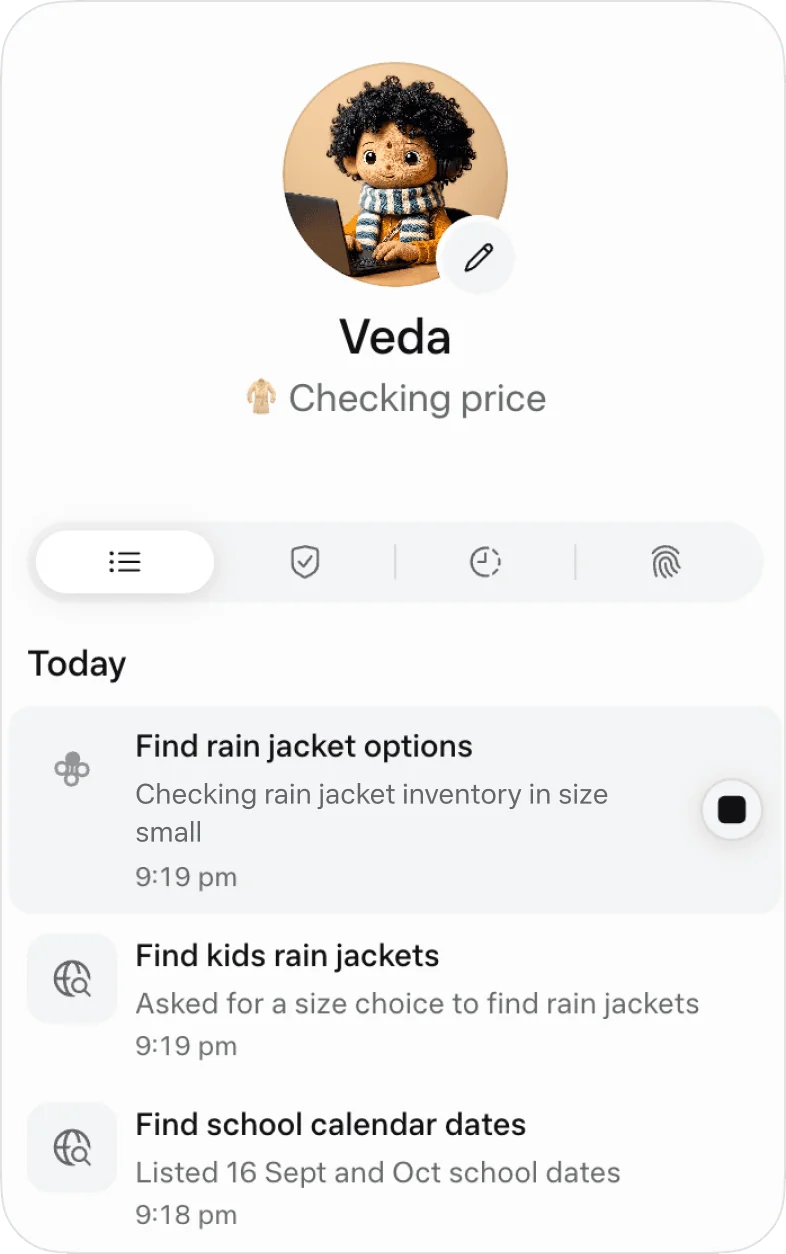
Meta Muse aims to cut that work. Ask for a travel plan, for example, and it checks your calendar and email, compares hotels and flights, and then works through the steps in order.

The key point is that it doesn’t stop at a good answer; it keeps going across multiple tasks on the real web. Once you set the goal, it splits the job into steps and handles each one until it reaches a result.
A virtual computer for every user
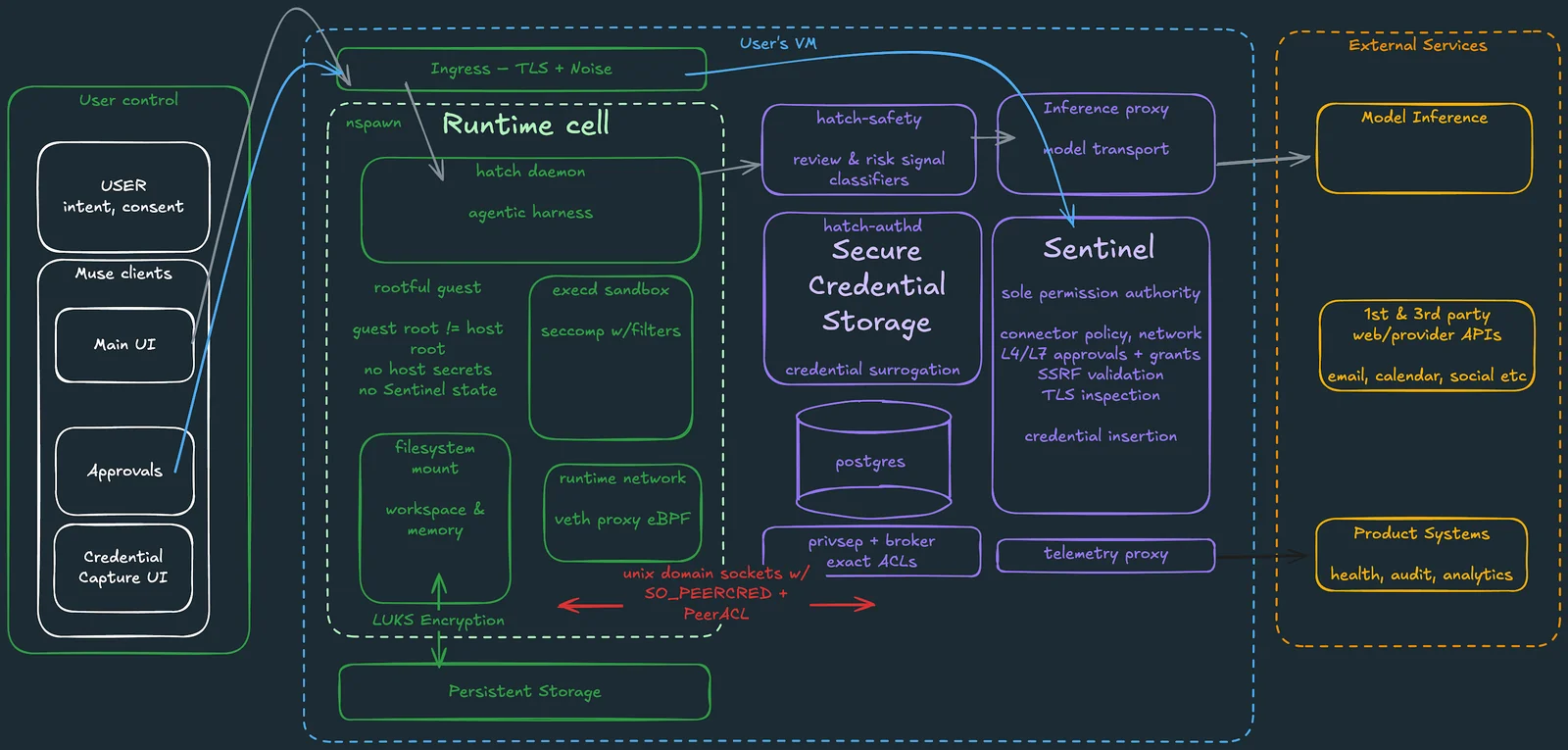
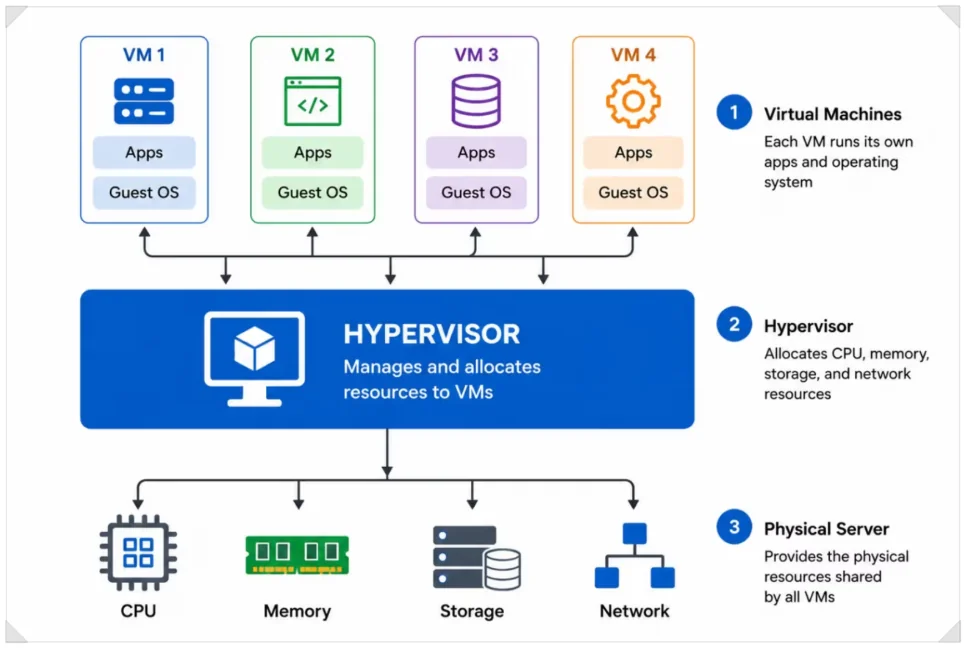
What lets Muse carry on like this is Muse Secure VM. Meta sets up an isolated, Linux-based virtual environment for each user in the cloud, with its own browser and computing resources, per Meta’s security write-up.
That’s a bit different from a phone app or PC program doing all the work itself. Even after you close the app, the virtual computer in the cloud can keep running.
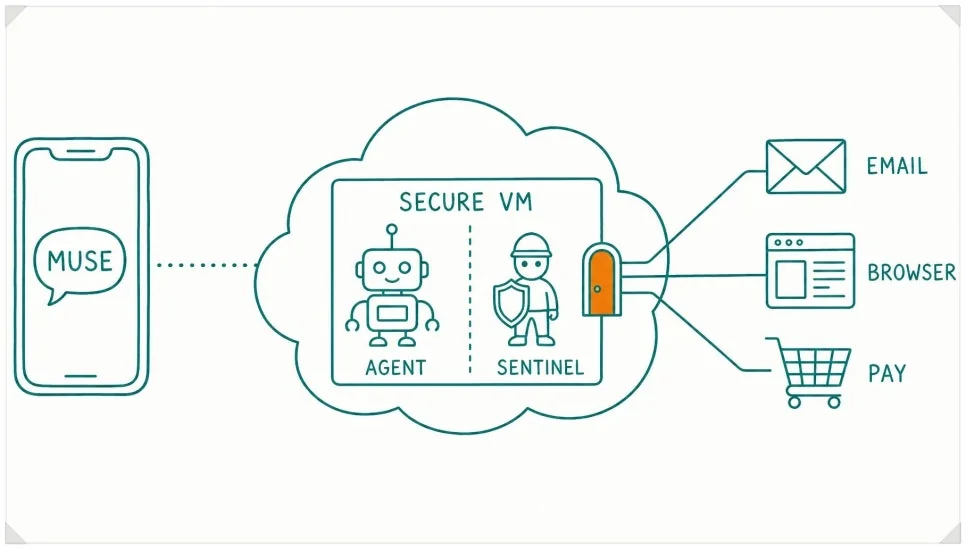
Comparing prices, checking web pages and filling in forms all continue inside that environment. It’s less like installing an AI app on your phone and more like handing an internet-connected computer of your own to an AI.
Muse vs GPT-6 Astra: how they differ
GPT-6 Astra and Meta Muse both put weight on understanding a computer screen and using a mouse and keyboard. Where they differ is where the computer runs and which users they’re designed around.
GPT-6 Astra focuses on solving complex problems and handling work software, while Muse stretches that reach into everyday tasks like shopping, booking and managing your schedule.
| GPT-6 Astra | Meta Muse | |
|---|---|---|
| Core role | Complex reasoning and professional work | Personal agent that handles everyday tasks |
| Where it runs | API and connected execution environments | Per-user cloud virtual machine |
| Main uses | Development, analysis, security, professional research | Shopping, booking, calendar, email |
| How it works | High-end reasoning on each request | Keeps working across multiple services |
| Revenue model | API and enterprise subscriptions | Subscriptions, possibly transaction fees |
GPT-6 Astra is OpenAI’s frontier model. It leans toward work that needs high-level judgment, like software development, data analysis, security reviews and professional research, while operating browsers and desktop apps directly through ChatGPT, the API and connected execution environments.
It’s closer to a computer-use model that keeps going step by step while watching the screen than to a chatbot that answers once and stops.
Meta Muse, by contrast, ties those abilities to repetitive everyday tasks and an always-on personal cloud PC: comparing products at online stores, finding flights and hotels, and organizing email and your calendar. It’s less about which is better and more that their goals and infrastructure differ. OpenAI leads with model performance and the work environment; Meta puts more weight on personal virtual computers and connections to everyday services like shopping and booking.
Why CPUs matter again for AI agents
GPUs have drawn the most attention in AI infrastructure. Training or running large models means handling huge amounts of computation in parallel, which favors GPUs.
But as more AI agents like Muse use real computer environments, things shift a little. The model needs GPUs while it reasons, but keeping an operating system running in a VM and running a browser falls to the CPU.
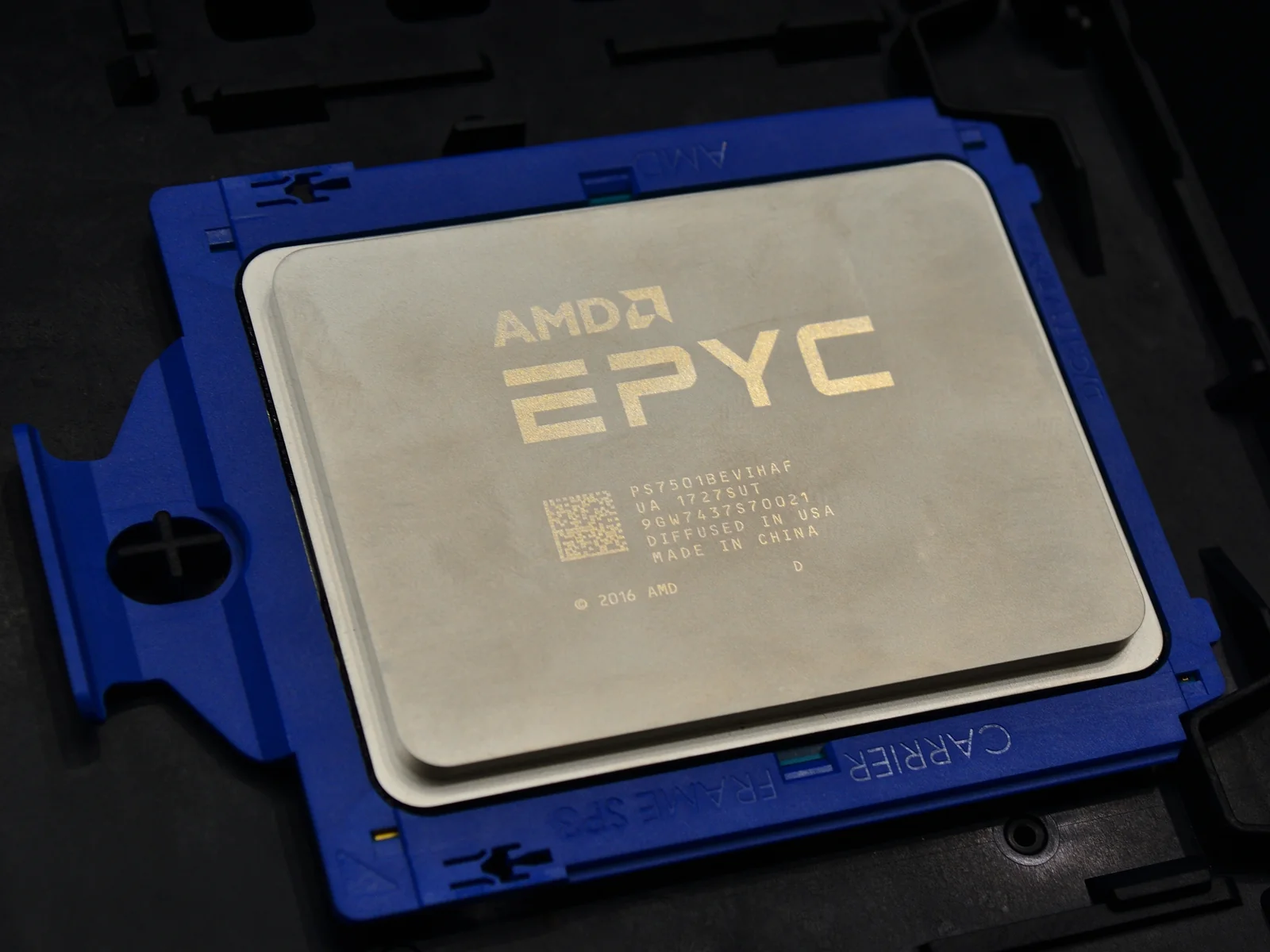
Rendering web pages, parsing the DOM (a page’s structure) and handling network requests also mostly fall to general-purpose server CPUs. If every user needs a separate virtual environment kept alive, that load grows too.
So as agentic AI spreads, the role of server CPUs is likely to grow alongside GPUs. AI data centers would then do more than run models; they’d also run huge numbers of virtual computers at once.
What works now and what’s coming
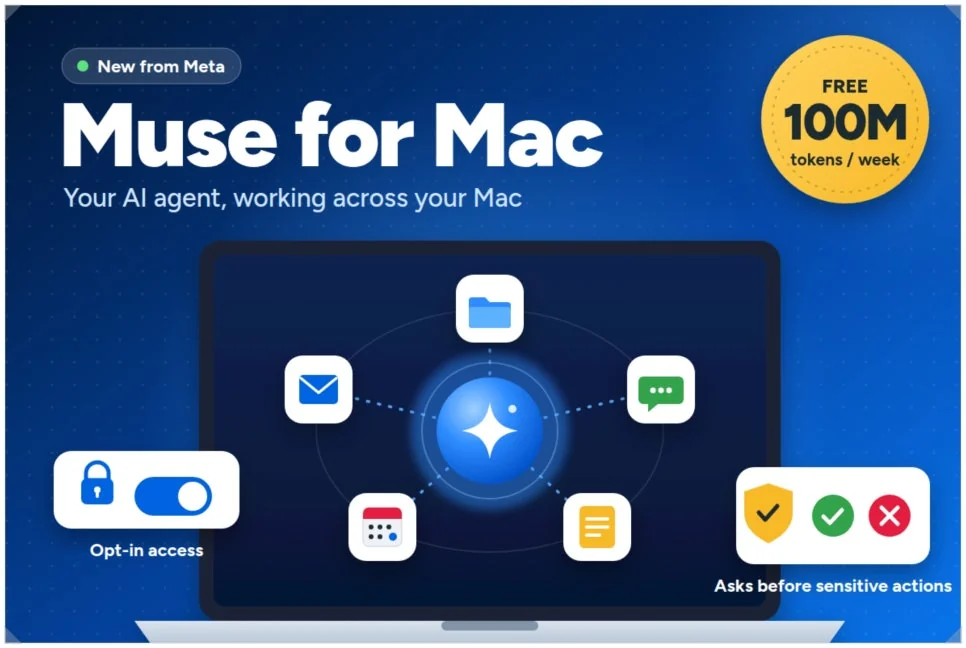
It’s worth separating what you can use today from what’s still coming among the features shown at Connect 2026. On the desktop, the Mac app offers Computer Use, which operates local programs. Once you grant permission, it can view the screen and operate programs directly through a series of steps.

In shopping, integrations are expanding with retailers like Walmart, Best Buy, Sephora and American Eagle, and payment services like Shop Pay and PayPal, according to Meta’s Connect recap. Real-time avatar calls, an email address for the agent and hands-free use through smart glasses are planned for a phased introduction. The small Muse Charm device was also shown, but its price and some details aren’t final yet.

Everything depends on outside services
For an AI to use a website directly, that platform has to allow automated access. Even when the task is technically possible, if a store or service limits access, what you can actually do shrinks. That’s the context for reports that Amazon restricted Muse transactions.
Partnership coverage matters especially for features that depend heavily on outside services, like payments and bookings. How many platforms Muse connects to can directly affect how useful it is.

That makes it hard to judge competitiveness on model performance alone. You also need to check which stores it connects to, which payment methods it supports and how quickly service expands by region.
How Meta plans to make money
Muse’s revenue model also differs a bit from other AI services. It offers paid subscriptions, but in the long run transaction fees from purchases and hotel bookings could become an important source of revenue.
If people find products through AI and pay right there, Meta takes part directly in the transaction. That’s a different model from its ad business.
For that to work, the user base has to grow, and outside stores and payment providers have to sign on. Offering generous free usage early on, so people get used to working with an agent, fits that direction. Meta says Muse is free for most needs, with subscriptions for heavier use.

Can you trust it with your data and payments?
For a service that accesses your calendar and email and pays on your behalf, security has to be checked as carefully as performance. Meta put a separate monitoring layer, Sentinel, inside Muse Secure VM to control the model’s system access and outbound traffic. Passwords aren’t read by the AI directly; they’re managed in a separate credential store, per Meta.
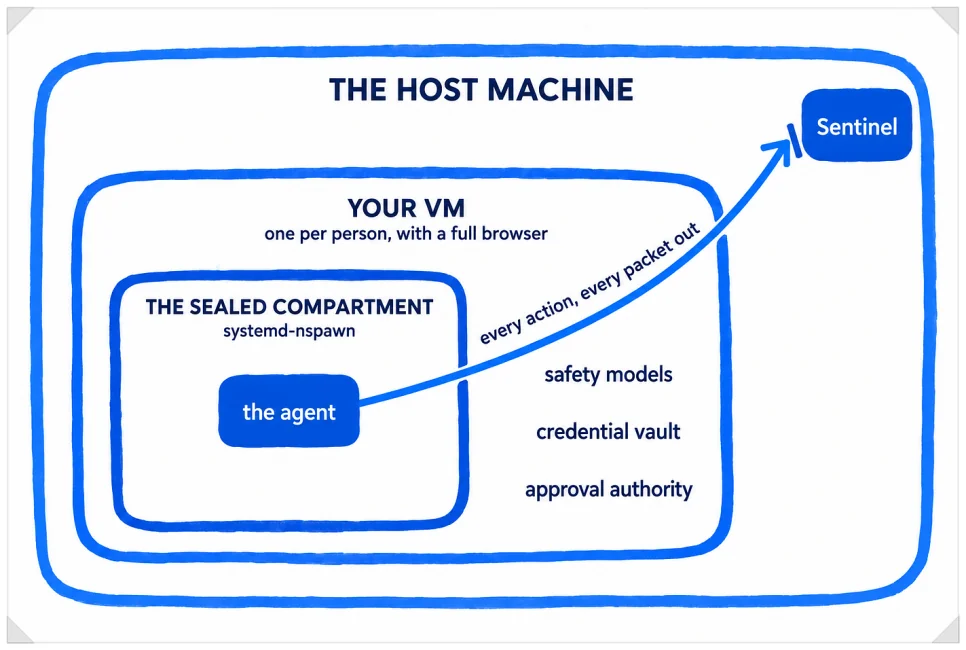
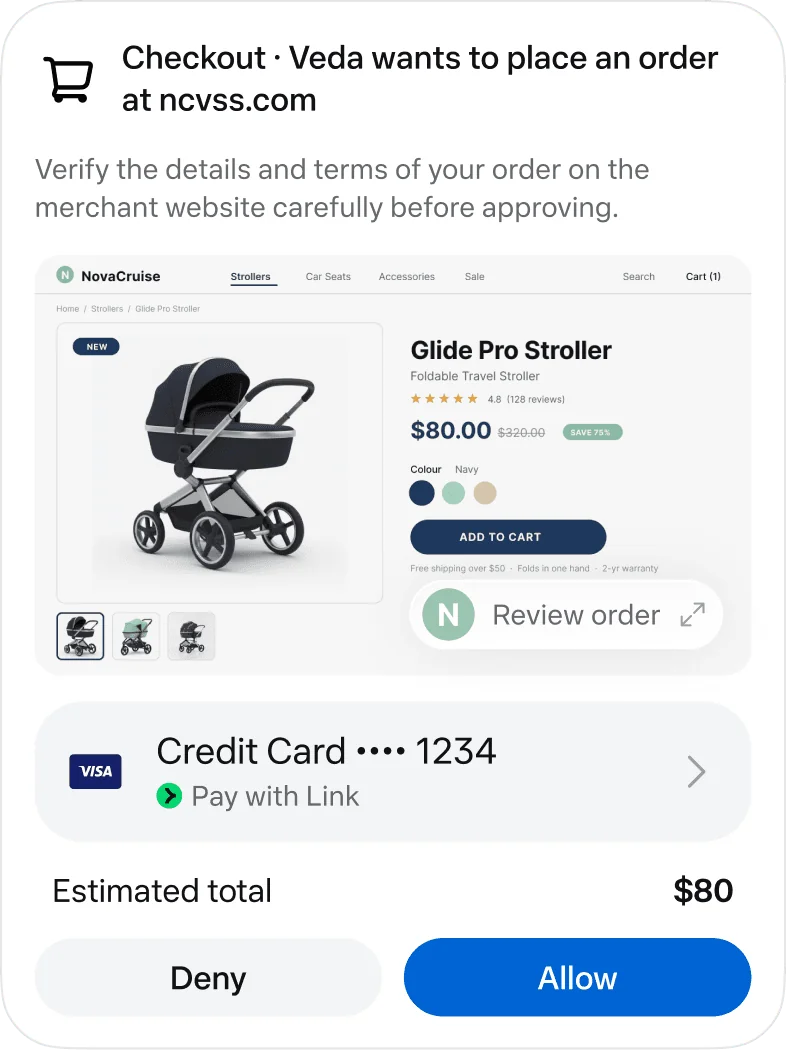
Payments use tokenized details rather than handing card numbers to the model. Actions that are hard to undo, like financial payments or sending email, require your approval at the final step.
For agent services, how safely they handle permissions matters as much as how well they do the job. If people won’t hand over their email, calendar and payment details, the range of uses stays limited.
Where Muse is available
Muse currently serves the US and Canada, with wider global expansion planned. Muse Charm’s price and release date haven’t been announced yet; Meta says it will share more later this year.

Bottom line: the bar for AI competition is shifting
Meta Muse shows AI moving from writing answers to actually doing the work. Where GPT-6 Astra expands computer use around model performance and the workplace, Muse focuses more on personal virtual computers and connections to everyday services like shopping and booking.
From here, how companies run virtual computers and build their CPU and security infrastructure is also likely to become important alongside model performance. In the Muse vs GPT-6 Astra comparison, the next question is how well Muse settles in as a service people use in daily life.
Related reading
- Gemini 4 Argon vs. GPT-6 Astra and Claude Opus 5.5: Benchmarks and API Pricing Compared
- Why TSMC Teamed Up With GlobalFoundries: Silicon Interposers and CoWoS Explained