Gemini 4 Argon vs. GPT-6 Astra and Claude Opus 5.5: Benchmarks and API Pricing Compared
Key takeaways
- Gemini 4 Argon API costs $2/$10 per million tokens through Nov. 30, then $4/$20.
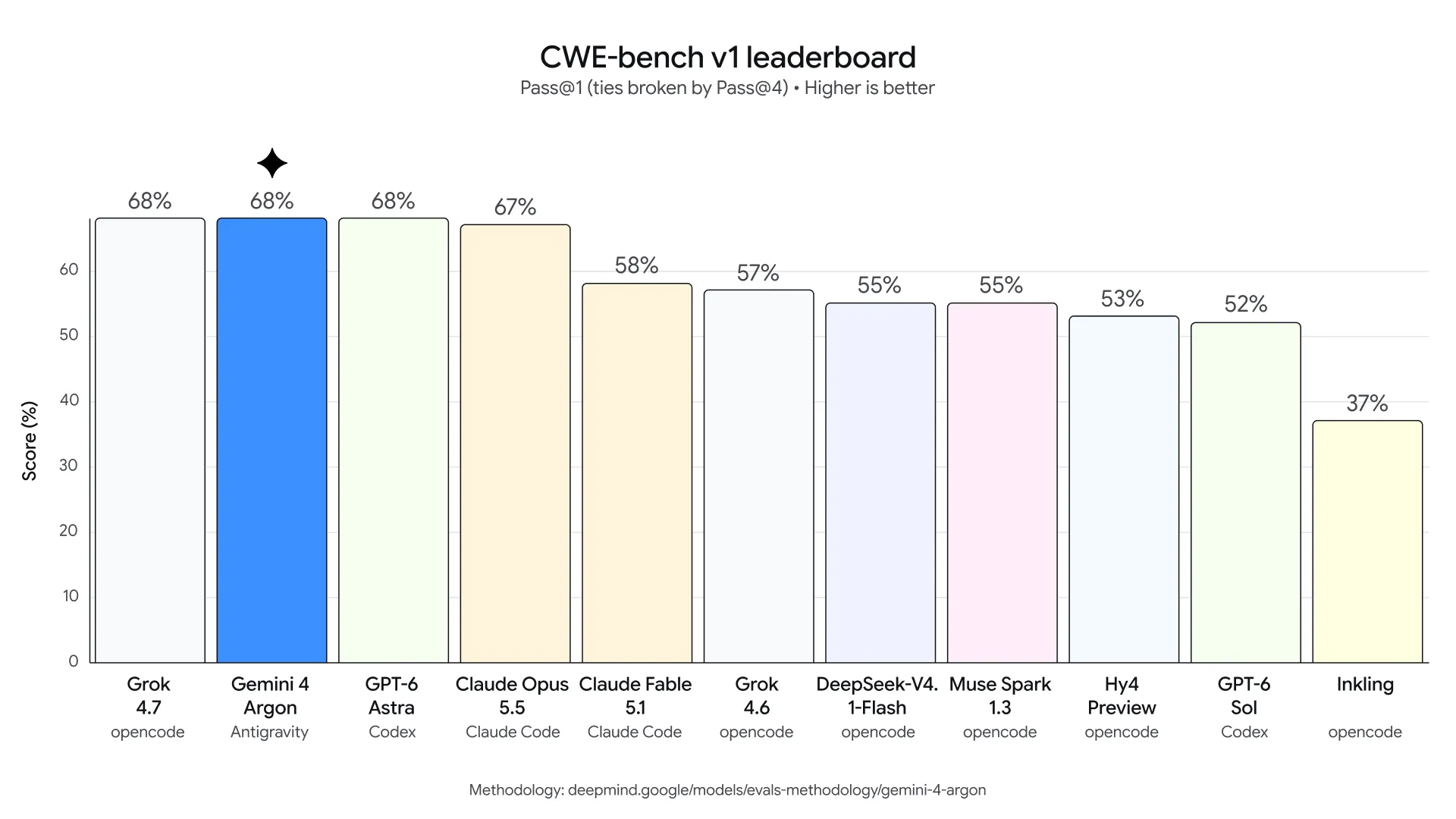
- It beats GPT-6 Astra and Claude Opus 5.5 on Vals Index, DeepSWE and Harvey’s legal benchmark but trails them on FrontierSWE v2 and Terminal-Bench 4.0.
- Best fit: long documents and multi-file code changes; Claude Opus 5.5 still leads terminal-heavy work.
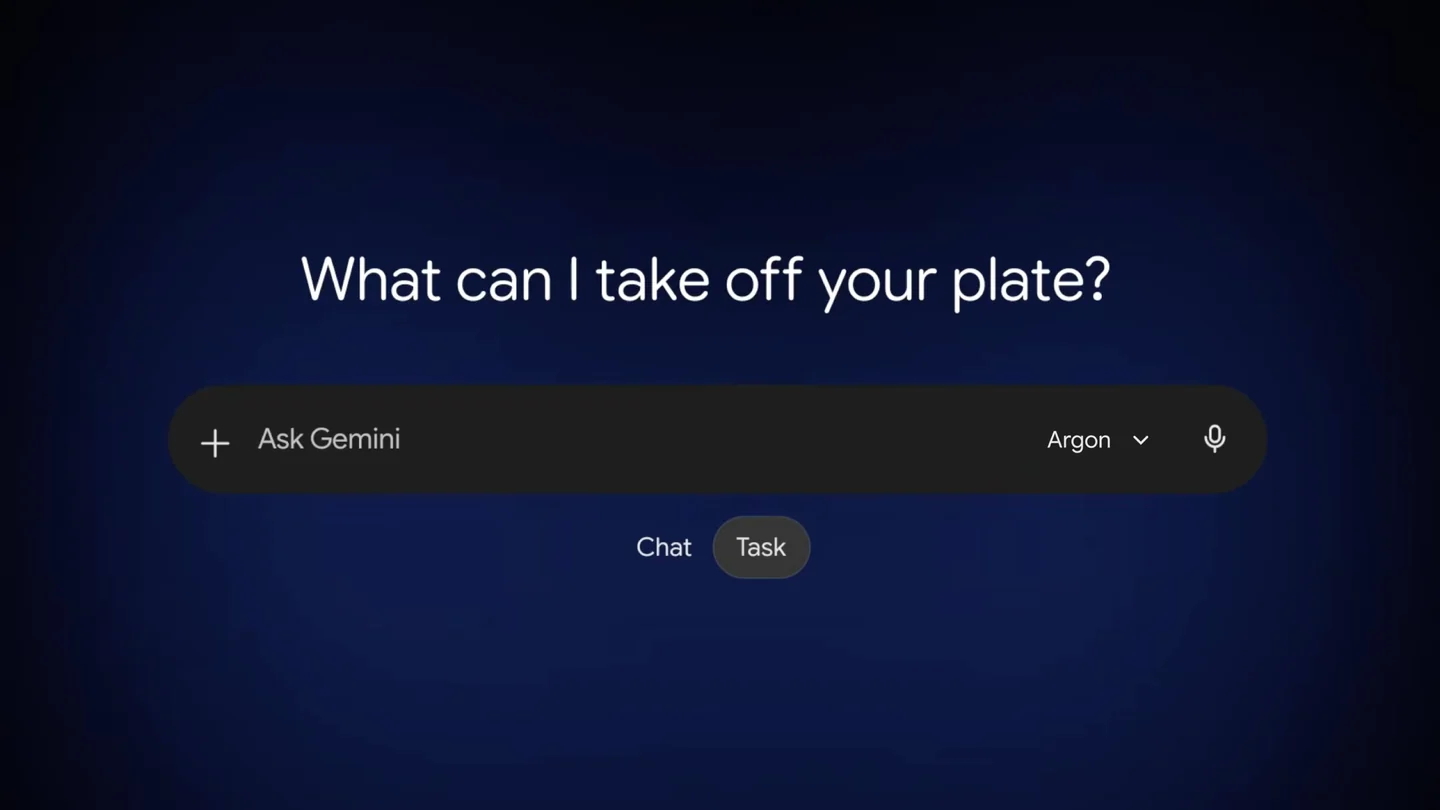
Google has officially launched Gemini 4 Argon, its new AI model. Today’s AI models go well beyond answering simple questions: they can handle complex jobs like coding and document analysis. Argon is built to carry out that kind of work more on its own, and it supports up to 1 million tokens.
The benchmark results and API pricing released alongside it are just as interesting. Against GPT-6 Astra and Claude Opus 5.5, it leads some benchmarks and trails on others.

How cheap is the Gemini 4 Argon API?
Google is charging half price for the API through Nov. 30, 2026: $2 per million input tokens and $10 per million output tokens. That’s easy on the budget compared with the regular rate.
Argon also supports caching, which reuses repeated content instead of processing it again. It can kick in automatically for inputs of 4,096 tokens or more, and when the cache hits, that input costs 95% less. That’s handy when you analyze the same long document or codebase several times.
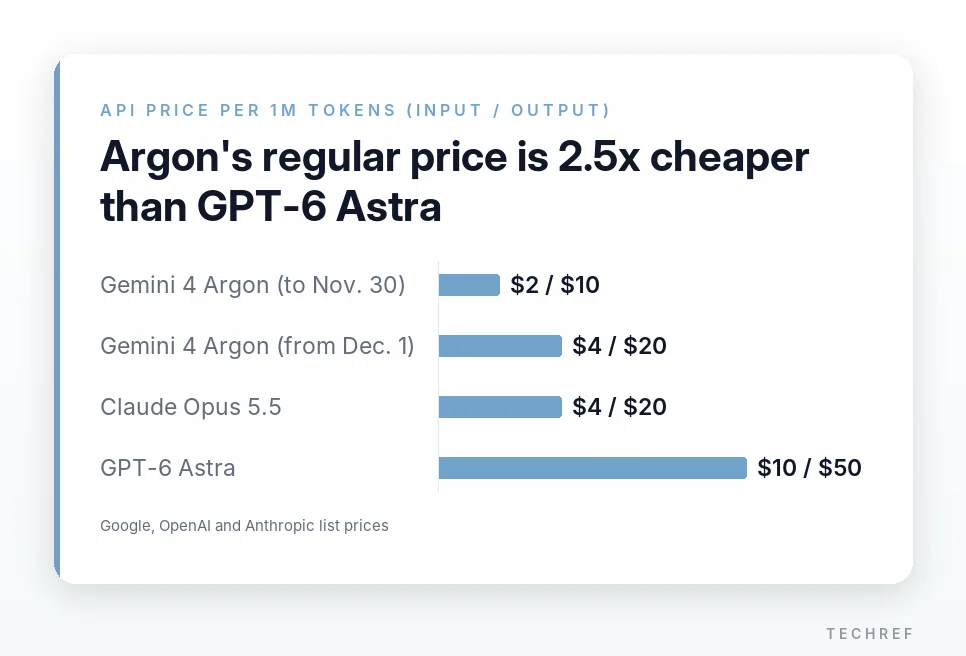
Starting Dec. 1, the price rises to $4 for input, $20 for output and $0.20 for cache reads, according to Google’s Gemini API pricing page.
| Model | Input ($/1M tokens) | Output ($/1M tokens) | Cache reads ($/1M tokens) |
|---|---|---|---|
| Gemini 4 Argon (through Nov. 30) | $2.00 | $10.00 | $0.10 |
| Gemini 4 Argon (from Dec. 1) | $4.00 | $20.00 | $0.20 |
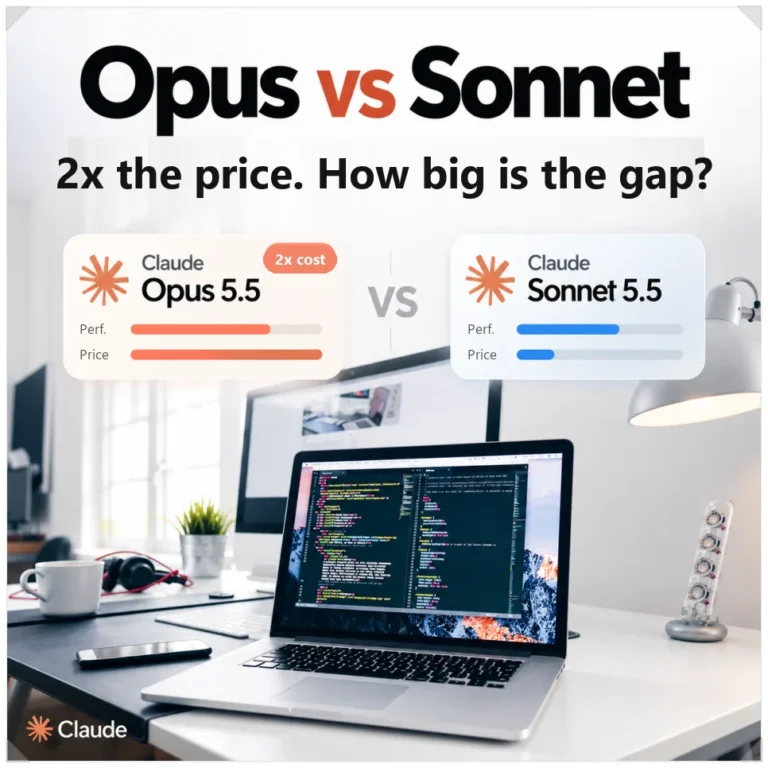
| Claude Opus 5.5 | $4.00 | $20.00 | $0.20 |
| Meta Muse Wonder (API) | $4.00 | $20.00 | $0.20 |
| GPT-6 Astra | $10.00 | $50.00 | $1.00 |
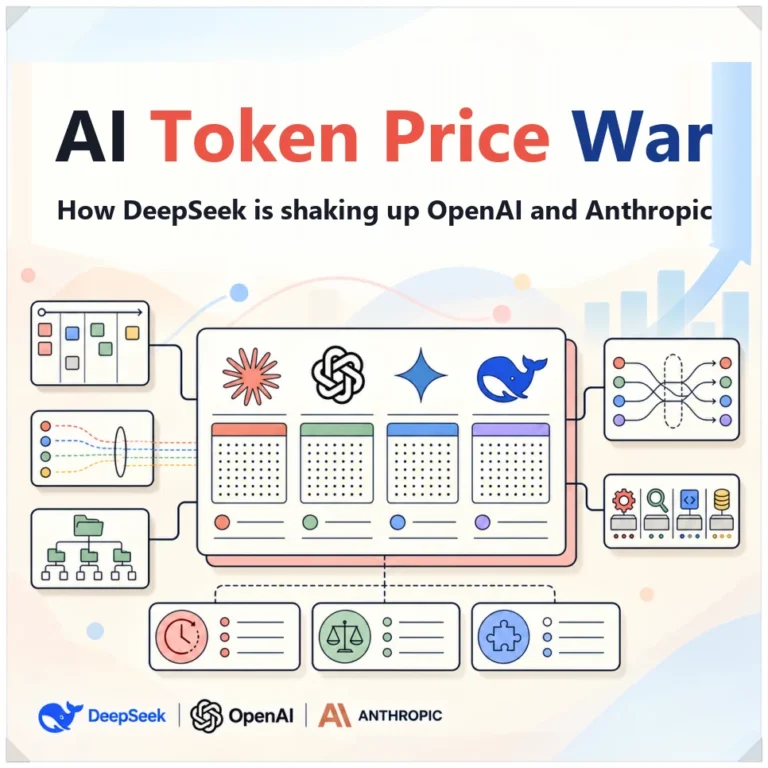
Even at the regular rate, Argon sits in the same price range as Claude Opus 5.5 and the Meta Muse Wonder API. Compared with GPT-6 Astra, it’s 2.5 times cheaper for both input and output.
The gap can widen on large jobs. OpenAI charges more once a GPT-6 Astra prompt goes over 272,000 input tokens: 2x the input rate and 1.5x the output rate for the whole request. Argon keeps its base rate across its 1-million-token range. If you work with large codebases or long documents, Argon has the cost edge.
Gemini 4 Argon vs. GPT and Claude: benchmark results
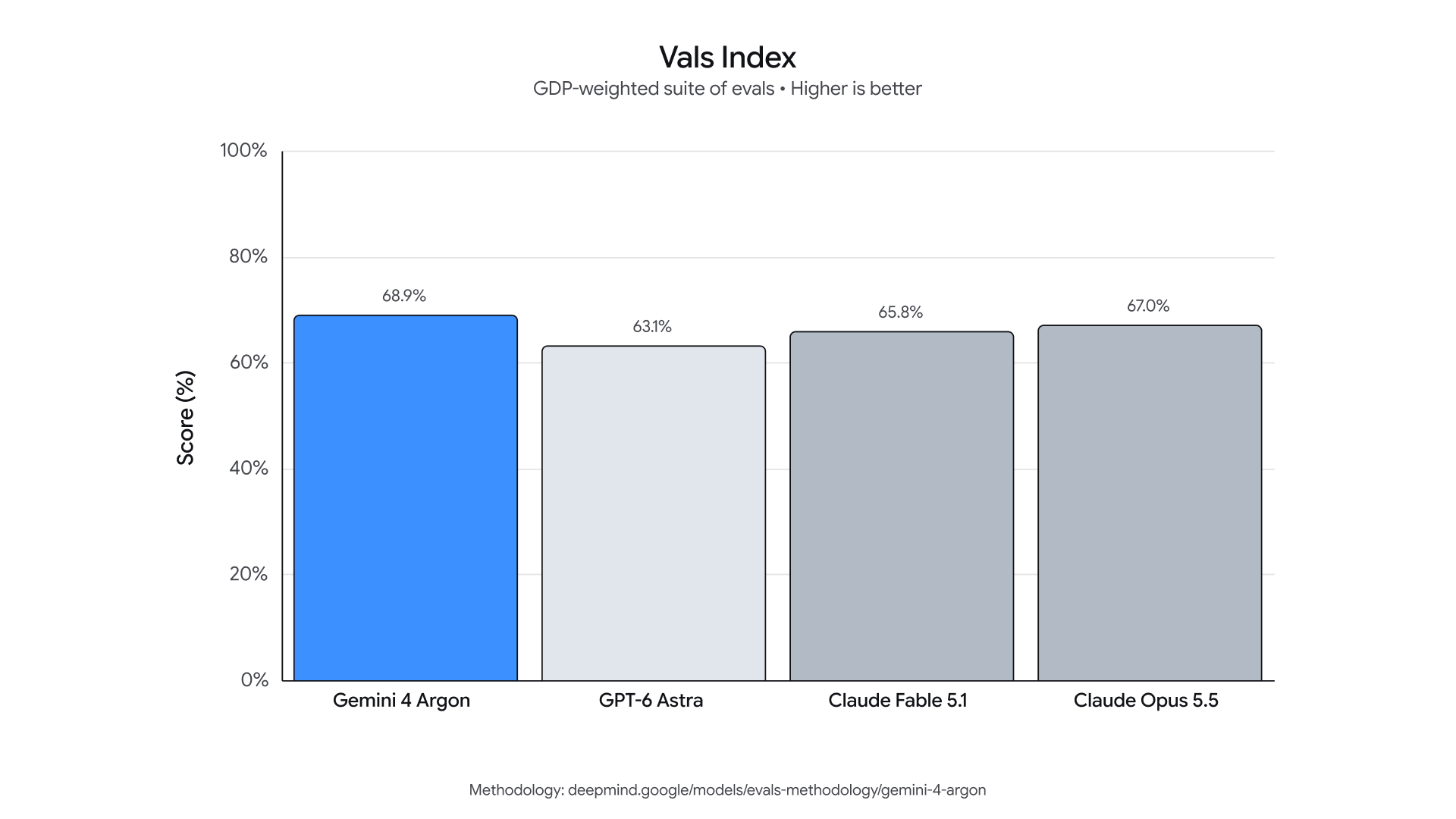
In the benchmark results Google published, Argon scored well in coding and professional work. On the Vals Index, which measures professional skills across finance, law, tax and coding, Argon ranked first with 68.9%. That beats Claude Opus 5.5 at 67.0% and GPT-6 Astra at 63.1%.
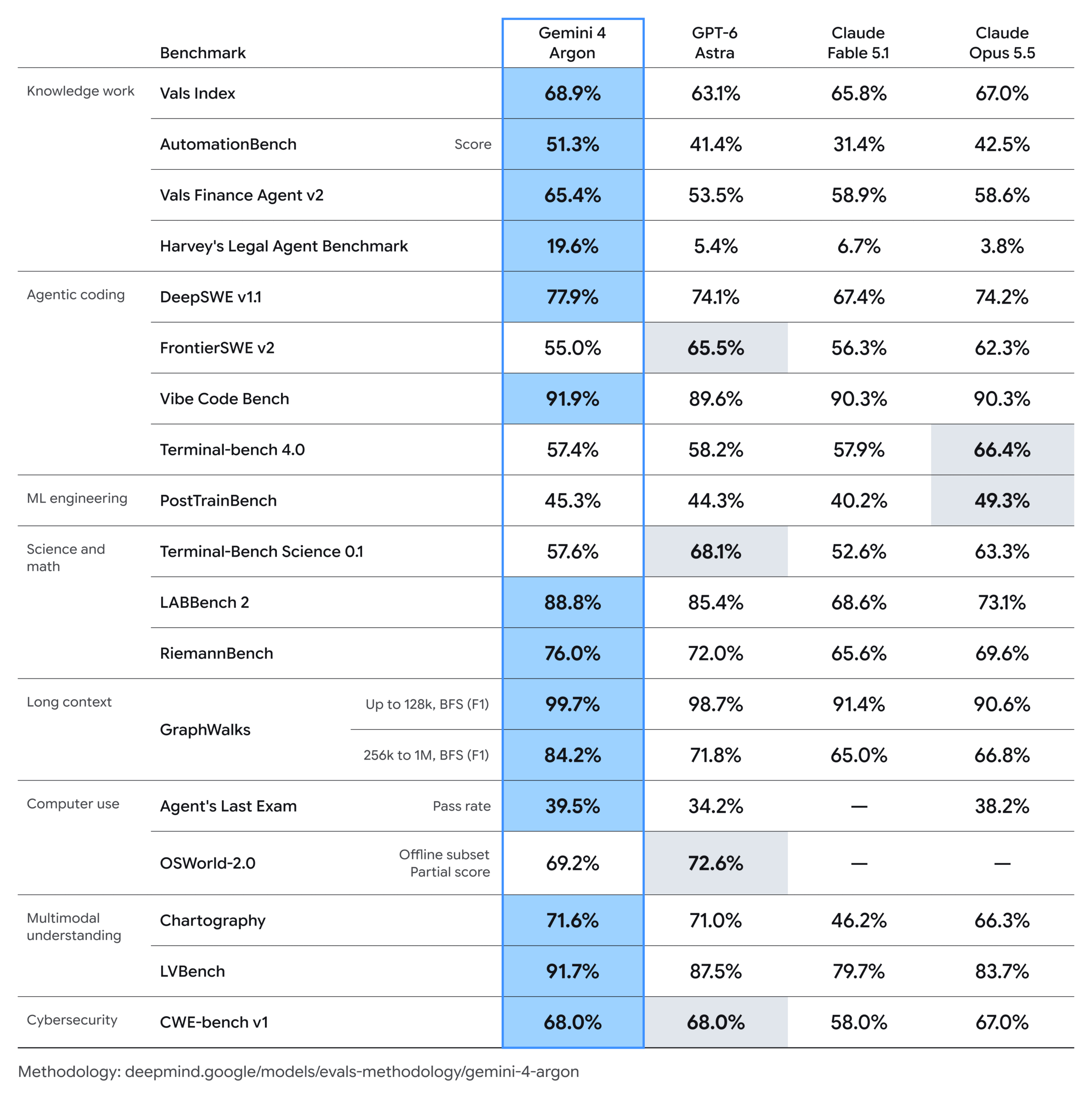
The rankings shift in the detailed tests, though.
| Benchmark | Gemini 4 Argon | Claude Opus 5.5 | GPT-6 Astra | Muse Wonder Full |
|---|---|---|---|---|
| Vals Index | 68.9% | 67.0% | 63.1% | Not disclosed |
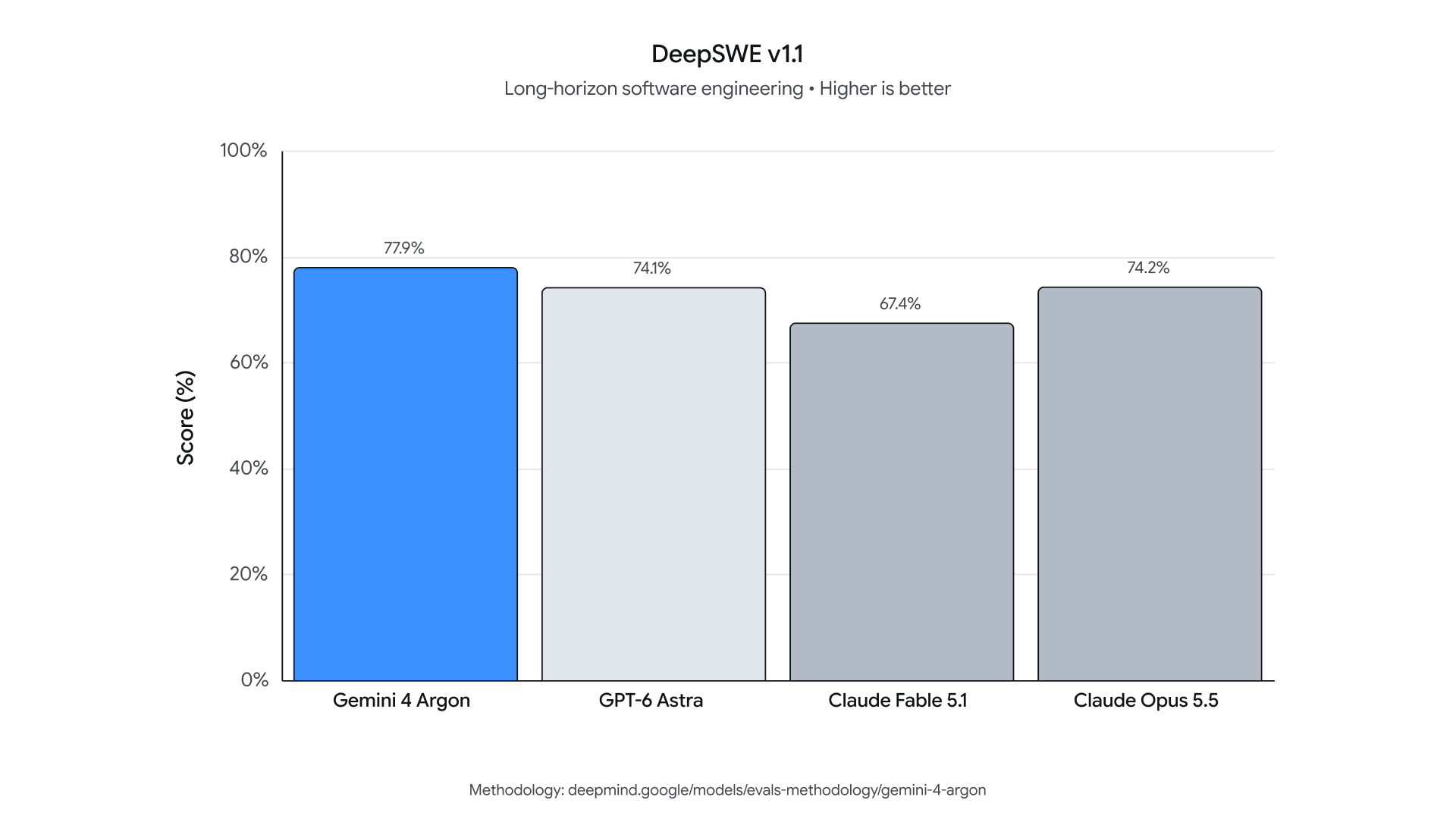
| DeepSWE v1.1 | 77.9% | 74.2% | 74.1% | 79.0% |
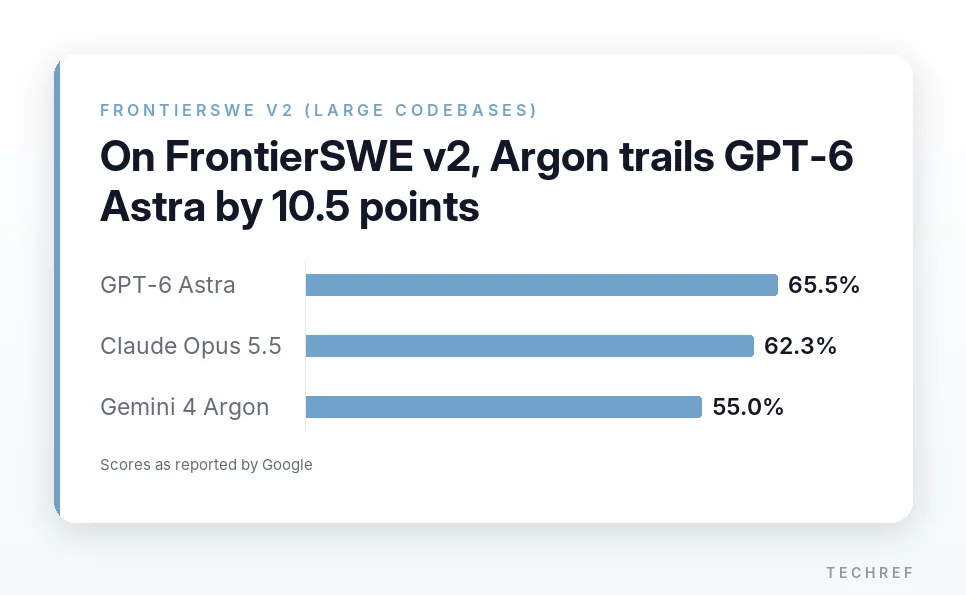
| FrontierSWE v2 | 55.0% | 62.3% | 65.5% | Not disclosed |
| Terminal-Bench 4.0 | 57.4% | 66.4% | 58.2% | 57.1% |
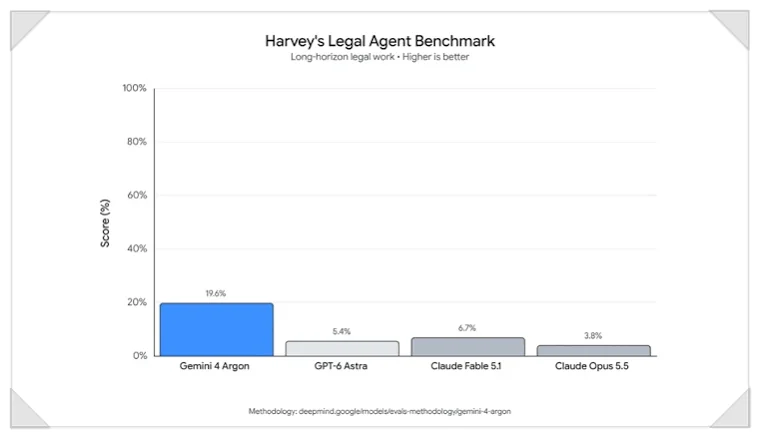
| Harvey Legal Agent | 19.6% | 3.8% | 5.4% | 13.1% |
| AA Intelligence Index | 52.6 | 57.6 | 52.7 | 56.0 |
On DeepSWE v1.1, which tests how well a model solves software problems on its own, Argon scored 77.9%. That’s higher than Opus 5.5 at 74.2% and Astra at 74.1%. You can expect solid performance on real tasks like editing code and fixing bugs.
On FrontierSWE v2, which deals with large codebases, Argon managed only 55.0%. That’s 10.5 points below Astra’s 65.5%. On Terminal-Bench 4.0, which measures how well a model handles terminal commands, Opus 5.5 led with 66.4%. Not every coding task plays to the same model’s strengths.
On Harvey’s Legal Agent Benchmark, which evaluates legal work, Argon posted the top score at 19.6%. Still, a success rate under 20% matters. For work where accuracy is critical, such as reviewing contracts or drafting legal documents, a human still needs to check the output.
Did it actually help with development work?
Beyond benchmarks, Google also shared how it uses Argon internally. The headline example is the Chromium project. Argon helped separate a legacy browser code folder of about 6 million lines from Chromium’s roughly 40-million-line codebase. The job meant changing hundreds of files, but work expected to take months was done in weeks.

Google’s developer tool, Google Antigravity, saw changes too. Code changes submitted by AI agents rose by more than 35%, and the rate of rollbacks (reverting changes to an earlier state) fell by about a third.
More code got written, and fewer changes had to be undone. But these are Google’s internal measurements, so other development teams may not see the same effect.
How to use Gemini 4 Argon
Consumers can use Argon in the Gemini app and in AI Mode in Google Search through a Google AI Pro or Ultra subscription.
For developers, Google Antigravity offers Argon to AI Ultra subscribers, and business customers can use it through Gemini Enterprise. The API requires a separate paid plan, so don’t confuse it with a regular AI Pro subscription. Google’s pricing page notes that Argon isn’t available on the API’s free tier or on the Google AI Pro plan.
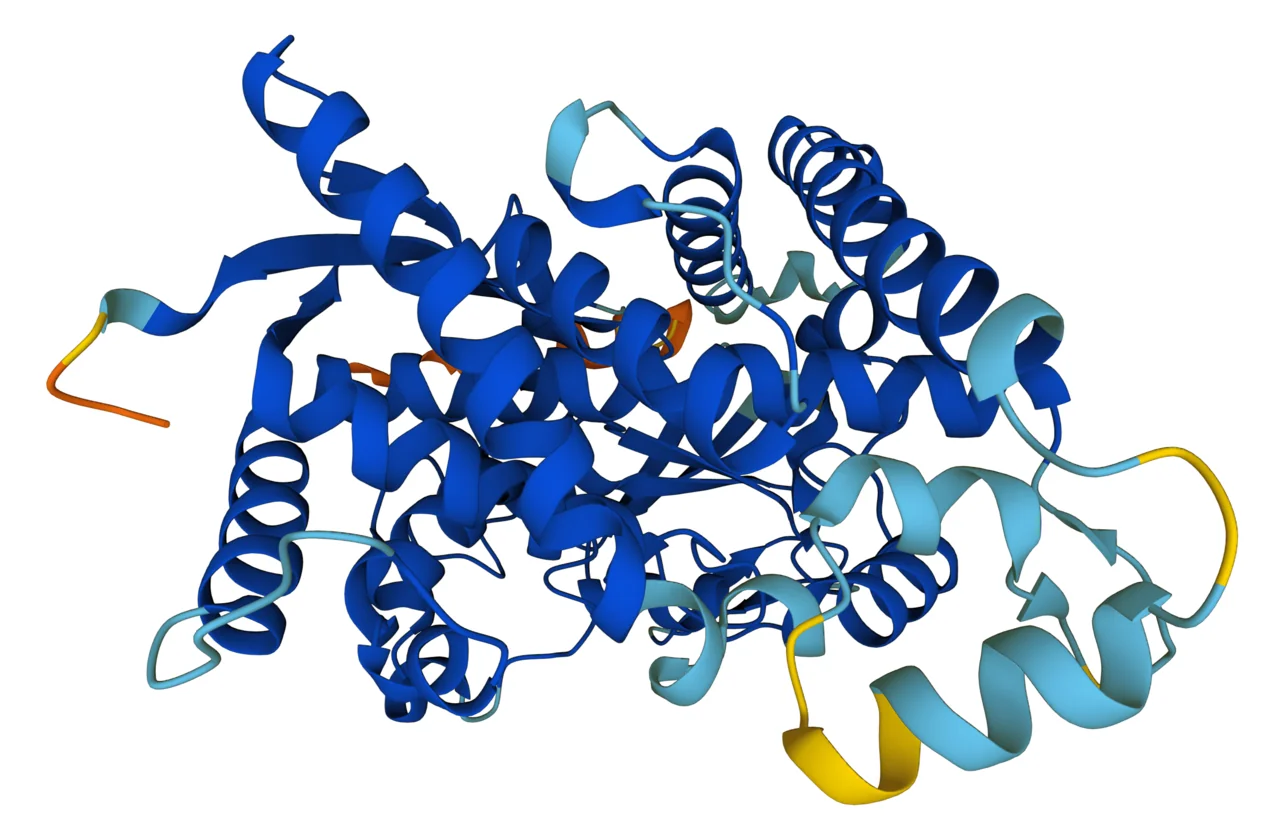
There’s support for researchers as well. Google plans to give 10,000 selected scientists the highest usage tier of Antigravity free for six months. It looks useful for research that needs heavy computation, such as quantum computing or enzyme design.
What should you use it for?
If you’re a developer, the half-price promotion through Nov. 30 is a good chance to test whether Argon fits your work. It could help analyze large sets of internal documents or clean up legacy code spread across hundreds of files.

That said, supporting up to 1 million tokens doesn’t mean it understands everything accurately. Check whether important details were missed or misread.
You also don’t have to hand every job to one model. One approach is to use Claude Opus 5.5 for terminal control and chaining multiple developer tools, and Gemini 4 Argon for large-document analysis and code changes across many files.
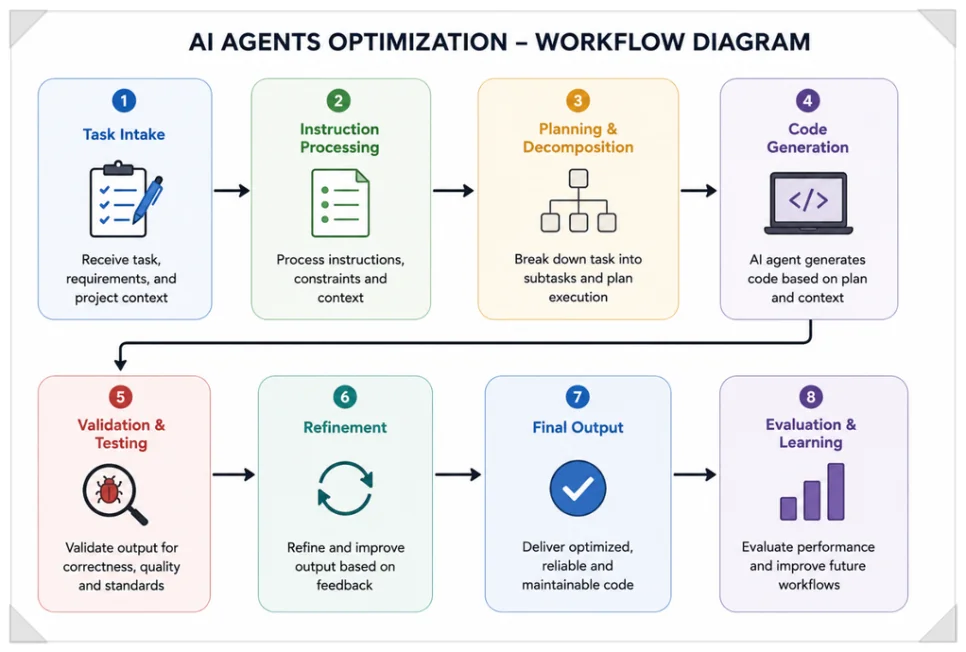
When you let AI work on its own for long stretches, set up testing and verification steps too. That cuts down on repeated errors and on tokens wasted on unnecessary work.
Bottom line: pick by purpose, not just performance
The half-price promotion makes this the cheapest time to try Argon on your own codebase, before the price doubles in December. But it doesn’t beat GPT-6 Astra or Claude Opus 5.5 at everything. Each model is good at different jobs, so compare purpose and cost together rather than just looking at performance rankings.