Atlas Robot Hand: Why Boston Dynamics Chose Four Fingers Over Five
Key takeaways
- Boston Dynamics’ new Atlas hand has four fingers and 13 degrees of freedom, up from 7.
- It skips the pinky: three more actuators weren’t worth the added size, power, cost and failure risk.
- Hyundai plans Atlas parts sequencing at its Georgia plant from 2028 and component assembly by 2030.
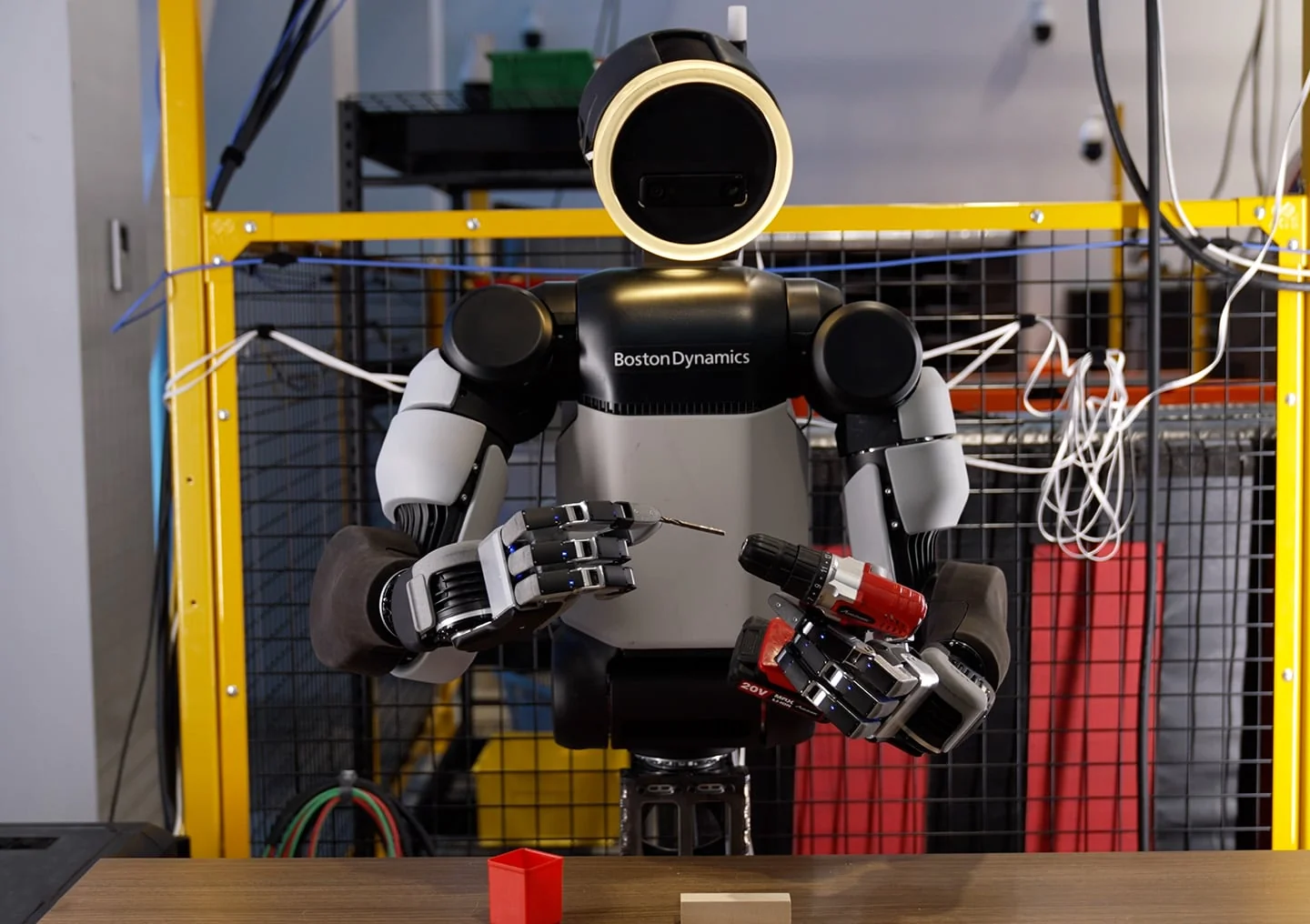
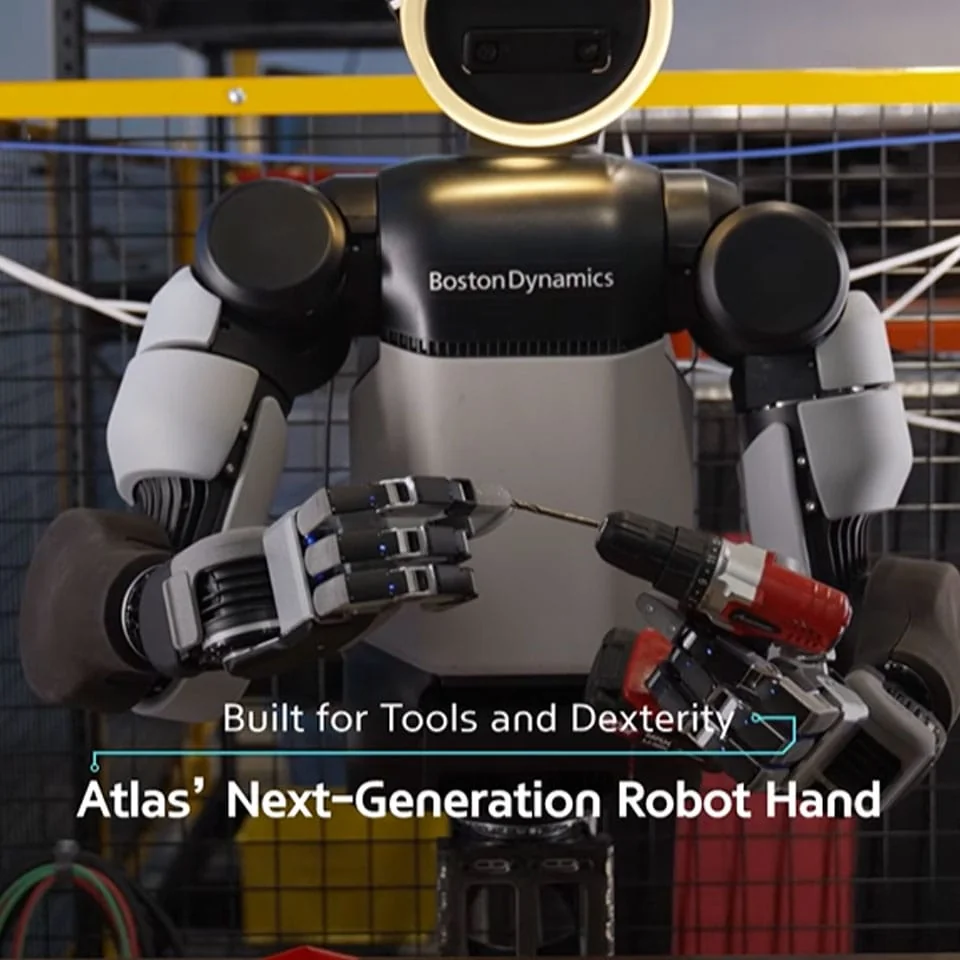
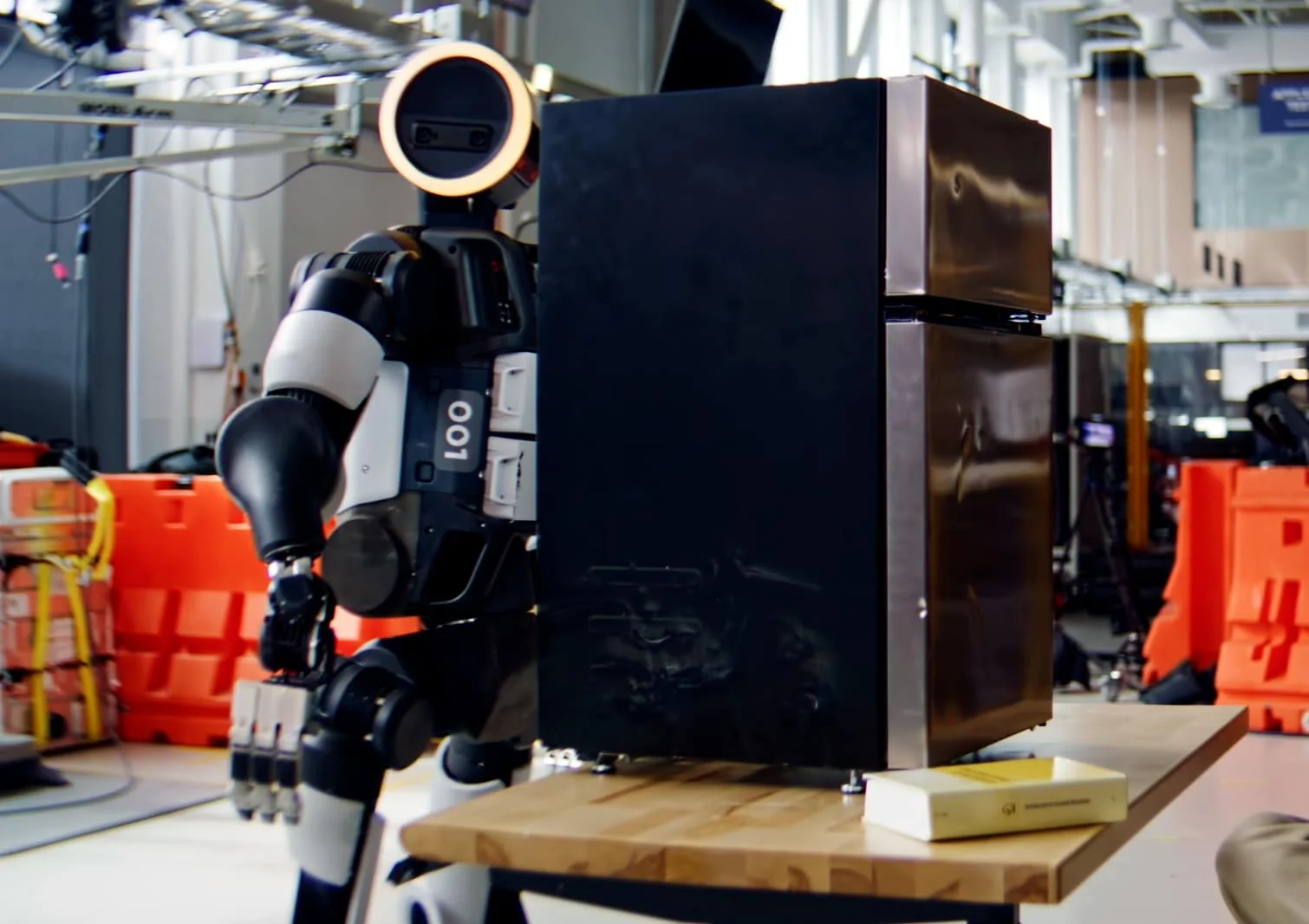
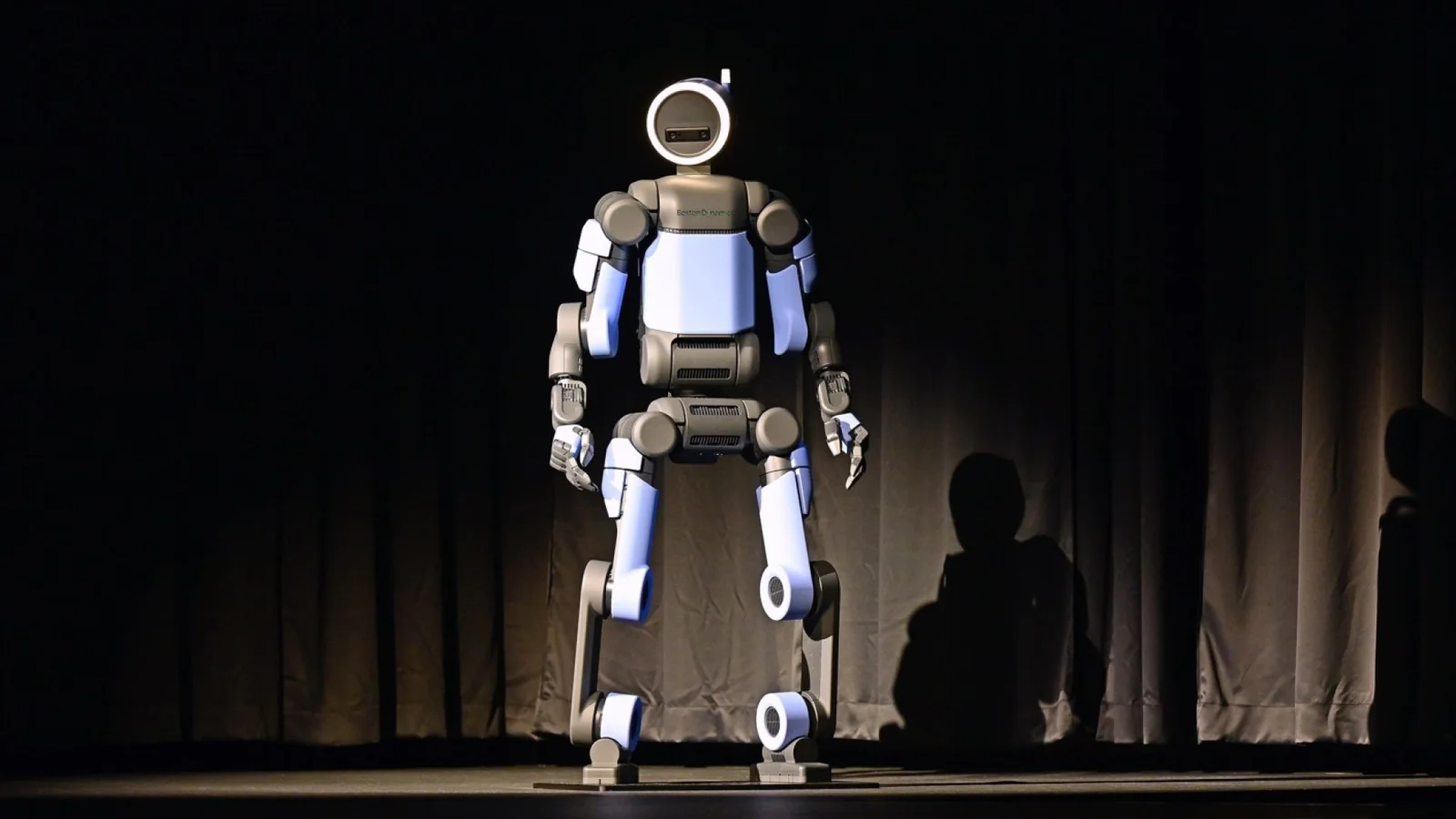
Boston Dynamics, the Hyundai Motor Group robotics company, has unveiled a new Atlas robot hand for the next-generation electric Atlas. In the reveal video, Atlas picks up a small drill bit, slots it into a power drill, grips the handle, pulls the trigger and bores a hole in a piece of wood.
It also spins a small nut with its fingertips and rolls a drumstick and golf balls around in its palm. The humanoid race is clearly widening, from walking and running to how precisely a robot can handle the tools and parts people use.
From 7 to 13 degrees of freedom
The new hand is built to do more than hold things steady. It is designed to shift and turn objects while holding them.
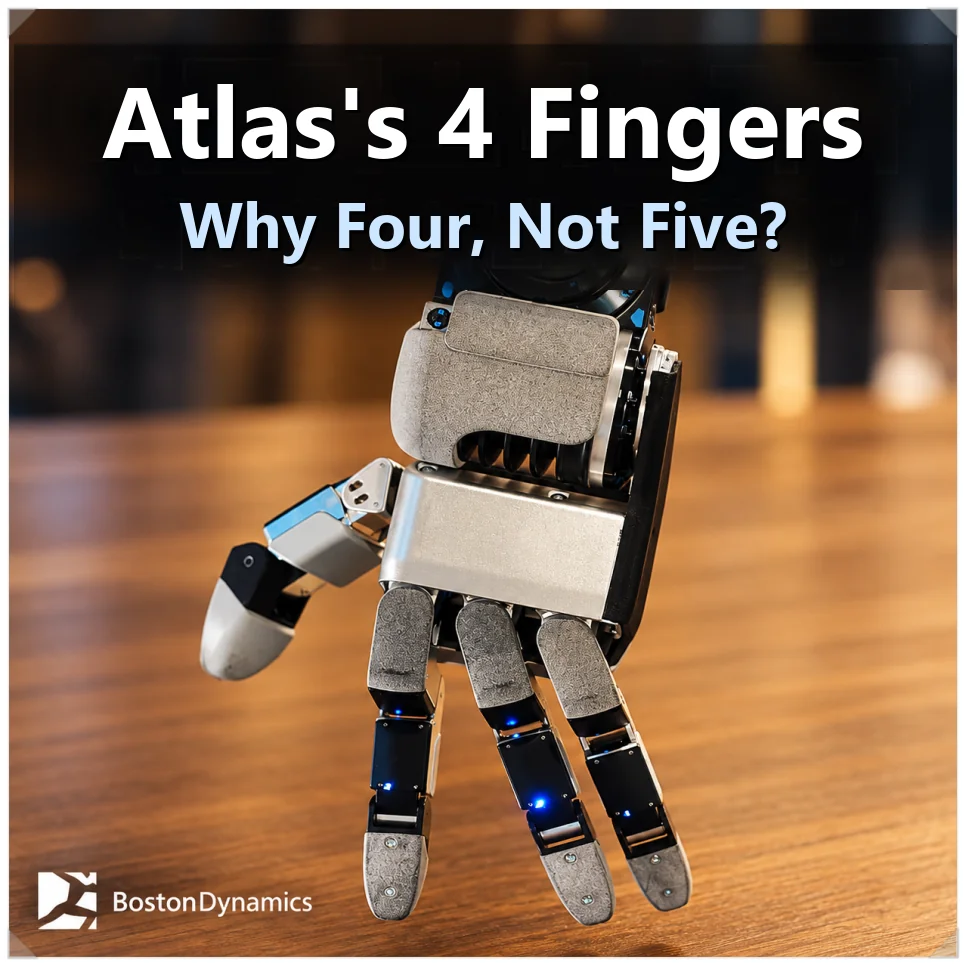
The previous generation, GR2, used a 7-degree-of-freedom (DoF) design focused on firmly grasping objects of many shapes. Degrees of freedom are the independent ways a joint can move. The new GR3 has four fingers and 13 DoF in total: four in the thumb-like finger and three in each of the other three.
| GR2 (previous) | GR3 (next-gen) | Tesla Optimus | |
|---|---|---|---|
| Fingers | 3 | 4 | 5 |
| Degrees of freedom | 7 | 13 | Based on 11 |
| Core design | Grasping objects | In-hand manipulation, tool use | Mimicking the human hand |
| Actuation | Multi-axis actuators | Direct drive at each joint | Forearm motors with tendons |
| Sensing | Based on actuator data | Tactile sensors, proprioception | Fingertip tactile sensors, etc. |
| Main focus | Moving items, simple grasps | Industrial tools, precise handling | General tasks, human-like motion |
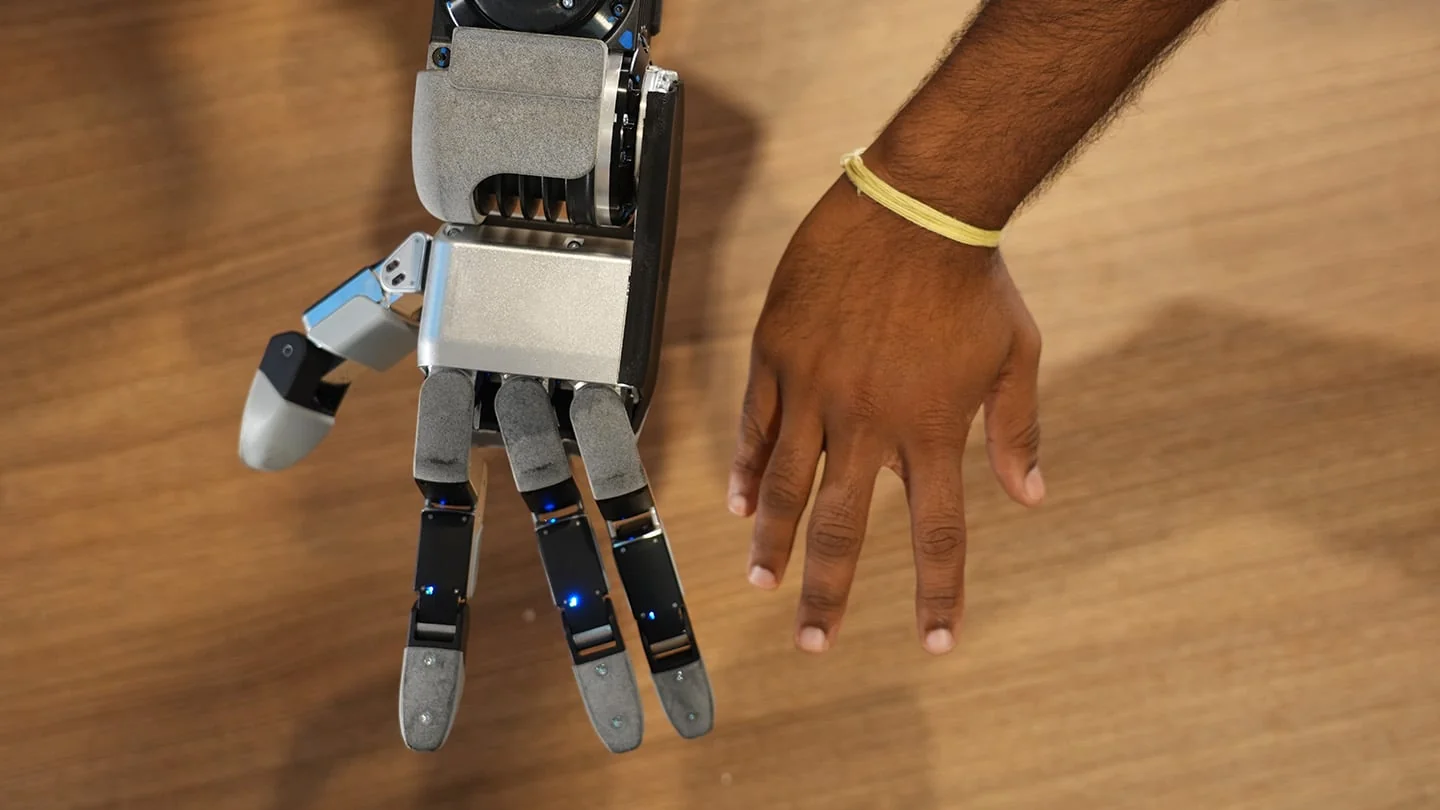
The thumb can travel along the length and width of the other fingertips. The three fingers can bend and spread apart from each other.
That allows a pinch grasp, picking up a small part between the thumb and one finger. It also allows a tripod grasp that supports an object with three fingers, and re-gripping an object that slips in the hand.
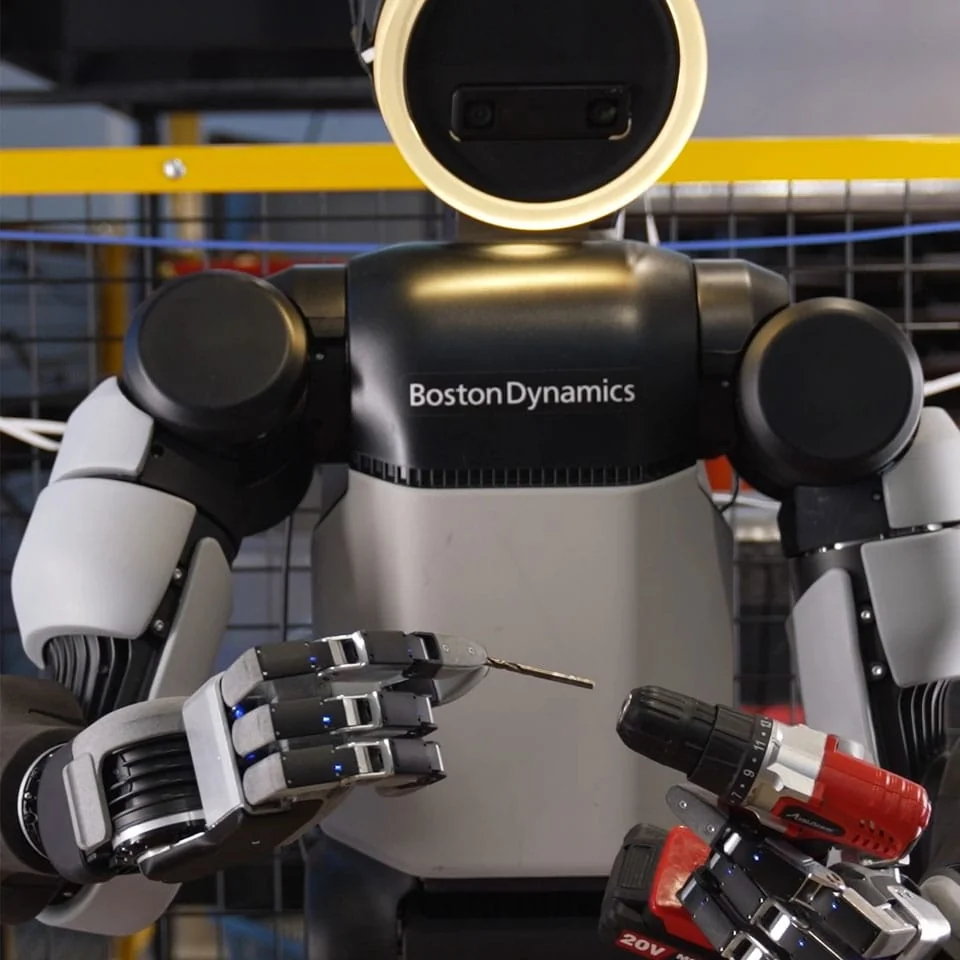
Tool use is another big change. The hand is designed for tools you hold by the handle while pressing a separate trigger: drills, power torque drivers, grinders, nail guns and welding torches.
The hand is a little larger than an average adult’s, and it is built to be as strong as the previous generation or stronger.
Atlas robot hand: why four fingers instead of five?
The most striking thing about this hand is that it has four fingers, not five. Many humanoids stress a human-like hand, so it can look a little odd at first.
Early in development, Boston Dynamics debated whether to add a pinky. The team taped their ring and pinky fingers together and went about their work. Not moving the pinky separately caused little trouble, and the thumb plus three fingers could handle the grasps and tool work they needed.
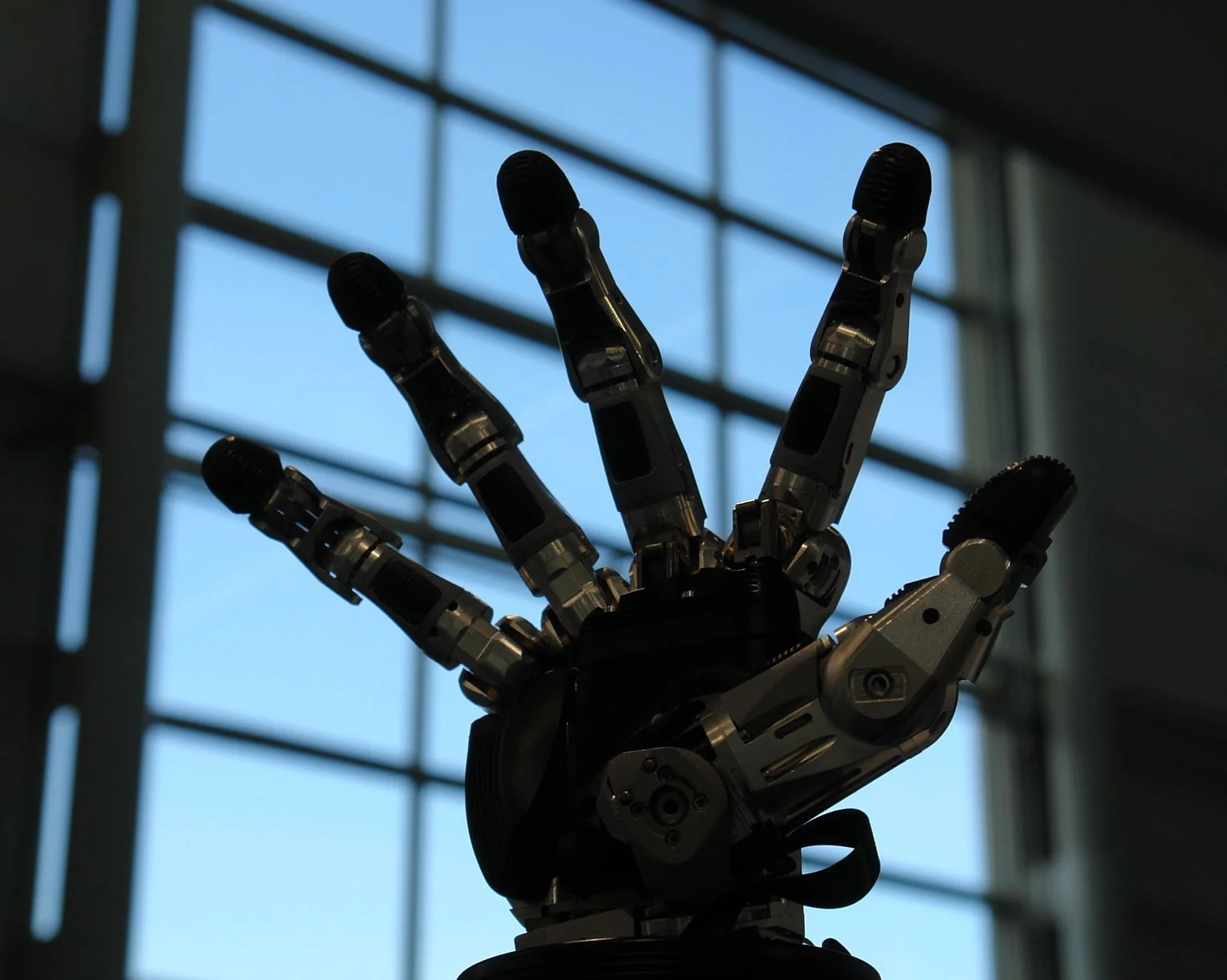
Adding another finger, though, makes the hand noticeably more complex. On GR3, a pinky would add three more degrees of freedom, along with the actuators and parts to drive them.
That affects the hand’s size and weight, plus its power draw, production cost and failure risk. If the benefit on the factory floor is small, the burden of a more complex design can outweigh it.
That is why Boston Dynamics chose four fingers.
Rather than copying the human hand, it put more weight on reliably gripping and operating factory tools like drills and grinders.
Direct drive and tactile sensing, built for the factory
GR3 is designed for industrial work on the inside, too, not just in its finger count. Instead of pulling the fingers with wires or tendon cables, each joint is driven directly by its own actuator. All 13 degrees of freedom use the same drive module.
Standardizing parts cuts the number of part types and the assembly complexity in mass production. It also helps maintenance: if one joint fails, it can be swapped for an identical module.
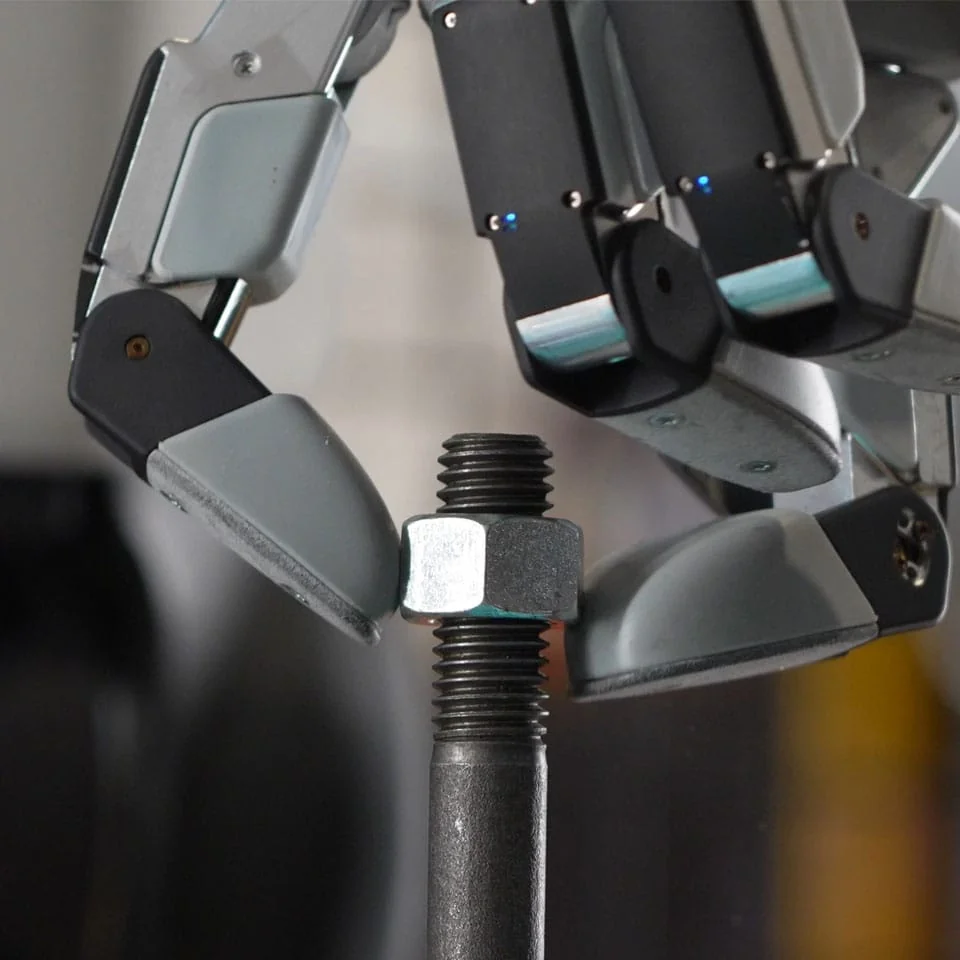
Dense tactile sensors that detect pressure changes cover the fingertips and palm. They help the hand read contact when it picks up small parts or when an object shifts in its grip.
The hand also uses proprioception, which reads joint motion and force changes. Its joints are backdrivable, meaning an outside force can push them backward. That lets the hand absorb impacts while still sensing contact.
This design helps with simulation-based training, too. Tendons and wires bring tension, friction and stretch into the model. Direct drive is comparatively easy to simulate.
That narrows the gap between simulation and the real robot in Sim2Real training, where Atlas learns to grasp and turn objects in a virtual environment before doing it for real. Boston Dynamics says it designed the hand to be simulated with high fidelity.
Atlas vs. Optimus: different goals, different hands
Compare Atlas’s four-finger hand with Tesla Optimus and the difference in design direction stands out. Optimus keeps five fingers and is being developed to move like a human hand. Rather than packing every motor into the fingers, it reportedly places the drive system in the forearm and moves the joints with tendons.
This approach keeps the hand itself smaller and lighter. It also suits teaching the robot human hand motions and handling the many objects people use every day.
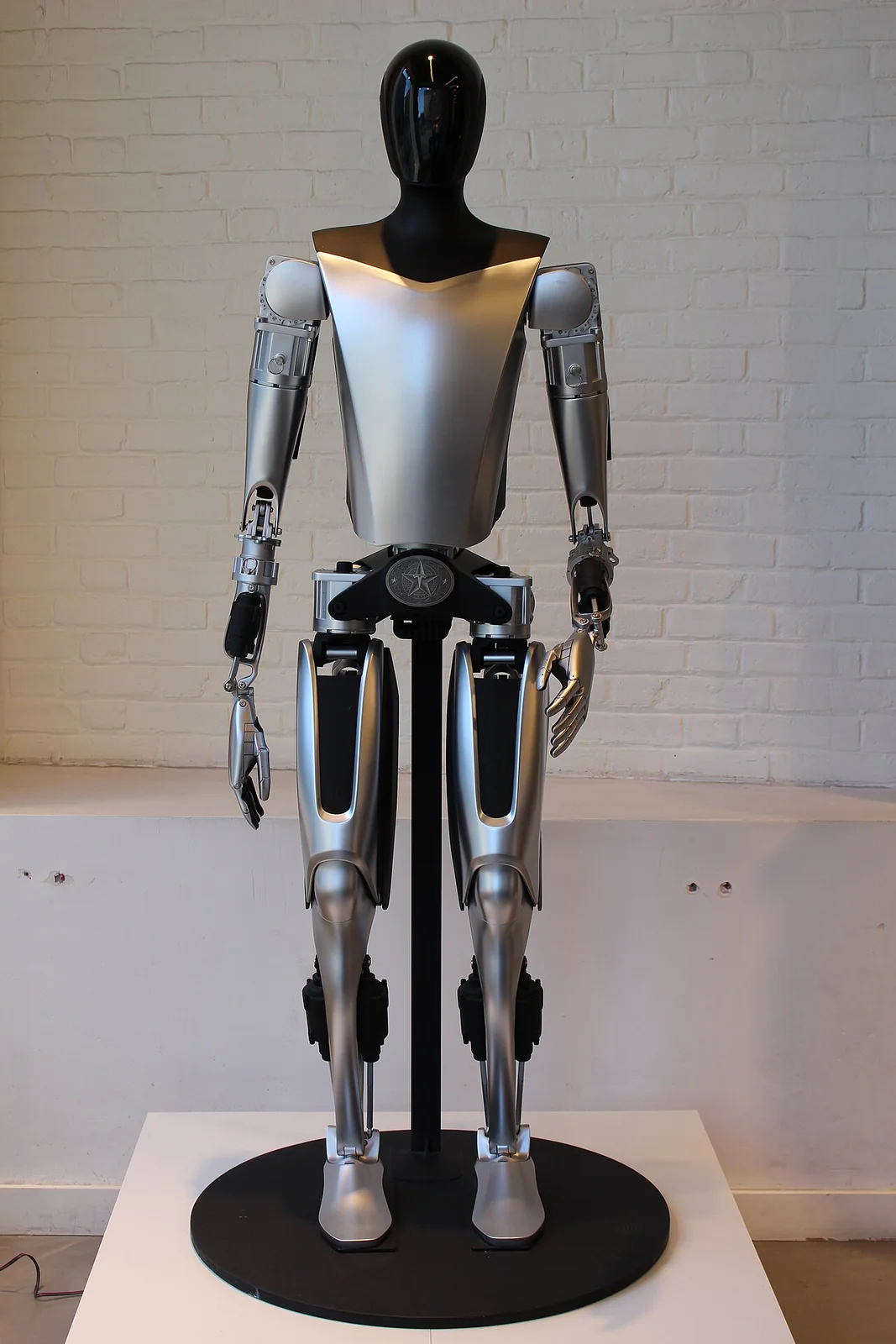
Wires and tendons, however, bring tension, friction and wear to manage. Atlas’s direct drive can make the fingers somewhat thicker, but it prioritizes the durability and easy maintenance that repetitive work demands.
It is more natural to see the two as having different goals than to call one better. The hand’s structure depends on whether you want to reproduce human form and motion broadly or repeat the motions a factory needs, reliably.
From RMAC to HMGMA: sequencing in 2028, assembly by 2030
The new hand ties into Hyundai Motor Group’s plan to put Atlas to work in its factories.
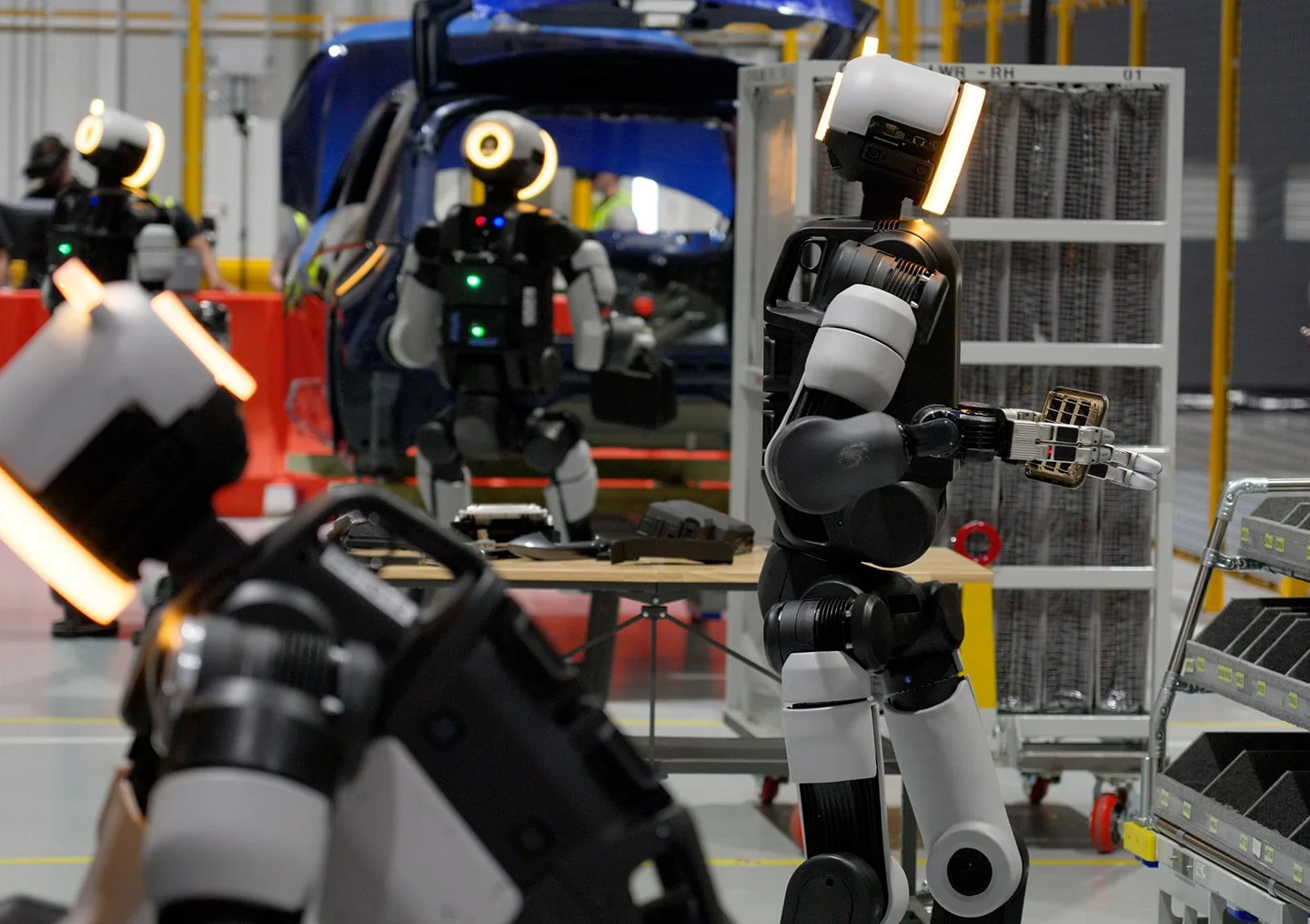
Atlas is currently training at the Robotics Metaplant Application Center (RMAC) in Georgia, at Hyundai Motor Group Metaplant America (HMGMA) outside Savannah. There it learns parts sequencing and material handling in a setting modeled on a car plant. The data it gathers feeds back into training and validation.
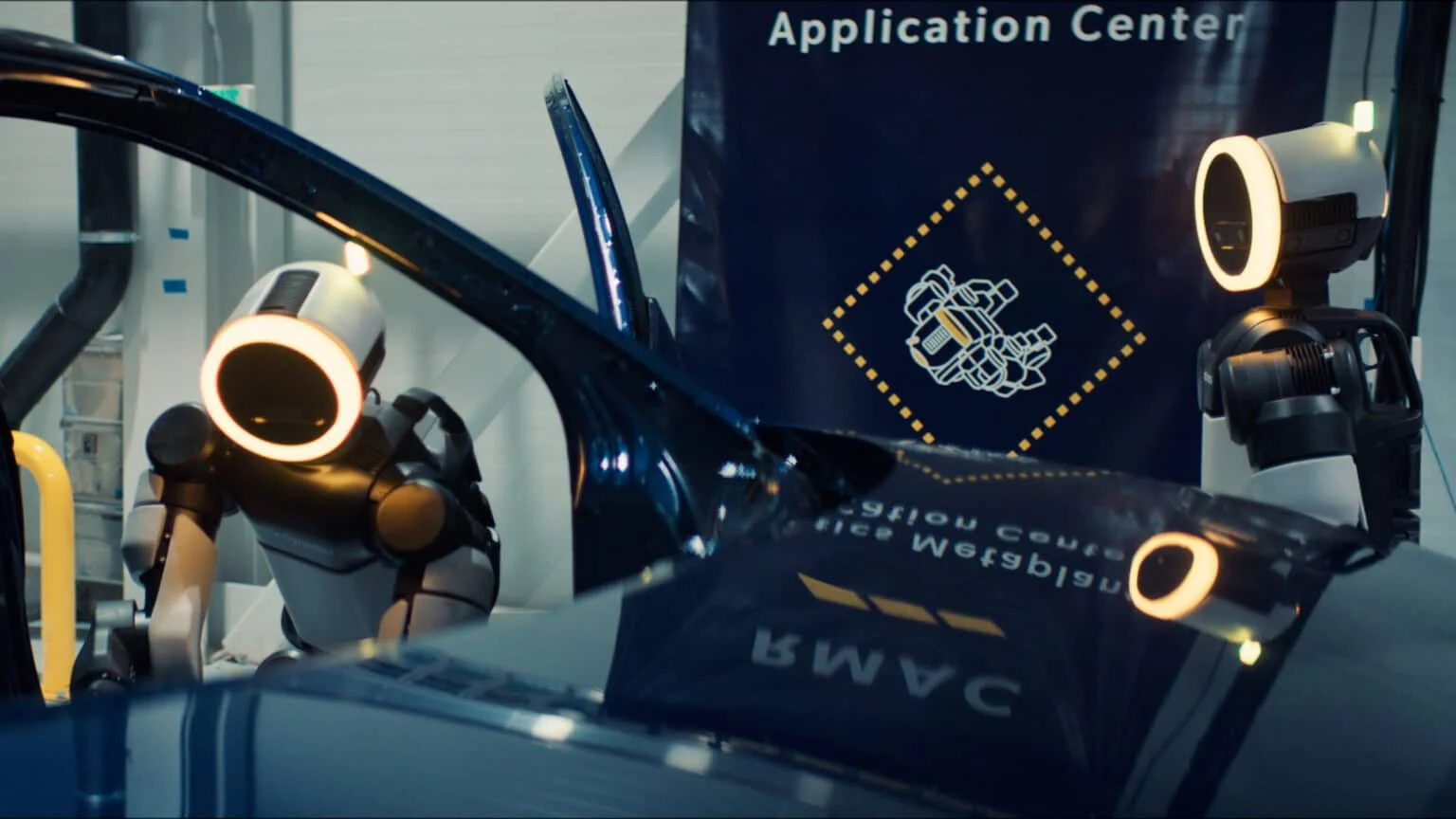
Under the plan Hyundai Motor Group has announced, Atlas will start parts sequencing at HMGMA in 2028. From 2030, its role will expand to component assembly.
A longer-term plan to deploy about 25,000 Atlas units across Hyundai and Kia plants worldwide has also been mentioned. Hyundai separately aims to build a production system capable of making 30,000 robots a year by 2028.
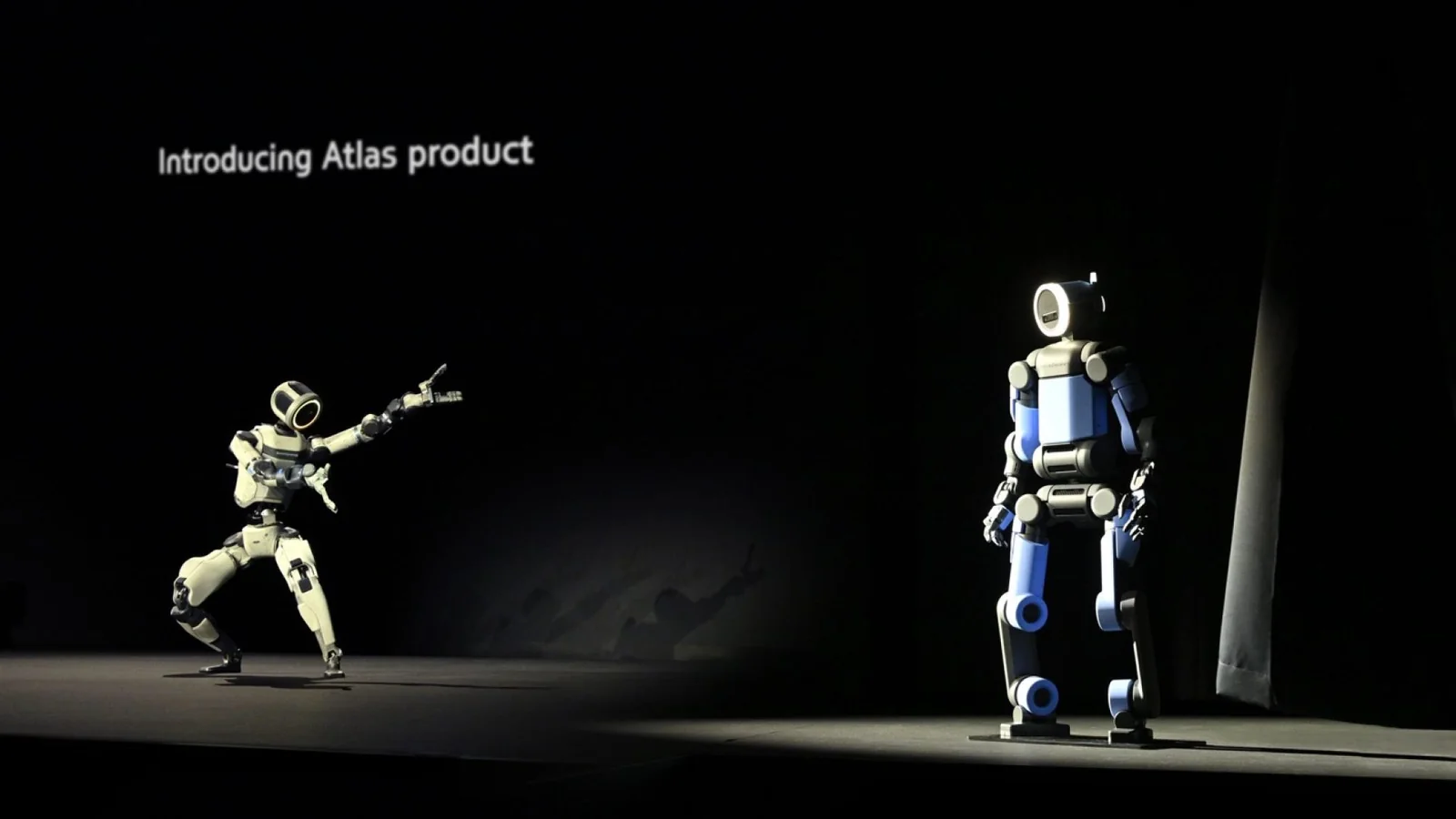
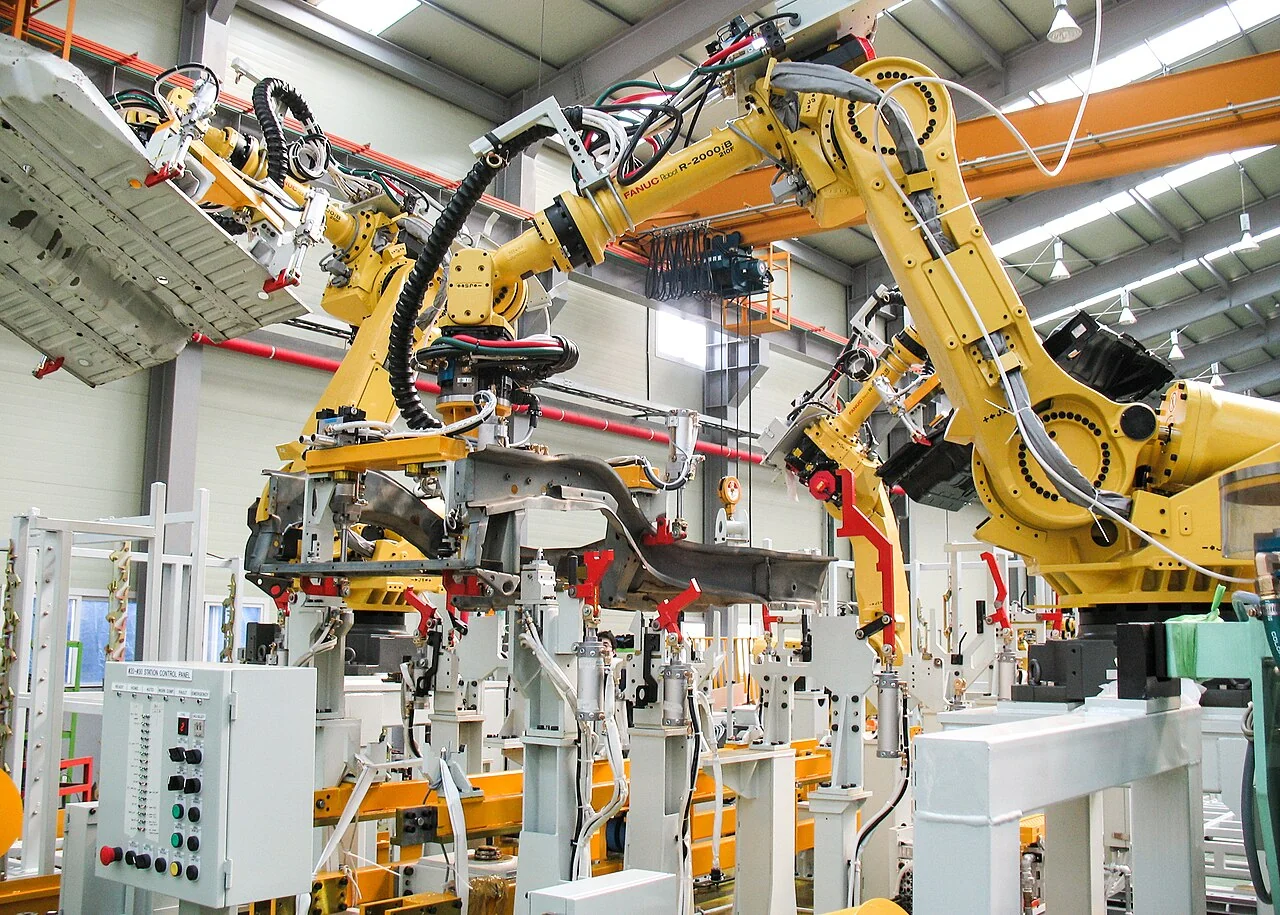
As this unfolds, the new hand’s role can only grow. A conventional gripper can move parts from one place to another, but fastening bolts or using tools takes much finer hand control.
Still, this demo alone does not show that Atlas can use any tool autonomously, the way a person would. The reveal video mixes motions performed under autonomous control with demos a person operated remotely.
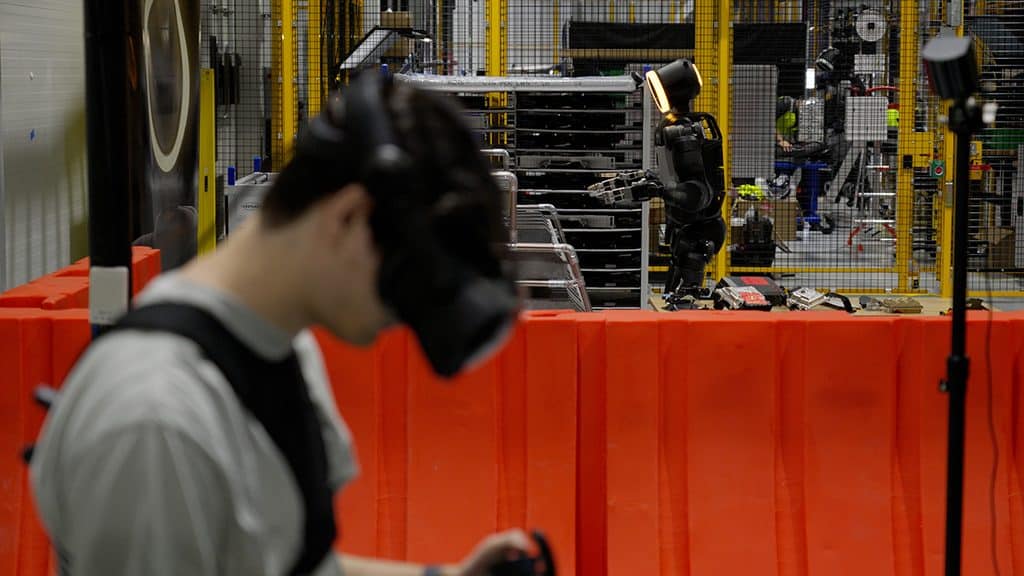
Hardware that can manipulate objects in hand is one thing. Autonomous control that decides the order of work on a factory floor and copes with surprises is a separate area that still has to be proven.
Before it reaches a production line, the hand must prove itself against repeated tool vibration and shock, sensor reliability in dust and grime, and maintenance intervals over long shifts. Because it works in the same space as people, safety and productivity also need validation.
Bottom line: what four fingers say about humanoids
Early in the humanoid race, the spotlight was on walking on two legs and keeping balance. But on a factory floor, mobility alone covers only a limited set of jobs.
A robot has to grip factory tools, assemble small parts and reposition objects in its hand. Only then can it make broad use of existing production equipment and workspaces.
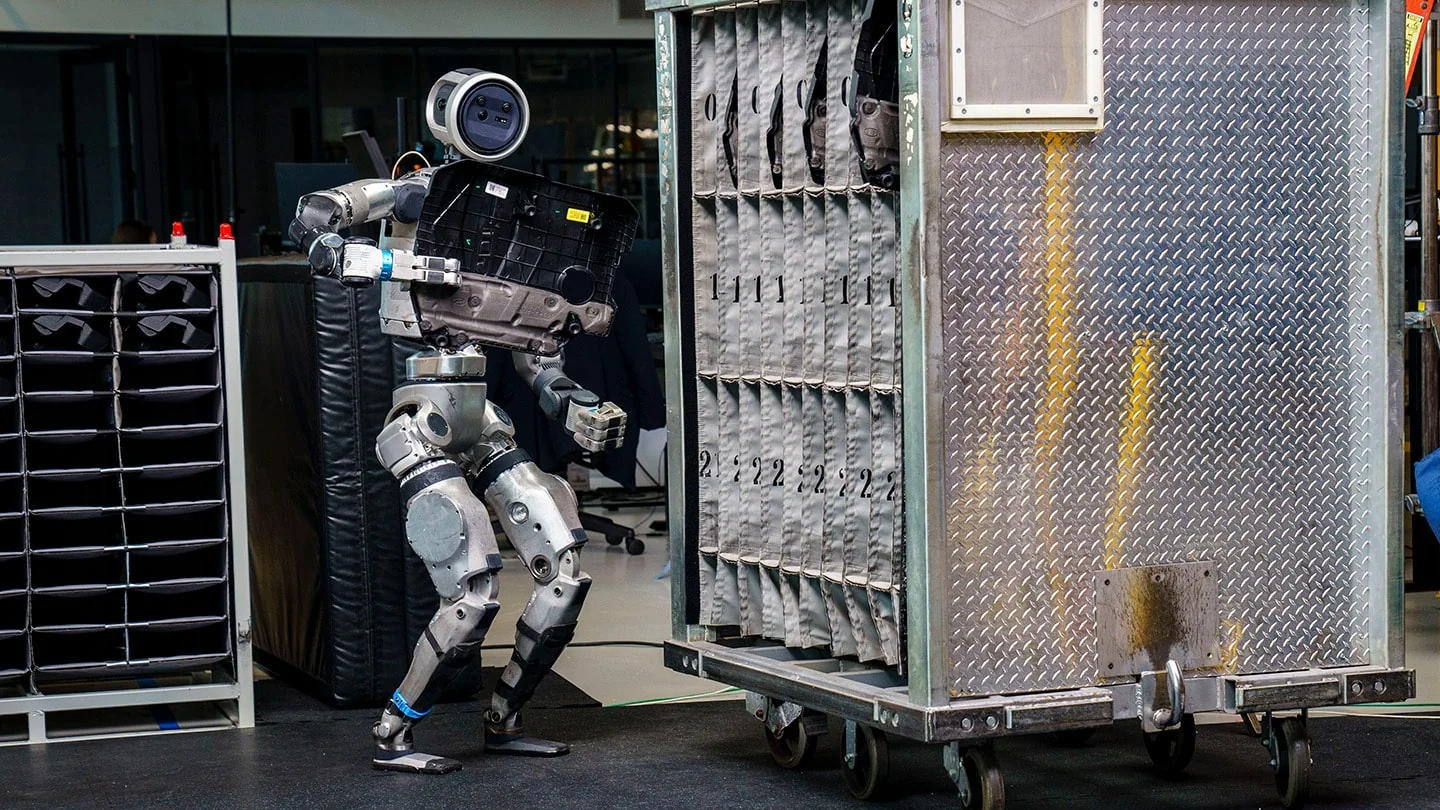
The new Atlas robot hand is designed for exactly that. Instead of five human-style fingers, it has four fingers and 13 DoF, with direct drive and a single actuator type suited to industrial work.
What matters more than how closely it resembles a human hand is how reliably it can repeat the work it needs to do. Once Atlas uses drills and fastening tools on assembly lines in earnest, the factory floor will show whether the four-finger design holds up.