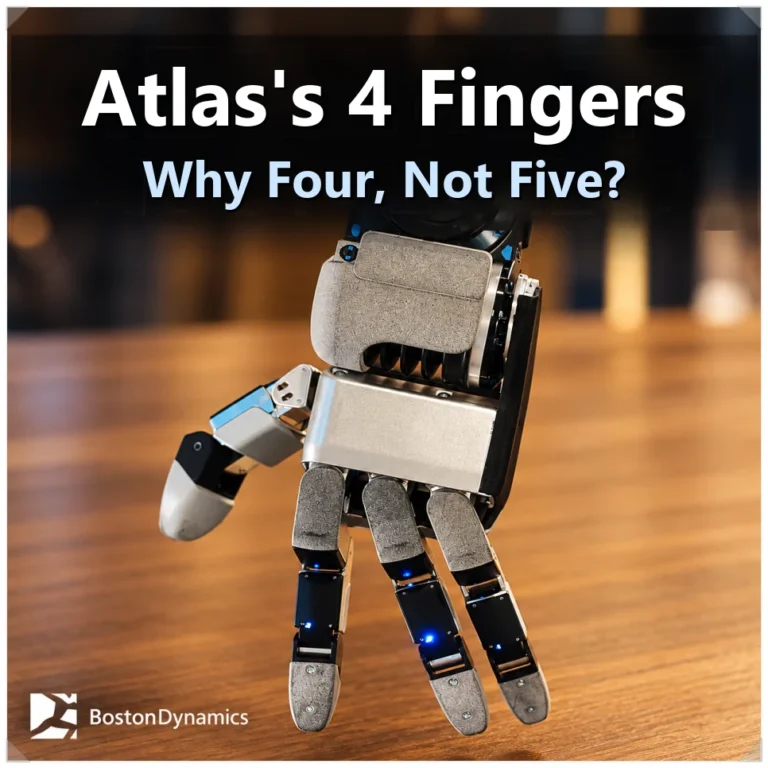
Waymo Robotaxis and Atlas Robots: Why Hyundai Brought Both to Its Georgia Plant
Key takeaways
- Hyundai’s Georgia Metaplant builds Waymo’s robotaxi Ioniq 5, with first deliveries planned for Q4 2026
- Boston Dynamics trains Atlas at RMAC on the same site, aiming for plant work in 2028
- 25,000 Atlas units and 30,000 robots a year are targets, not robots already working
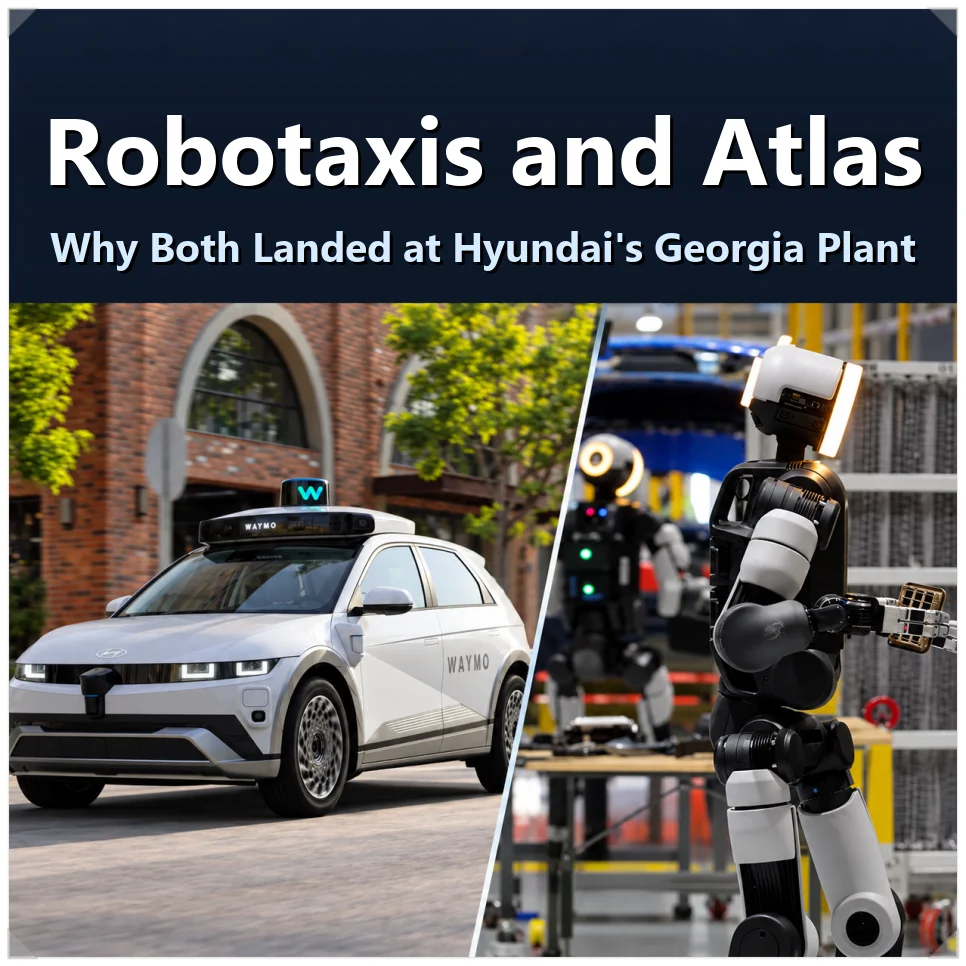
Hyundai’s plan to build hybrids at its Georgia plant, a factory built for EVs, says a lot about today’s market: EVs alone aren’t enough to keep the lines busy. The same plant is also building Waymo Ioniq 5 robotaxis.
On the same site, the humanoid robot Atlas is training to handle car parts. Waymo’s vehicles can be built and delivered right in the US, and Atlas can learn using that plant’s parts and workflows.
What’s different about the Waymo Ioniq 5?
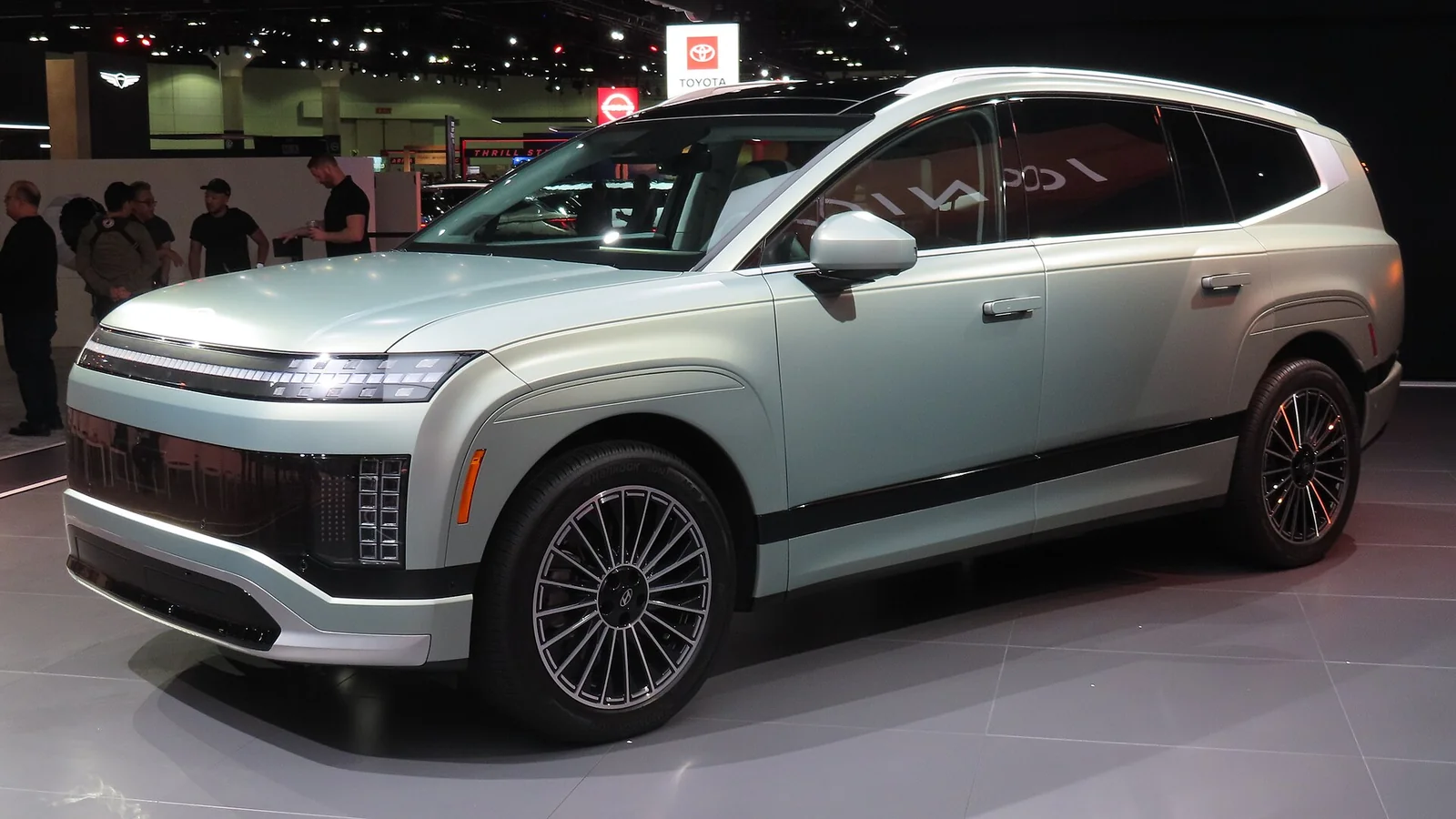
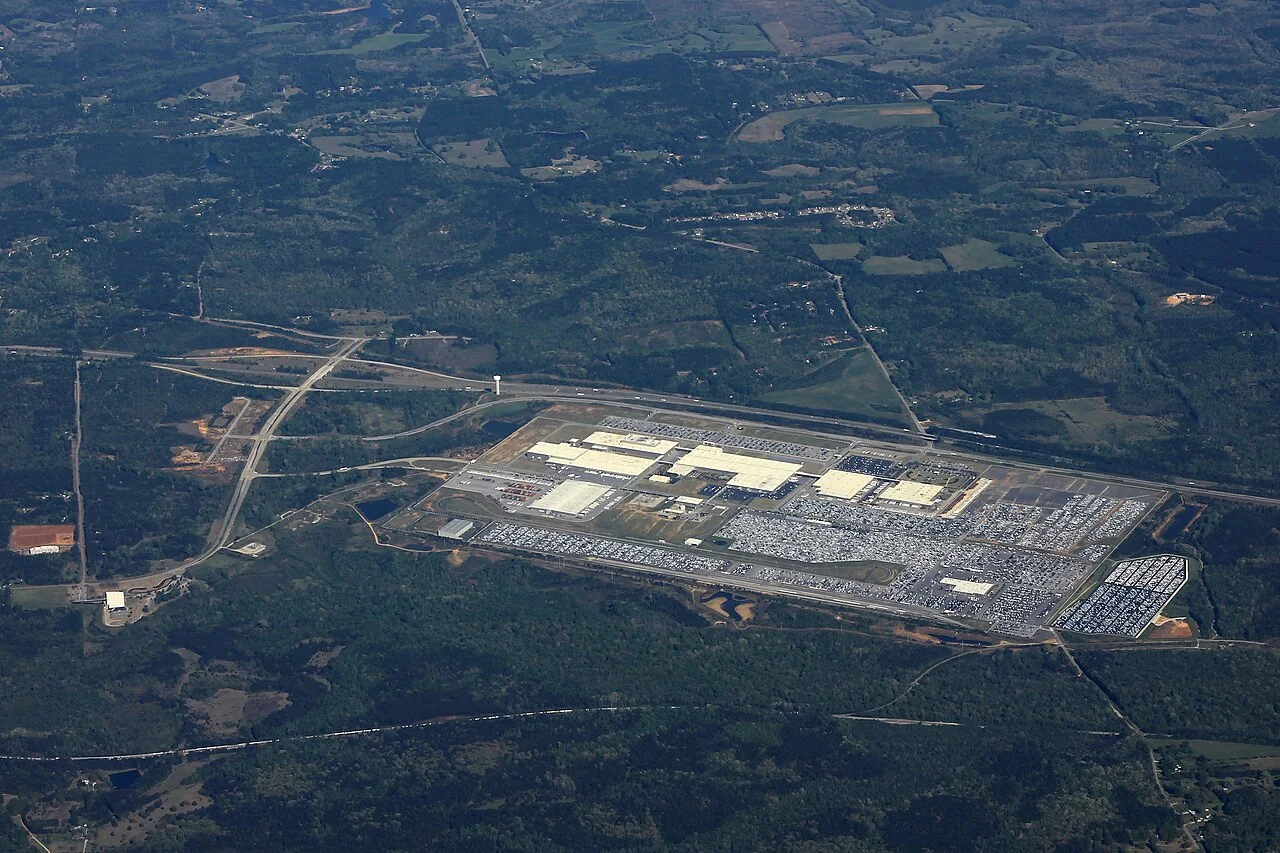
Hyundai Motor Group Metaplant America (HMGMA) is the Georgia plant that builds the Ioniq 5 and Ioniq 9.
Hyundai plans to add hybrid production there too, adjusting the lines to the models that sell. The same plant also builds the robotaxi version of the Ioniq 5 for Waymo.
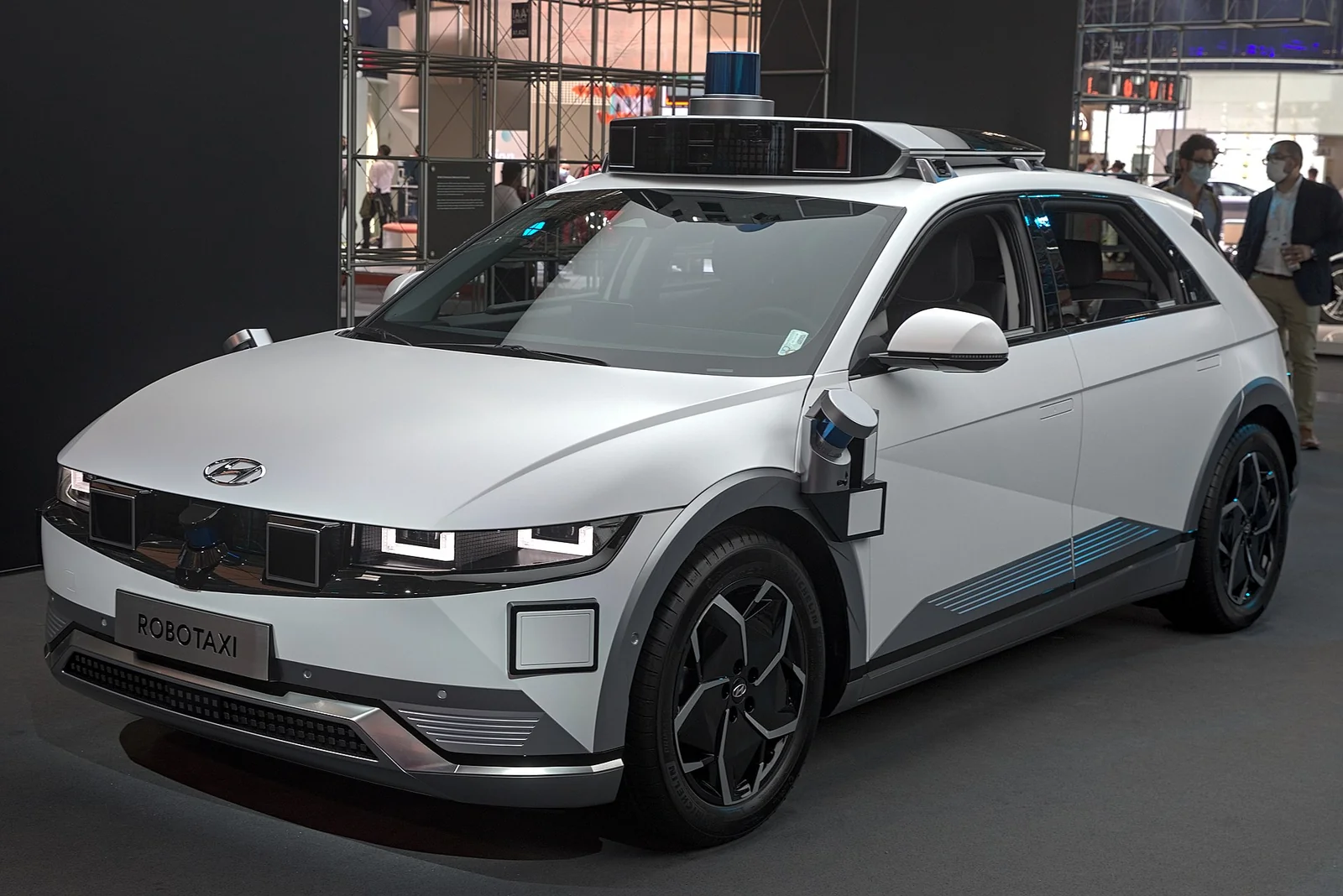
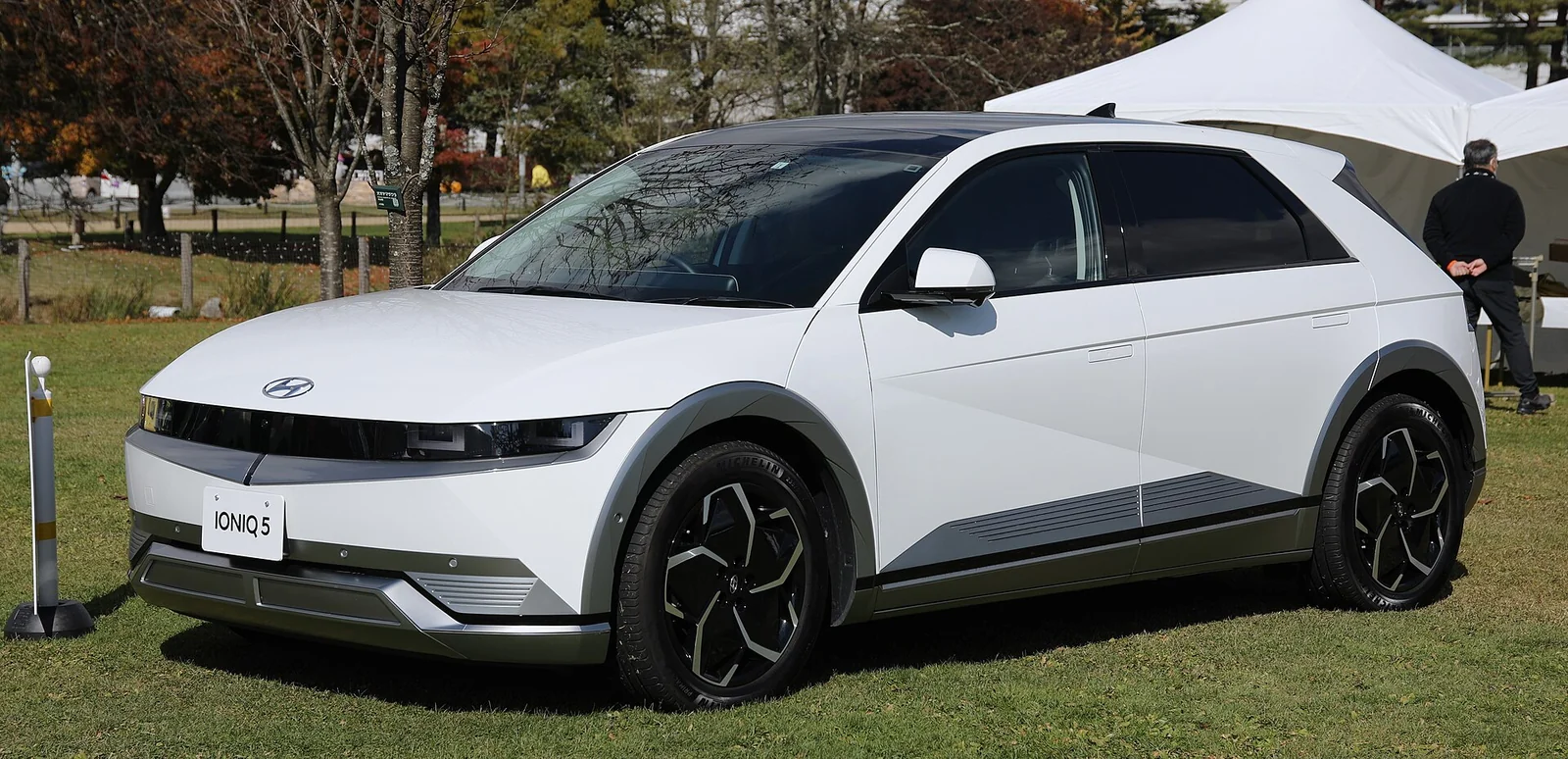
Hyundai and Waymo announced a multi-year partnership in 2024. Hyundai builds the vehicles in Georgia, and Waymo then integrates its sixth-generation autonomous system, the Waymo Driver.
Hyundai has said it plans to deliver the first vehicles in Q4 2026. Hyundai President José Muñoz has mentioned production plans in the tens of thousands, but the company hasn’t disclosed the size of the first delivery or annual volumes.
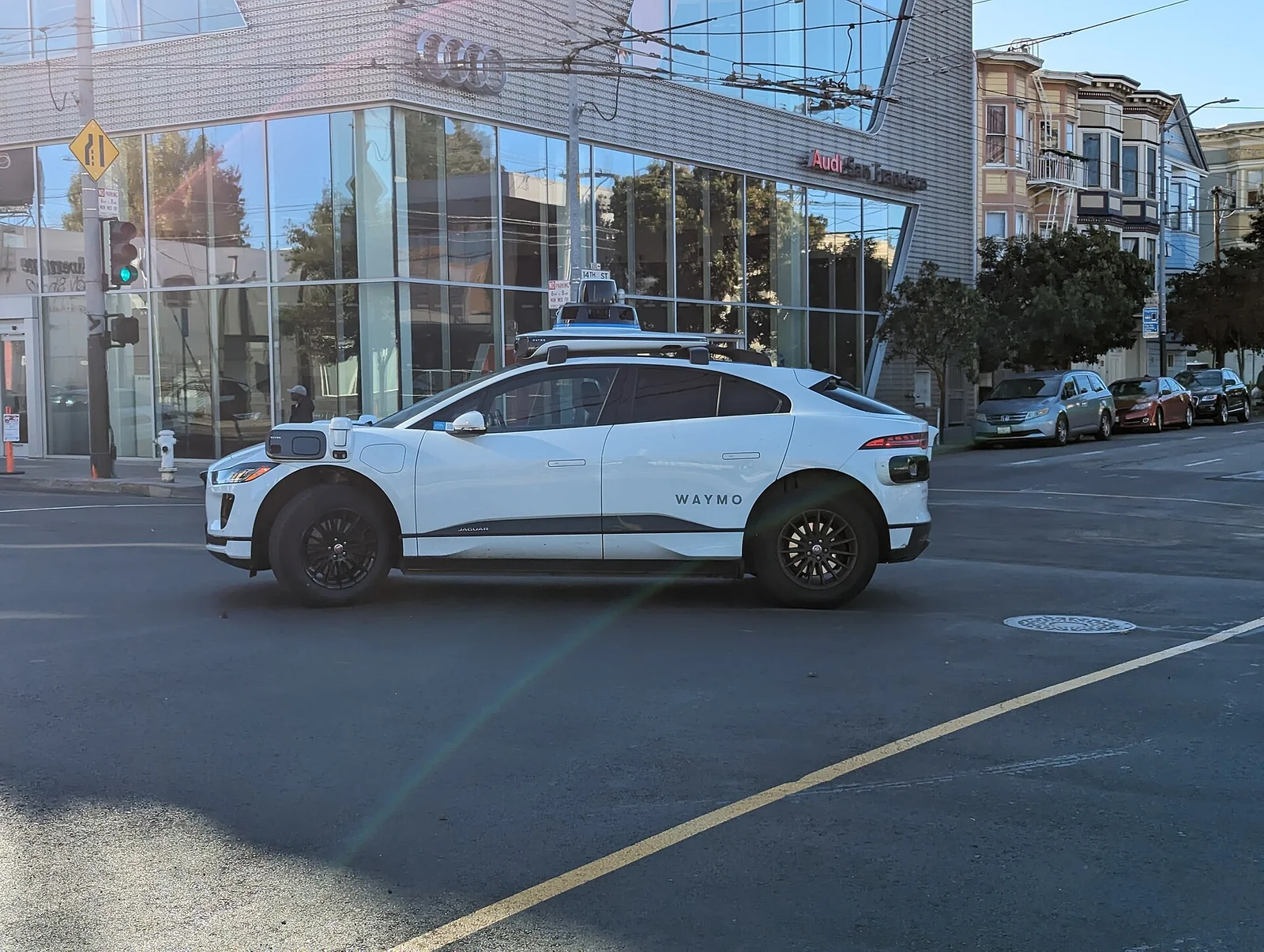
The Ioniq 5 that Waymo gets differs from the retail model. The autonomy-ready specs Hyundai has described include redundant key systems and power-operated doors.
A car with no driver needs systems that can withstand problems with steering, braking or power. That kind of design can’t be added later by bolting on sensors.
The doors are also engineered into the body from the start for a service where passengers get in and out on their own. The order of work, with Hyundai building the car and Waymo adding the self-driving tech, also shows each company’s role.
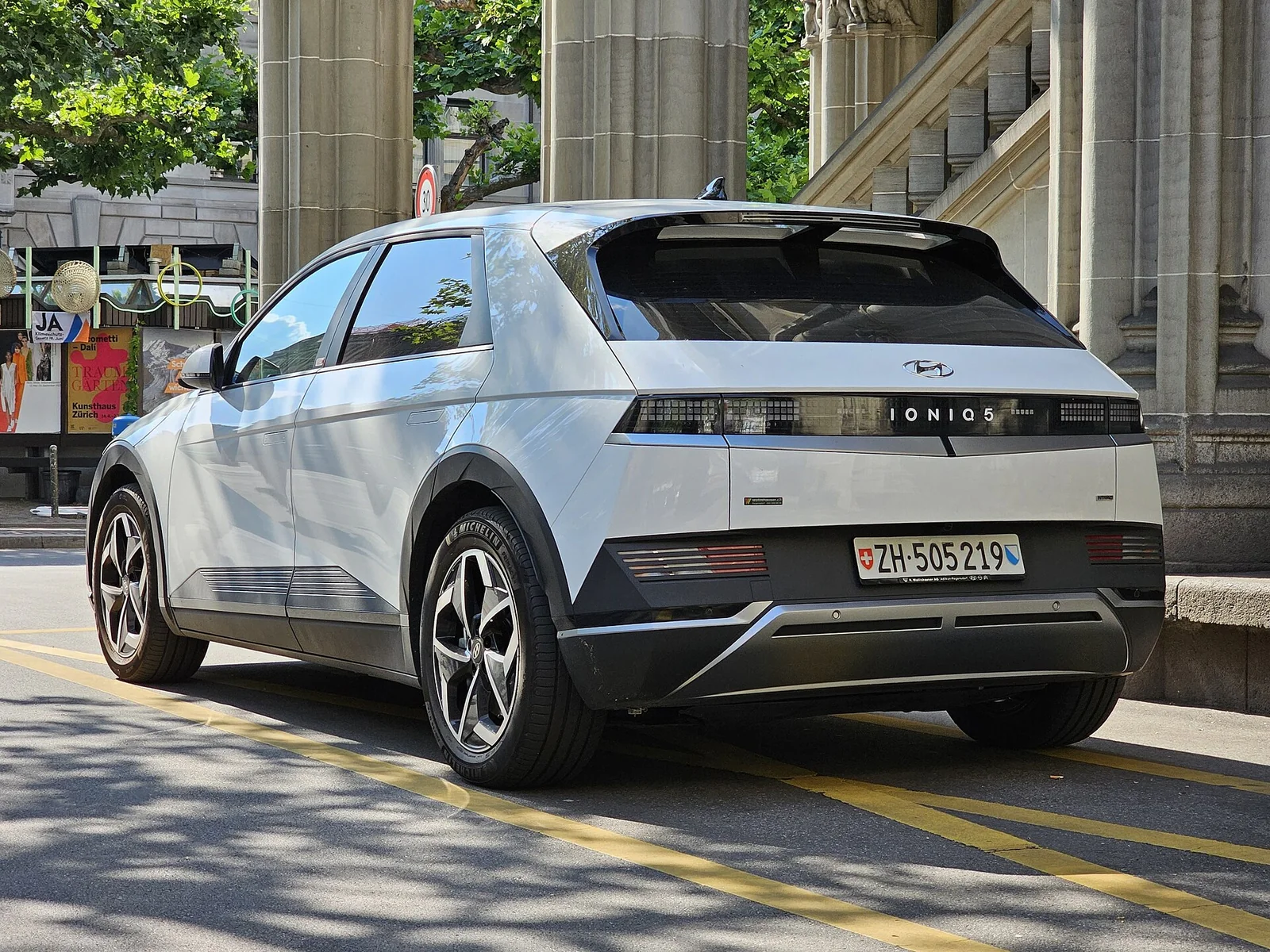
That’s why Hyundai calls this its autonomous vehicle foundry. It develops and mass-produces vehicles for customers that own self-driving technology. Waymo handles the system and the service, and Hyundai builds the car to match. The key is turning out many identical cars, consistently.
The companies have said they’ll supply significant volume over several years. That doesn’t mean all of it ships at first delivery, or that the same number comes every year. Orders and deliveries can shift depending on how fast Waymo expands its service.
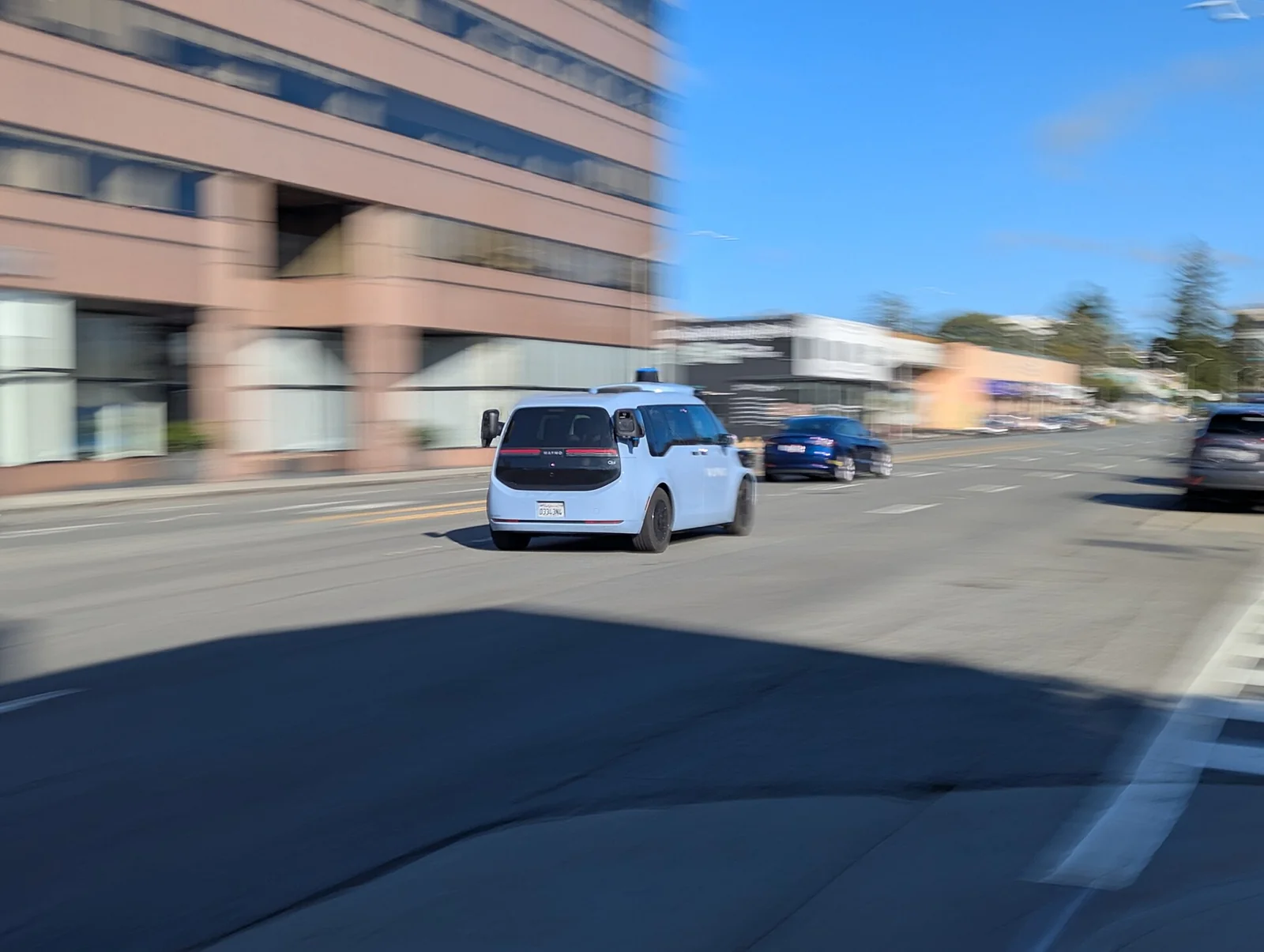
Motional, Hyundai Motor Group’s self-driving joint venture, also plans to use the robotaxi-spec Ioniq 5.
Being able to supply self-driving vehicles to both outside customers and the group’s own businesses is worth noting. How much the parts and production process for the Waymo and Motional versions overlap hasn’t been disclosed.
What Atlas is learning in Georgia
The same site also has a facility for training Boston Dynamics’ humanoid robot Atlas. In a factory, doing the same job safely every day matters more than one great demo. Hyundai Motor Group is training Atlas on the tasks it needs here before putting it on the line.
Hyundai Motor Group has said it will deploy 25,000 Atlas units in stages at Hyundai and Kia plants worldwide over the next several years. It’s also planning a US facility that can build 30,000 robots a year.
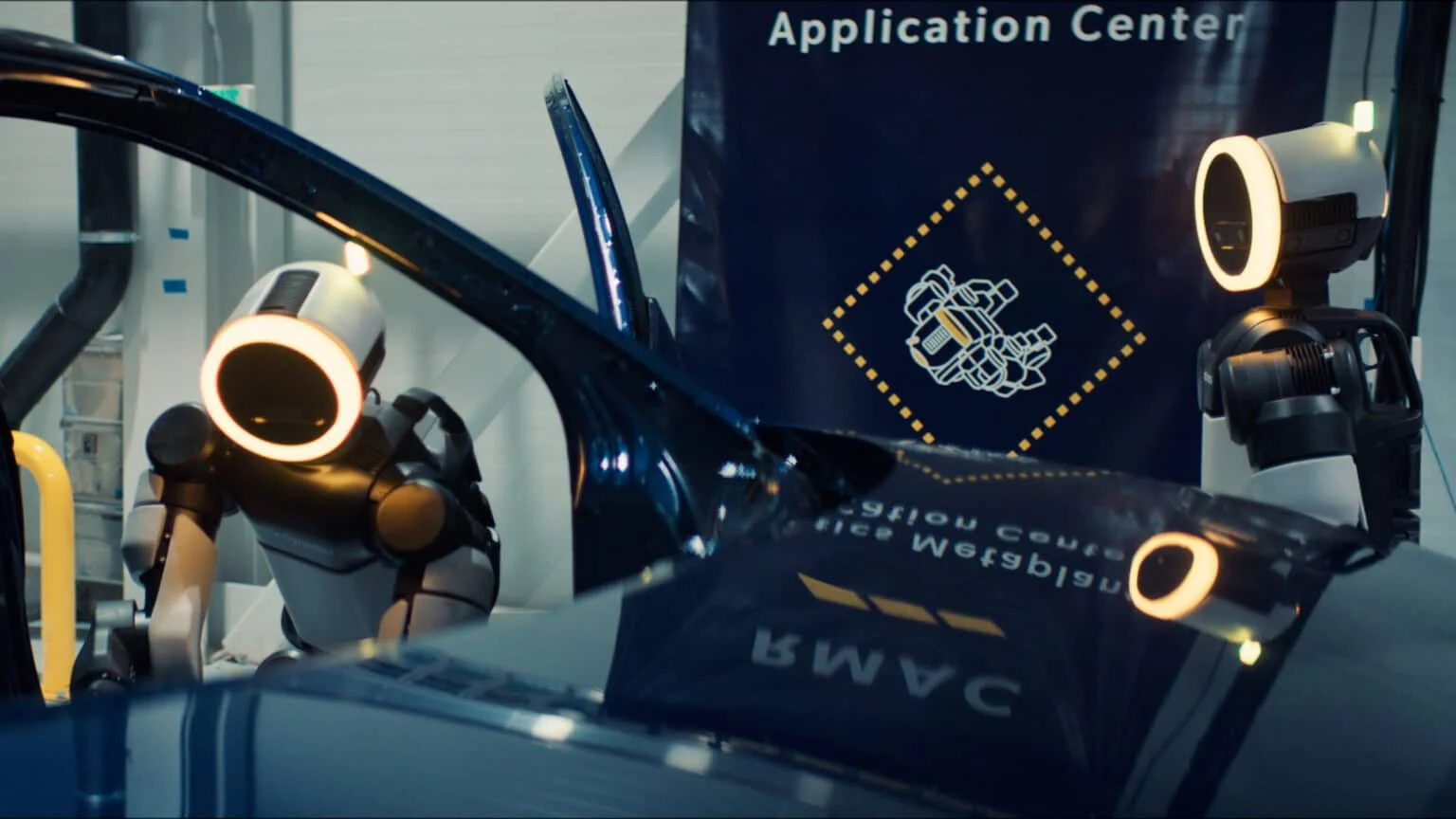
Boston Dynamics is preparing Atlas for training and field deployment in Georgia. The 25,000 figure is a deployment target, and 30,000 is an annual production capacity goal. Neither number counts robots working in plants today or units already sold.
Starting in the group’s own plants can help development. Atlas repeats moves like carrying parts and placing them in order under many conditions, building up data.
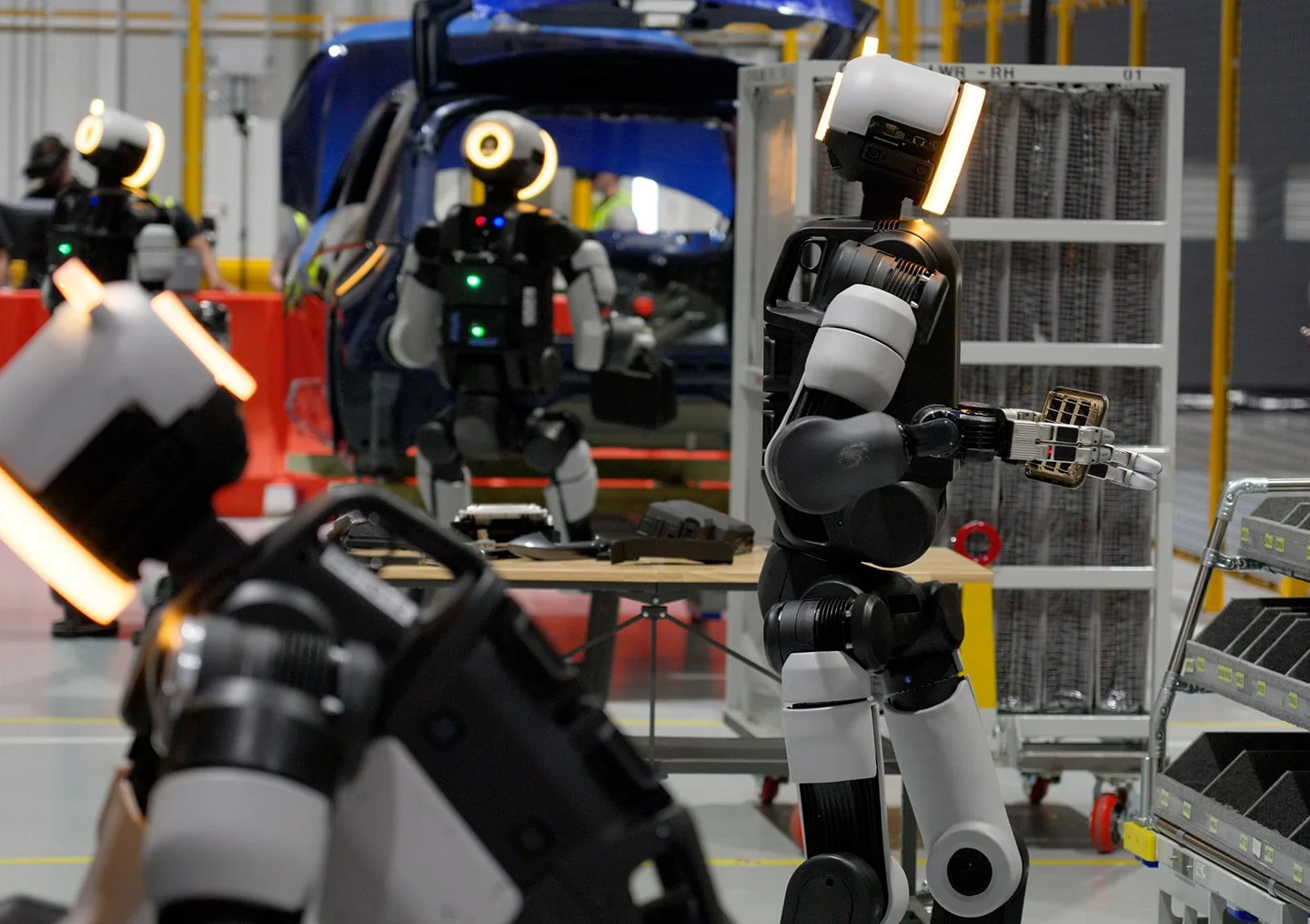
It also matters how Atlas recovers when a bin moves or a task stops halfway. If something goes wrong, the motion can be fixed and retested. Parts sequencing is easier to scope and check than assembling a car body, which is likely why it was picked as Atlas’s first job.
Of course, parts bins don’t all weigh the same or come in the same size. On a real factory floor, what matters more is whether Atlas can pick up objects it hasn’t seen before and avoid accidents when people walk by.
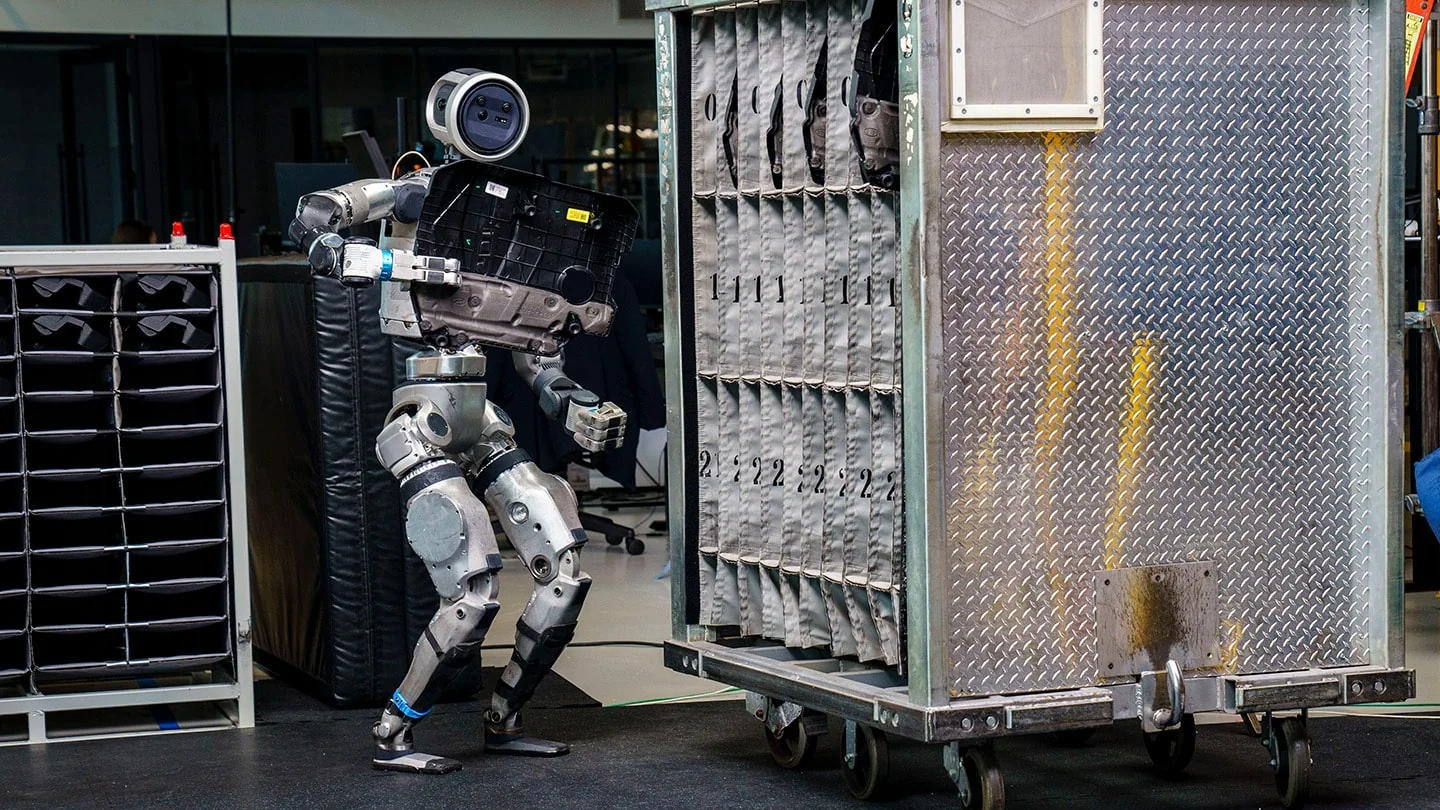
More production doesn’t automatically bring robot prices down at a set rate, either.
When a factory decides to adopt a robot, the machine’s price is only part of it. Work speed, recovery time after a breakdown, safety equipment and maintenance costs all go into the math. Right now the question is how consistently Atlas can work in a real process.
That training happens at the Robotics Metaplant Application Center (RMAC) on the Georgia Metaplant site. Boston Dynamics announced on Sept. 21, 2026 that the center was up and running. Atlas is currently learning sequencing: preparing car parts and placing them in assembly order.
In 2027, the center moves to a larger building about 10 times its current size. In 2028, Atlas is set to start parts sequencing at the Georgia Metaplant, and in the second half of 2029, the work expands to Kia’s Georgia plant. More complex parts assembly is targeted for 2030.
| Waymo robotaxi foundry | Atlas deployment | |
|---|---|---|
| Hyundai’s role | Builds and supplies self-driving vehicles | Uses its plants as the robot’s training ground and first customer |
| Current stage | First deliveries planned for Q4 2026 | Training on parts sequencing at RMAC |
| What to watch | Delivery volumes and the pace of follow-on supply | Units deployed and real-world performance |
Turning planned volume into results
The robotaxi foundry is a business supplying vehicles to Waymo. Atlas is at the stage of proving itself in the group’s own plants first. Both projects share a site, but no plan has been announced for Atlas to work on the Waymo Ioniq 5 line.
How much the Waymo Ioniq 5 adds to the Georgia plant’s volume will only be clear once deliveries pile up. A bigger service will need more cars, but the next supply schedule depends on that pace. The impact on the plant’s utilization and profits is hard to judge from what’s been released so far.
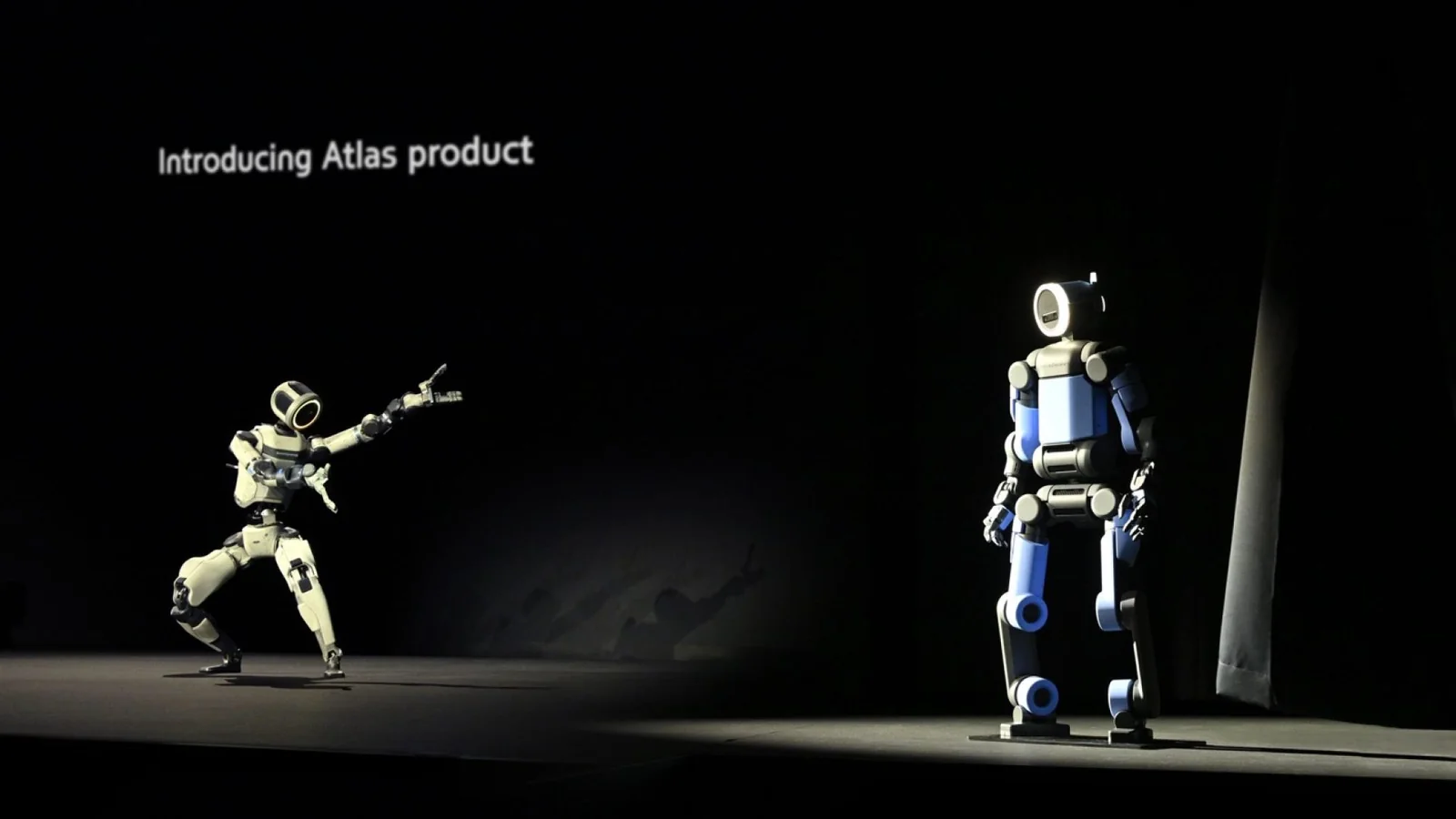
For Atlas, too, the actual number of robots that make it into plants matters more than the 25,000 target. More complex work comes only after stability is proven. Safety around people, integration with existing equipment and how repairs are handled all need checking too. Bringing Atlas to another plant means fitting it to that site’s workflow.
Boston Dynamics is also talking with existing robot customers about using Atlas outside the auto industry. It’s still finding use cases, so it’s too early to treat that as closed sales. What Atlas does in the group’s plants, and how well, has to come first before outside sales can be gauged.
Conditions aren’t the same across the group’s plants, either.
Line layouts and work practices differ by country, and replacing work people used to do needs buy-in on the floor. That’s why success in Georgia doesn’t mean every plant gets Atlas at the same speed. How many robots can be built in a year and how many can keep running on the floor are separate questions.
Bottom line: watch the real numbers in Georgia
The Waymo Ioniq 5 is heading toward its first deliveries this quarter. Whether cars keep coming after that will show how much it fills the plant.
For Atlas, we’ll only see how many robots take on which jobs once it enters the Metaplant in 2028. How consistently it performs there is the next step. For both projects, what actually runs in Georgia matters more than the plans.