Cadence Maestro: AI Models That Design Chips and Check Their Own Work
Cadence’s Maestro AI models design chip circuits and check them with EDA tools in a closed loop. What the four AI Super Agents do and how Maestro compares with GPT-Synopsys.

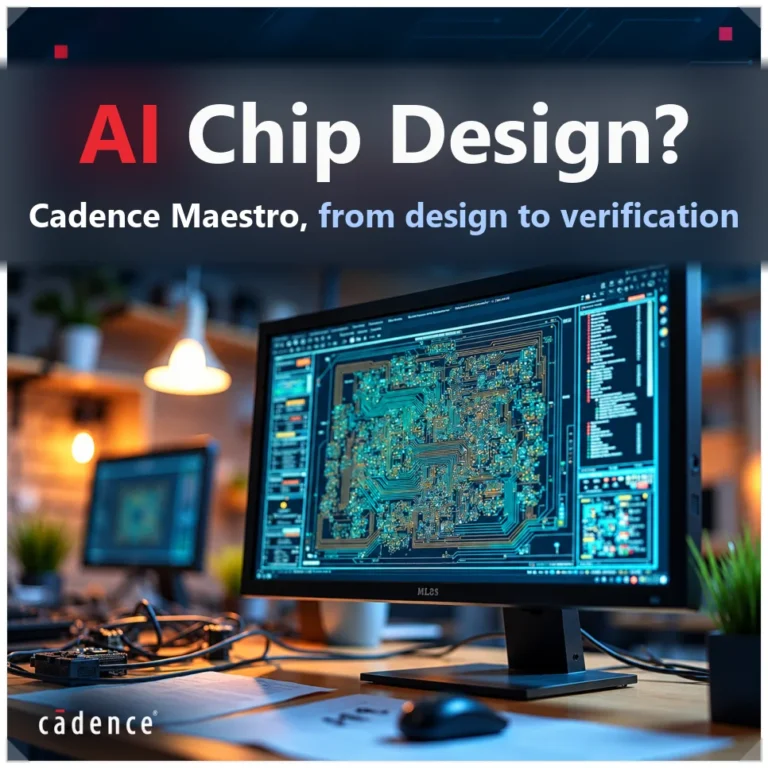
Cadence’s Maestro AI models design chip circuits and check them with EDA tools in a closed loop. What the four AI Super Agents do and how Maestro compares with GPT-Synopsys.

BYD’s first solid-state EV in 2027 is a validation run of about 1,000 cars. What the sulfide battery still has to solve, and why the Denza Z9 GT’s five-minute charging is a different technology.
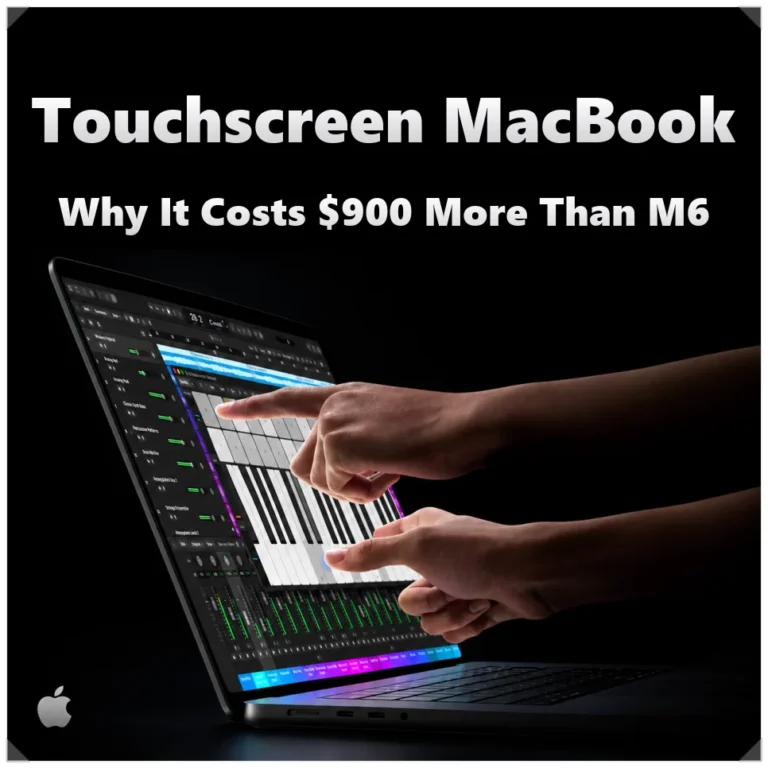
Apple’s first touchscreen MacBook Pro brings a tandem OLED display and the Dynamic Island. The $900 premium over the M6 model also buys M5 Pro, faster memory and Thunderbolt 5.
The 12-core M6 iMac costs more than the base model and adds ports, Ethernet, Touch ID and dual-monitor support. What changed with M6, and who should upgrade.

The JBL Flip 7 adds IP68 protection, a 7-band EQ, PushLock and Auracast over the Flip 6. What changed, how it handles bathroom use, and the US price.
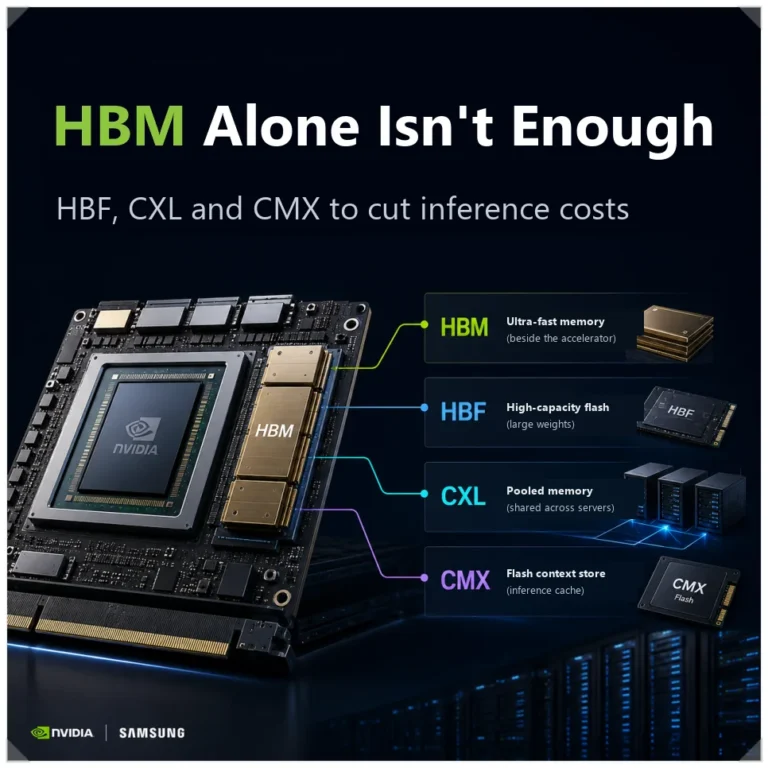
Inference makes AI memory capacity and cost efficiency as important as speed. HBF, CXL memory pooling and NVIDIA’s CMX each add a tier below HBM to hold KV cache and context more cheaply.

The OpenRun Pro 2 Standard and Mini share the same drivers, battery and IP55 rating; only the band length differs. How to pick, what DualPitch does and what it costs.
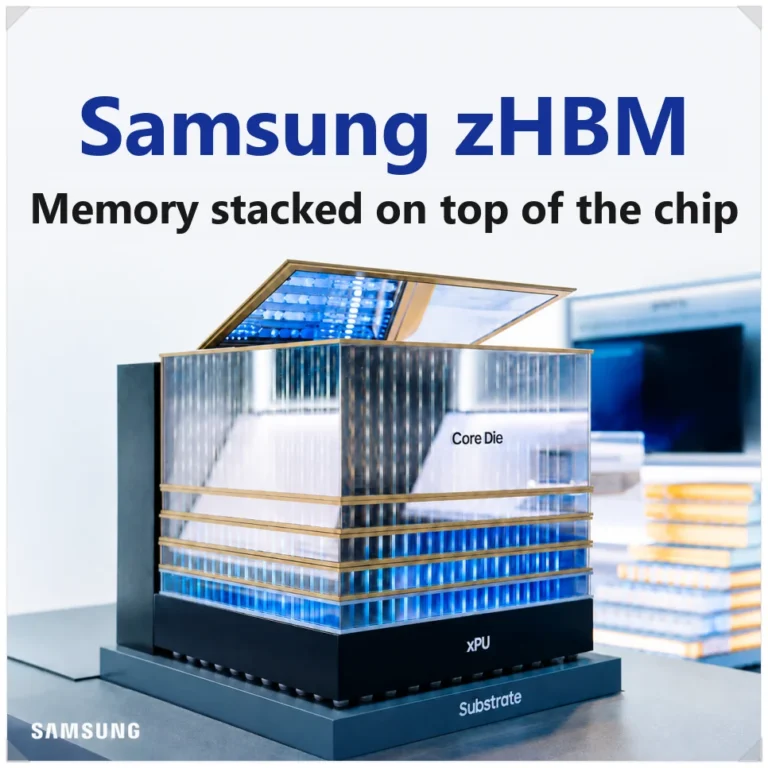
Samsung’s zHBM mockup at FMS 2026 stacks memory on the AI accelerator itself. It claims about 8x HBM5 performance, but heat, bonding yield and ecosystem costs stand in the way.
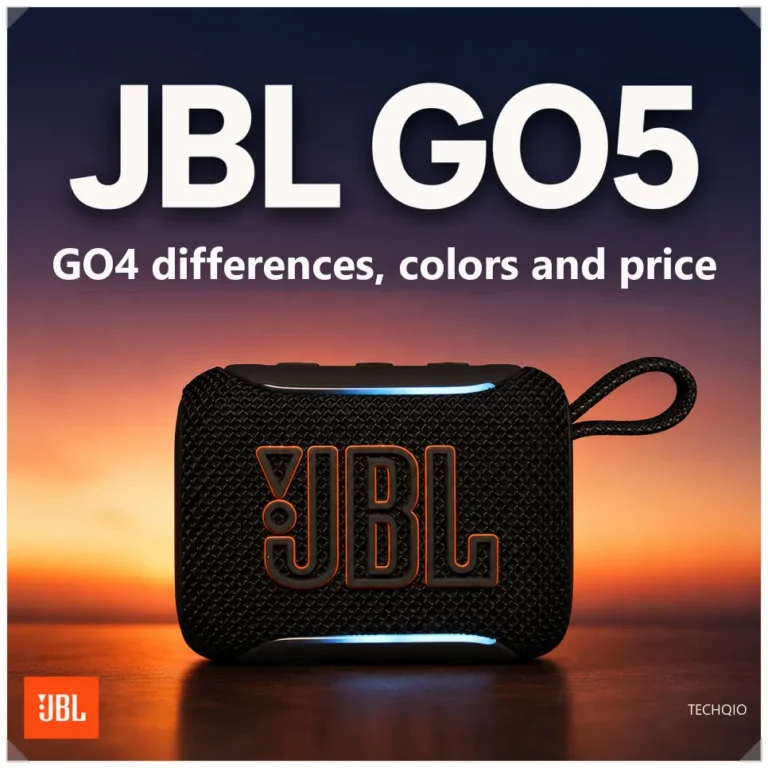
The JBL Go 5 adds more output, IP68 protection, USB-C wired audio and one more hour of battery than the Go 4 in each playback mode. Best Buy lists it at $54.95.
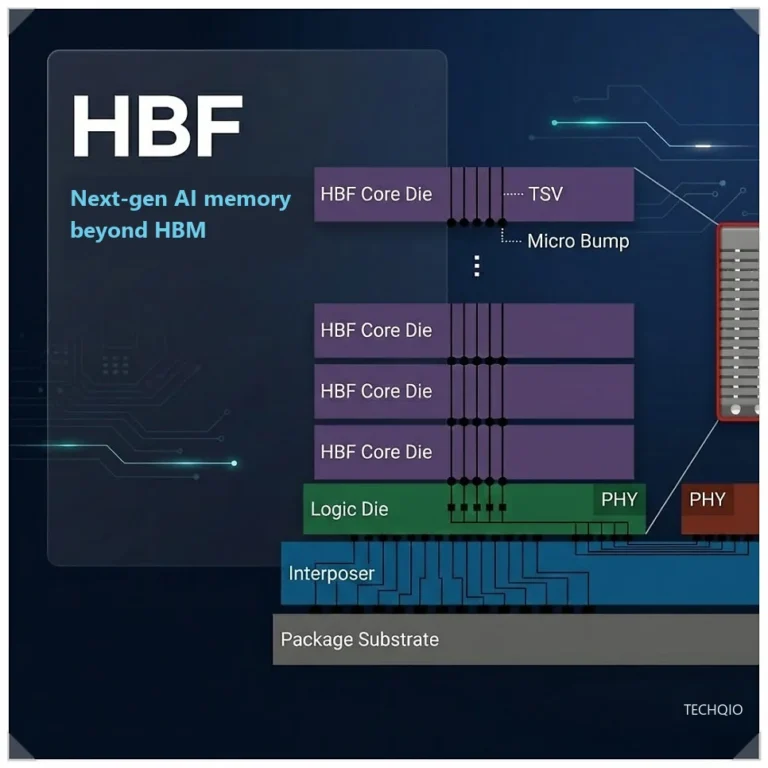
High Bandwidth Flash stacks NAND the way HBM stacks DRAM. It holds far more per stack than HBM4 at somewhat lower speed, and its first specification came out in August 2026.