Gemini 4 Carbon: Google’s Security AI That Finds and Fixes Vulnerabilities
Google DeepMind’s Gemini 4 Carbon targets vulnerability detection and patching, scoring 88.2% on SEC-bench Pro. Access is limited to Fairwind partners for now.

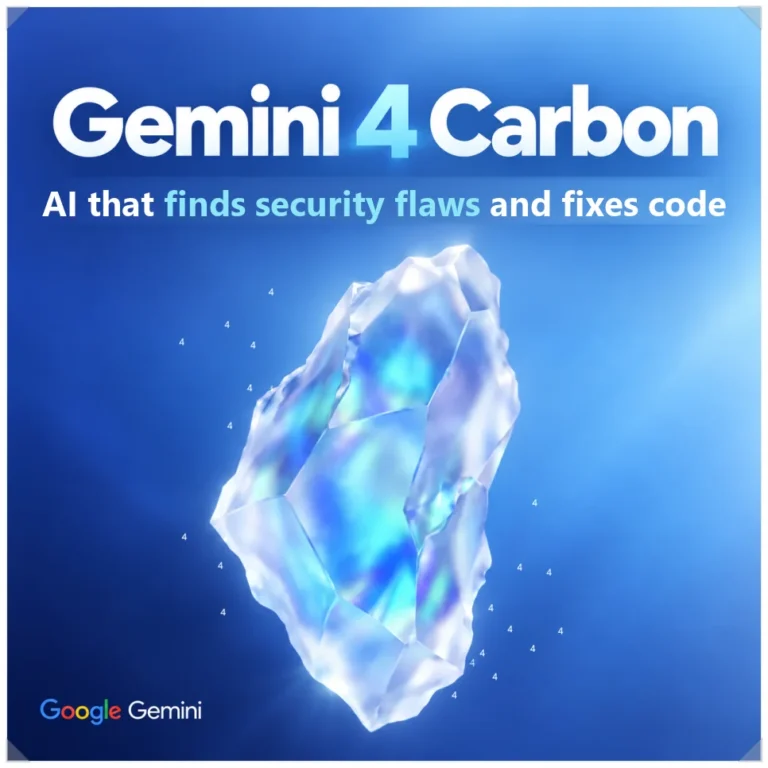
Google DeepMind’s Gemini 4 Carbon targets vulnerability detection and patching, scoring 88.2% on SEC-bench Pro. Access is limited to Fairwind partners for now.

Genesis showed how the pillarless GV90 Neolun stays safe: a sliding dual-motion hinge, a hidden roll cage, 1.8 GPa door beams and a roof airbag.

GitHub’s Copilot Fusion routes coding tasks across models by effort level. It scored 60 vs. Claude Code’s 62 at about half the cost per task.

Apple’s 14-inch M6 MacBook Pro starts at $1,999 with more cores, faster on-device AI and 1TB standard. How it compares with M5 and M5 Pro, and how much memory local AI needs.

Google DeepMind’s Genie 4 generates worlds you can explore and edit in real time, with native audio. It’s a tester-only preview for now.

Several iPhone Duo inner screens cracked at the fold days after launch. Teardowns point to the hinge’s center support bar, and Apple is replacing affected units.

The iPad mini 8 switches to OLED and an A20 Pro chip, but it starts at $699 and the 512GB model gets more CPU and Neural Engine cores.

Samsung’s first clip-on, open-ear earbuds arrive in the US for $229 in early November. They trade ANC for awareness, longer battery life and less sound leakage.
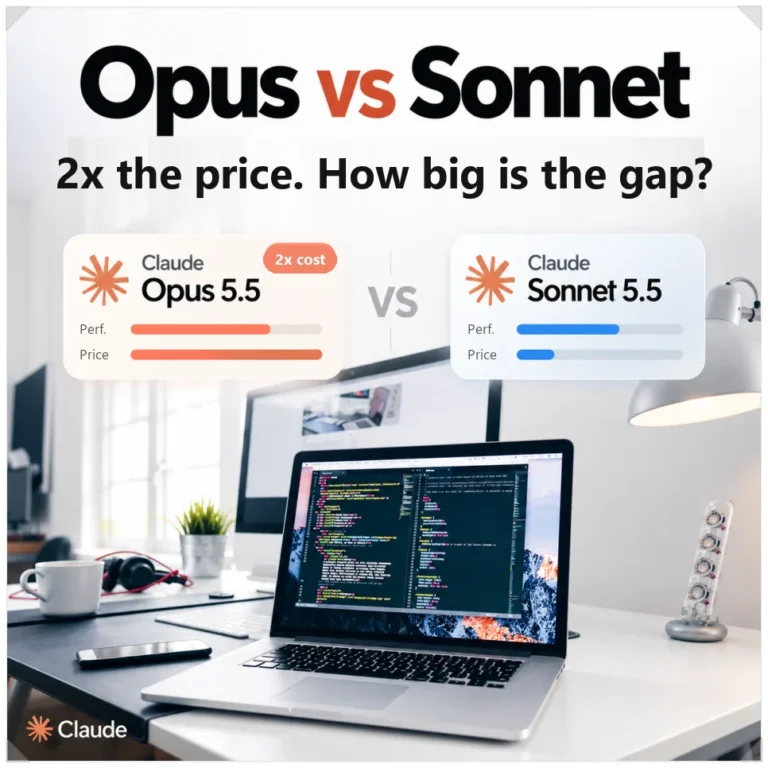
Claude Opus 5.5 costs twice as much as Sonnet 5.5, but the benchmark gap is small. Sonnet wins on speed and cost; Opus pulls ahead on hard reasoning and system design.

Meta Muse Charm is a pocket device for calling up the Muse AI agent. Muse does the work in a cloud VM; Charm is a faster way to reach it than your phone.