Touchscreen MacBook Pro With OLED: Why It Costs $900 More Than the M6 Model
Key takeaways
- Apple’s first touchscreen MacBook Pro pairs Touch with a tandem OLED (PROLED XDR) display and the Dynamic Island.
- The 14-inch M5 Pro model starts at $2,899, $900 more than the M6 model, and arrives Nov. 6.
- It suits photo, video and music pros. For documents, browsing and coding, the M6 model is enough.
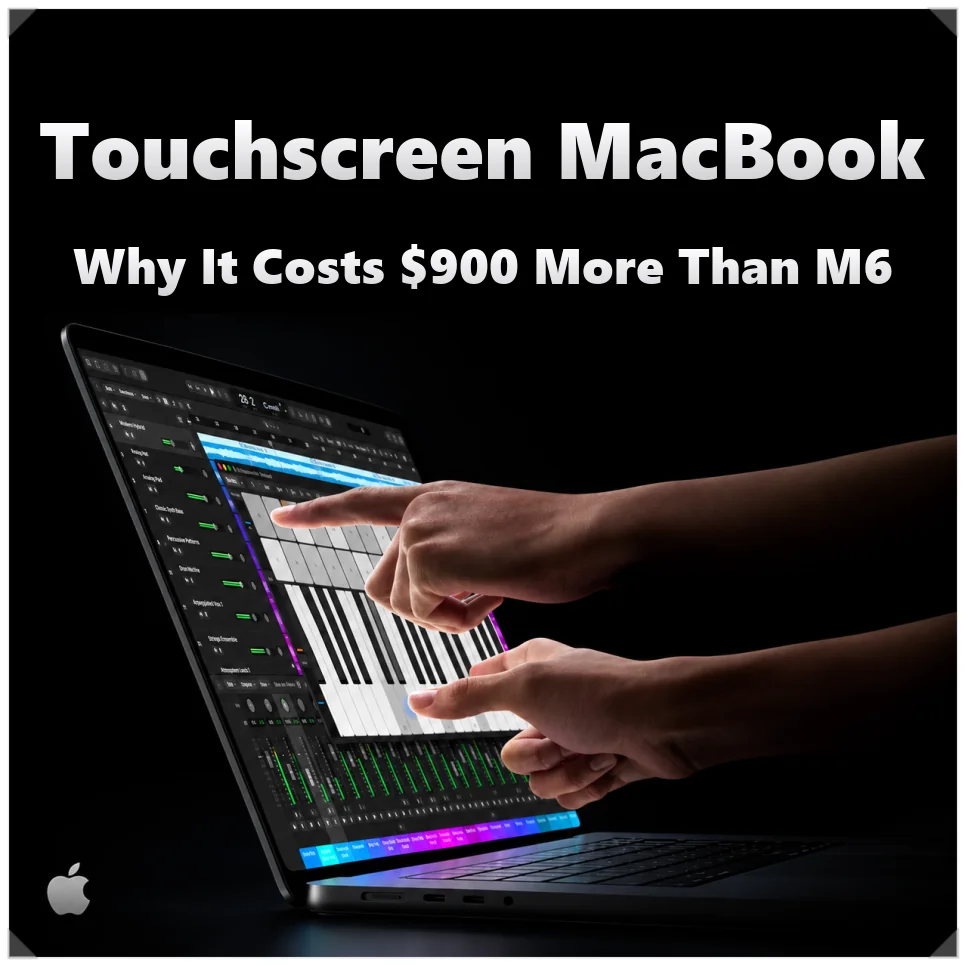
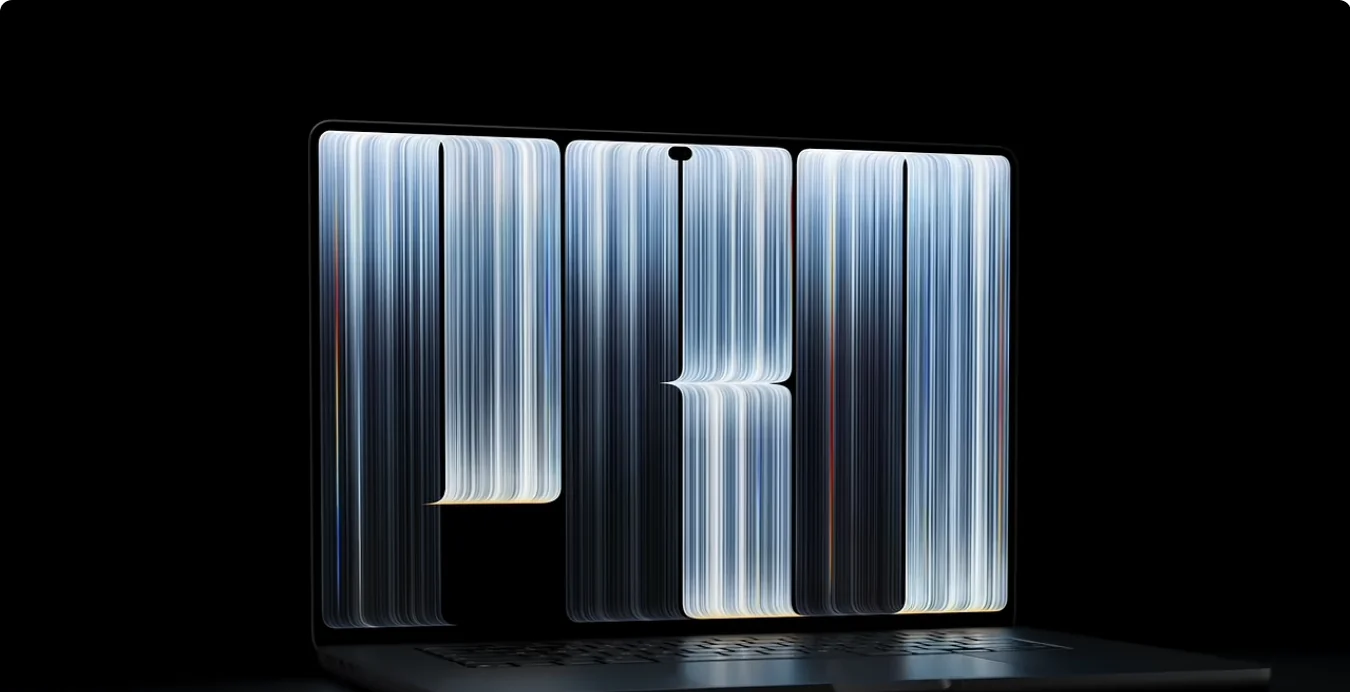
Apple’s first touchscreen MacBook Pro is here, and it brings an OLED display with it. The MacBook Pro with PROLED XDR Display swaps the mini-LED panel for tandem OLED, so picture quality takes a step up too.
Pre-orders opened in the US on Oct. 28, and the laptop arrives Nov. 6. The 14-inch model with M5 Pro starts at $2,899. The 14-inch MacBook Pro with M6, launched the same week, starts at $1,999. That $900 gap pays for more than the screen.
Tandem OLED: what changes on the MacBook Pro display
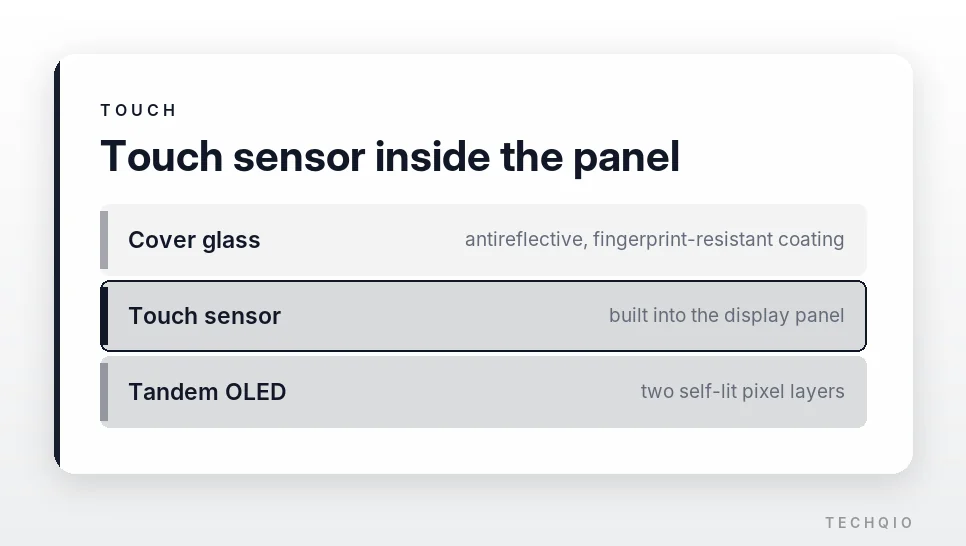
The display is the biggest change. PROLED XDR uses tandem OLED, which stacks two light-emitting layers. Unlike the mini-LED backlight behind the Liquid Retina XDR display, every pixel makes its own light, so blacks look deeper.
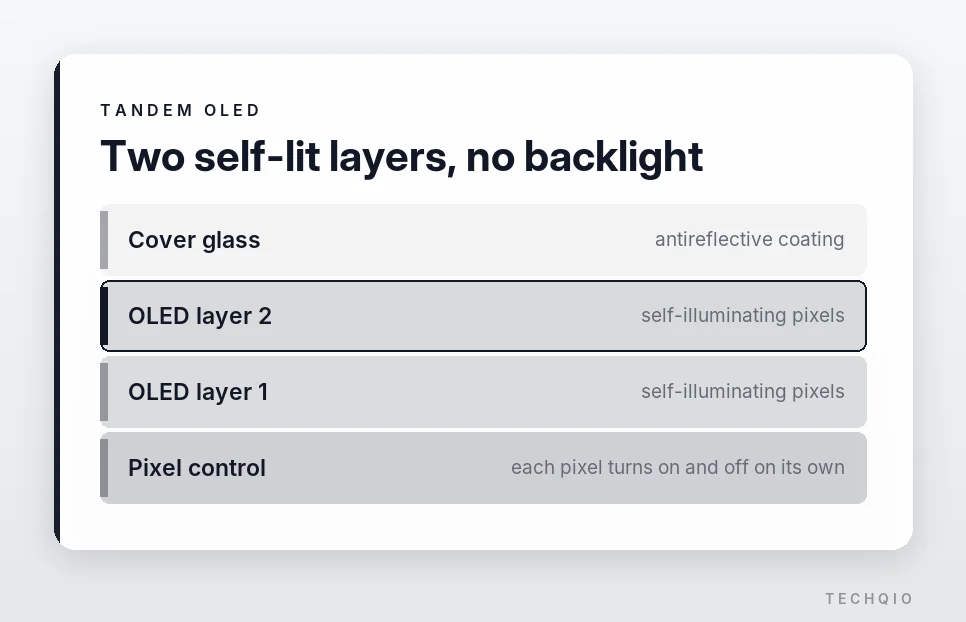
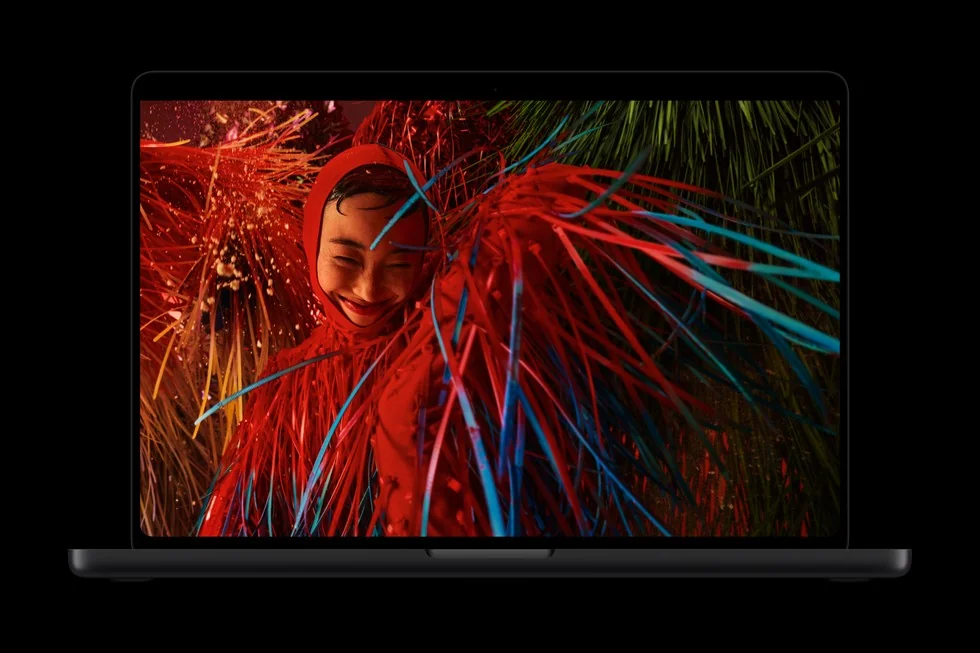
Mini-LED can show blooming, a glow that spreads around bright text or objects on a black background. OLED turns light off pixel by pixel, so that effect all but disappears, and the panel reaches a contrast ratio of 10 million to 1. You’ll see the difference in dark movie scenes or when you edit the shadows in a photo.
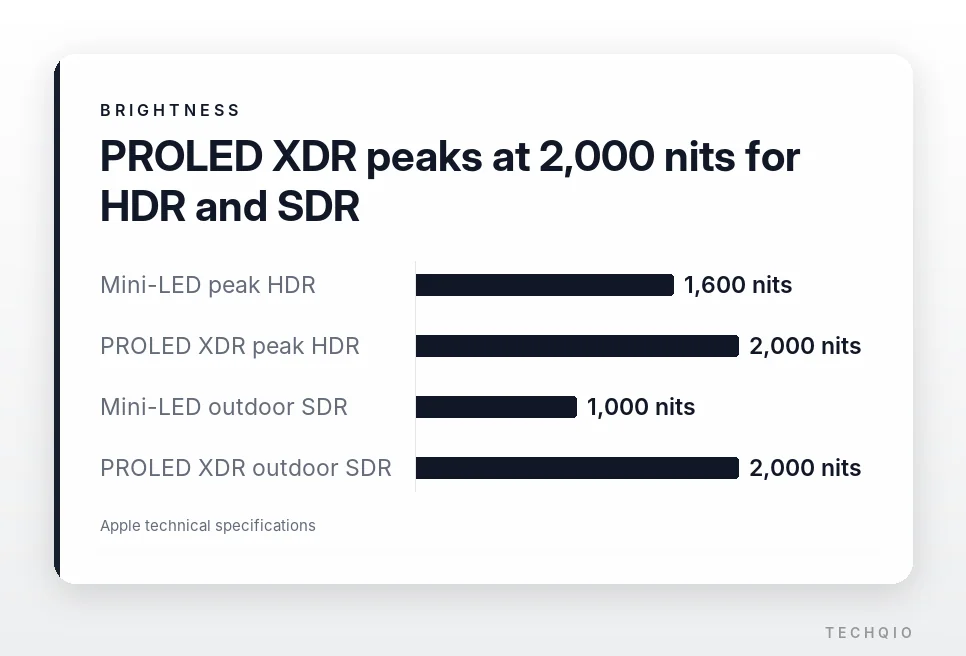
Brightness changed as well. The screen sustains 1,000 nits across the full screen and peaks at 2,000 nits for HDR content and for SDR outdoors. It also dims down to 1 nit, so you can fine-tune it in a dark room. The mini-LED model tops out at 1,600 nits for HDR.
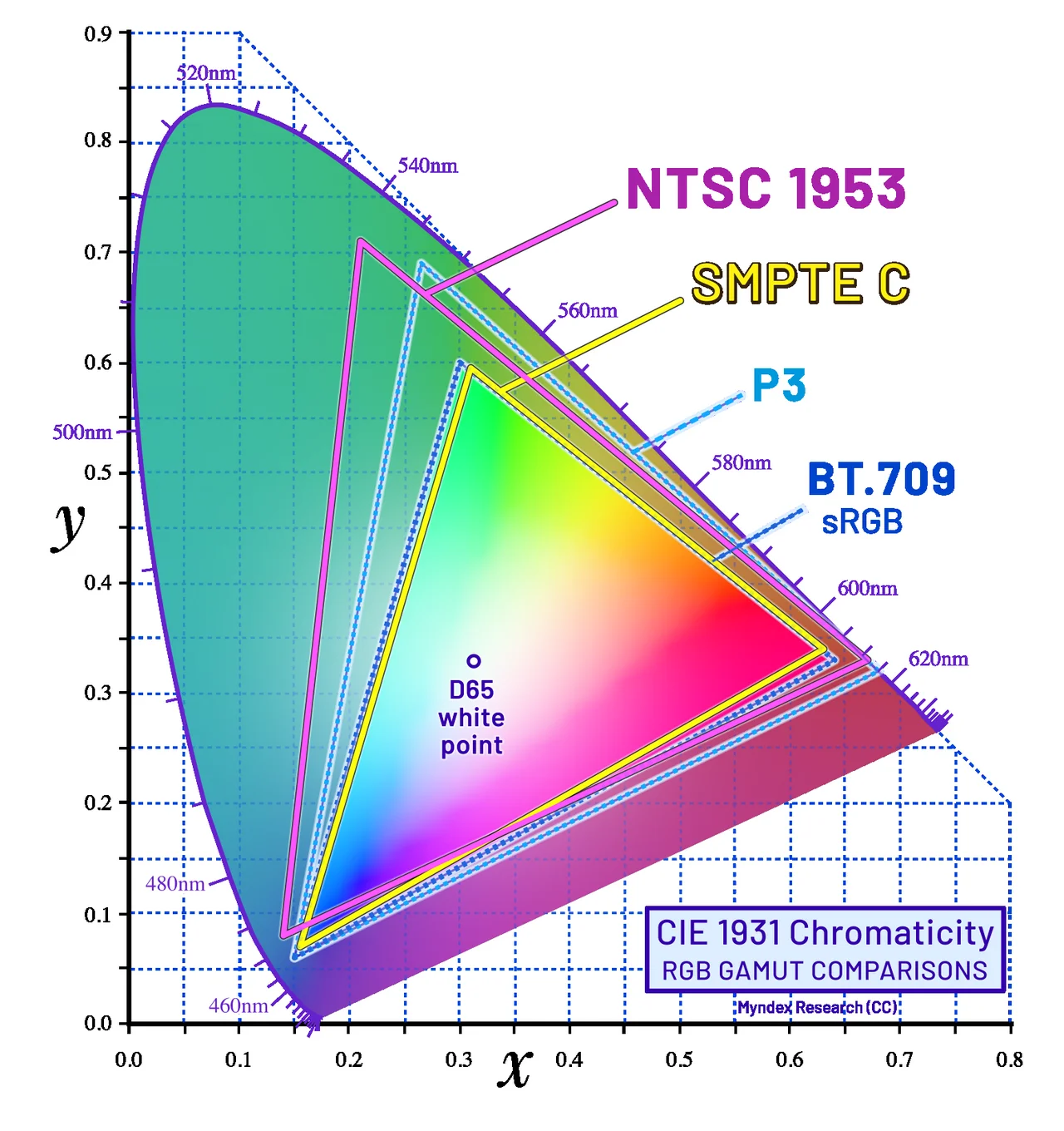
The color range is wider too. Alongside P3, the color space used for video work, the display covers Adobe RGB. That helps in photo retouching and print design, where color accuracy matters.
OLED burn-in is the one thing to keep an eye on. Apple added an algorithm that compensates for screen wear and a redesigned cooling system. Apple says the display engine tracks how much each pixel is used and adjusts for it over time. The new thermal design steers warm air away from the display.
macOS keeps many elements in the same spot for hours, like the menu bar and the Dock. So long-term durability still has to prove itself in real use.
Touch and the Dynamic Island come to the Mac
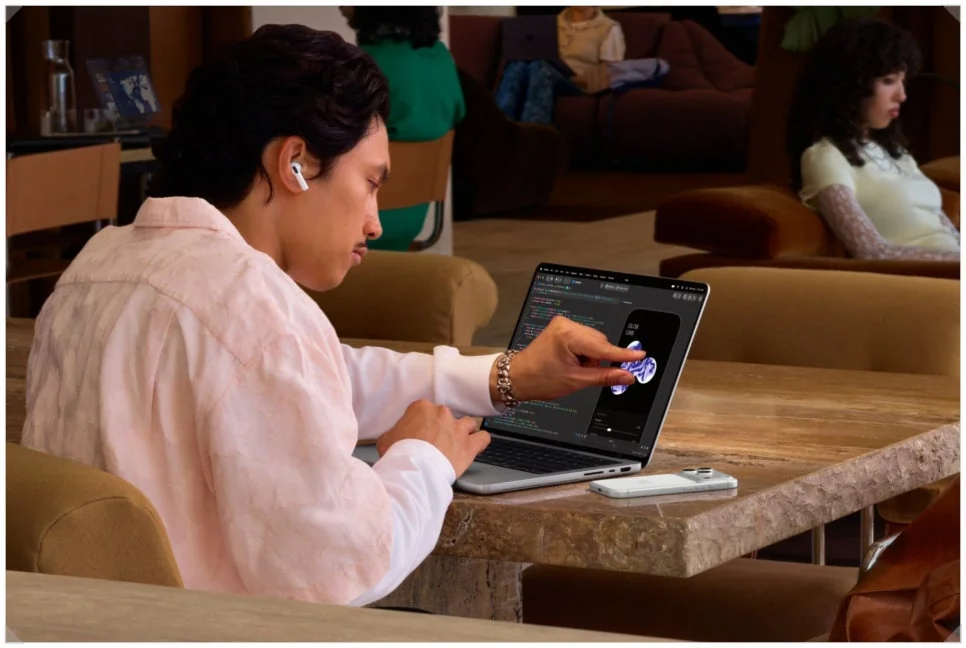
Now you can work the screen with your fingers. The touch sensor is built into the panel itself, and the hinge was redesigned so the display shakes less when you press it. The 12MP Center Stage camera also steadies your video while you touch the screen.
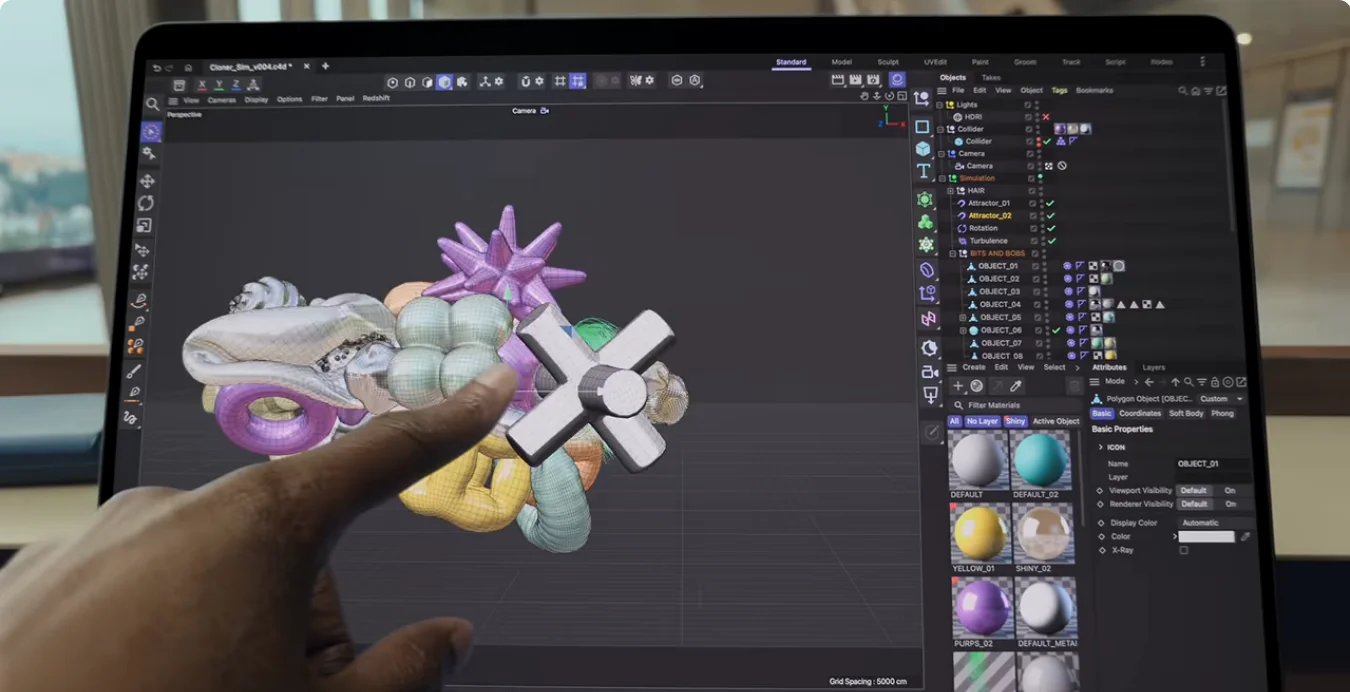
macOS 27 lets you use touch alongside the mouse and trackpad. A tap on the screen counts as a click, and two fingers zoom in on a photo or move it around. In Logic Pro you can play an onscreen keyboard or work the mixer. In Final Cut Pro you drag clips with a finger, and Pixelmator Pro lets you edit images by touch.
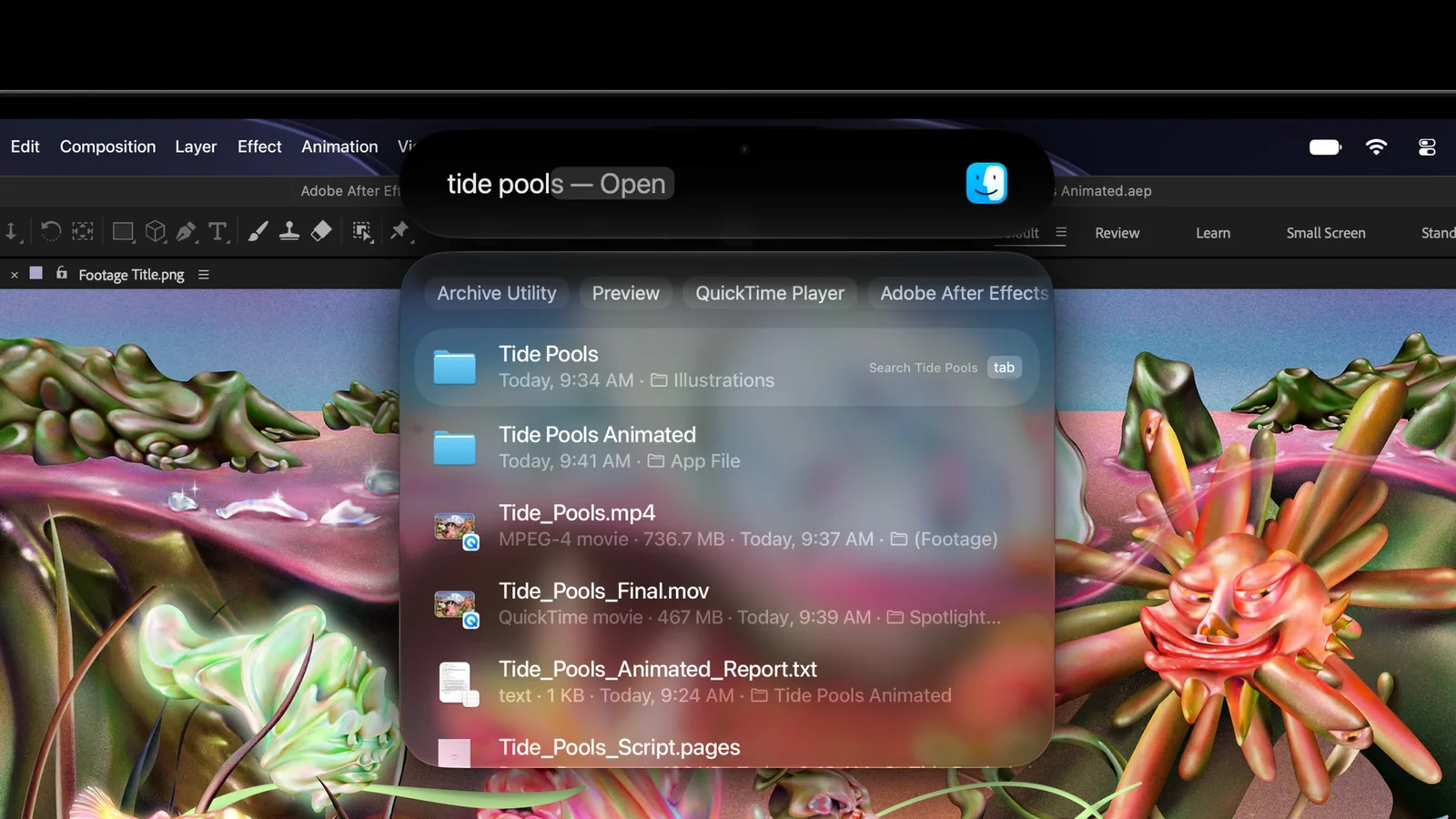
The camera area at the top gets the Dynamic Island, a first for the Mac. It shows what’s playing and how background tasks are progressing.
That still doesn’t make it an iPad. There’s no Apple Pencil support, and the screen doesn’t fold back 360 degrees. Reaching up to the screen for long stretches can also tire your arm or shoulder.
An anti-fingerprint, oil-resistant coating helps, but you’ll still be wiping off smudges. Biometric login stays with Touch ID on the power button rather than Face ID. Think of Touch as something you use when it helps, not as a replacement for the keyboard and trackpad.
MacBook Pro M6 vs M5 Pro: where the $900 goes
Going by chip names alone, M6 sounds like the better one. But M6 is the base chip of the newest generation, while M5 Pro and M5 Max are higher-tier chips built for heavy work. The two models differ in the display, and in processing power and ports too.
| Spec | 14-inch MacBook Pro with M6 | 14-inch MacBook Pro with PROLED XDR |
|---|---|---|
| Chip | Apple M6 | Apple M5 Pro / M5 Max |
| CPU | 12-core | 15- to 18-core |
| GPU | 12-core | 16- to 40-core |
| Display | Liquid Retina XDR (mini-LED) | PROLED XDR (tandem OLED) |
| Touchscreen | No | Multi-Touch |
| Camera area | Notch | Dynamic Island |
| Memory bandwidth | 153GB/s | 307GB/s to 614GB/s |
| Ports | Thunderbolt 4 | Thunderbolt 5 |
| US starting price | $1,999 | $2,899 |
Memory bandwidth shows one of the widest gaps. M6 has 153GB/s, M5 Pro has 307GB/s and M5 Max goes up to 614GB/s. Put simply, the processor can move more data at once. M6 with 24GB or 32GB of memory reaches 170GB/s, still well short of M5 Pro.
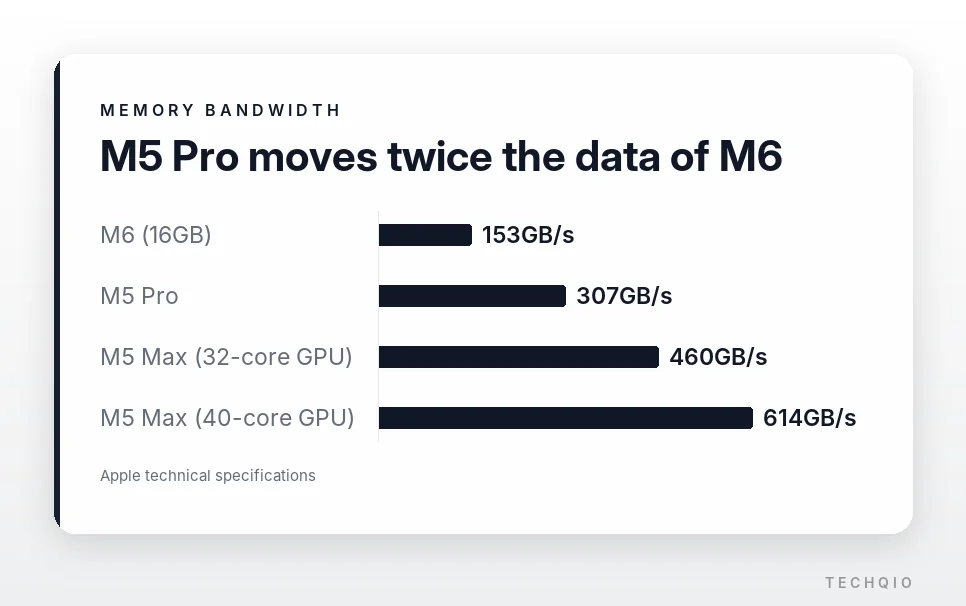
That helps when you edit several streams of 8K ProRes video or render complex 3D scenes. It also helps when you run large language models (LLMs) on the laptop. Real performance also depends on memory size and how well the software is optimized, though.
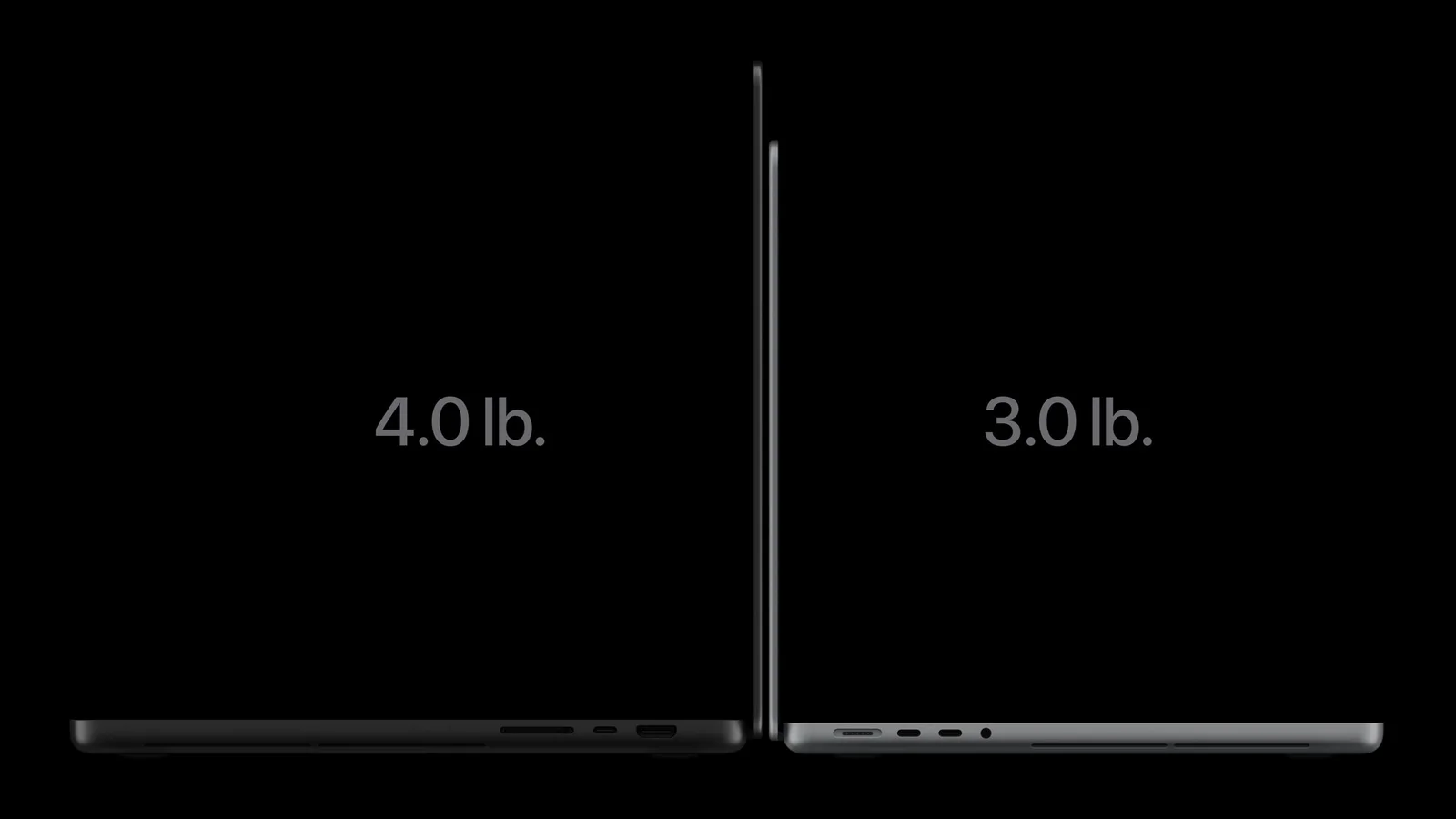
The 14-inch model weighs 1.38 kg (3.0 lb) and the 16-inch 1.82 kg (4.0 lb), about 220 g (0.5 lb) and 320 g (0.7 lb) lighter than before. Thunderbolt 5 also helps when you connect external SSDs or high-resolution monitors.
So the $900 gap isn’t only about OLED. Processor performance, memory bandwidth, ports and the touchscreen all differ.
Who needs the OLED touchscreen MacBook Pro?
If you edit photos or video for a living, the PROLED XDR model is worth a look. Deep OLED blacks and Adobe RGB support help with color work, and 2,000 nits of peak brightness makes it usable outdoors.
If you make music or edit video often, the touchscreen earns its keep too. Playing virtual instruments in Logic Pro or moving clips with a finger in Final Cut Pro is a different kind of convenience than a trackpad.
If your work is mostly documents, browsing and coding, the M6 base model may be all you need. With a keyboard and mouse in front of you, you won’t touch the screen much. The Liquid Retina XDR display is already excellent, so there’s no need to go out of your way for OLED.
Which MacBook Pro should you buy?
Start with what slows you down today, not the chip name. If it’s moving data, like several 8K streams, big 3D scenes or local LLMs, the M5 Pro’s 307GB/s matters more than the screen. M6 tops out at 170GB/s even with 32GB of memory.
If it’s the screen itself, like color grading, retouching or playing instruments onscreen, the PROLED XDR display and Touch are what the extra $900 buys. If neither describes your day, the M6 model keeps that $900 in your pocket.
Related reading
- iPad mini 8 Price and Specs: How the 128GB and 512GB Models Differ
- iPhone Duo Screen Cracks: Is the Hinge to Blame?