
BYD Solid-State Battery in 2027? What the 1,000-Car Trial Really Means
Key takeaways
- BYD’s first solid-state EV is expected in 2027, with a roughly 1,000-car validation run rather than mass-market sales.
- Large-scale production is targeted around 2030. FinDreams aims for about 400 Wh/kg sulfide cells.
- The Denza Z9 GT’s five-minute charging uses the LFP Blade battery, not solid-state.

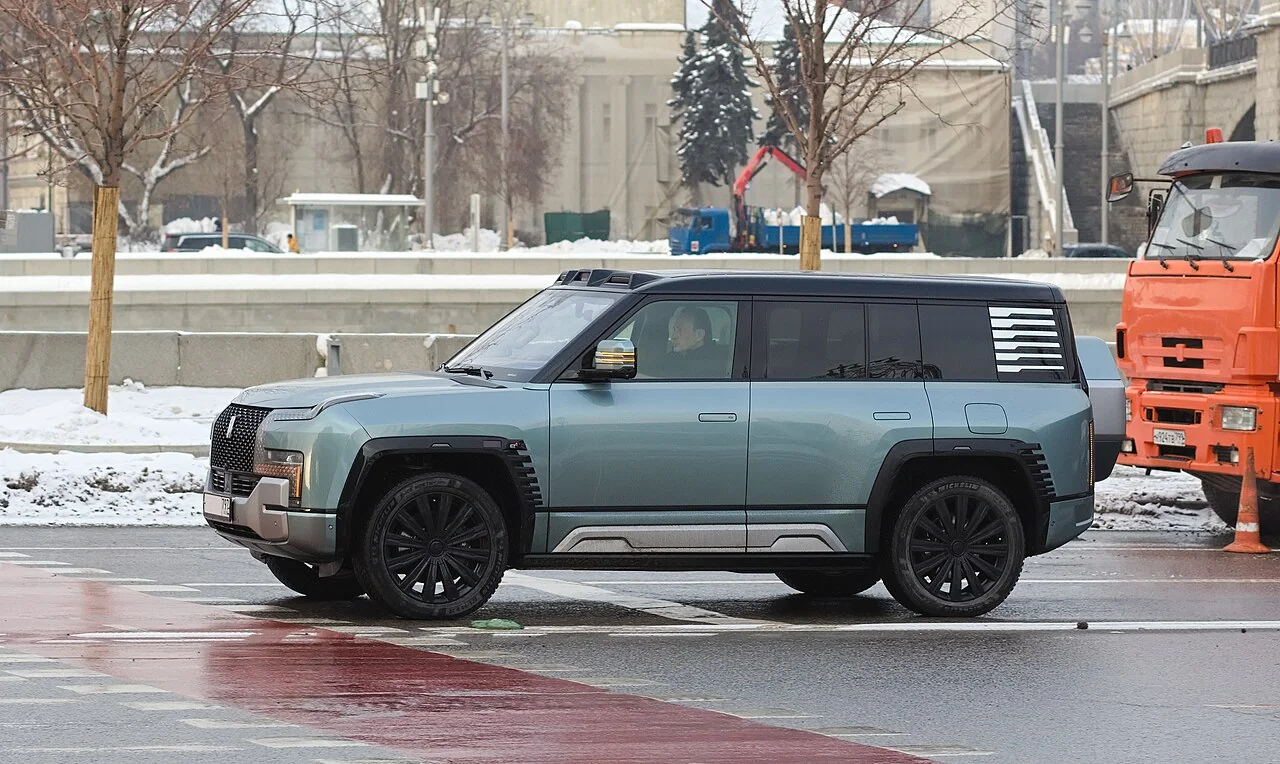
The first car with a BYD solid-state battery is due in 2027, the company says. That sounds like solid-state EVs are about to go on sale, but the plan is a validation run of about 1,000 vehicles. Large-scale production is targeted around 2030.
The plan is also easy to confuse with BYD’s five-minute ultra-fast charging, which has been in the news at the same time. The two are separate technologies.
The BYD solid-state battery in 2027: a trial, not mass production
In an interview reported in September 2026, BYD Executive Vice President Stella Li spoke to Spain’s Carwow.es. She said the company would present its first model using solid-state battery technology in 2027.
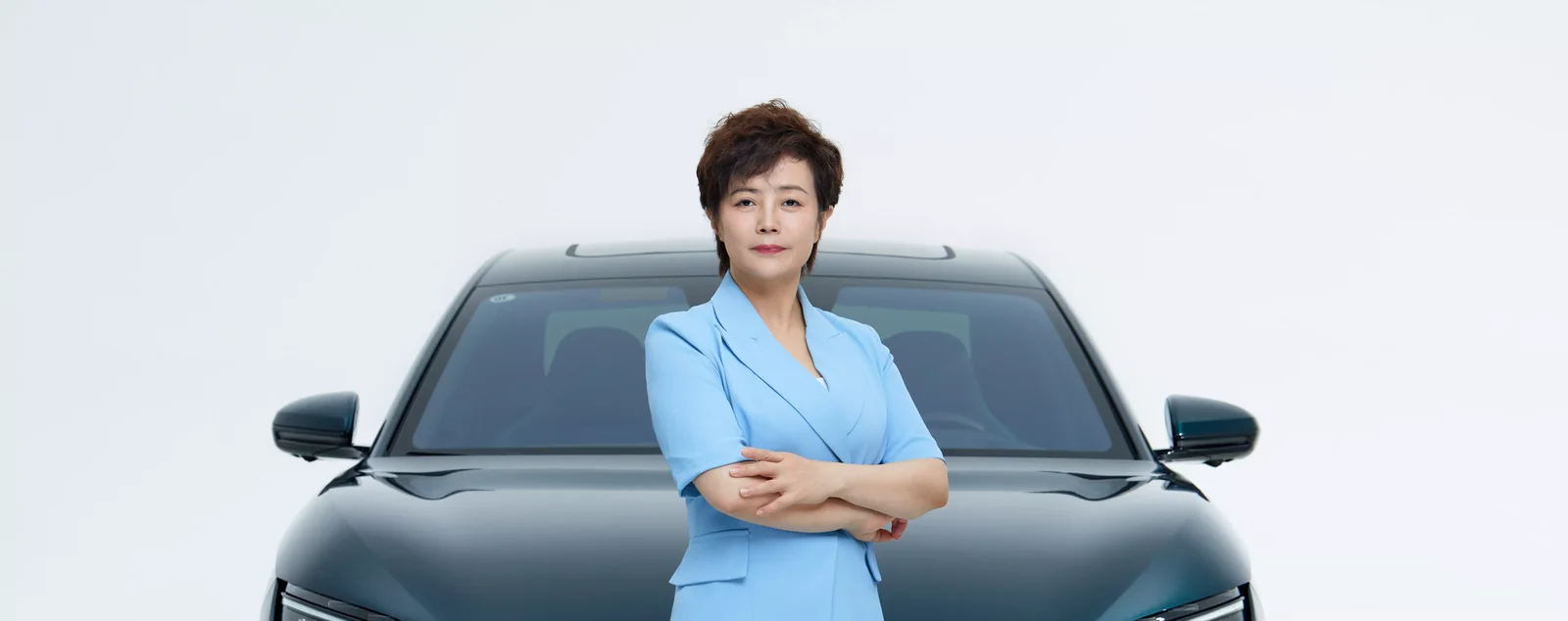
That does not mean showrooms will fill with solid-state EVs that anyone can buy starting in 2027. Sun Huajun is CTO of BYD’s battery business FinDreams. The roadmap he has laid out puts small-batch trials of roughly 1,000 vehicles around 2027 and large-scale commercial production around 2030.
A trial at that scale is still an early stage compared with regular production cars built by the hundreds of thousands. It means putting the batteries into real cars and driving them to check durability, safety and charge and discharge behavior.
BYD has said it built a 60 Ah solid-state prototype cell on a pilot line in 2024. The program is gradually moving from making prototype cells to testing them in real vehicles.
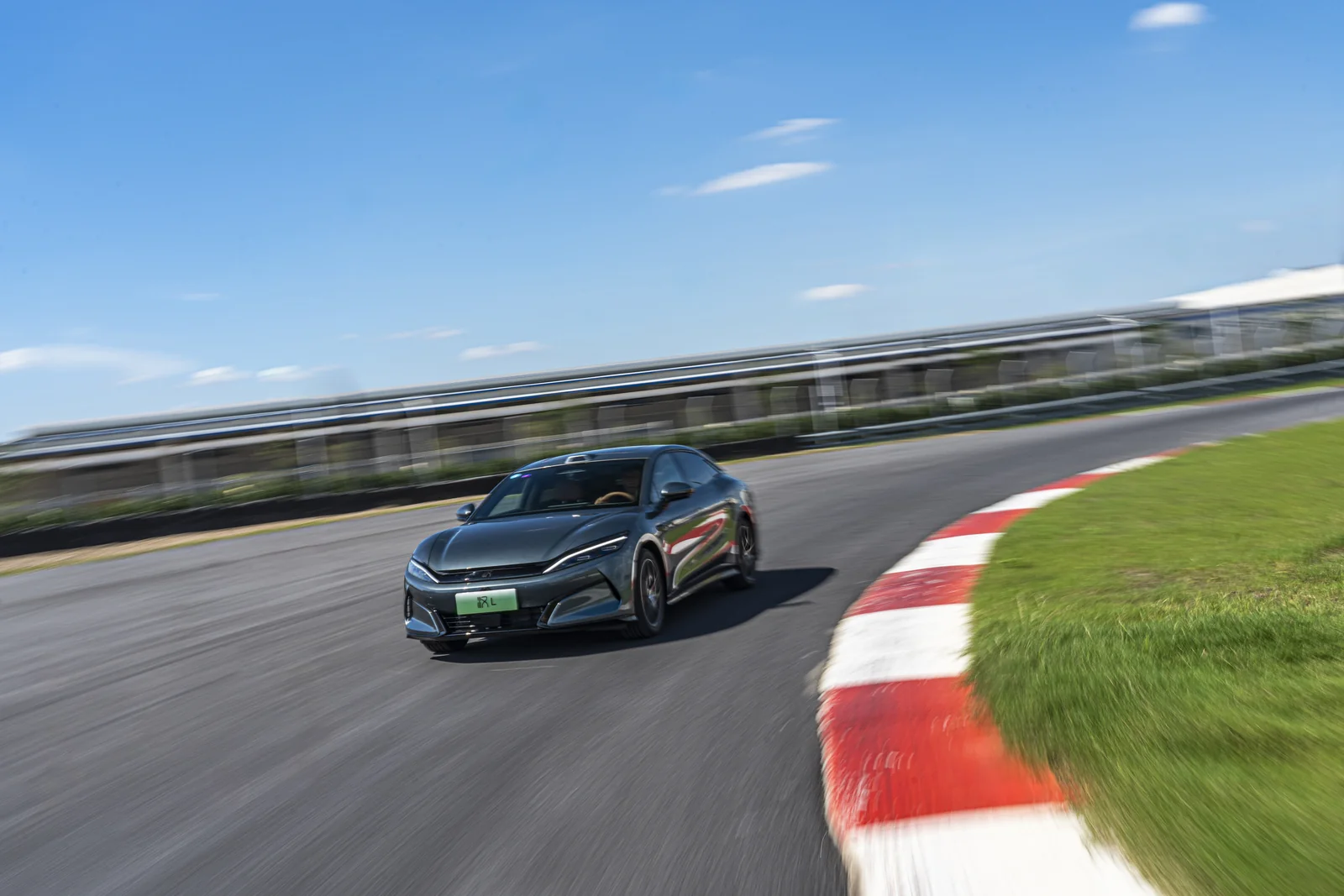
BYD Chief Scientist Lian Yubo also expects solid-state and today’s liquid-electrolyte batteries to be used side by side for a long time. CarNewsChina reported that span as 15 to 20 years. Even when solid-state batteries arrive, the LFP and NCM batteries widely used today will not be replaced overnight.
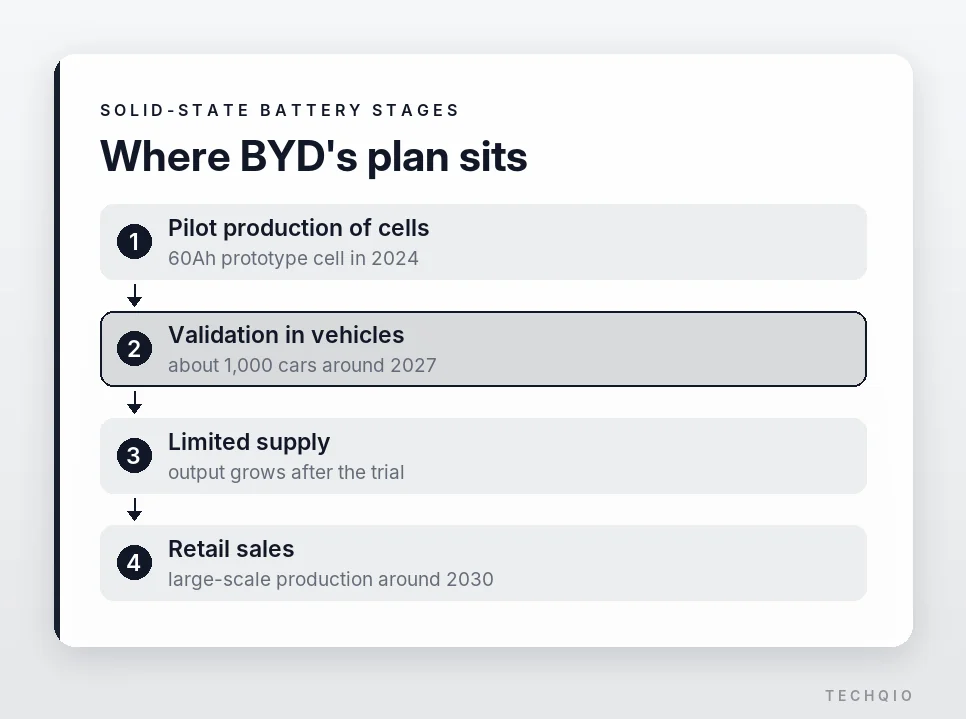
Samsung SDI targets mass production in 2027. Toyota, with Idemitsu, targets a 2027-2028 launch. These and other companies also point to around 2027 as a key point for solid-state batteries. The same year can mean very different things, though. That is because these are separate stages:
- Pilot production of cells
- Validation in vehicles
- Limited supply
- Retail sales
The problems sulfide solid-state batteries still have to solve
FinDreams is developing the BYD solid-state battery around a sulfide solid electrolyte. Prototypes of 20 Ah and 60 Ah are known, and the target at the cell level is a high energy density of about 400 Wh/kg.
Storing more energy in the same weight means more range without a bigger battery, or the same range with a lighter battery. That is one of the main reasons solid-state batteries get so much attention.
Interface gaps and pack pressure
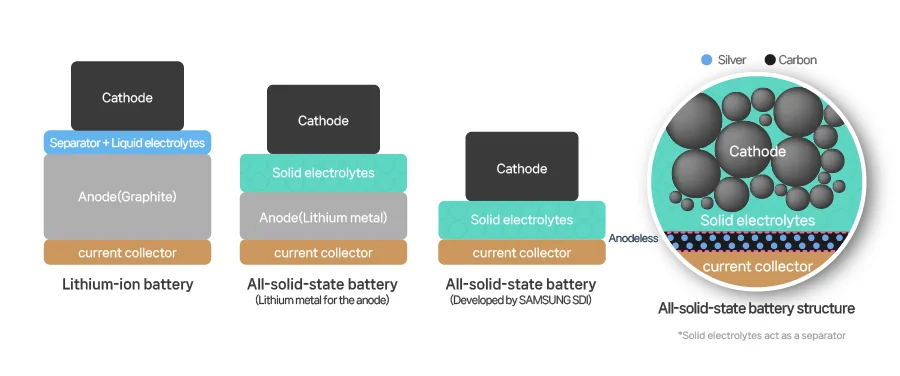
The question is whether that performance can last in a real car. A liquid electrolyte seeps into even the tiny gaps between electrodes, so contact area is relatively easy to secure. In a solid-state battery, solid electrodes and a solid electrolyte touch directly, and even a small gap can raise resistance.
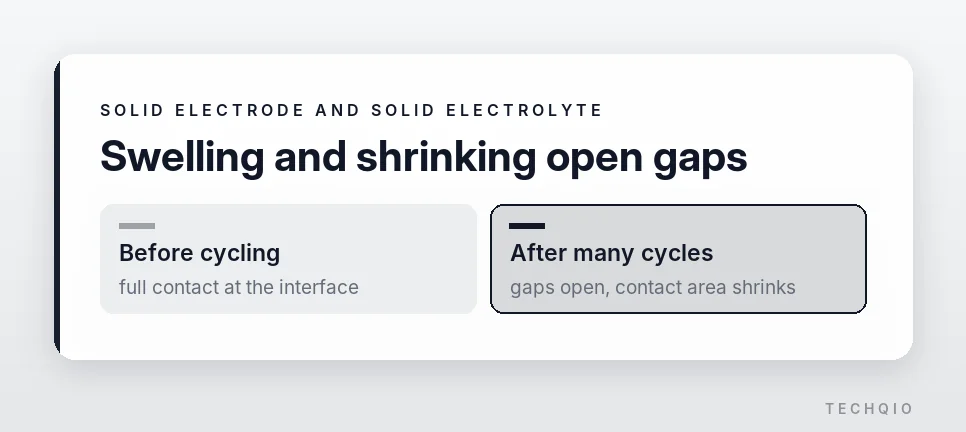
Electrode volume also changes slightly with every charge and discharge. As the electrodes keep swelling and shrinking, gaps can open between them and the solid electrolyte. That cuts contact area and raises internal resistance, which can affect power output and battery life.
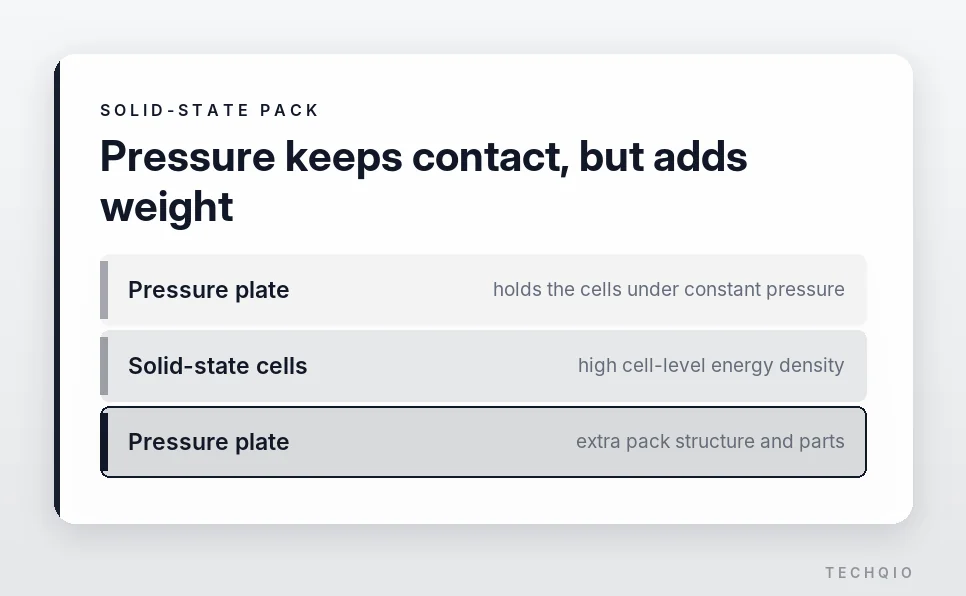
That is why some solid-state batteries keep the cells under constant pressure to maintain contact. Adding the pack structures and parts that this requires, though, can cut into the advantage. Even with high cell-level energy density, the finished pack gets heavier.
Lithium dendrites
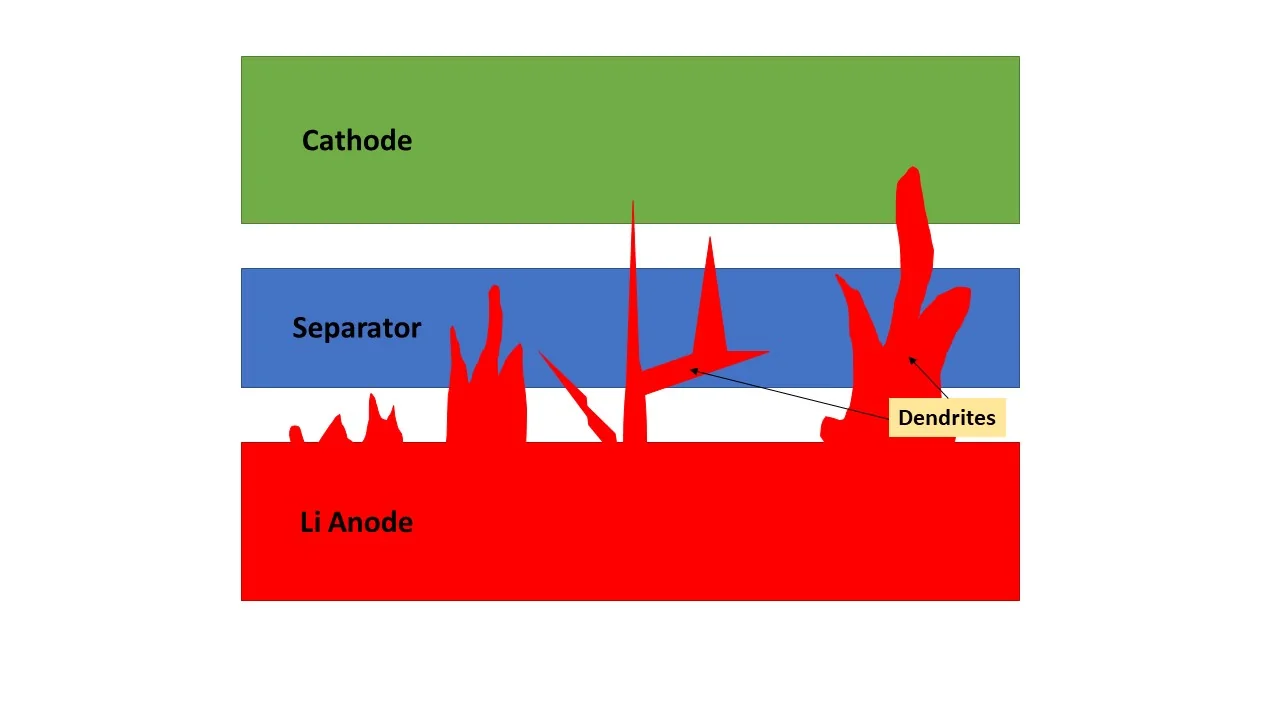
Lithium dendrites are another unsolved problem. If lithium builds up unevenly during charging and grows like tree branches, it can push into the solid electrolyte and cause an internal short circuit. Suppressing this reliably matters even more when charging speed and power output go up.
Moisture and dry rooms
Sulfide electrolytes are also sensitive to moisture. LPSC (lithium phosphorus sulfur chlorine) materials can lose performance when exposed to moisture and may release hydrogen sulfide (H₂S). Humidity has to be kept extremely low during manufacturing as a result.
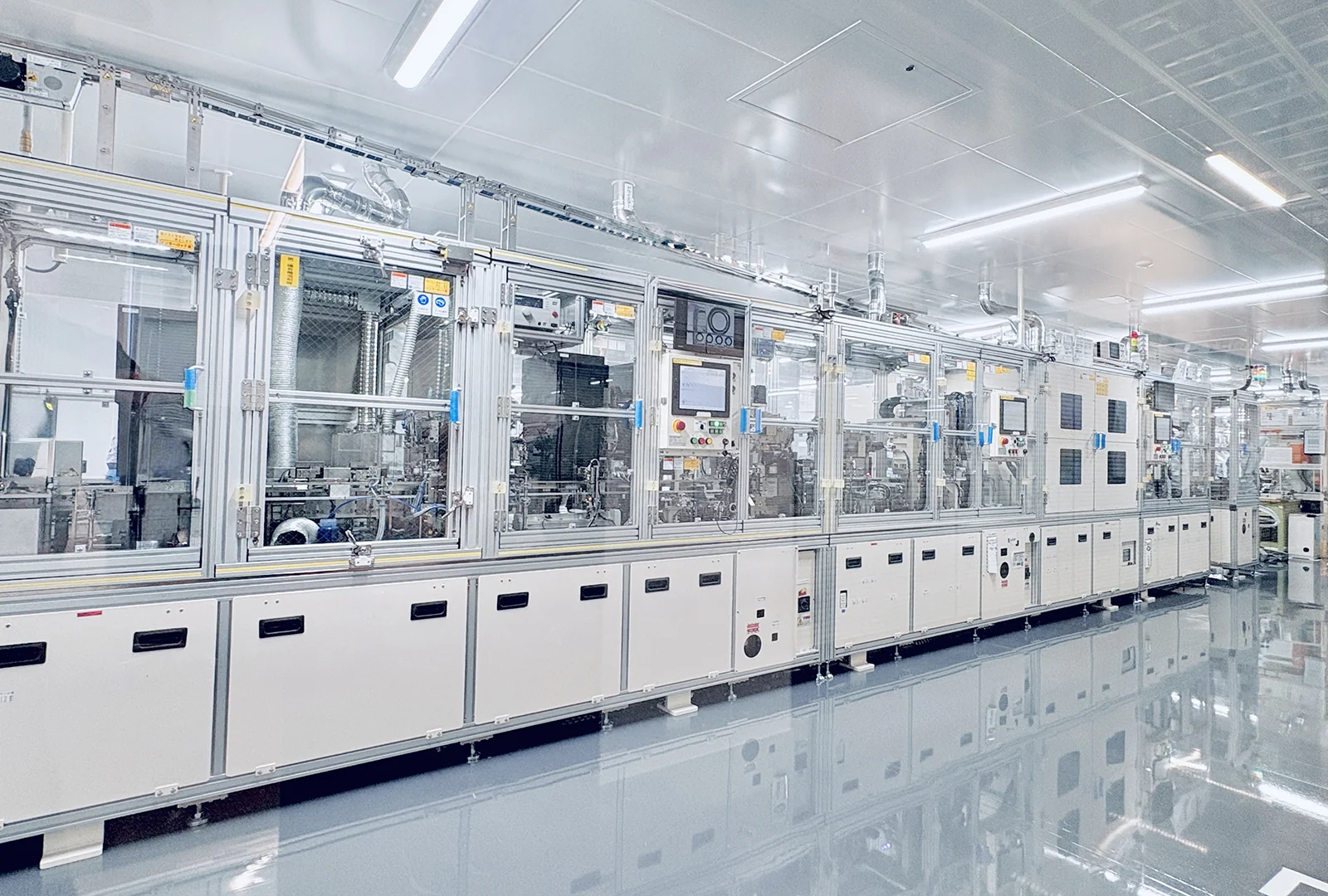
Good cell materials alone are not enough. The production line needs dry rooms, suitable equipment and quality control as well. These demanding manufacturing conditions are one reason early solid-state batteries are expensive to produce.
The Denza Z9 GT’s five-minute charging is a different technology
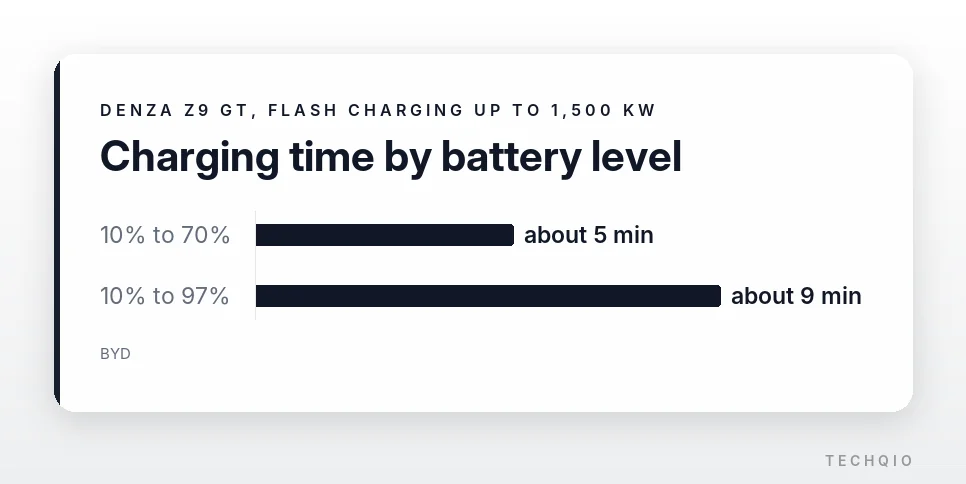
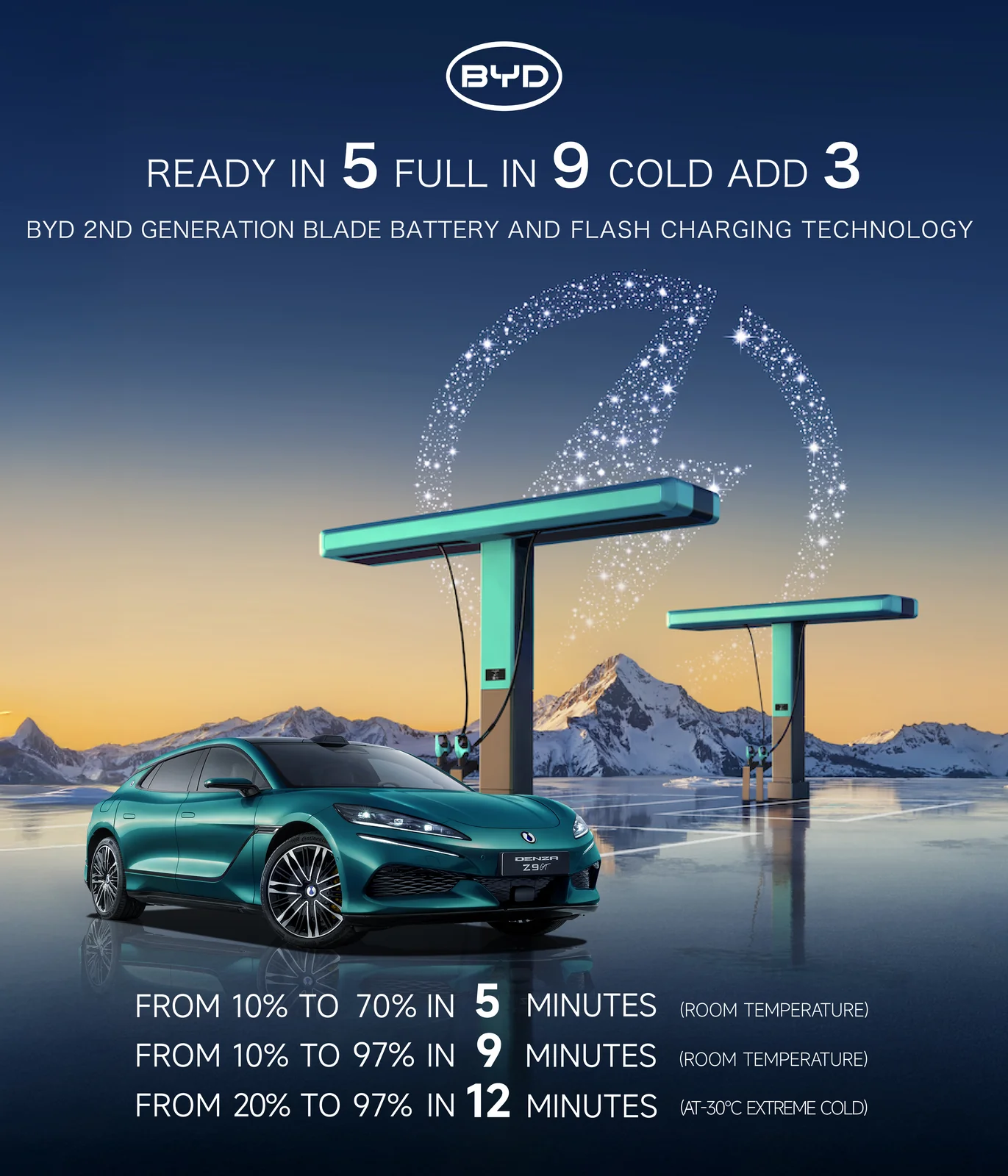
Ultra-fast charging is the most confusing part of the recent BYD news. The Denza Z9 GT uses FLASH Charging. It takes the battery from 10% to 70% in about five minutes and from 10% to 97% in about nine minutes. Those times come from BYD’s FLASH Charging announcement. Charging that fast can make it seem like a solid-state battery is inside, but it is a separate technology.
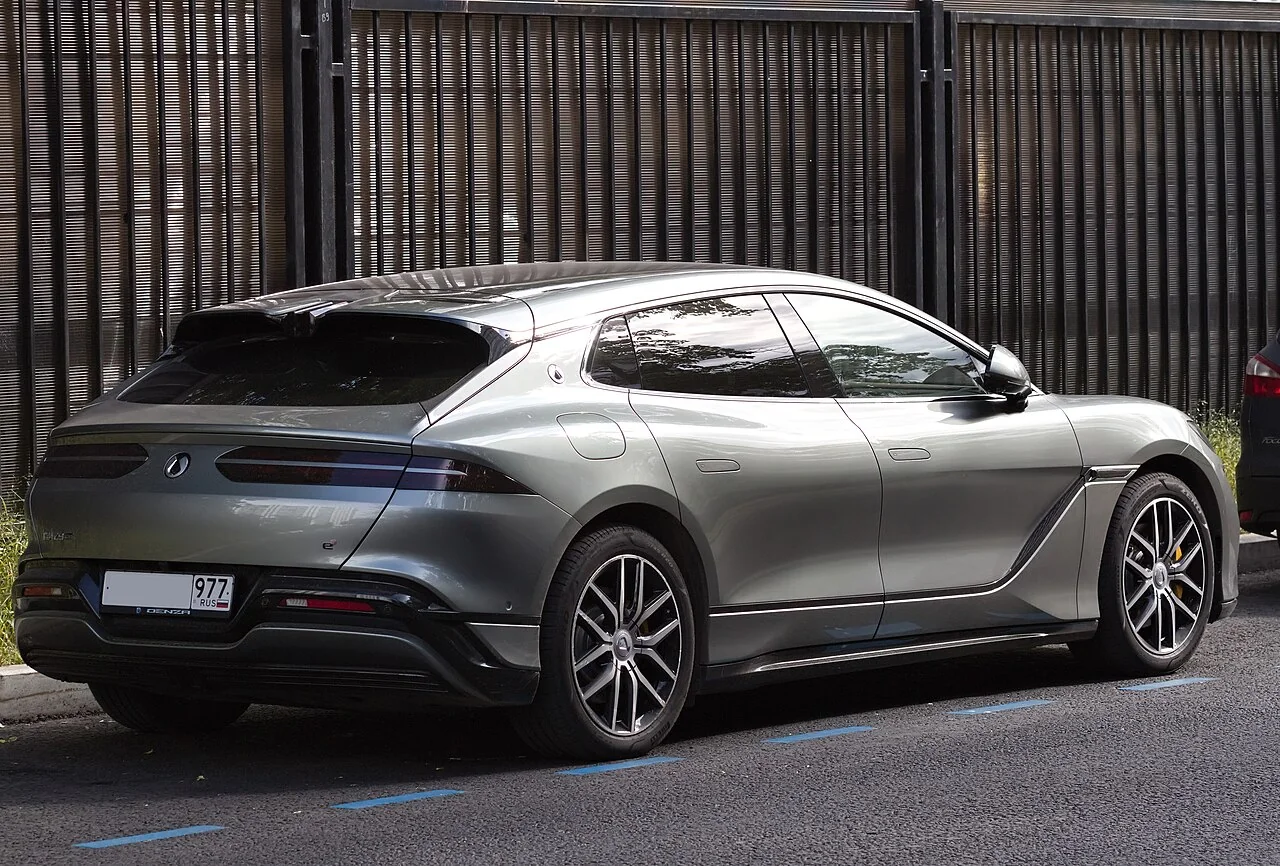
The Z9 GT uses the second-generation Blade battery. It keeps an LFP-based chemistry and reaches its charging speed by pairing it with FLASH Charging chargers of up to 1,500 kW.
BYD improved ion movement inside the battery, the electrode structure and thermal management. That lets the battery take in a lot of power in a short time. The easiest way to think of it is not a switch to solid-state, but a liquid-electrolyte battery whose charging performance has been pushed further.
Solid-state batteries still in development, by contrast, have open problems with ultra-fast charging. The higher the current, the harder it is to keep the interface stable. If lithium does not deposit evenly, dendrites are more likely to grow.
So BYD’s five-minute charging and its 2027 solid-state battery are best kept apart. The shorter charging time drivers can feel now comes from the Blade battery. The solid-state battery is still at the stage of proving its energy density and durability in real cars.
| Item | Second-generation Blade battery | FinDreams solid-state battery |
|---|---|---|
| Electrolyte | Liquid electrolyte | Sulfide solid electrolyte |
| Main focus | Fast charging and mass production | High energy density, next-generation use |
| Energy density | Based on existing LFP | Target of about 400 Wh/kg |
| Charging | 10% to 70% in about 5 minutes | High-current charging still being validated |
| 2027 | Wider use in production cars | Expected in small validation batches |
| After that | Charging network expansion | Large-scale use targeted after 2030 |
Why BYD can start real-car validation quickly
Plenty of problems remain, yet BYD is preparing to put solid-state batteries in cars starting in 2027. Developing batteries and vehicles together helps that schedule.
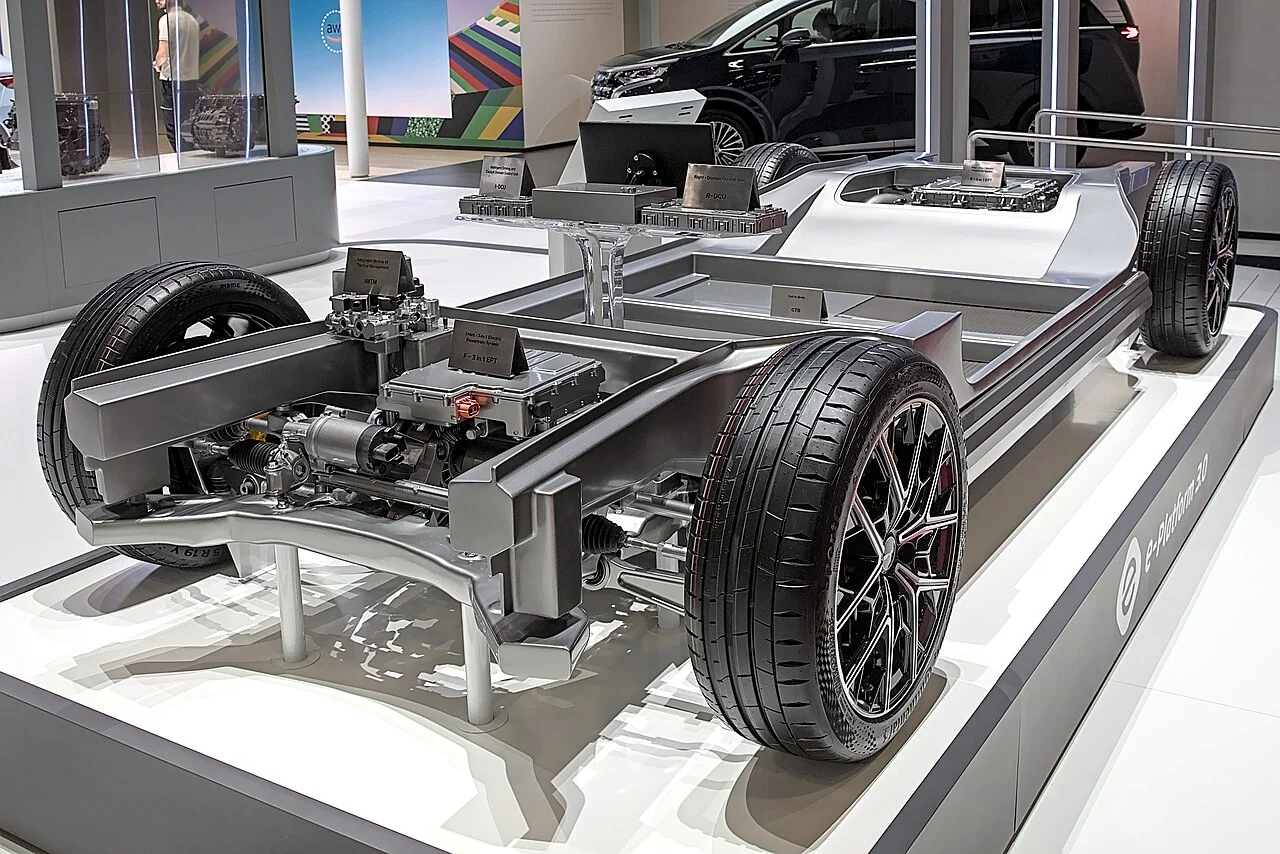
Cells, packs and bodies from one company
Beyond its cars, BYD develops battery cells and packs itself through FinDreams. Compared with automakers that buy cells from outside suppliers, it is relatively easy for BYD to adjust the battery structure and the vehicle platform at the same time.
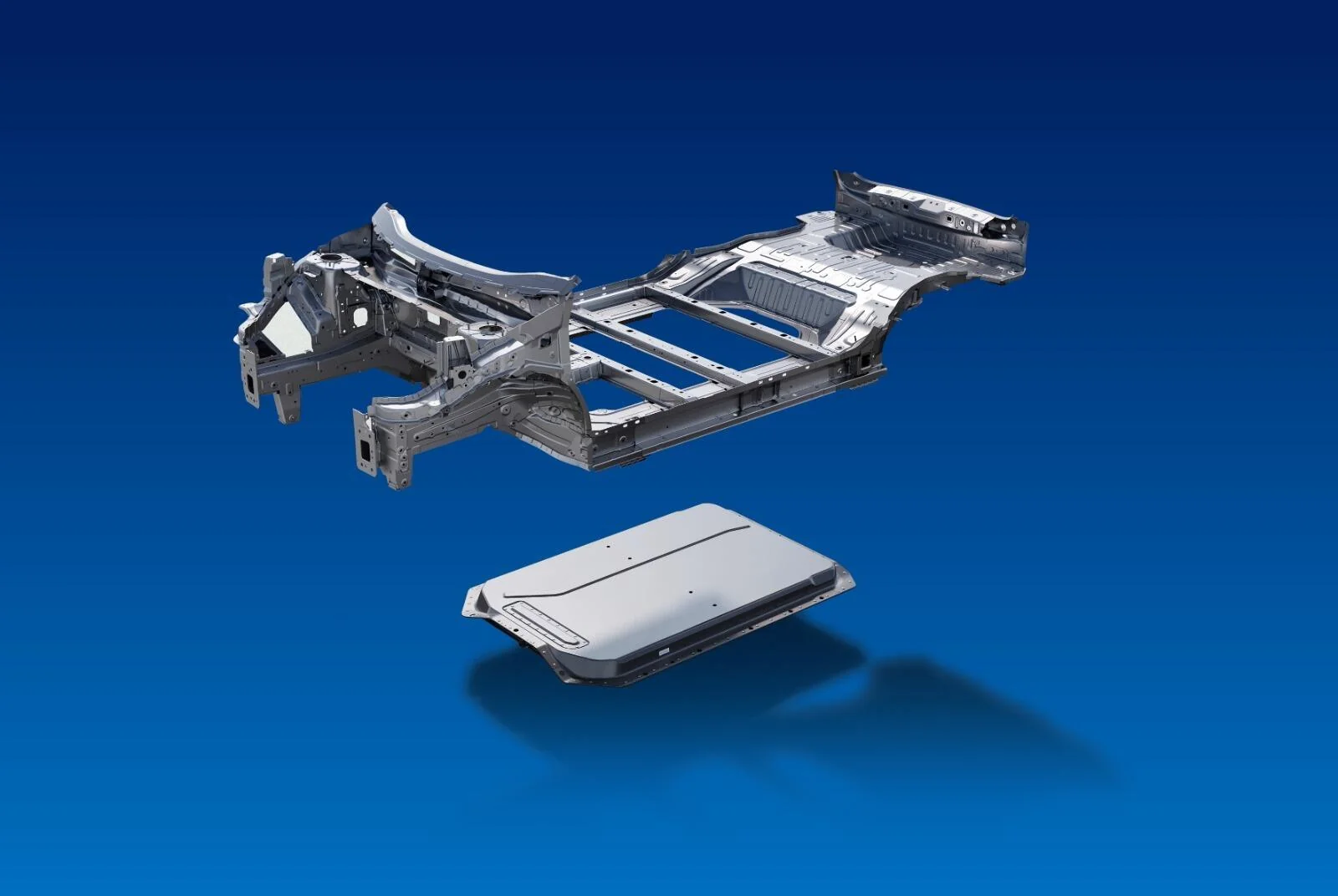
Keeping the solid electrolyte in contact requires thinking about pack stiffness and pressure together. BYD already uses CTB (Cell-to-Body), which joins the battery to the body structure. So it can design the cells, the pack and the body as one.
That approach can partly offset the energy-density loss from extra structural parts. How much weight and space it can really save in a production car will only be clear once the batteries are in real vehicles.
Premium brands first
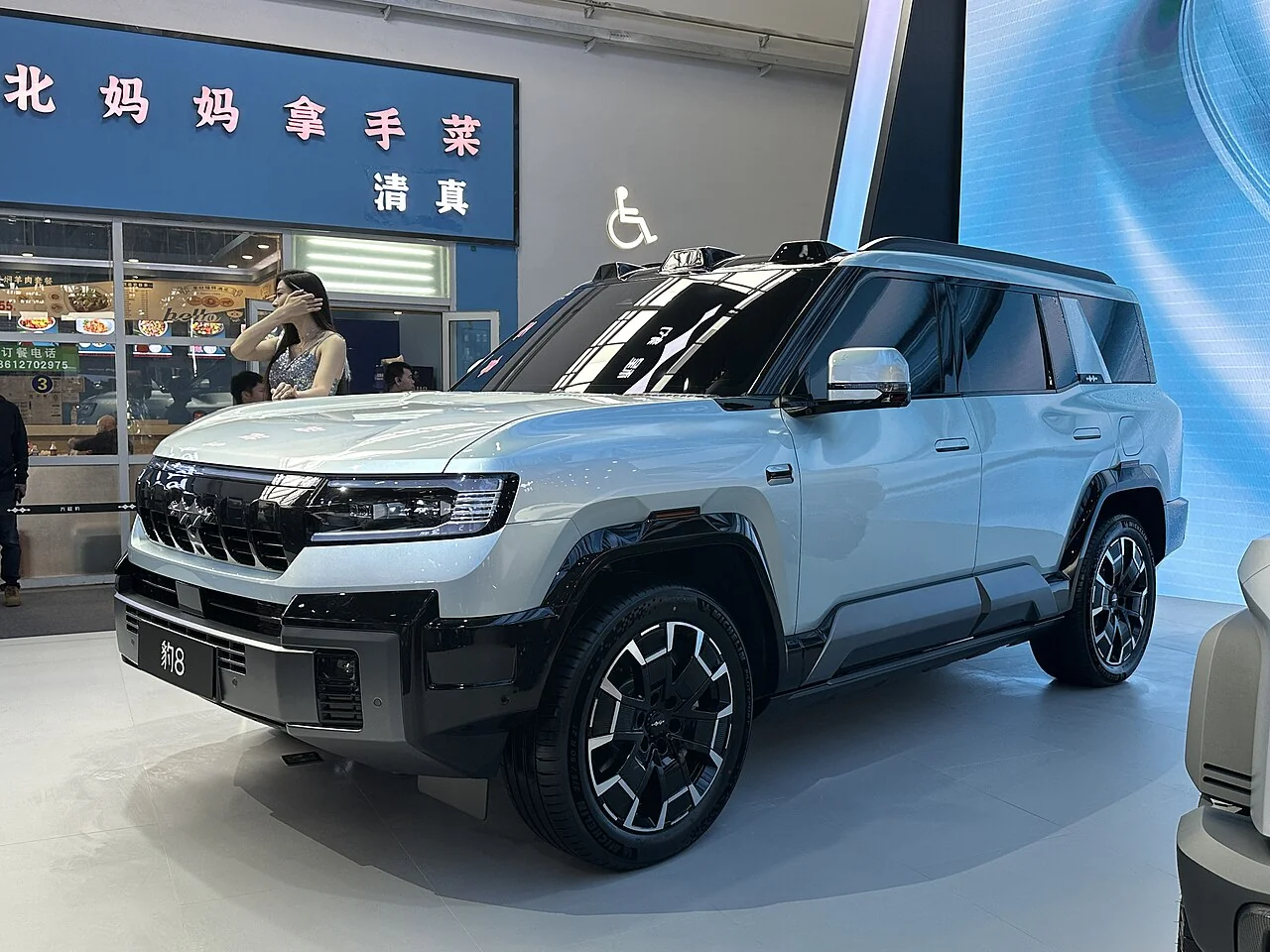
This is also why higher-end models are mentioned as the first candidates. BYD runs premium brands including Yangwang, Denza and Fang Cheng Bao. While early output is small and battery costs are high, it is easier to absorb the cost by introducing new technology on these expensive models before mass-market ones.
Data from 1,000 real cars
The driving data from 1,000 real cars matters too. A lab can hold temperature and vibration at set conditions, but real roads are far more complex. These all keep acting on the battery:
- Road shocks and vibration
- Summer heat and winter cold
- Repeated fast and slow charging
- Each driver’s own acceleration and braking
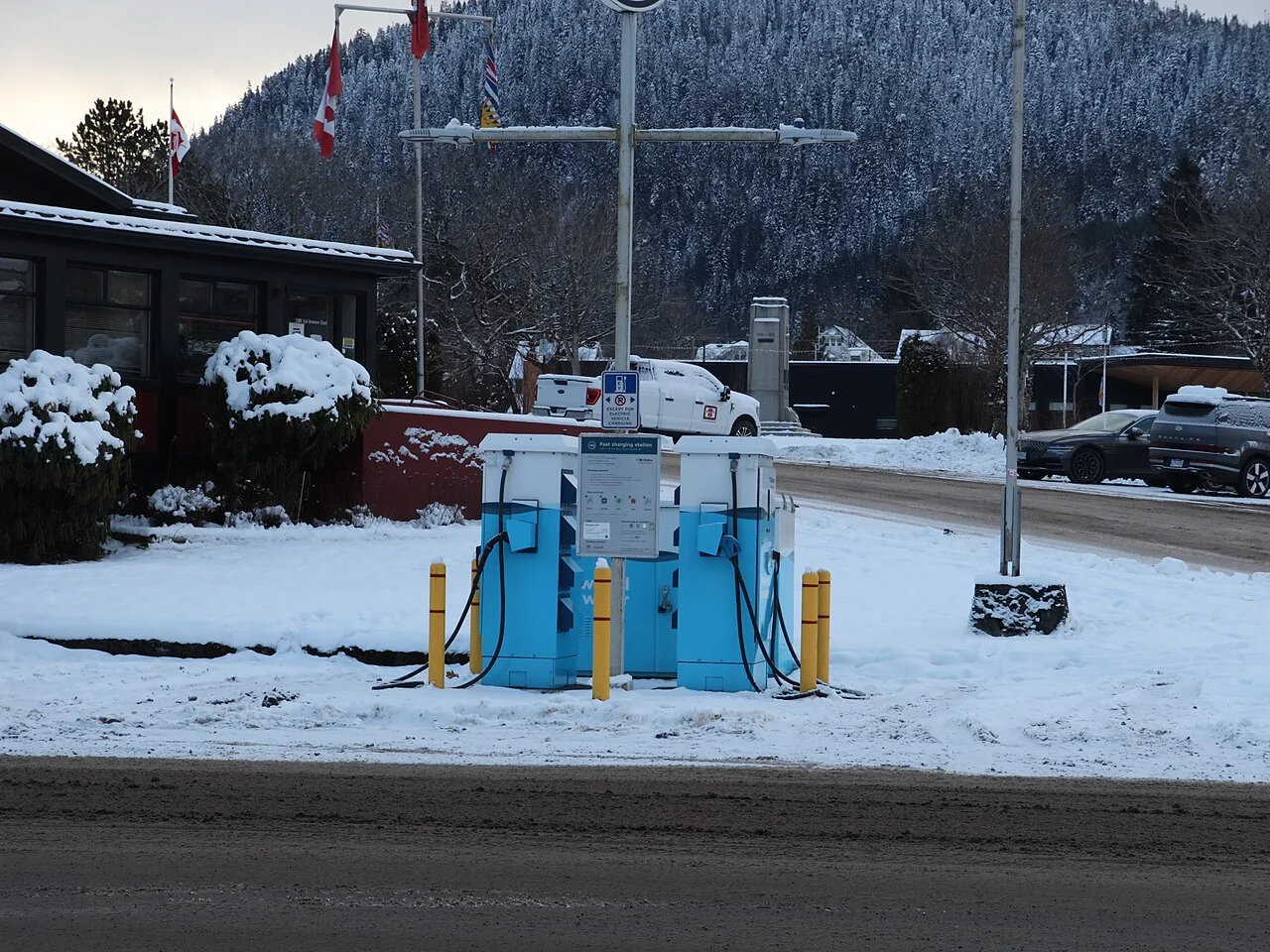
For solid-state batteries, how stably the electrodes and solid electrolyte stay in contact is especially important. How interface resistance and cell-to-cell variation change after high-mileage driving can only be seen by running real cars for a long time.
If BYD can feed the battery temperature, charge and discharge records, mileage and degradation data from about 1,000 cars back into cell and pack design, it can use them to prepare for large-scale production after 2030.
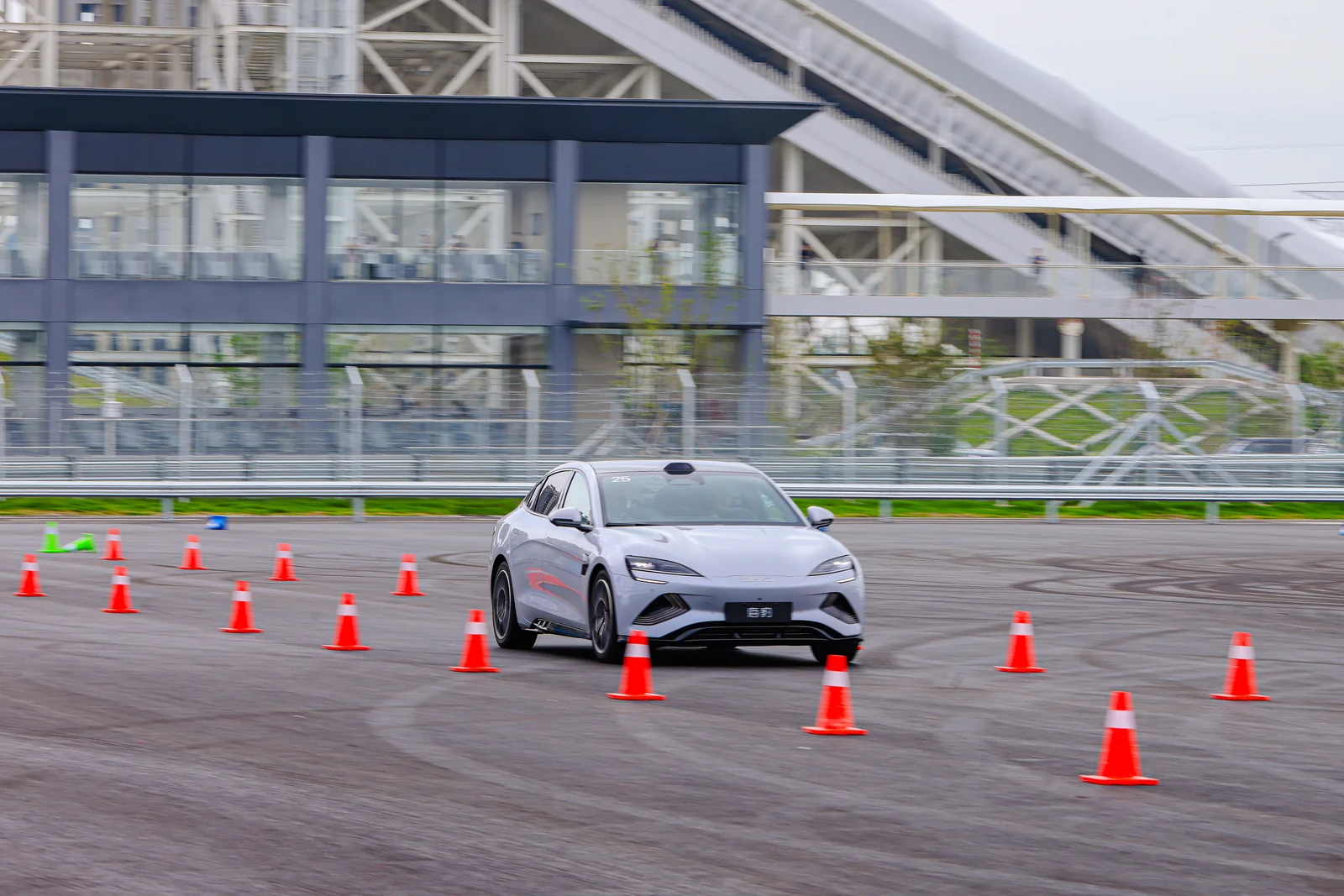
What to watch after 2027
If a BYD solid-state car does appear in 2027, the first thing to check is how it is being used, not just the fact that it launched.
First, can ordinary customers buy it? Whether it is a production model anyone can order and take delivery of, or a validation vehicle supplied to selected users or for testing, changes what the launch means.

Second, how durable is it on real roads? It needs to show that cell pressure and interface condition hold up after long drives and vibration, and that performance loss stays under control in cold weather and with fast charging.
Battery warranty terms are worth a look as well. Whether BYD can offer warranty periods and mileage similar to today’s EVs is one way to judge how close solid-state batteries are to real commercial use.
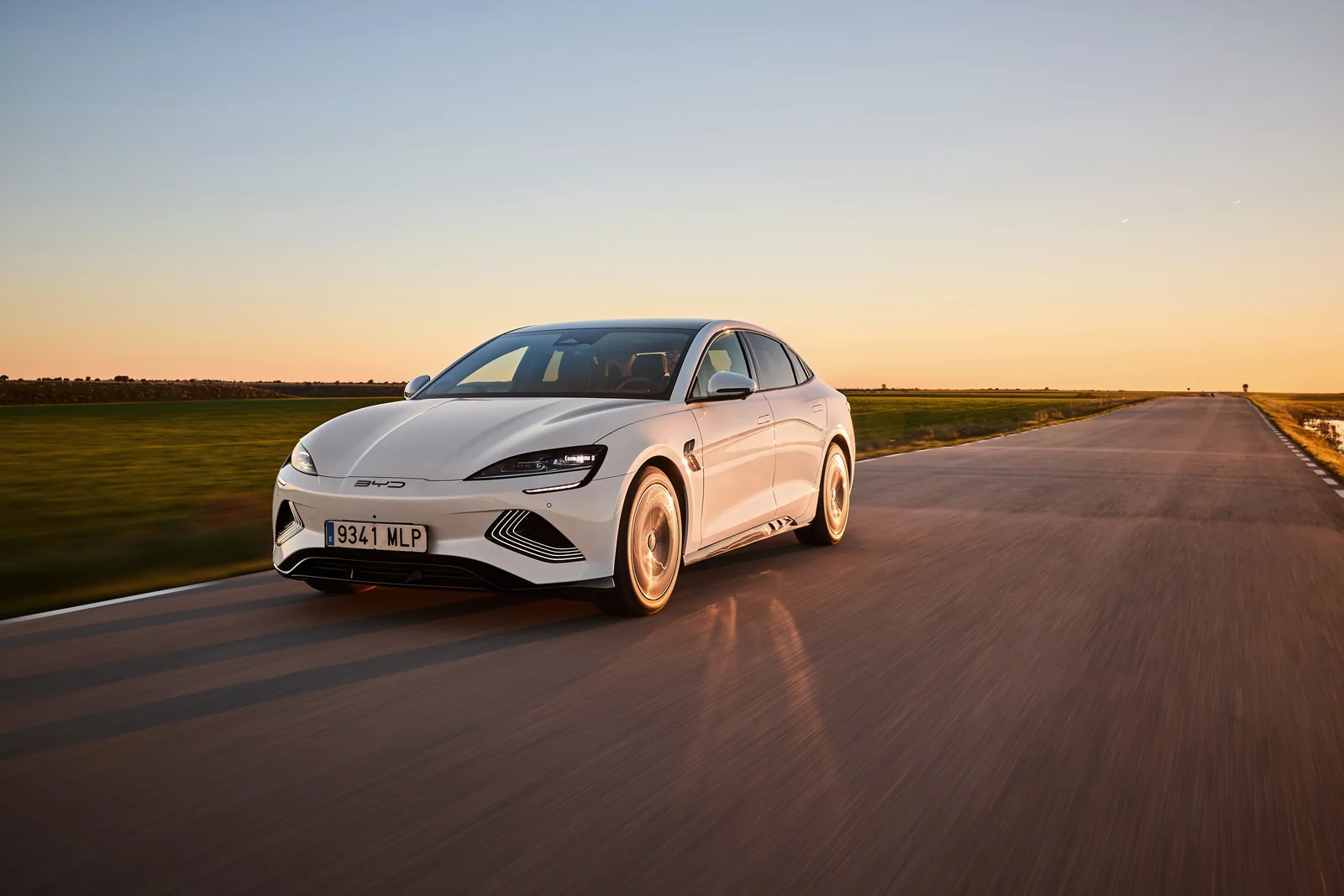
Last, does production actually grow after the trial? If the problems found in about 1,000 cars are fed back into cell design and manufacturing and output keeps rising, the large-scale commercialization planned for after 2030 will look more concrete.
Should EV shoppers wait for solid-state?
Not on BYD’s current schedule. The signal that solid-state is truly commercial will come after the trial, when output keeps growing toward the post-2030 target, rather than from the first car that appears.
For the BYD solid-state battery, the key question is how the 2027 trial cars perform and charge on real roads.
Related reading
- Shokz OpenRun Pro 2 Mini vs Standard: Size, Specs and Downsides
- Samsung zHBM: Stacking Memory on the Chip to Break AI’s Memory Wall