Citroën 2CV Returns as an EV After 36 Years: Design, Specs and a €15,000 Target
Key takeaways
- Citroën revived the 2CV as an electric concept at the 2026 Paris Motor Show
- Production is targeted for 2028 at around €15,000; final price and battery specs aren’t set
- Built for Europe’s small-EV rules; Citroën isn’t sold in the US

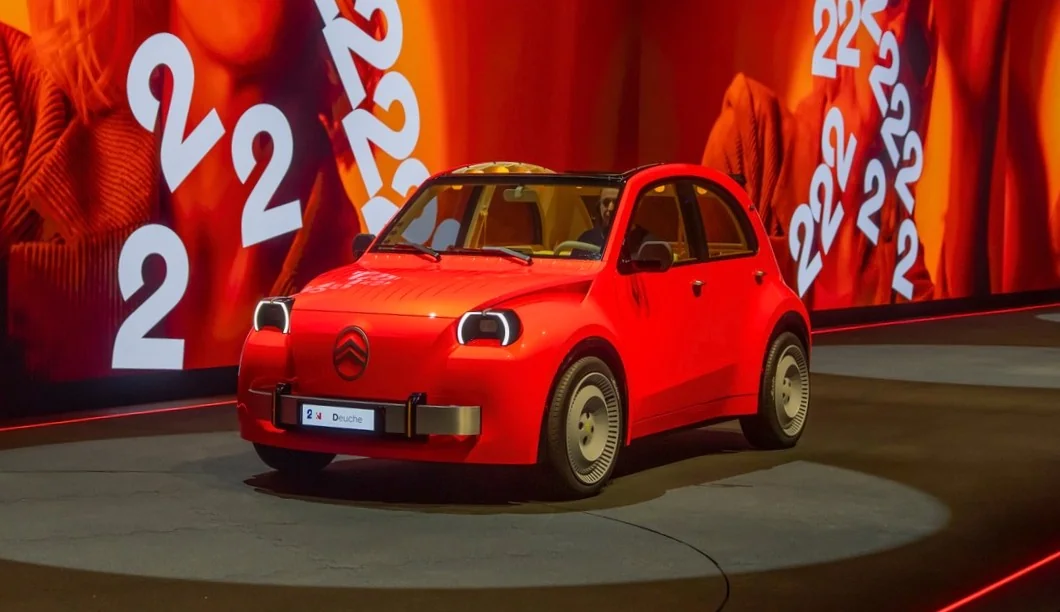
The Citroën 2CV, France’s beloved people’s car, is coming back as an EV, 36 years after production ended in 1990. The electric Citroën 2CV concept, revealed on Oct. 11 ahead of the Paris Motor Show, keeps the round headlamps and quirky body that made the original famous.
The price is the big draw. Citroën is aiming for series production in 2028 at around €15,000.
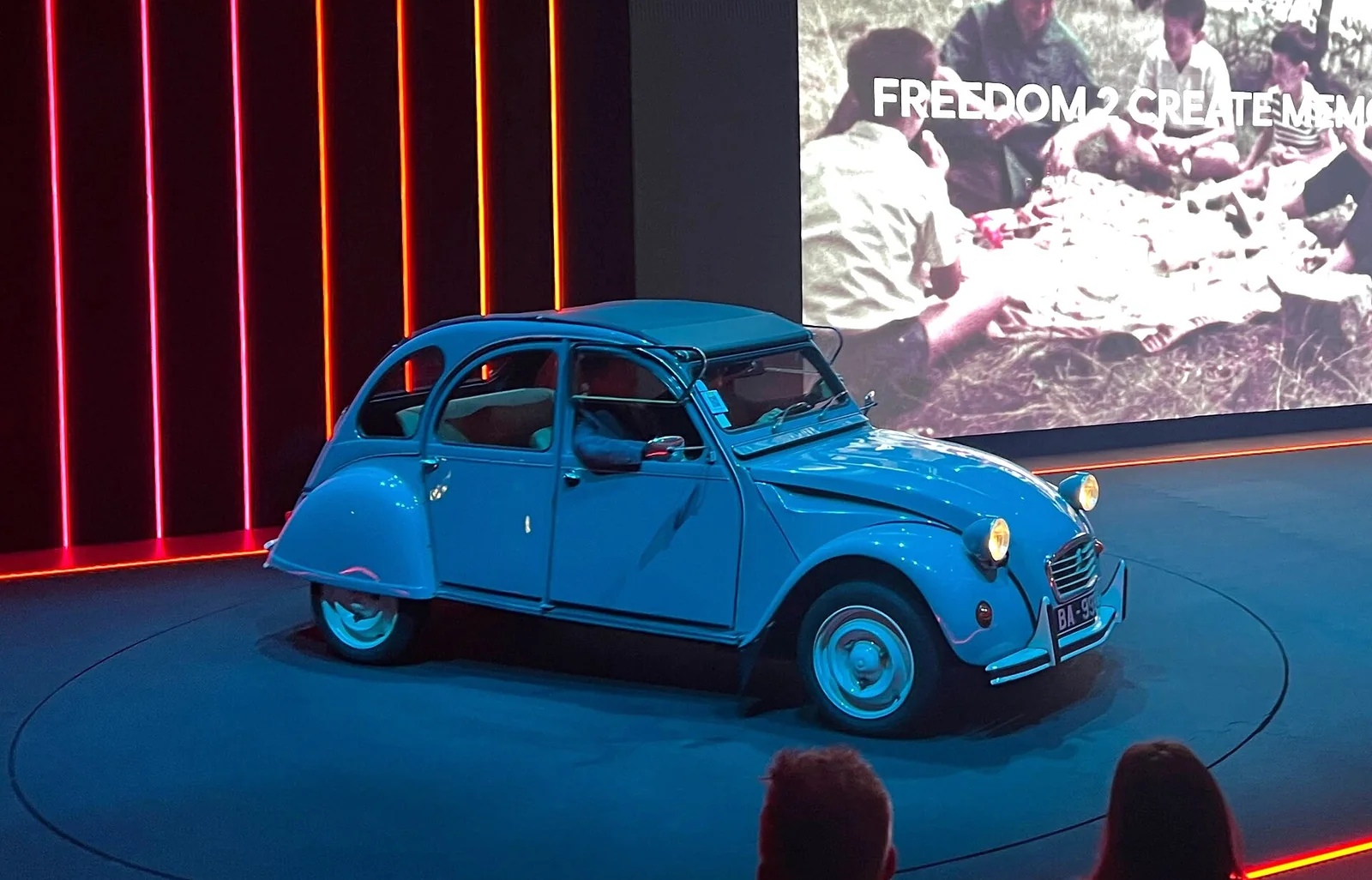
The electric Citroën 2CV returns after 36 years
The 2CV debuted in 1948 and stayed in production until 1990. Counting sedans and commercial vans, it sold more than 5.11 million units. Its low price and practicality made it France’s national car.
During development, Citroën boss Pierre Boulanger set an unusual brief. The car had to carry four adults and 50 kg (110 lb) of potatoes over unpaved roads without breaking a single egg. The goal was a car anyone could afford that still rode comfortably.
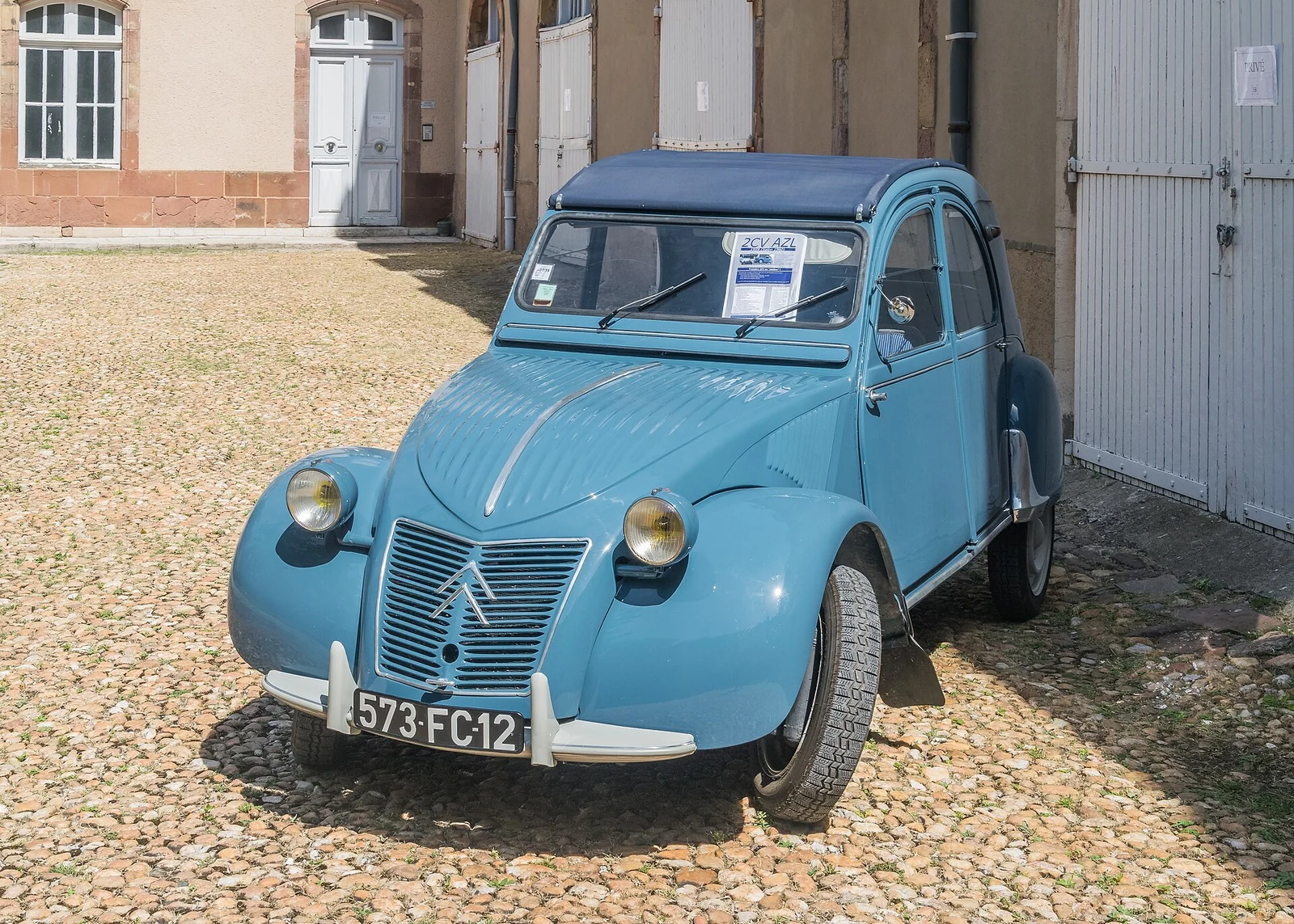
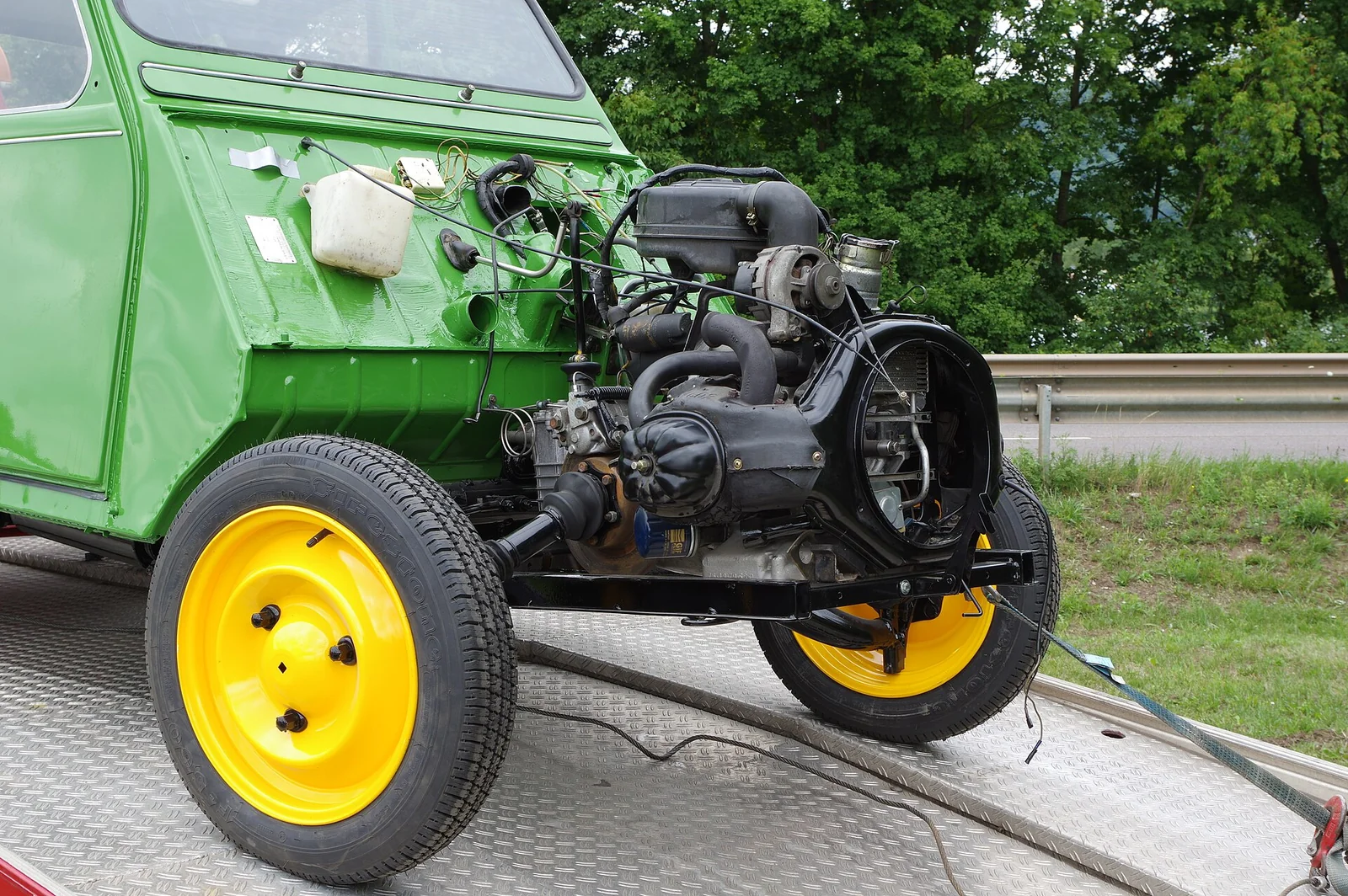
Thin sheet steel, a canvas roof and an air-cooled two-cylinder engine all served the same purpose: keeping weight and production costs down.
Citroën CEO Xavier Chardon says the new 2CV focuses on simplicity and accessibility rather than recreating the old design. The idea is a low-priced car that’s easy to live with every day.
Retro exterior, stripped-back cabin
The concept is 3,760 mm (148 in) long, roughly 90 mm (3.5 in) shorter than the original. That small footprint should make narrow streets and city parking easier.
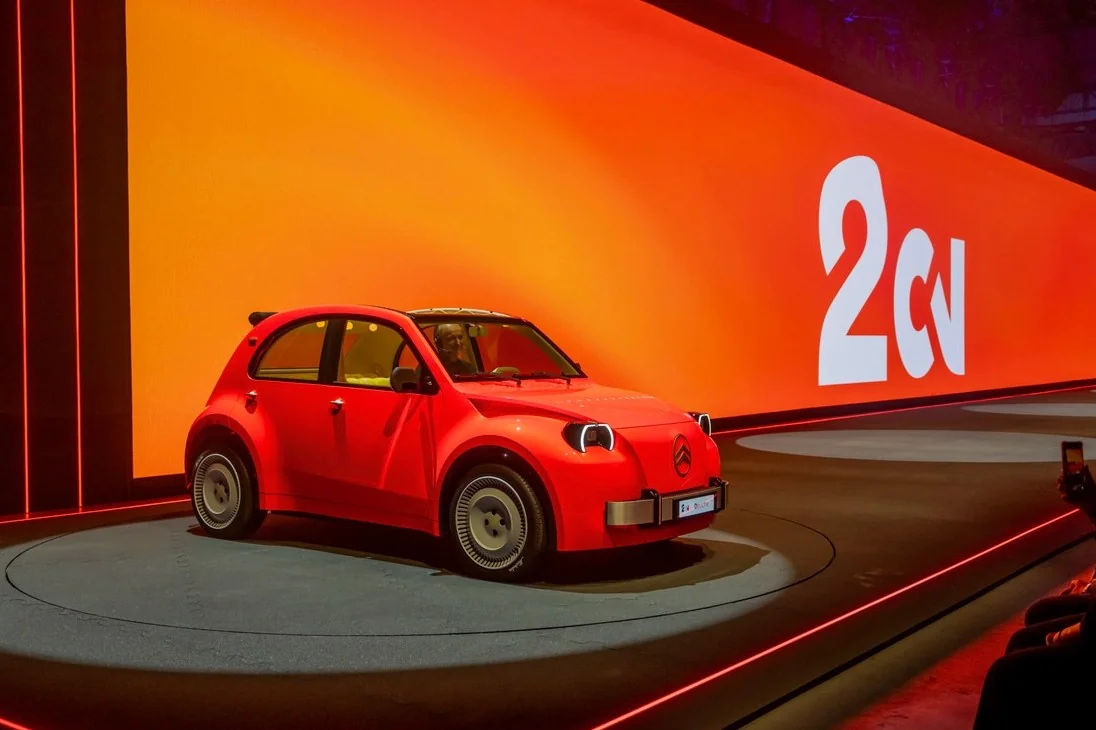
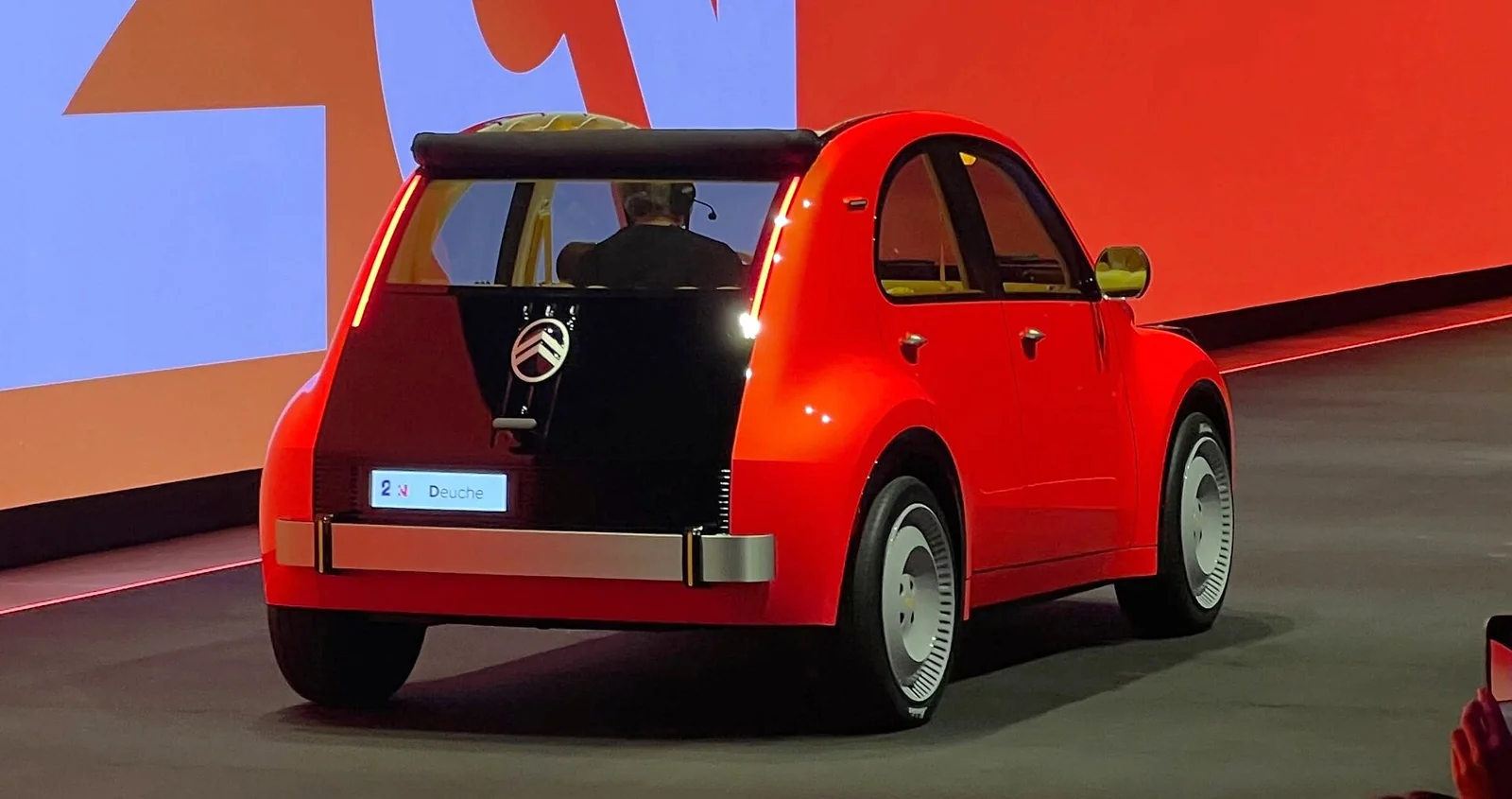
Plenty of classic 2CV details survive on the outside. The vertical ribs on the hood, the round headlamps and the fold-back canvas roll-top sunroof are the most obvious.
The bumpers are modular, so only the damaged section needs replacing. A minor bump doesn’t mean buying a whole new bumper, which keeps repair bills down.
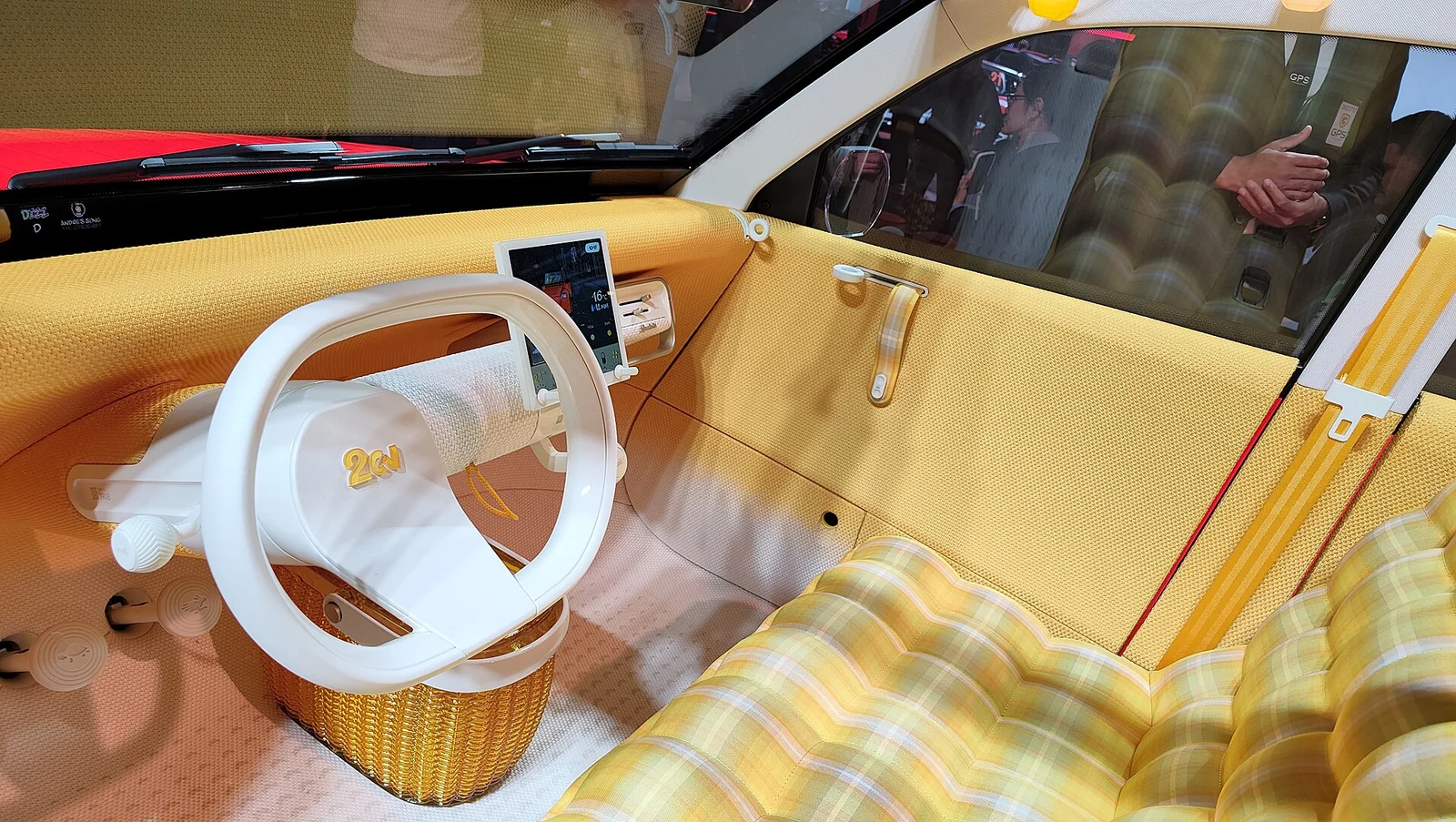
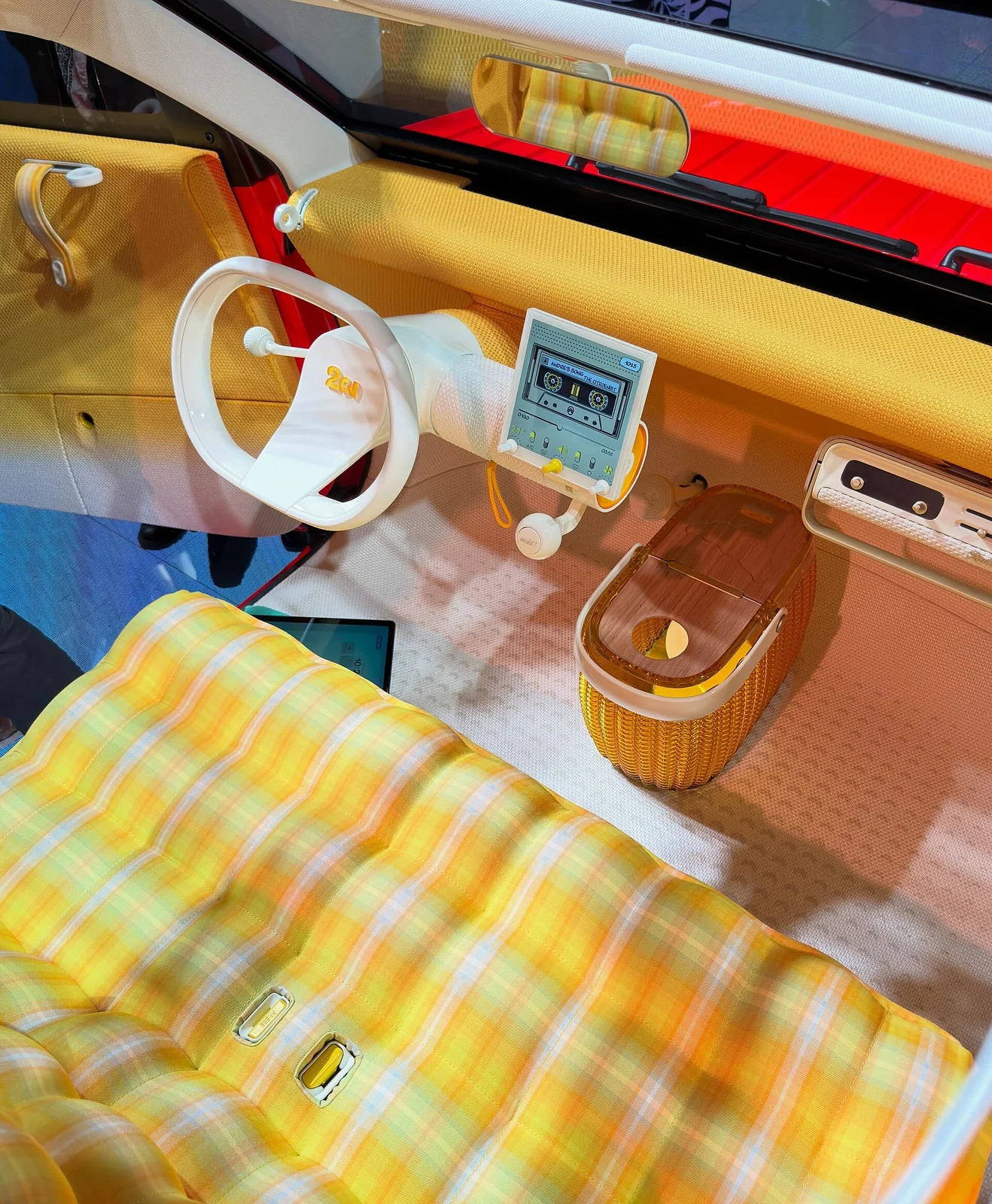
The cabin is just as simple. Instead of a large dashboard, there’s a single-spoke steering wheel and a cylindrical controller. Driving information appears on the Citroën Smart Vision display and an 8-inch screen.
A portable radio, the Radioën, detaches from the car and doubles as an outdoor speaker. The door pockets even include egg holders, a playful nod to the original 2CV’s development story.
About 1,000 kg (2,200 lb): what that means for range
The new 2CV is being developed with a target curb weight of about 1,000 kg (2,200 lb). EVs are usually heavier than gas cars of a similar size because of their batteries.
A lighter body needs less energy to move. That means good efficiency without a big battery, and a smaller battery helps lower the price.
Citroën hasn’t announced battery capacity or official range yet. The industry expects around 200 to 250 km (124 to 155 miles), which suits city commuting.
It looks better suited to commutes and grocery runs than to long road trips.
Production in 2028 at around €15,000?
The new 2CV will be built on Stellantis’s E-Car architecture, the group’s small-EV platform.
The Pomigliano d’Arco plant near Naples, Italy, is the leading candidate to build it. Sharing major parts and body structure with the next-generation Fiat Pandina would cut development and production costs.
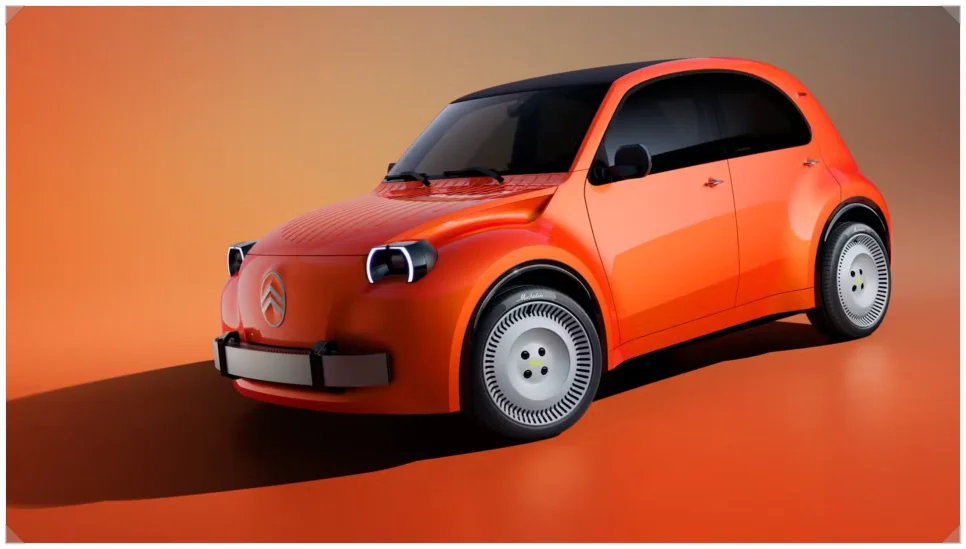
The expected price is around €15,000. That’s the target Stellantis has set for its affordable small-EV lineup, though, and the 2CV’s final price isn’t confirmed.
At that target, it would undercut the Renault Twingo E-Tech and the Dacia Spring, and the gap to the Renault 5 E-Tech is even wider. Actual prices will depend on battery specs, production costs, and each country’s taxes and incentives.
| Model | Length | Starting price | Built in |
|---|---|---|---|
| Citroën 2CV | 3,760 mm (148 in) | About €15,000 (target) | Italy |
| Renault Twingo E-Tech | About 3,790 mm (149 in) | About €19,500 | Slovenia |
| Renault 5 E-Tech | 3,920 mm (154 in) | About €25,000 | France |
| Dacia Spring | 3,701 mm (146 in) | About €18,900 | China |
Why the EU is backing cheap EVs
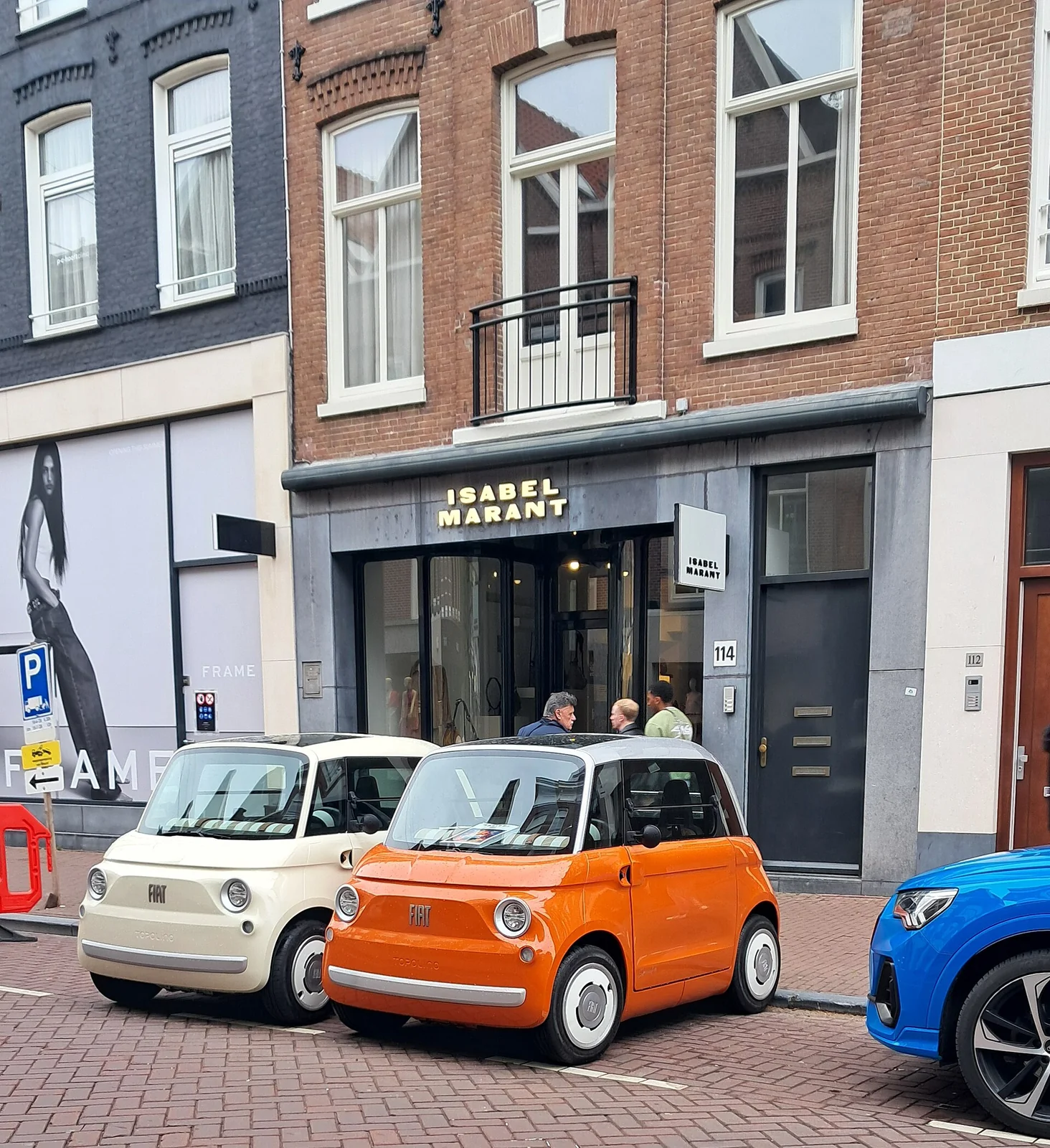
EU policy is part of why European automakers are chasing affordable EVs. The EU plans a separate category, M1E, for small EVs up to 4.2 meters long, with extra credit for cars assembled in the EU.
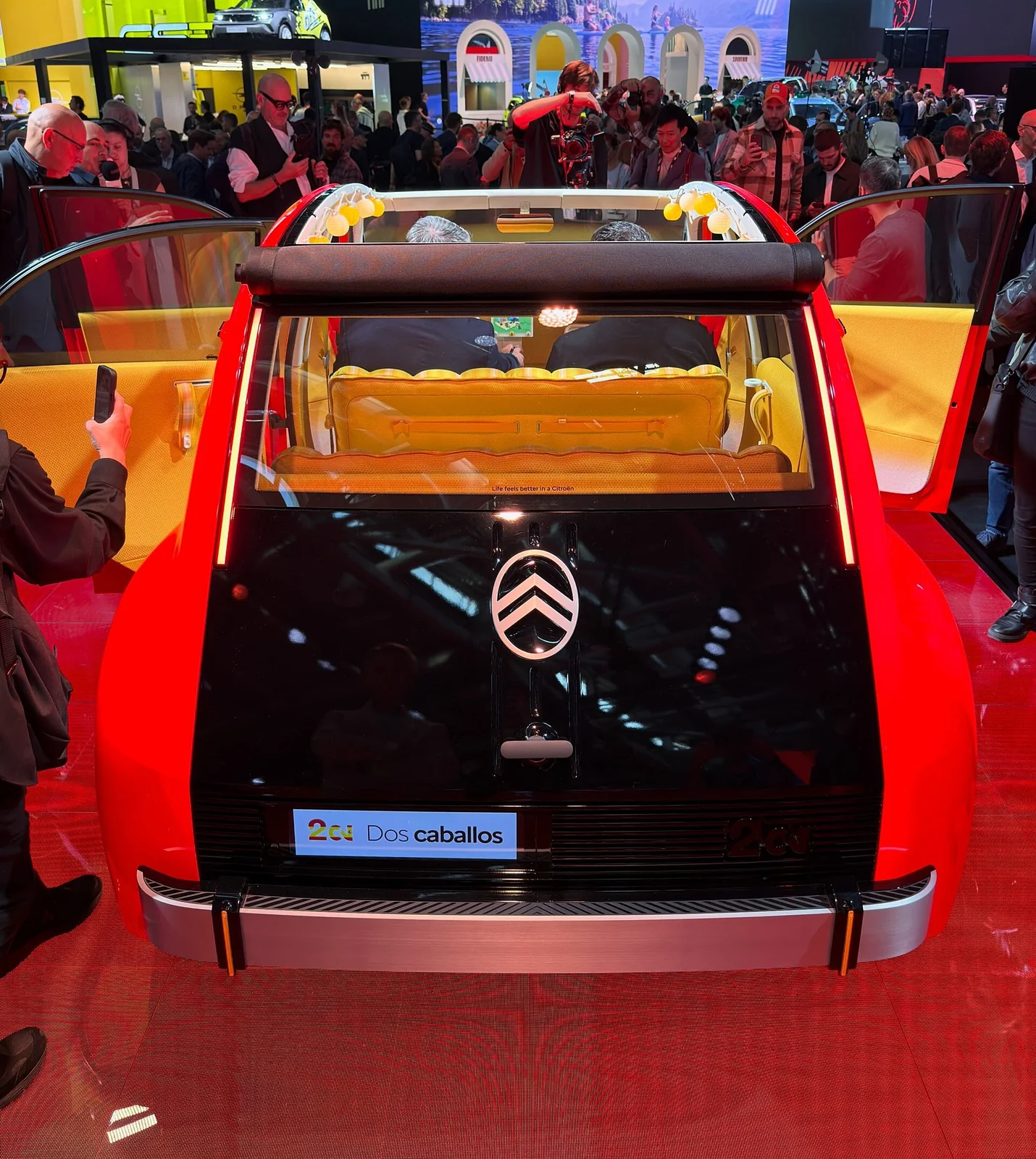
The key piece is the super credit. Each EU-built M1E car sold counts as 1.3 cars when emissions are calculated. The more small EVs an automaker sells, the less pressure it faces from emissions rules on its gas cars. That gives small cars, long seen as unprofitable, a real advantage.
The plan also includes keeping safety and type-approval requirements stable for about 10 years. Automakers wouldn’t have to redesign cars every time the rules change, making it easier to keep building cheap small cars.
Can it compete with Chinese EVs on price?
One reason Europe is refocusing on small EVs is the rapid rise of Chinese brands.
BYD and SAIC use their own supply chains, from battery production to final assembly, to keep prices low. That has pushed their share of Europe’s EV market to around 11 to 14%. Across all new cars, Chinese brands took around 6% of EU registrations from January to April 2026, up from 3.2% a year earlier, per ACEA data.
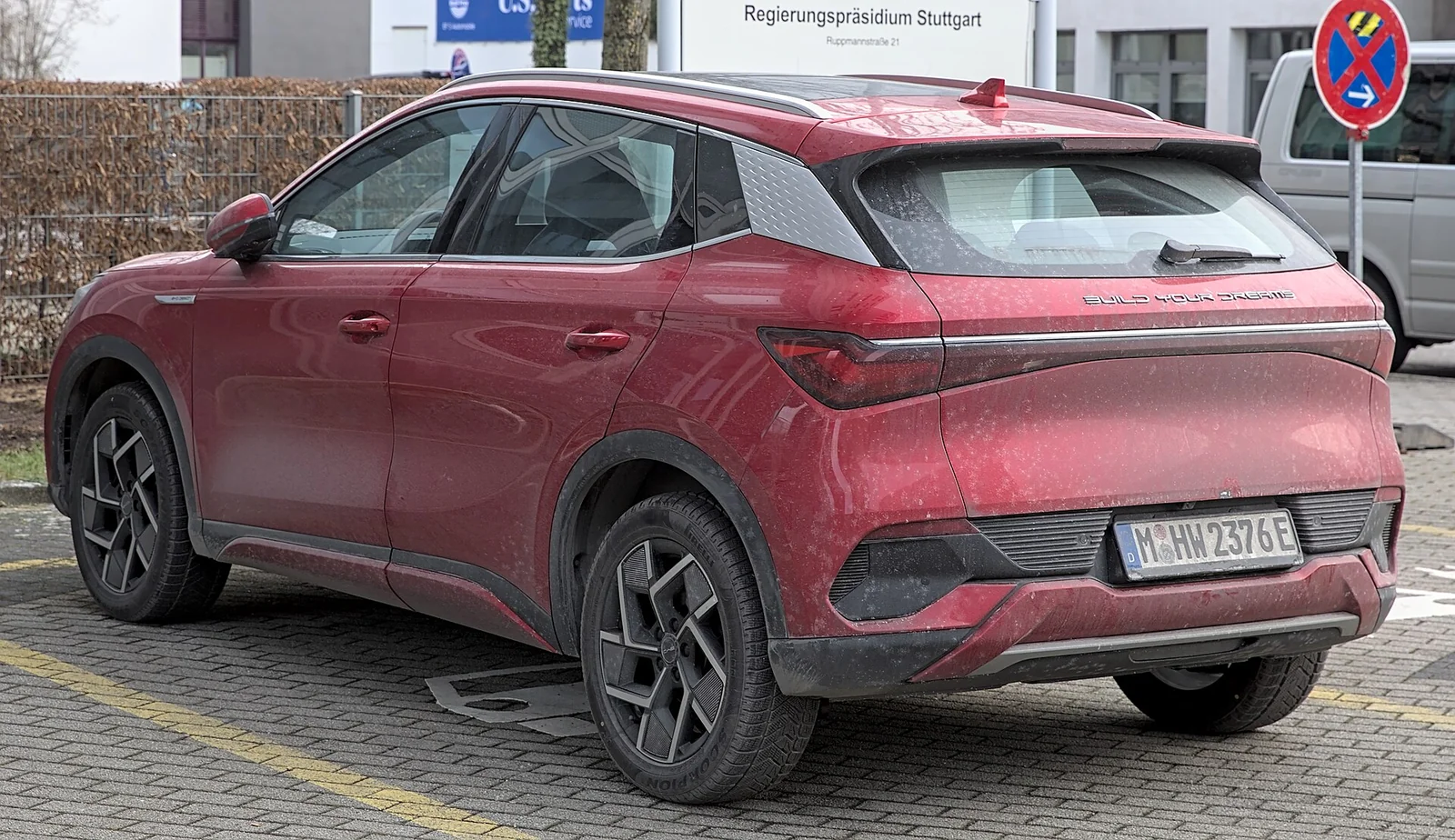
European automakers, meanwhile, struggled to make money on cheap small cars because of high labor costs and strict safety standards. As some models were discontinued, Chinese EVs started filling the gap.
Bringing back the 2CV, with its long history, fits that market picture. As with the Renault 5, a familiar design combined with EV technology gives buyers a reason beyond price: they already know and like the brand.
What US buyers should know
Don’t expect the 2CV in American showrooms. Citroën hasn’t sold cars in the US for decades, and Stellantis executives have said they won’t launch additional European mass-market brands in North America. The new 2CV is being developed for Europe’s E-Car rules, so US pricing and availability are unconfirmed and unlikely.
Bottom line: price will decide it
The electric Citroën 2CV trims complex features to focus on price and practicality. A light body of about 1,000 kg (2,200 lb) and a simple design are meant to keep production costs down. It stands apart by putting a low price ahead of long range or flashy features.
Everything rides on the price. If the production car stays close to the target without giving up too much range, it can compete with cheaper rivals; if not, it loses its main selling point.