Tesla Renames FSD to ‘Tesla Assisted Driving’ in Europe: What Changed and Why
Key takeaways
- Europe gets the new name; US buyers still see ‘FSD (Supervised)’
- Germany asked for it and now backs EU-wide approval; the TCMV vote is due in December
- Same Level 2 software: the driver must watch the road at all times
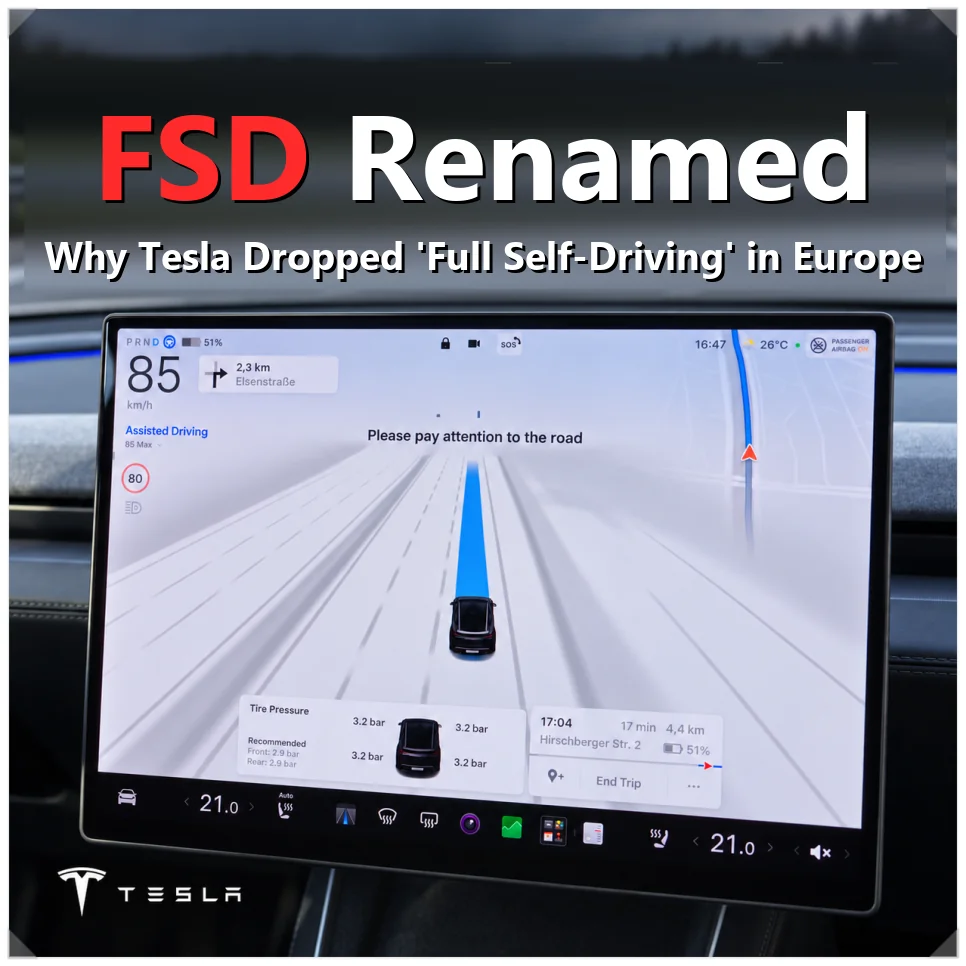
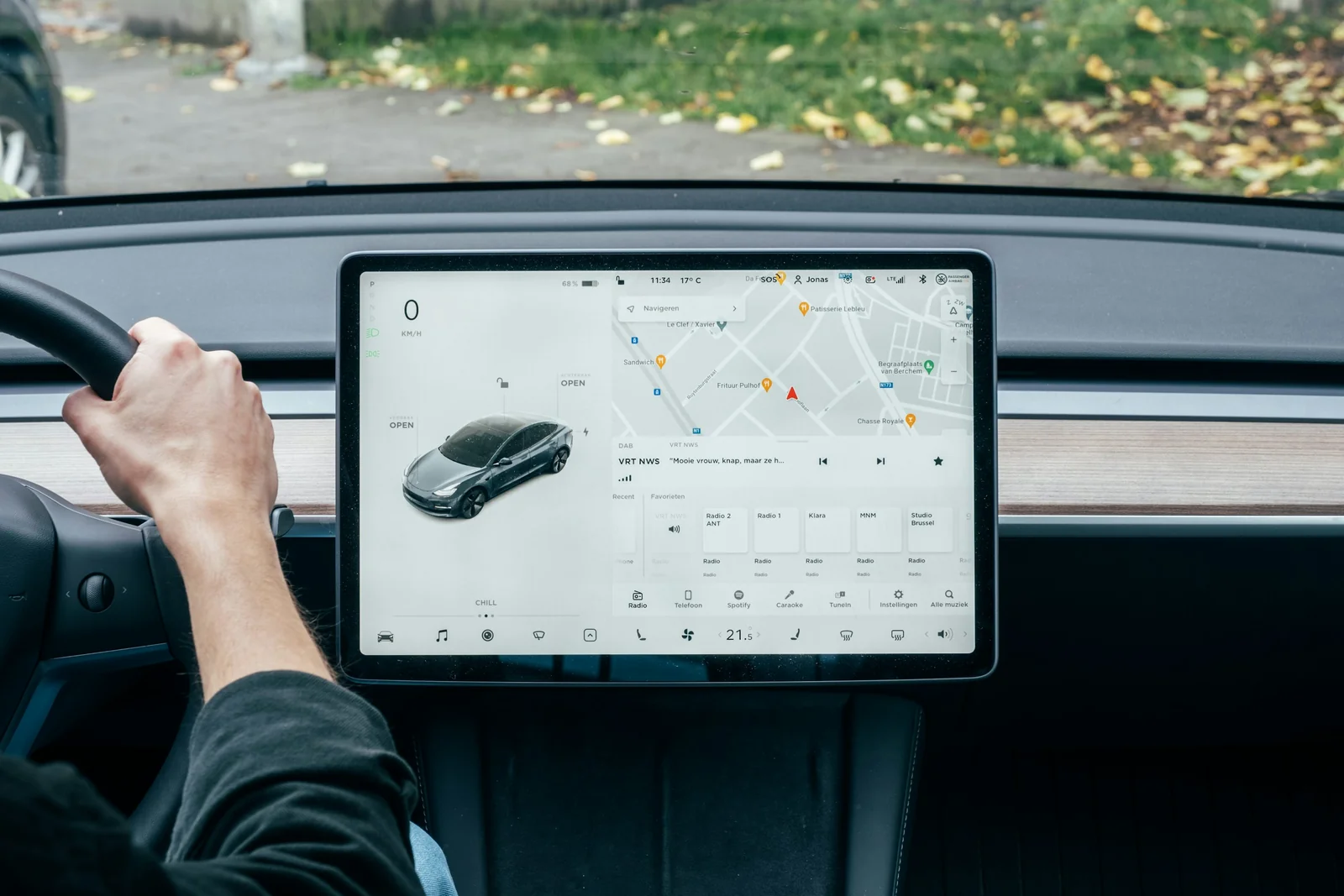
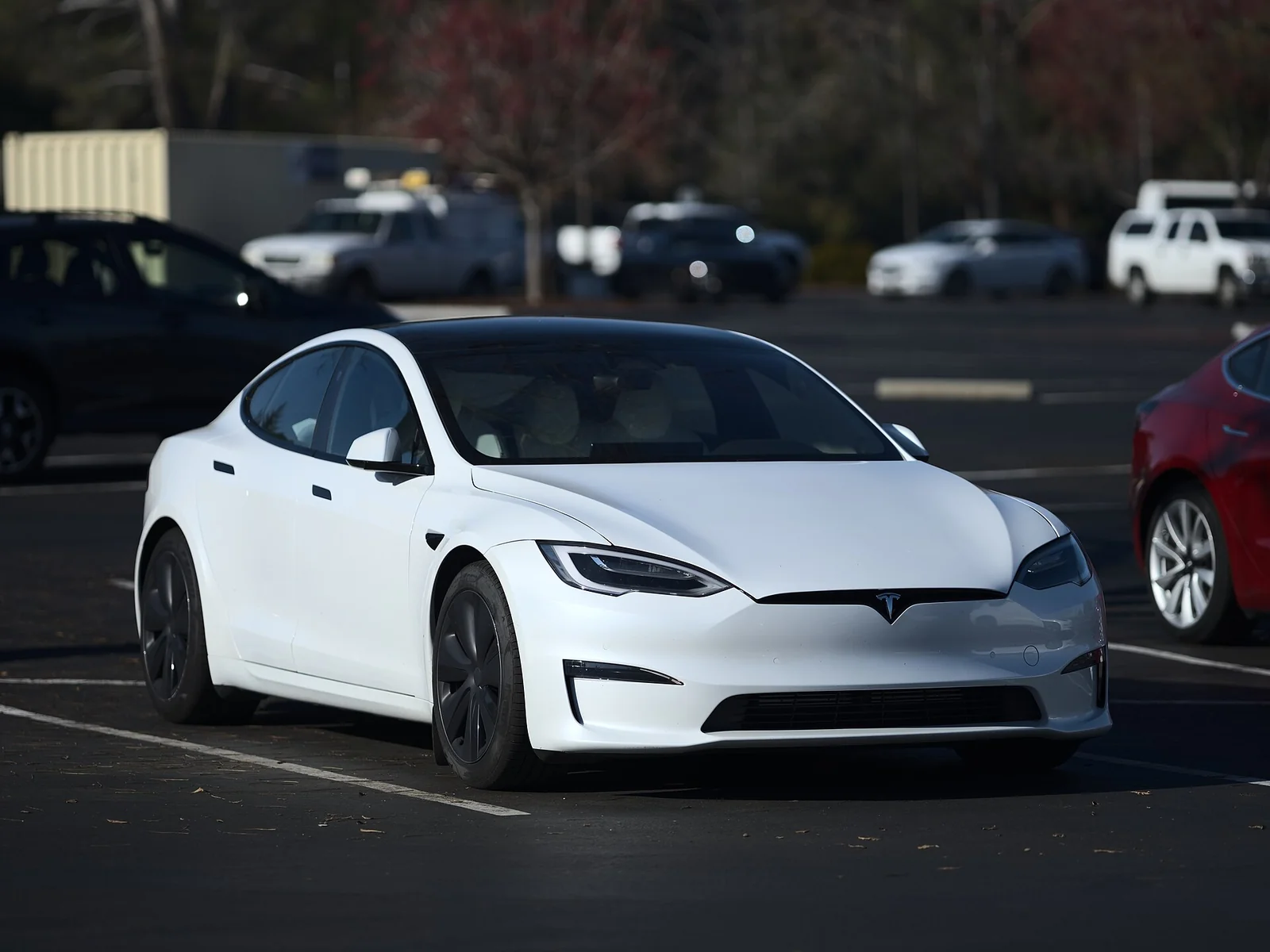
Tesla no longer calls its driver-assistance software “Full Self-Driving” in Europe. On its websites in Germany, Spain, the Netherlands and other major markets, the feature now goes by Tesla Assisted Driving, according to electrive.
The US keeps the name “FSD (Supervised),” so this is a Europe-only change. It grew out of Tesla’s push for EU-wide approval and a German government that wanted the name to match what the system actually does.
Germany asked for a name that matches the system
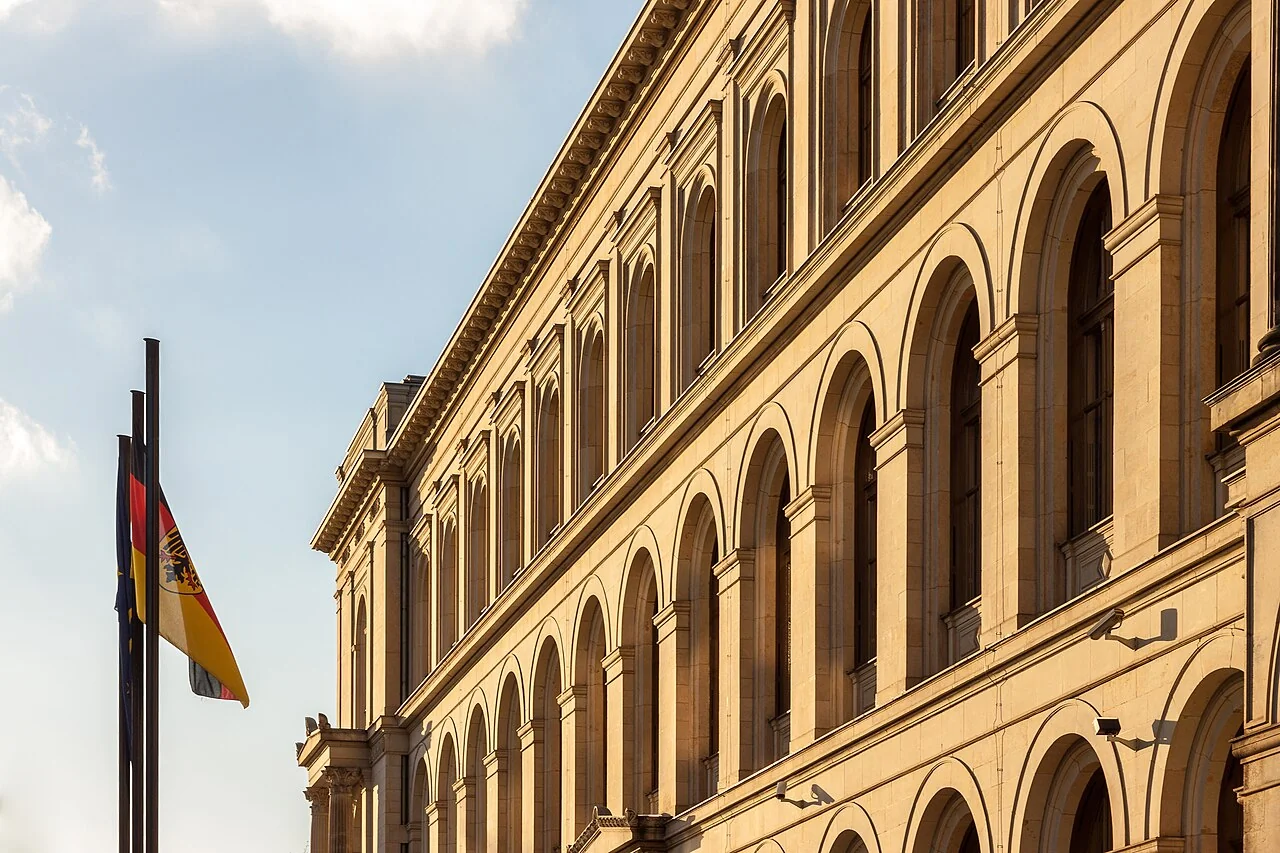
Pressure from Germany’s Federal Ministry of Transport played a direct role. Transport Minister Steffen Bilger said the FSD name could lead buyers to think the system does more than it does. The software controls acceleration, braking and steering, but it can’t replace the driver: watching the road and stepping in when needed is still the driver’s job.
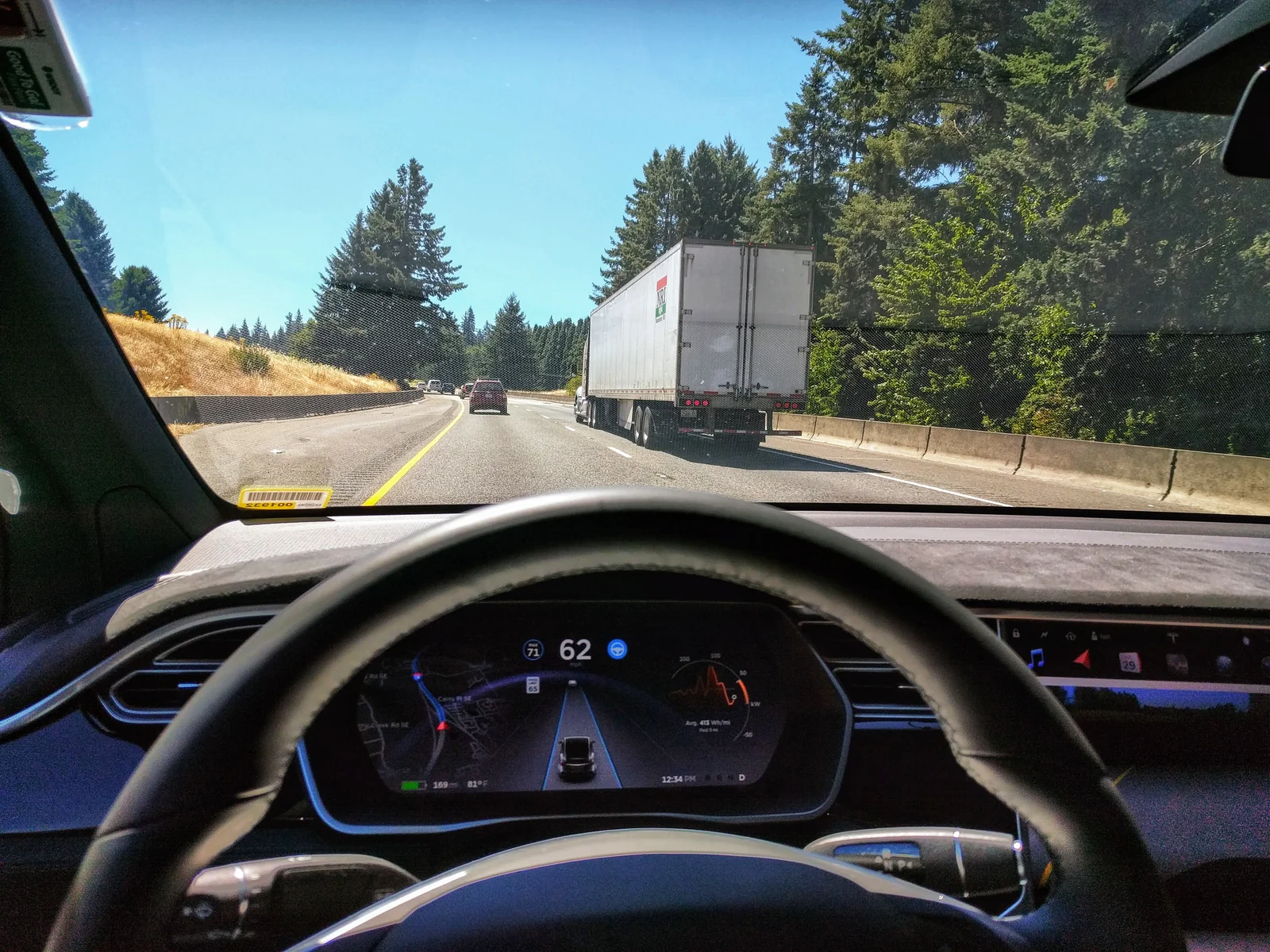
The new name makes it plain that the system assists rather than drives. Tesla proposed “Tesla Assisted Driving” itself in talks with the German government in September 2026. Berlin welcomed the idea and said it would back approval at the EU level.
The talks covered how the system behaves, too. One proposal would let it exceed the posted speed limit by up to 10% to keep up with traffic, and both sides reaffirmed that the driver is responsible for driving safely.
That is far tighter than the tolerance of up to 50% that drew criticism during the earlier Dutch approval. CEO Elon Musk’s public thank-you to the German government on social media came out of these same talks.
Why approval across the EU is hard
A carmaker needs approval under Europe’s safety rules before it can offer a driver-assistance feature there. For Tesla’s system, the key rule is UN Regulation 171, in force since September 2024. It covers driver control assistance systems (DCAS): how such a system should help the driver and how it checks that the driver is watching the road.
The Netherlands’ vehicle authority, RDW, spent about 18 months testing Tesla’s system. Tesla cited more than 1.6 million km (about 1 million miles) of test driving in Europe, while RDW described 1.8 million km (1.1 million miles) of European driving data and more than 3,000 hours of testing.
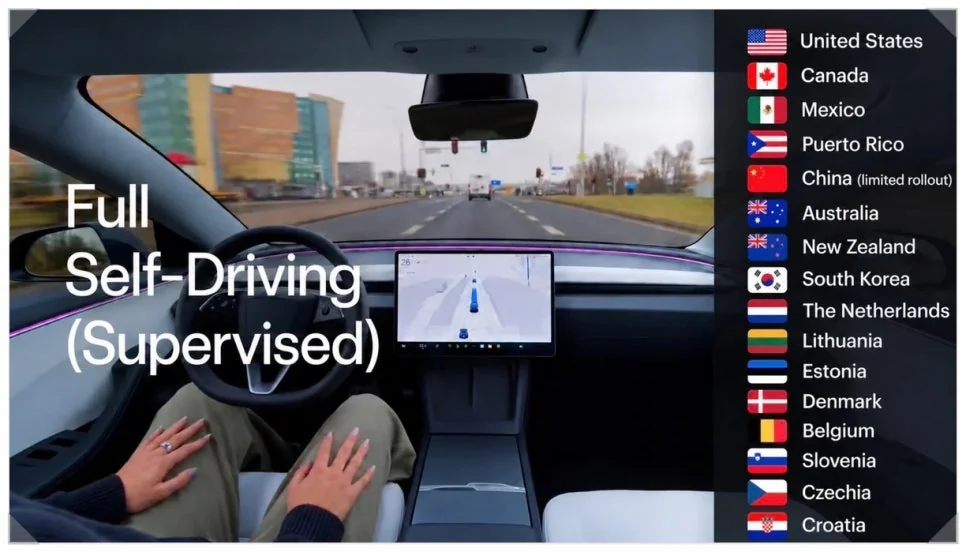
After the Dutch approval in April 2026, the system was cleared in seven more countries: Belgium, Denmark, Slovenia, Czechia, Croatia, Lithuania and Estonia. Slovakia has since announced its approval, making it the ninth.
Reaching all 27 EU member states is a different matter. The Technical Committee on Motor Vehicles (TCMV) pushed its vote from October to December, and France, Sweden and others want more checks on the speed tolerance and on driver monitoring.
An EU-wide decision weighs both the number of countries in favor and their share of the population. A qualified majority needs at least 15 of the 27 member states, representing at least 65% of the EU’s population, as electrive explains.
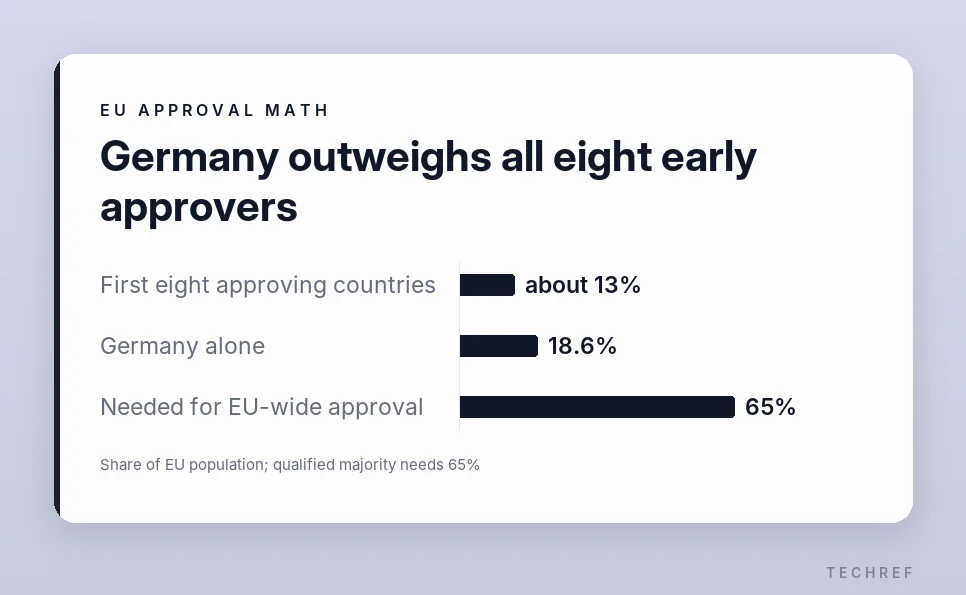
The first eight approving countries add up to only about 13% of that population. Germany alone, with about 84 million people, accounts for 18.6%. That goes a long way toward explaining why Tesla was so ready to meet Berlin’s demands.
Why Tesla Assisted Driving is still Level 2
The old name promised more than the system delivers. Under SAE J3016, the Society of Automotive Engineers’ driving-automation scale, today’s FSD (Supervised) is Level 2: partial automation. The car can steer and manage its speed, but the driver has to keep watching and take over the moment the system misjudges something or the unexpected happens.
Level 3 is conditional automation. Inside a defined operational design domain (ODD), the system handles both the driving and the watching; the driver can look away but must respond within a set time when asked to take over. For contrast, Mercedes-Benz lists its Drive Pilot as a Level 3 system, one that can drive itself in specific conditions.
| Level 2 | Level 3 | |
|---|---|---|
| Automation | Partial automation | Conditional automation |
| Driving control | Steering, acceleration and braking automated | System drives within allowed conditions |
| Monitoring | Driver monitors continuously | System monitors while active |
| Driver’s duty | Take over immediately at any time | Respond to takeover requests |
| Crash liability | Mainly the driver | Depends on the cause and the law |
What separates the two is whether the driver must keep monitoring. A car that changes lanes and handles intersections in a busy city is still Level 2 if the driver has to watch the whole time. Tesla designs and classifies its system as Level 2 on purpose, so that responsibility in a crash stays with the driver.
Tesla has built the software around camera-based vision neural networks. Better driving, though, doesn’t raise the automation level on its own. FSD (Supervised) and Tesla Assisted Driving both require constant supervision, which is exactly why Europe objected to a name that suggested otherwise.
What the rename means for Tesla’s European sales
A new name doesn’t change a line of Tesla’s driving software. The change looks like Tesla’s way of offering the feature within Europe’s rules and widening where it can sell it. That matters for software revenue: to grow FSD sales around a €99-a-month subscription, Tesla first needs each country’s regulators to sign off. It used to sell a one-time package for about €7,500 but now leans toward subscriptions.
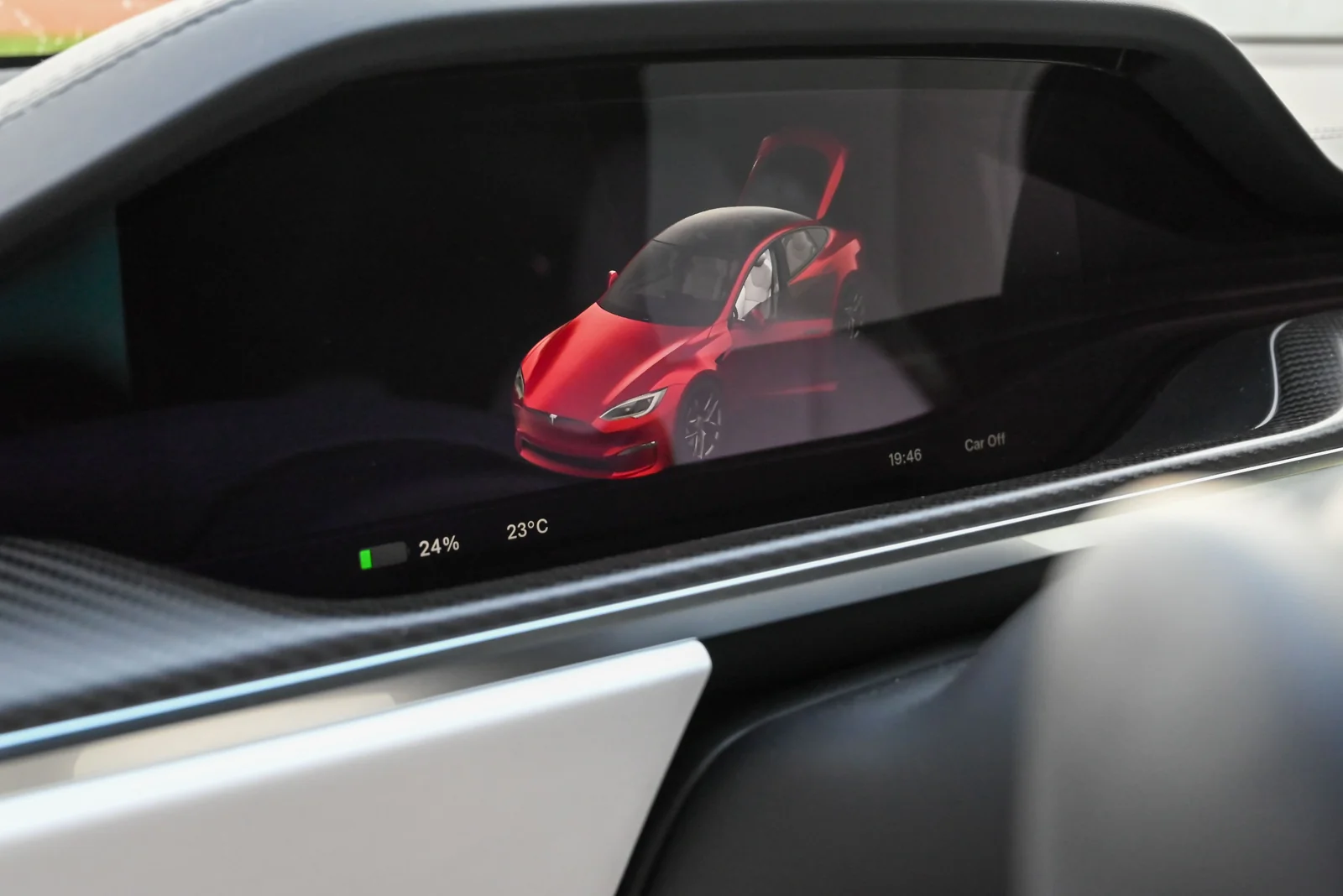
If the feature rolls out mainly to cars with Tesla’s latest Hardware 4 (AI4), it could help new-car sales as well. It won’t reach every car right away, though. Support and timing depend on each country’s approval and on the car’s hardware.
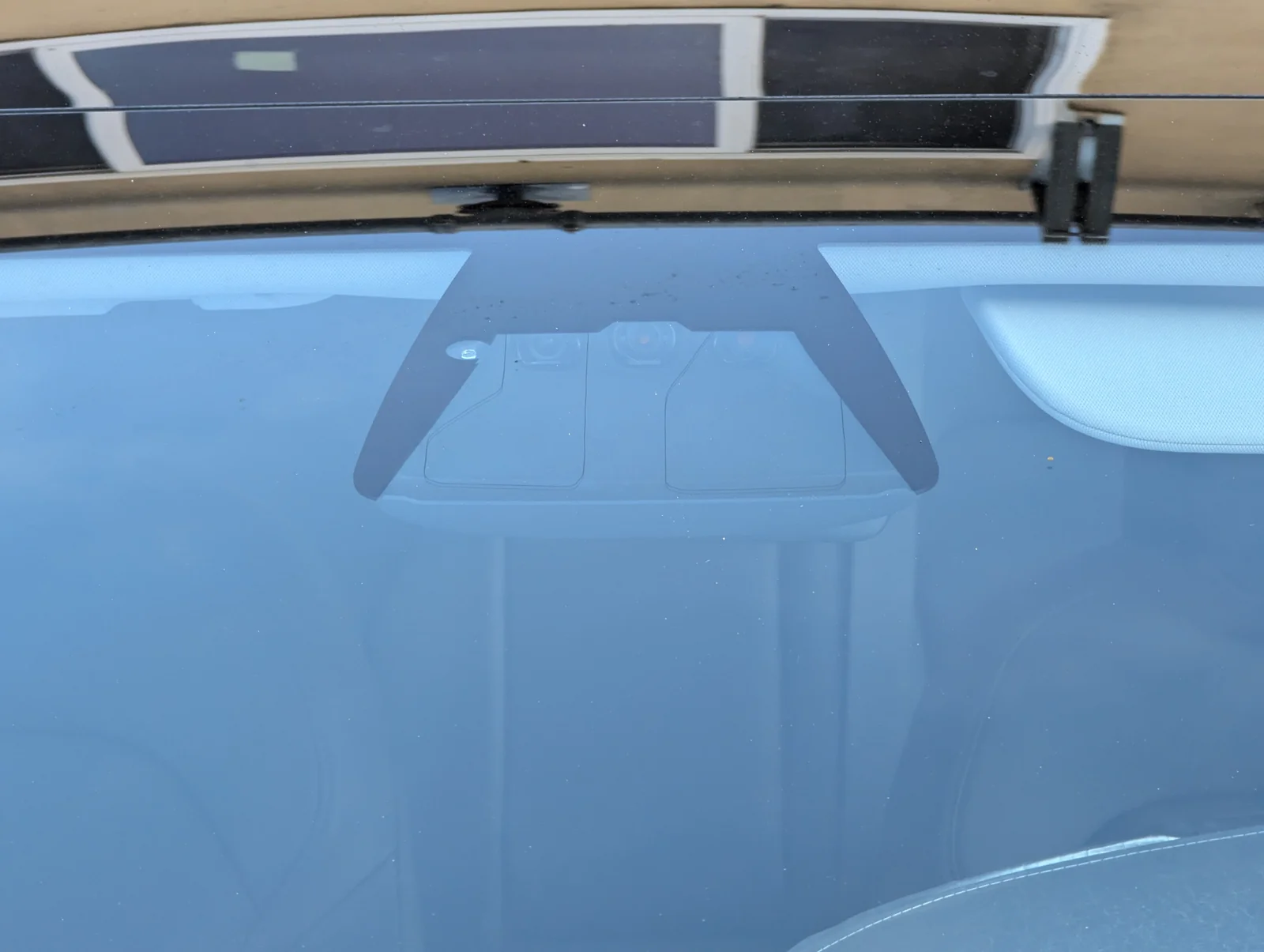
The bigger issue here is the gap between what a product is called and what it does. As these features improve, carmakers have to tell drivers clearly how much is still on them. Tesla has used assistance-focused names in China to fit local rules, and Europe now follows the same pattern. From here, driver monitoring and crash liability deserve attention alongside driving performance.
What changes for Tesla drivers in Europe?
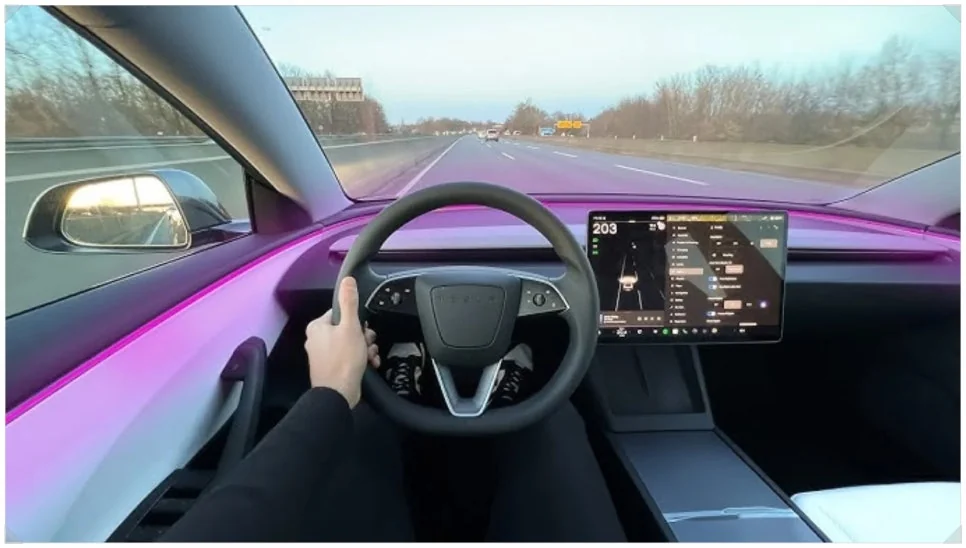
Behind the wheel, nothing. The rename looks like Tesla’s way of fitting Europe’s rules so it can sell the system in more countries, and the driver still watches the road and answers for what the car does.
The next real milestone is the TCMV vote expected in December, which decides whether one approval covers the whole EU. The harder test for Tesla comes after that: delivering driving that works without a person supervising it at every moment.