Shokz OpenRun Pro 2 Mini vs Standard: Size, Specs and Downsides
Key takeaways
- Both sizes share the drivers, battery and IP55 rating; the Mini’s band is about 21 mm (0.8 in) shorter.
- DualPitch pairs bone conduction with an air conduction bass driver; battery lasts up to 12 hours.
- Launched at $179.95; IP55 means sweat and rain, not swimming.
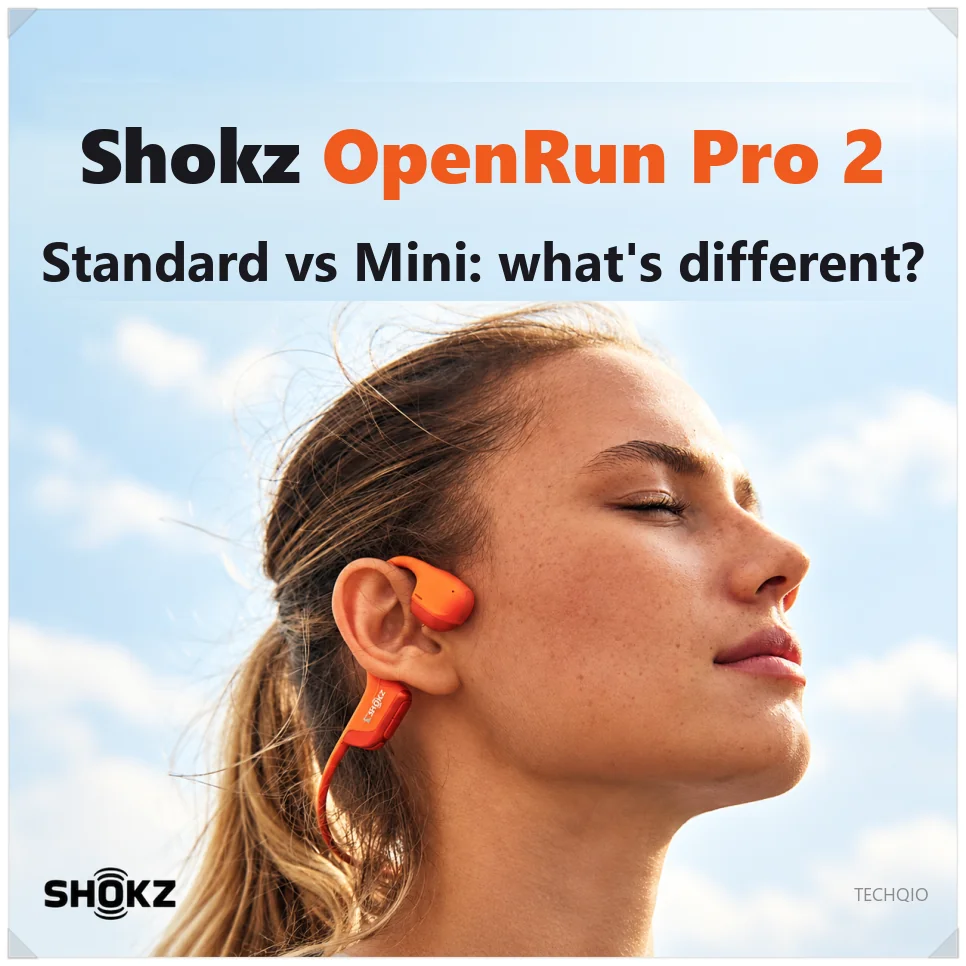
OpenRun Pro 2 Mini vs Standard comes down to one thing, the band length: measure from behind one ear to behind the other, and a reading of 9.3 inches or more points to the Standard.
You need to notice a bike or car coming up, so earbuds that seal your ears can feel wrong. That is why so many runners look at bone conduction headphones. The Shokz OpenRun Pro 2 combines bone and air conduction, and the Standard and Mini deliver identical performance.

OpenRun Pro 2 Mini vs Standard: the band length is the difference
Size is the first thing to check. The drivers, battery and water rating are the same on both; only the neckband that wraps behind your head differs.
| Spec | Standard (S820) | Mini (S821) |
|---|---|---|
| Band length | About 7.9 in (200 mm) | About 7.0 in (179 mm) |
| Ear-to-ear measurement | About 9.3 in (23.5 cm) or more | Shorter than that |
| Battery | Up to 12 hours | Up to 12 hours |
| Water rating | IP55 | IP55 |
| Launch price | $179.95 | $179.95 |
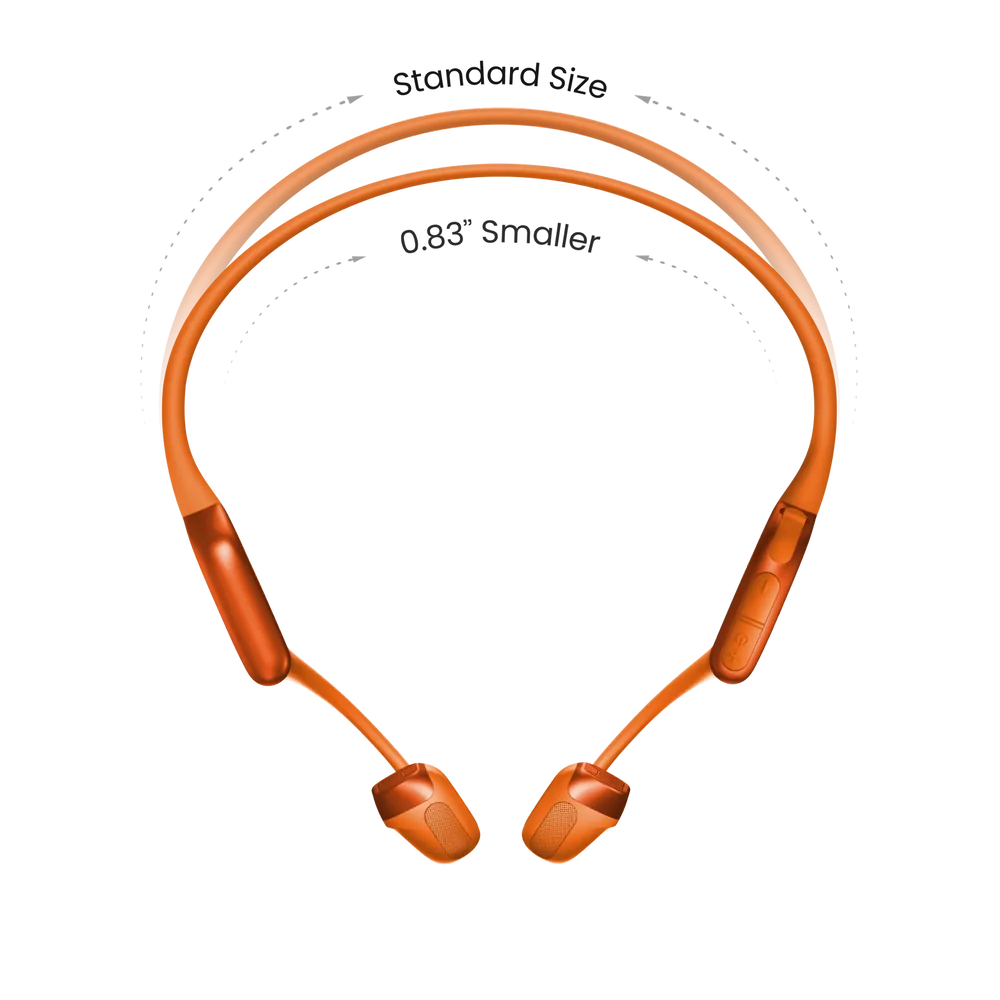
The gap is about 21 mm (0.8 in). That sounds small, but if the band is too long for your head, the frame sticks out behind and can bounce when you run. If the Mini is too small, it squeezes the temples and back of the head harder and can feel like pressure on long runs.
With a hoodie or a high-collared running jacket, or the rear adjustment dial of a bike helmet, leftover band can also bump into things. So check the size before the color.
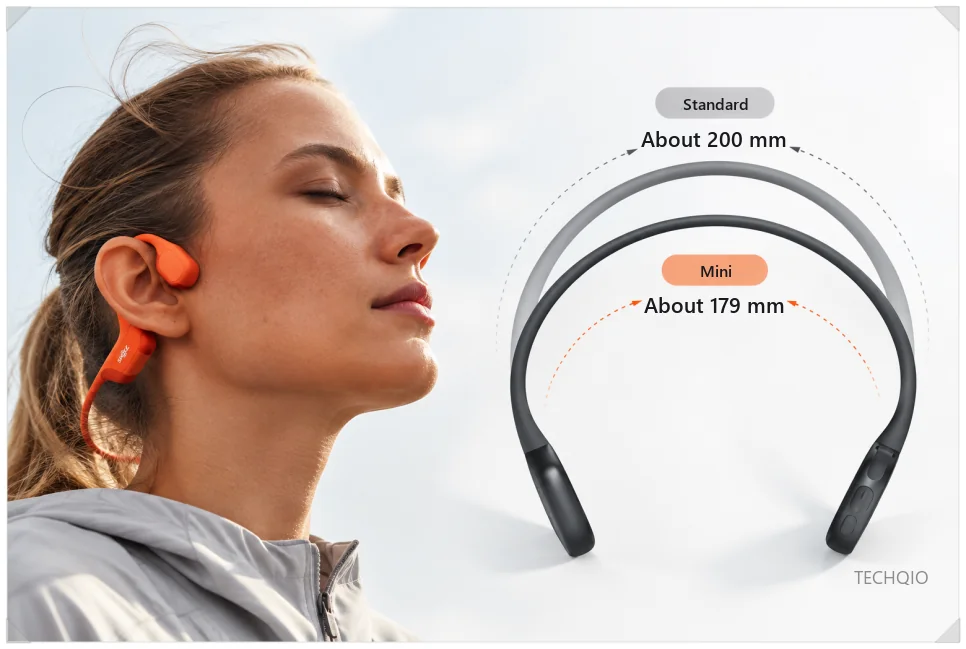
To choose, measure from the center behind your left ear to the center behind your right ear, following the back of your head. If it reaches that 9.3-inch mark, start with the Standard; if it is shorter, start with the Mini.
Near that line, try both if you can: a band with slack bounces, and a tight one presses on the temples. Hat size alone is not a reliable guide, and head shape varies.

DualPitch: bone and air conduction together
Traditional bone conduction headphones can sound a little thin, and at high volume the vibration around the cheekbones gets strong. Handling bass with bone conduction alone also means more vibration.
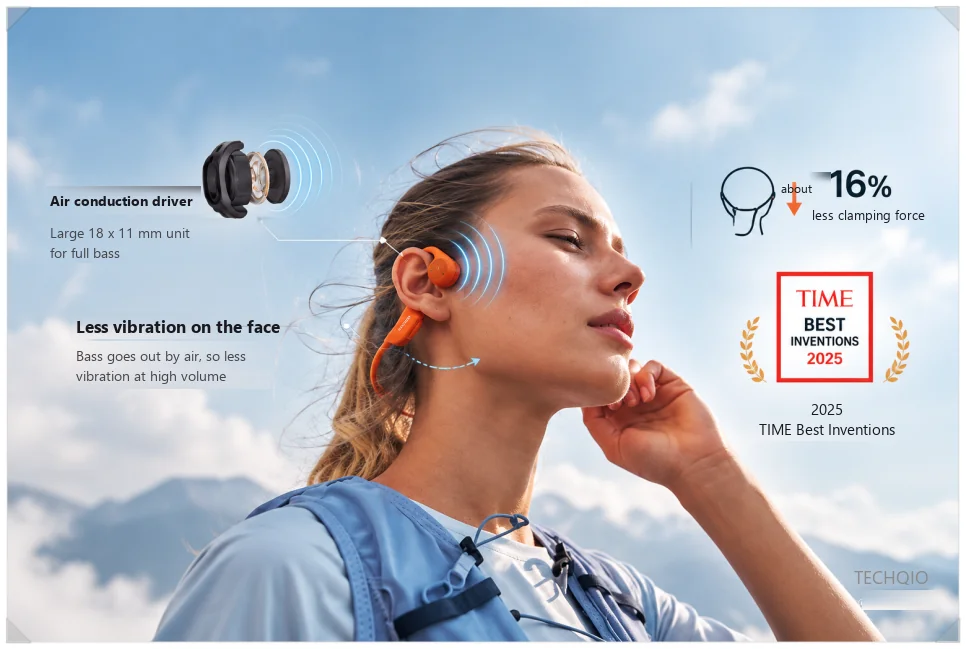
The OpenRun Pro 2 answers that with a DualPitch design that splits the work between two drivers. An all-metal bone conduction driver handles mids and highs, and an 18 x 11 mm (0.71 x 0.43 in) air conduction driver handles bass. Vocals and instruments travel through bone conduction, while bass reaches the ear canal as sound waves through the air.
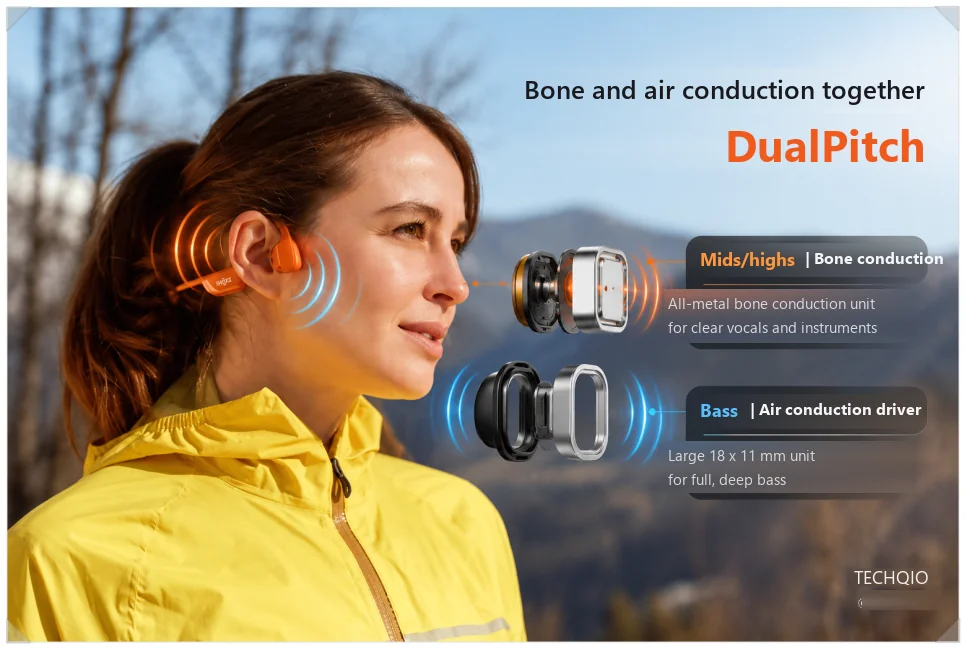
Moving bass to a separate air conduction driver is meant to cut the vibration around your face at high volume. Shokz also reduced clamping force by 16% from the previous generation. The OpenRun Pro 2 also made TIME’s Best Inventions of 2025 list.
12-hour battery and USB-C charging
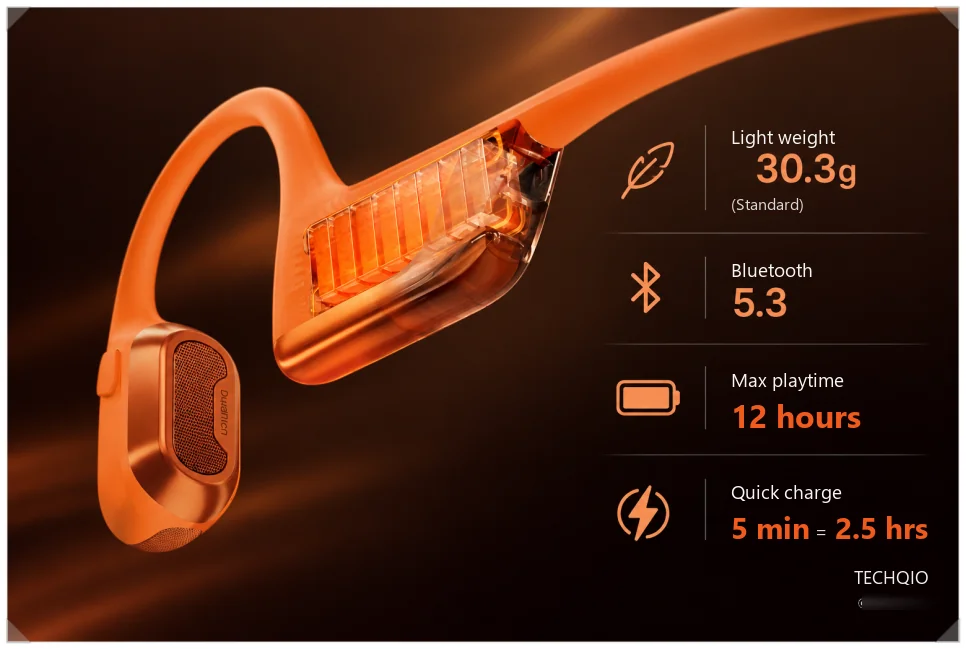
The Standard weighs about 1.07 oz (30.3 g) and supports Bluetooth 5.3. One charge plays music for up to 12 hours, so if you run about an hour a day, you can go several days without charging.
If the battery is low right before a workout, quick charge helps: about five minutes of charging gives up to 2.5 hours of playback, enough to plug in briefly and head out.
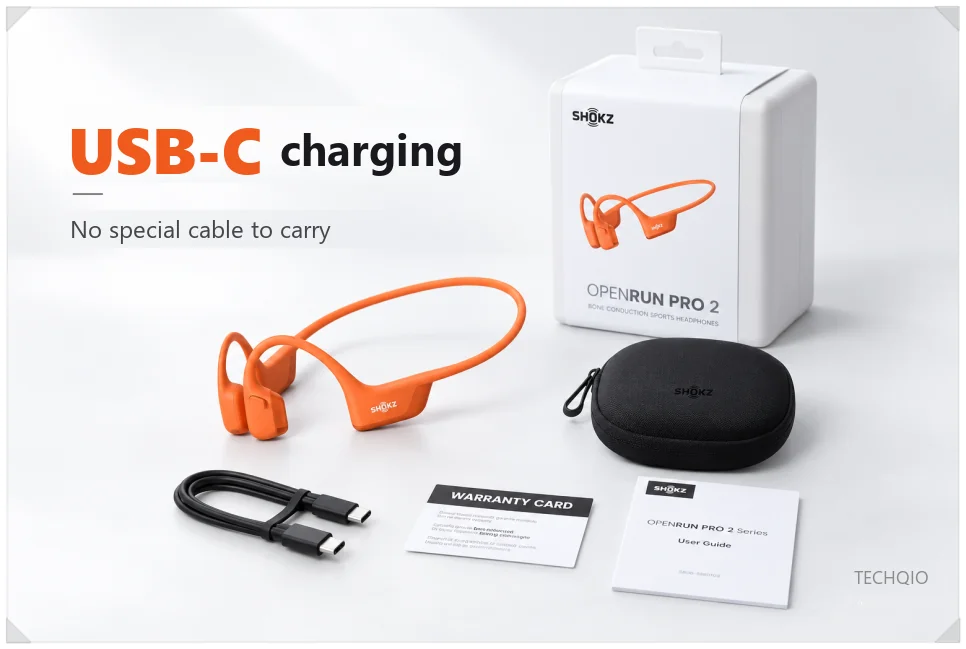
Charging has moved from a proprietary magnetic connector to USB-C. You can share a cable with your phone and other devices instead of carrying a dedicated one.
Dual mics for calls and multipoint
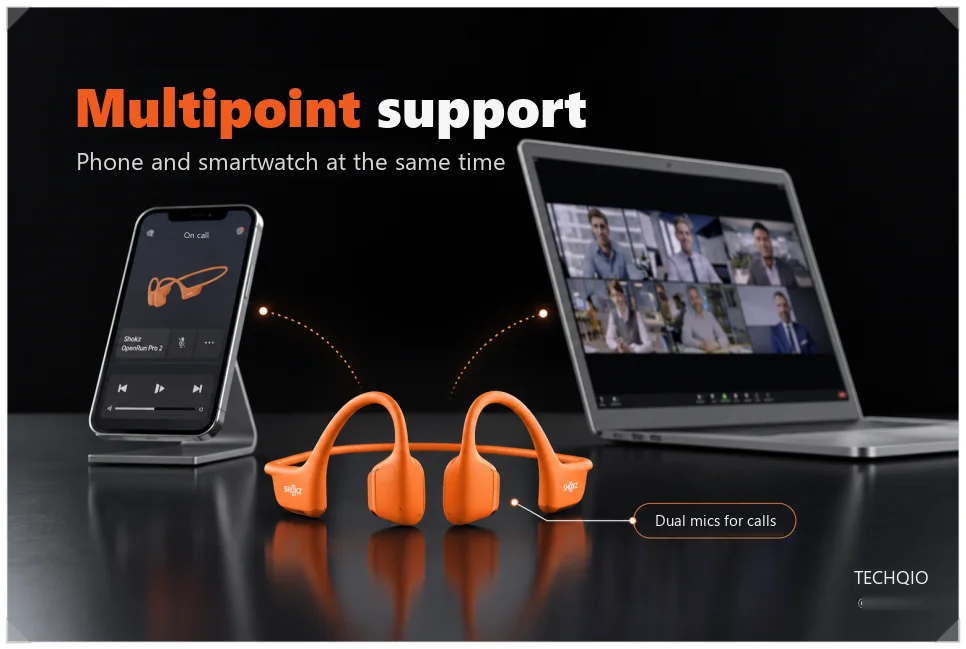
The dual noise-canceling microphones do not block outside noise while you listen to music. They cut wind and background sound during calls so your voice comes through, which helps when you take a quick call on a run or ride.
Multipoint lets you connect two devices at once, such as a phone and a smartwatch or a laptop. If you switch between devices often, it is a handy feature.
Downsides to know before you buy
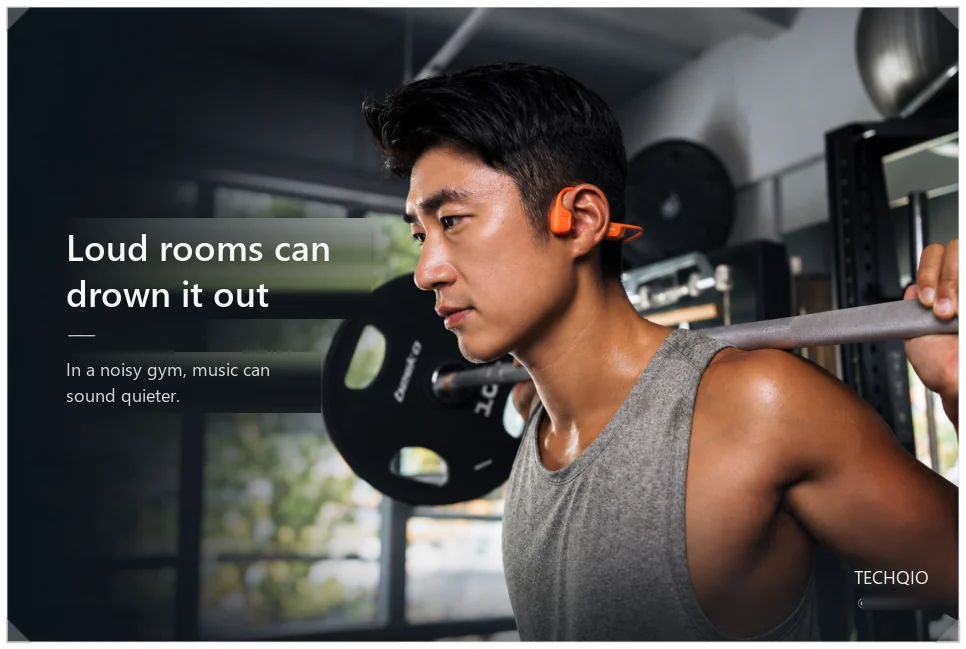
Because the OpenRun Pro 2 leaves your ears open, you hear your surroundings. In loud places such as a subway or a gym full of clanking equipment, music can sound relatively quiet. Avoid turning the volume way up to drown out the noise.
Check sound leakage too. Since bass travels through the air, using it at high volume in a quiet place like a library or study room may let people nearby hear your music.
The water rating is IP55. It handles sweat and light rain, but it is not meant to go underwater or to be worn in the shower or while swimming. If you often run in heavy rain, compare models with a higher water rating.

Who the OpenRun Pro 2 suits
Think of the OpenRun Pro 2 for outdoor running, road cycling and walks where you need to keep track of what is around you. It is also an alternative if in-ear earbuds feel stuffy or uncomfortable after long wear.

If your main use is commuting or listening indoors and blocking outside noise matters, noise-canceling earbuds may suit you better; our Bose QC Ultra Earbuds comparison covers one such pair. The OpenRun Pro 2 is built for staying aware of your surroundings while you move.
OpenRun Pro 2 price and where to buy
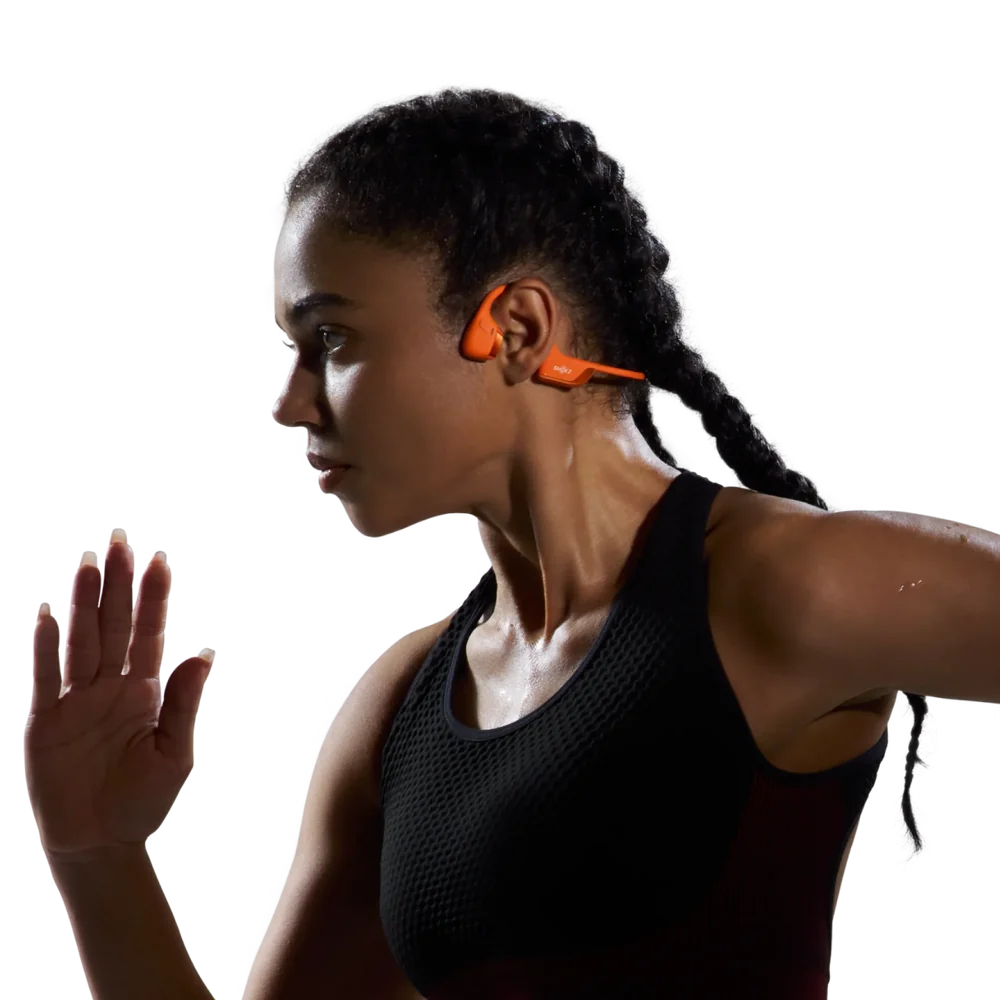
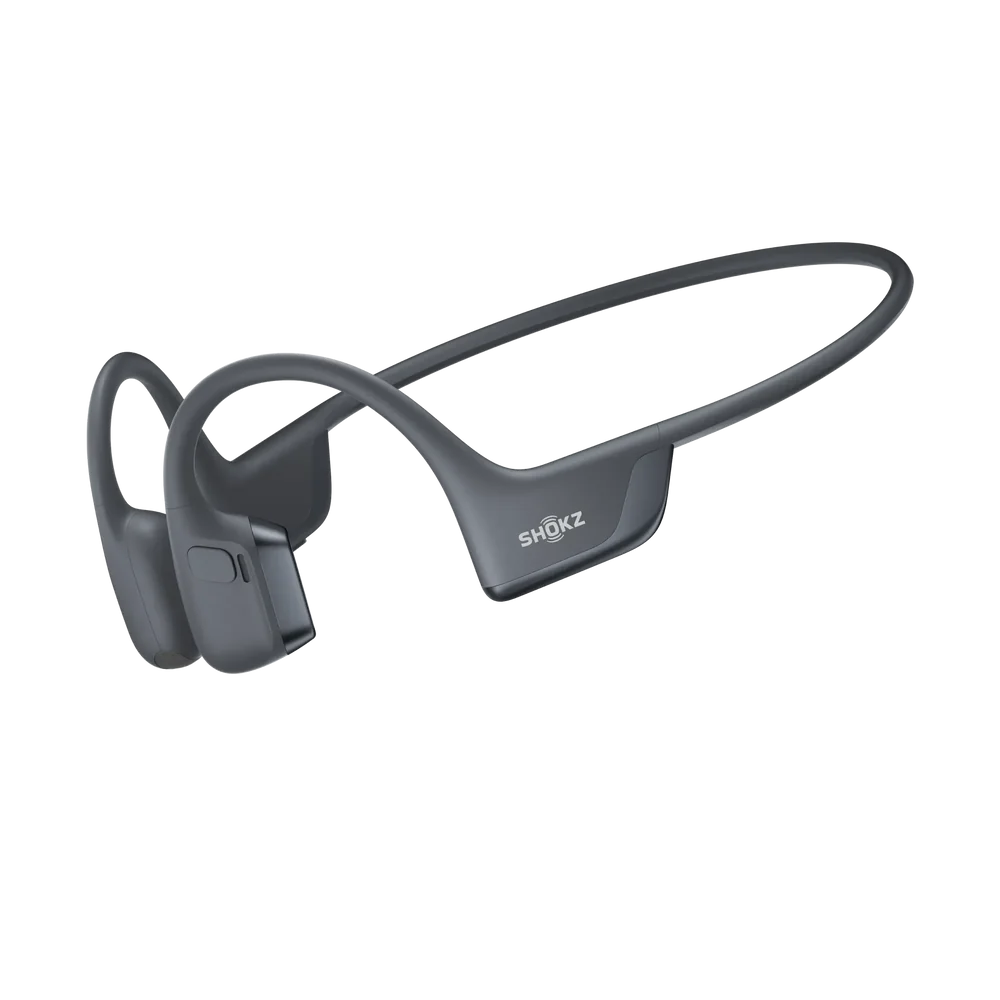
Shokz launched the OpenRun Pro 2 at $179.95, sold on Shokz.com, Amazon and at select retailers, in Standard and Mini sizes in black and orange.
Which size should you buy?
Settle OpenRun Pro 2 Mini vs Standard with a tape measure before you look at sound quality or extra features, then ask whether you mainly use it outdoors.
If the band has slack, pick the Mini. If you mainly want to block indoor noise, look at noise-canceling earbuds instead of open-ear headphones. Measure first and pick the color last, the same order the size guide follows.