CoreWeave Stock Plunges 25%: Why Neocloud Debt Is Reigniting AI Bubble Fears
Key takeaways
- CoreWeave stock fell about 25% in a week; its 2031 bond yield topped 16%.
- Five-year CDS hit a record 1,194.5bp as investors priced in higher default risk.
- The AI bubble debate is shifting to whether GPU data centers can earn back their cost.

CoreWeave stock has had a rough week, and the AI trade has felt it. Shares of the Nvidia partner fell about 25% in a week, and the trouble is not limited to the stock. CoreWeave’s bonds are flashing warning signs too.
The yield on CoreWeave’s bonds climbed above 16%, raising real doubts about how it will carry its debt. Because CoreWeave has poured huge sums into AI data centers, the stress is spreading to other companies. (Figures are as of mid-October 2026. This article is for information only, not investment advice.)
CoreWeave stock fell 25% in a week. What happened?
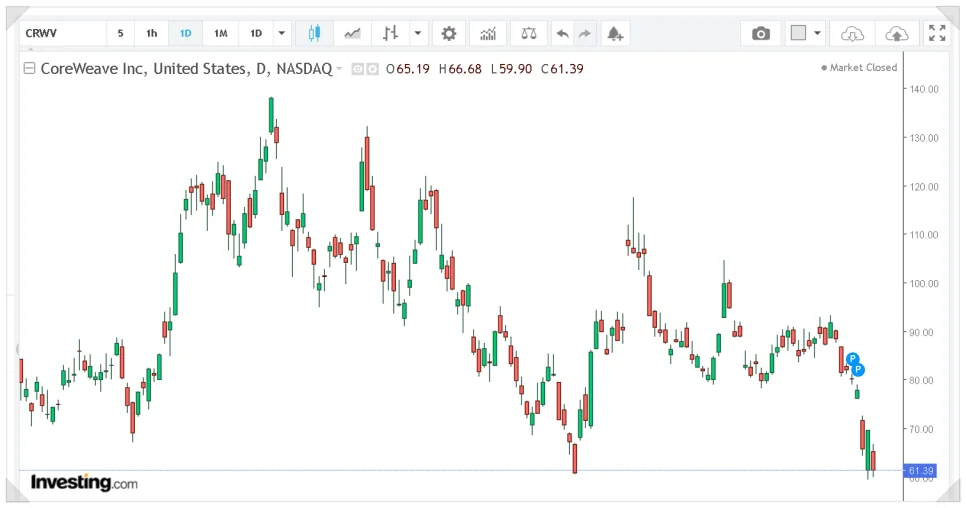
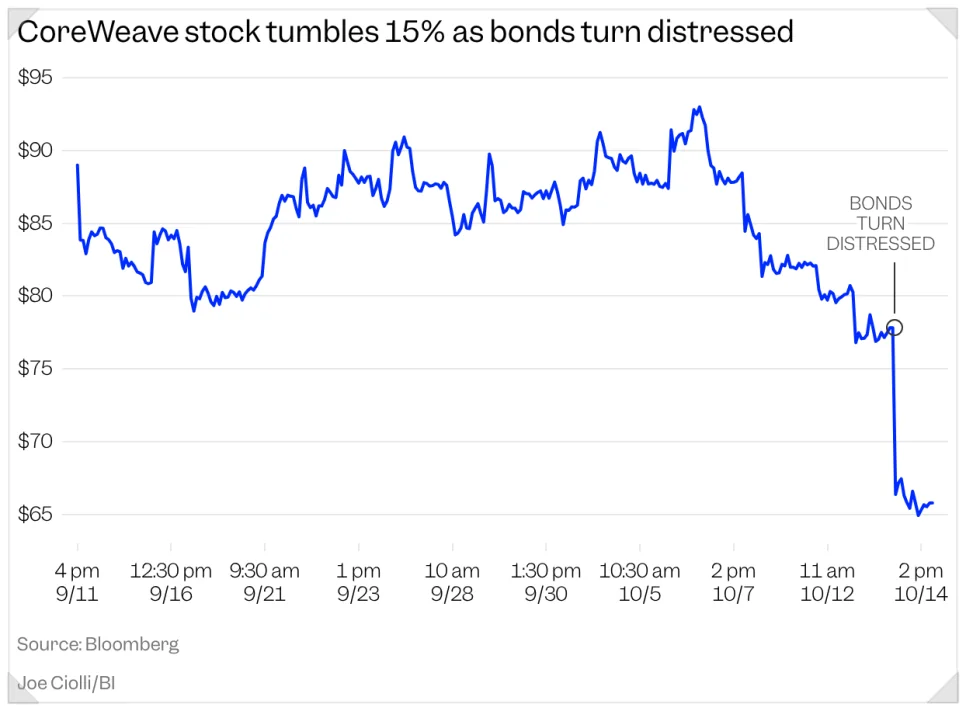
CoreWeave shares dropped 15.5% in a single day, on Oct. 14, 2026, and lost about 25% over the week.
What worries the market more is the bond market. The yield on CoreWeave’s dollar bond due 2031 rose above 16%, and its price fell to 79.9 cents on the dollar.
What a 16% yield means
When a bond’s price falls, its yield rises. A yield as high as 16% means investors are worried they may not get their principal and interest back in full.
In financial markets, bonds with that kind of repayment risk are classed as distressed debt.
Credit default swaps hit a record
Credit default swaps (CDS), contracts that pay out if a company defaults and so track its default risk, moved sharply too. CoreWeave’s five-year CDS spread hit 1,194.5 basis points intraday, a record. Some models read that as roughly a 60-64% chance of default within five years. That is a market-implied figure, not a forecast.
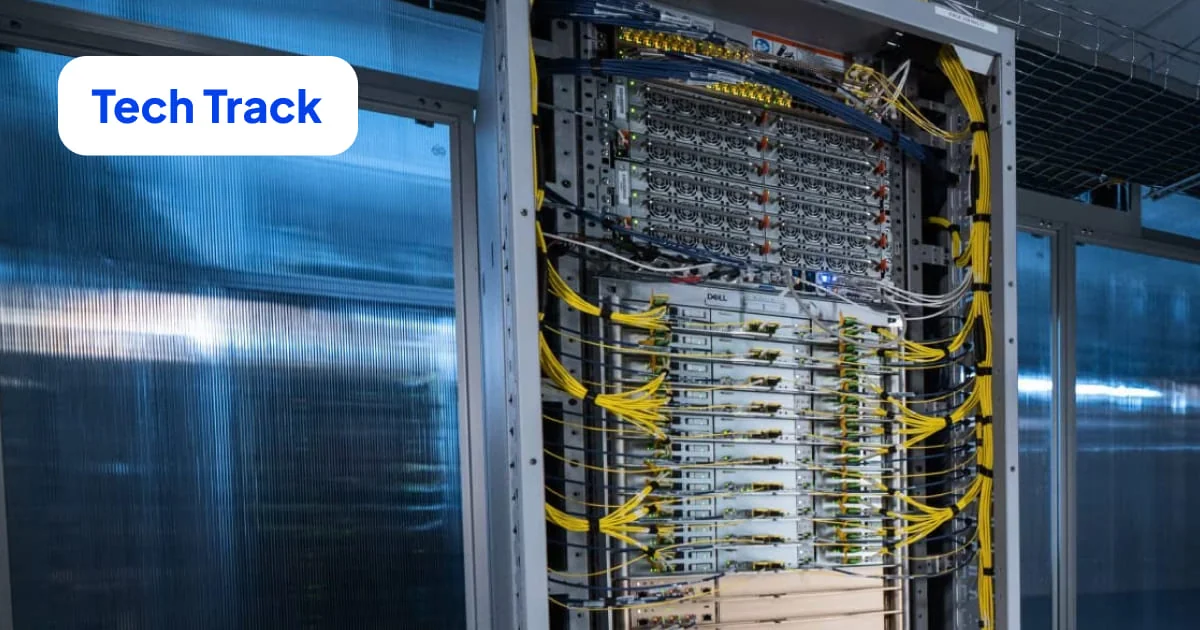
CoreWeave matters because it is a prominent neocloud: it secures Nvidia GPUs at scale and rents them to AI companies. The fear is that its funding problems could spread to other AI infrastructure firms.
Neoclouds grew fast, and so did the burden
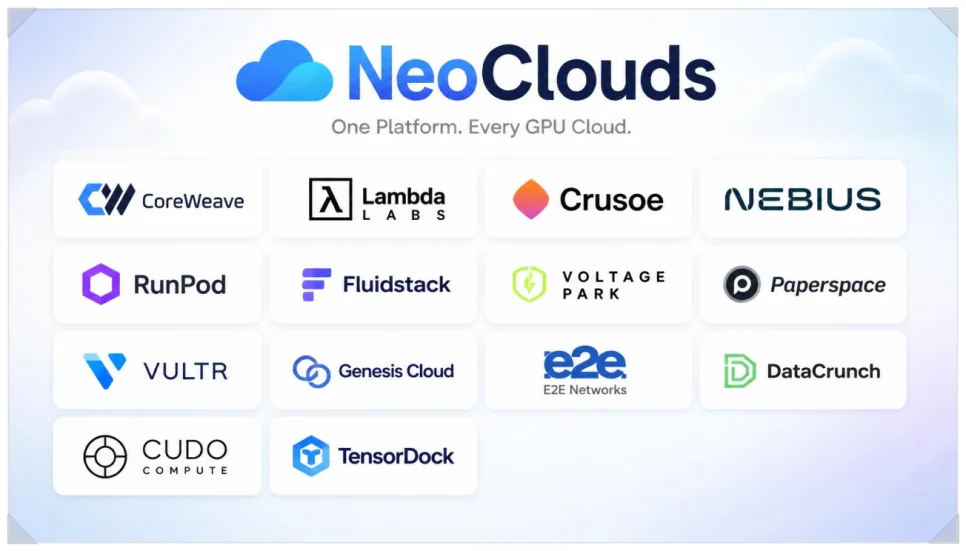
CoreWeave is a leading neocloud. Unlike AWS, Microsoft Azure or Google Cloud, which offer a broad range of services, a neocloud specializes in renting GPU computing for AI training and inference. Other names in the group include Nebius, Lambda and Crusoe. CoreWeave grew quickly by signing major AI companies such as OpenAI and Meta.
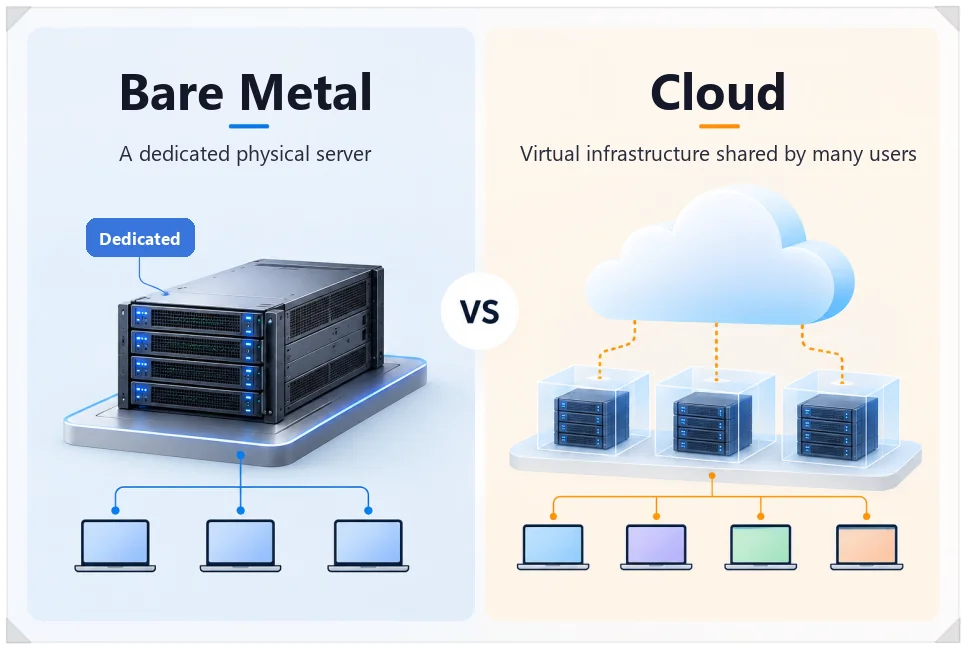
Its strengths are bare-metal access, where customers use the GPU servers directly, and infrastructure tuned for AI work. AI companies can train models or run services on large GPU clusters without building their own data centers.
Building first, getting paid later
Building that infrastructure takes enormous up-front investment. Microsoft and Google can cover much of the cost with cash from their existing businesses. Neoclouds like CoreWeave rely much more on outside money.
CoreWeave has used asset-backed loans through special purpose vehicles (SPVs, separate entities that hold the assets as collateral) and corporate bonds. The model is simple: build the GPU infrastructure first, then recoup the investment from what customers pay to rent the computing power.
The GPU upgrade cycle
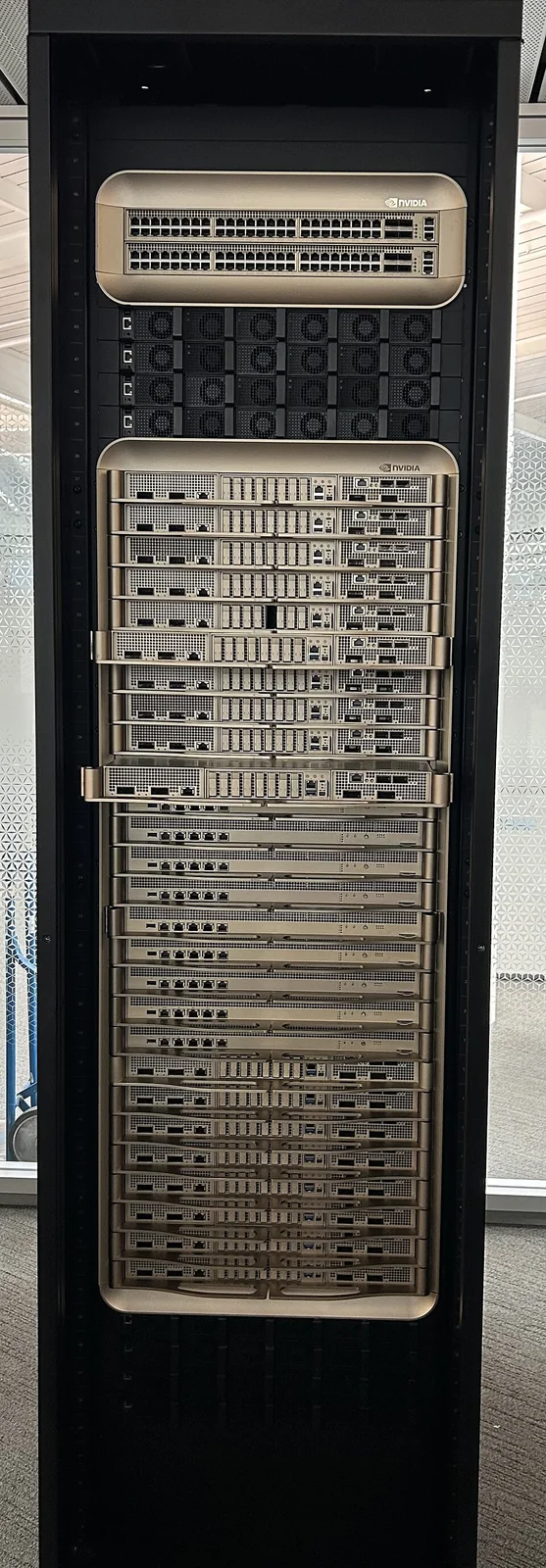
GPU generations are another burden. Nvidia releases a new GPU architecture every one to two years, moving from Hopper to Blackwell to Rubin, with better performance and power efficiency each time.
A new GPU does not make older ones unusable overnight. But as more powerful chips arrive, rental prices for older GPUs can fall.
Power, cooling and delays
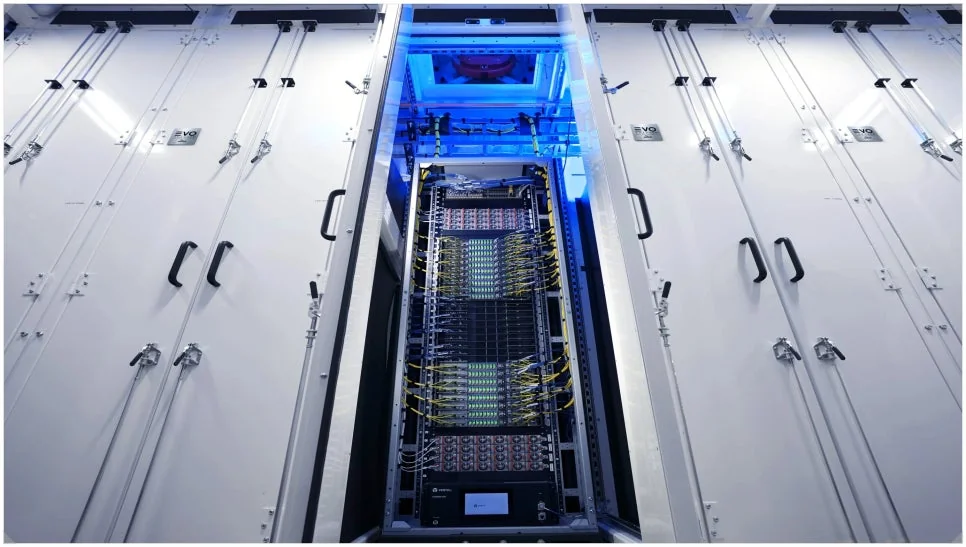
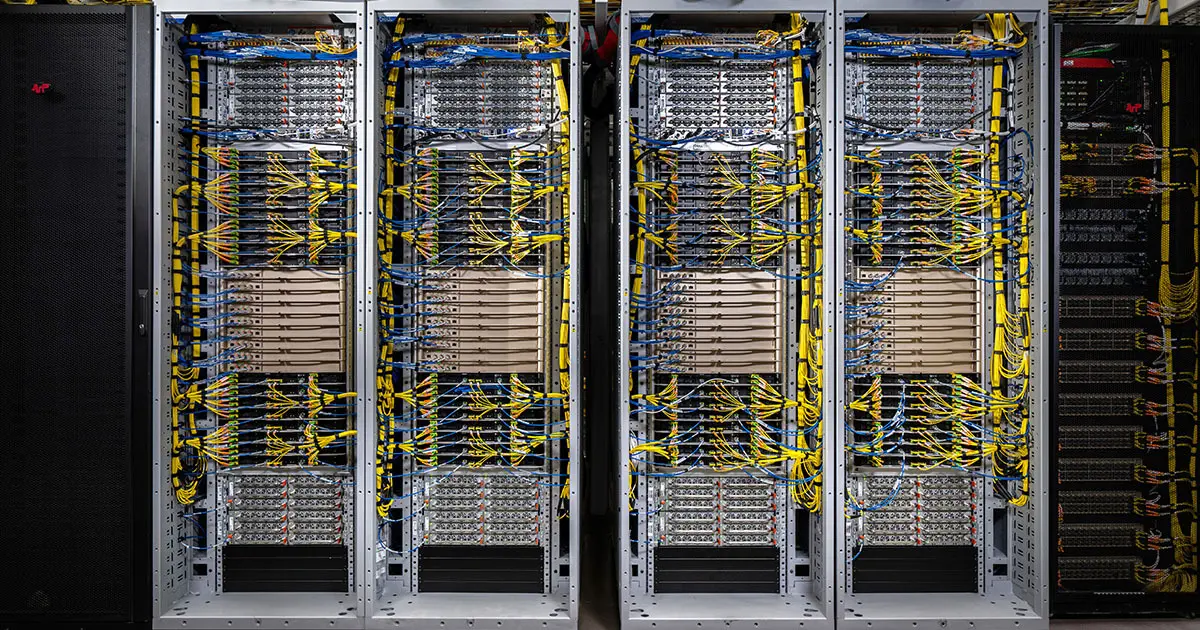
Running GPU servers also takes massive power, liquid cooling and high-speed networking. If a data center is finished late or power arrives late, GPUs can sit idle even after they are bought. Interest and maintenance costs keep coming in the meantime.
For a data center, owning lots of the latest GPUs is only half the story. Bringing that infrastructure online on time and keeping utilization steady matters just as much.
Anthropic’s slowdown and Nvidia’s stance
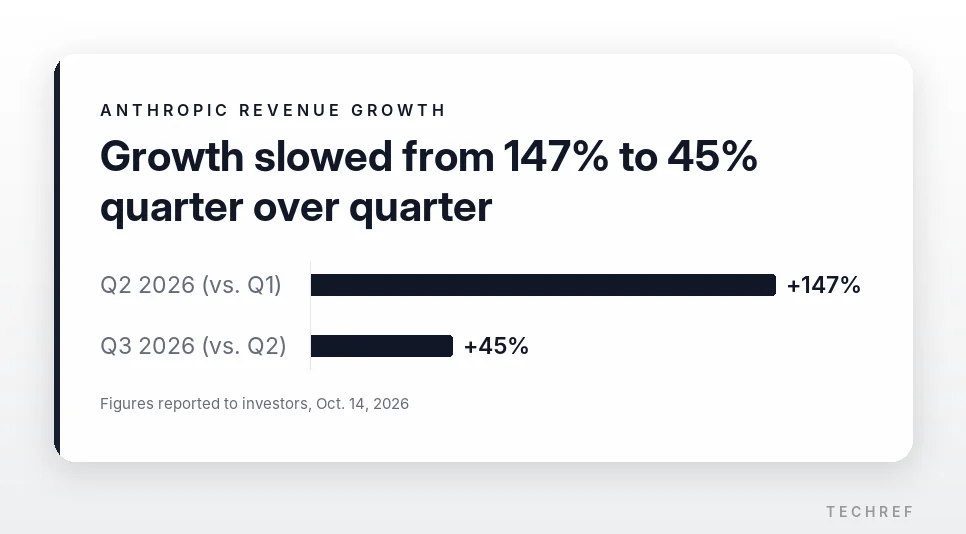
Worries about slowing growth at Anthropic, the AI model developer, added to the unease around CoreWeave. Anthropic’s third-quarter revenue reached $16.8 billion, up 45% from the previous quarter, and it reportedly turned a profit on an adjusted basis (these figures were shared with prospective investors and are not audited). We covered Anthropic’s Q3 numbers in more detail here.
Revenue is still rising, but more slowly. Growth was about 147% quarter over quarter in Q2 and slowed to 45% in Q3.
Anthropic is expanding in enterprise AI around Claude and Claude Code. But if AI models become more efficient or competition heats up, GPU usage may not rise as fast as revenue.
Anthropic’s commitments for future cloud and data center use total $518 billion, spread over about a decade. That is large next to its 2025 revenue of roughly $4.6 billion. If AI services grow more slowly than expected, infrastructure plans could be affected.
Nvidia: shareholder, supplier and buyer of last resort
Nvidia’s position drew attention as well. It owns about 10% of CoreWeave and supplies its GPUs. It has also agreed to buy up to $6.3 billion of capacity CoreWeave cannot sell, through April 2032.
In Stockholm on Oct. 15, Nvidia CEO Jensen Huang said CoreWeave’s competitiveness keeps improving and that it does not need any further financial support from Nvidia.
The stock briefly rebounded 5.9% after his remarks, but worry in the bond market persisted. Nvidia’s purchase commitment does not guarantee all of CoreWeave’s debt.
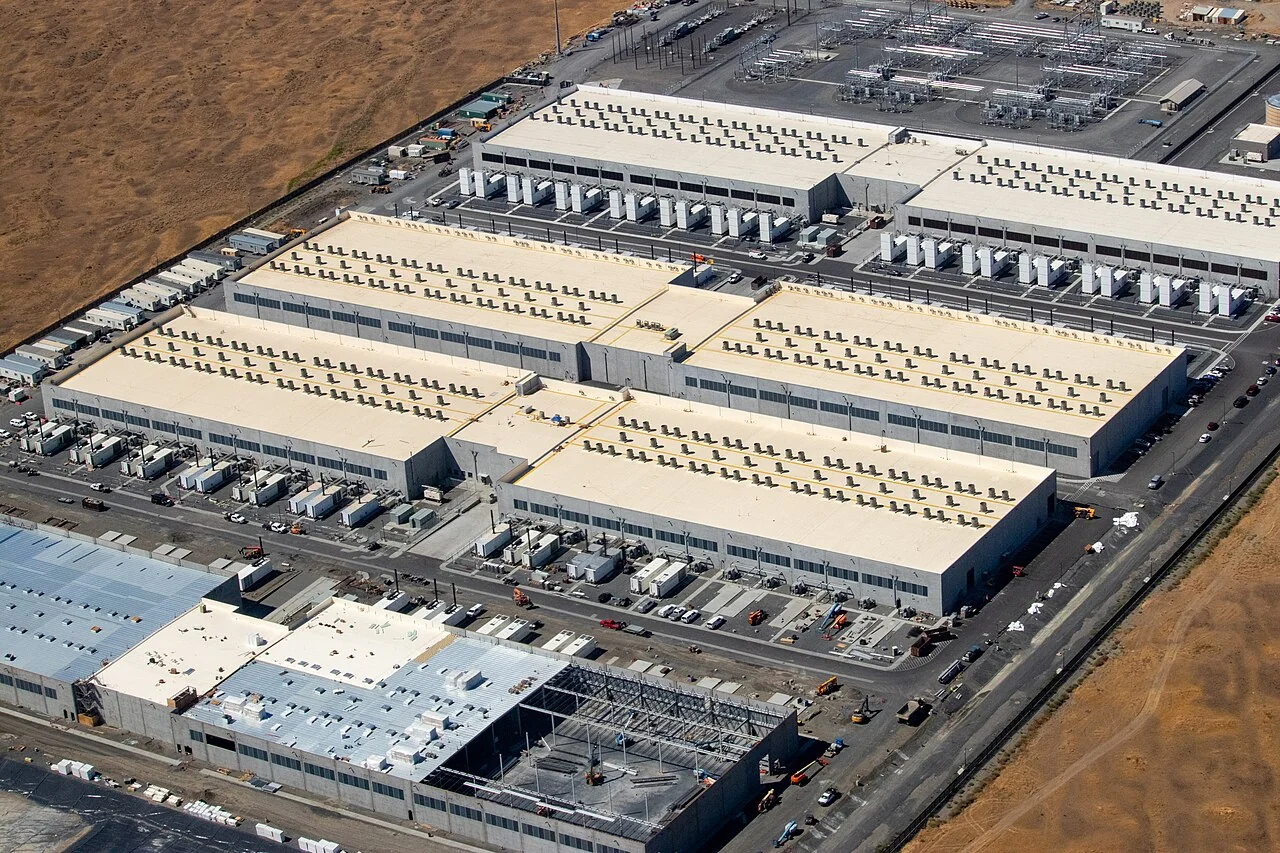
The mood spread to other AI infrastructure companies, including Nebius, Applied Digital and IREN. Oracle, which is building data centers at huge scale, is facing renewed scrutiny of its financing too.
The AI bubble debate shifts to GPU payback
Until now, AI bubble talk focused on how much money services like ChatGPT and Claude can actually make.
This time the question is different: can the GPU servers and data centers built to run AI models earn back what was spent on them?
Revenue, losses and a $104.2 billion backlog
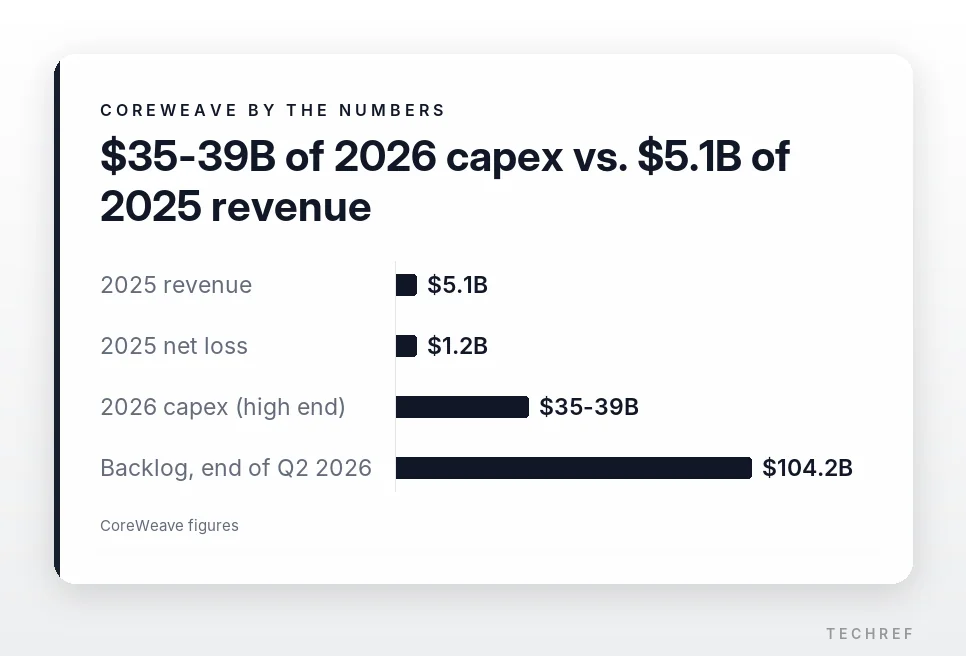
CoreWeave posted 2025 revenue of $5.1 billion but a net loss of $1.2 billion. Its expected capital spending for 2026, meanwhile, is $35 billion to $39 billion.
CEO Michael Intrator said CoreWeave had a $104.2 billion backlog at the end of the second quarter and expressed confidence about repaying its debt. But backlog is revenue still to be earned as services are delivered. However many contracts it signs, money only comes in once GPU servers are installed, connected to power and networks, and actually serving customers.
With bond yields as high as 16%, borrowing more or rolling over existing debt can mean paying much more interest. Even if AI demand holds up, delays in building data centers could hurt profitability.
For CoreWeave, what matters now is how fast it can turn signed contracts into running services and raise utilization of its GPU clusters. Beyond adding new GPUs, it has to keep older equipment busy and lock in reliable power.
Bottom line: AI data centers now have to prove they pay
The CoreWeave turmoil is less a sign that AI demand is falling than a sign of the strain from expanding data centers this fast. As AI models advance, GPUs and data centers matter more, but not every company that has spent heavily will turn a profit.
The numbers to track from here are not just AI companies’ revenue growth but also GPU utilization and when data centers come online. The key question is whether CoreWeave can turn its huge contracts into running services and steady income.