SpaceX AI Revenue Passes Starlink: Terafab, Starmind and a Possible Tesla Merger
Key takeaways
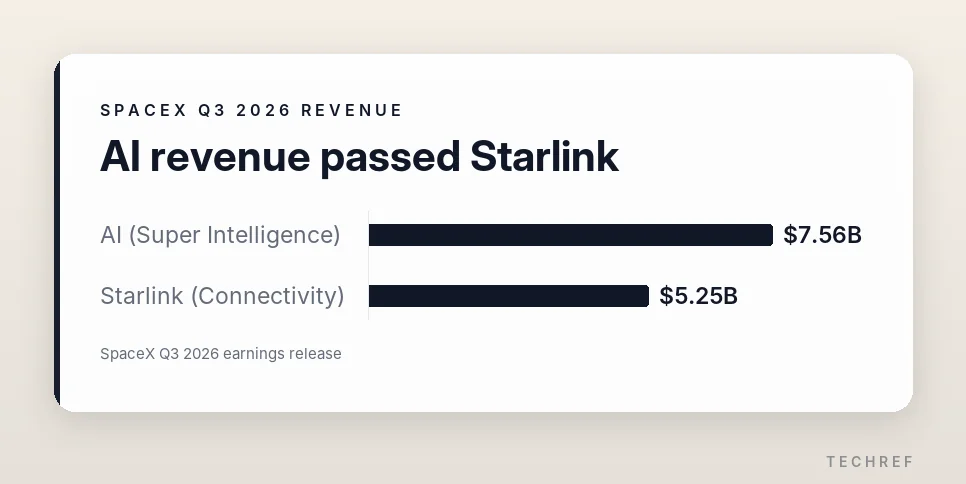
- SpaceX’s AI segment earned $7.56 billion in Q3 2026, more than Starlink’s $5.25 billion.
- AI took $16.4 billion of $19.6 billion in capex; SpaceX says new compute pays back in under a year.
- Terafab chips, Starmind orbital data centers and a possible Tesla merger are the next big bets.
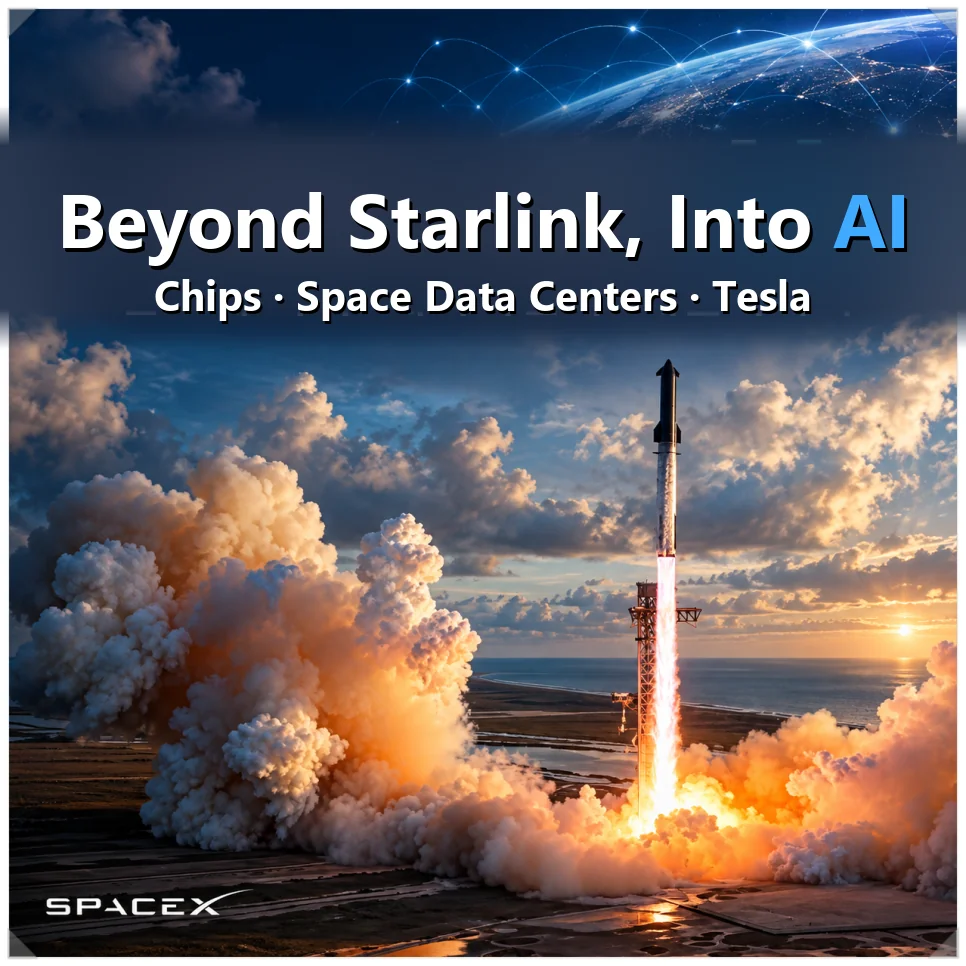
When people think of SpaceX, rockets and Starlink usually come first. But SpaceX AI revenue is now the bigger number. In the third quarter of 2026, the AI segment brought in $7.56 billion, ahead of Starlink’s $5.25 billion, according to SpaceX’s Q3 2026 earnings release.
The more interesting part is how SpaceX is growing that business. It is securing its own power for data centers, building a chip fab and even planning data centers in space. Below, I walk through each piece, along with the Tesla merger talk that has resurfaced.
SpaceX AI revenue: power and profitability decide the race
Scaling AI data centers takes more than GPUs. It takes a lot of electricity. Even with top-end chips in hand, a data center can’t come online on time if the transmission lines or substations can’t deliver enough power.
At Colossus in Memphis, Tennessee, SpaceX supplies power with large gas turbines tied to Tesla Megapack batteries. The Megapacks smooth out the sharp swings in power demand that come as GPU workloads rise and fall. Satellite imagery has shown hundreds of Megapack units at the Colossus 2 site, Canary Media reported.
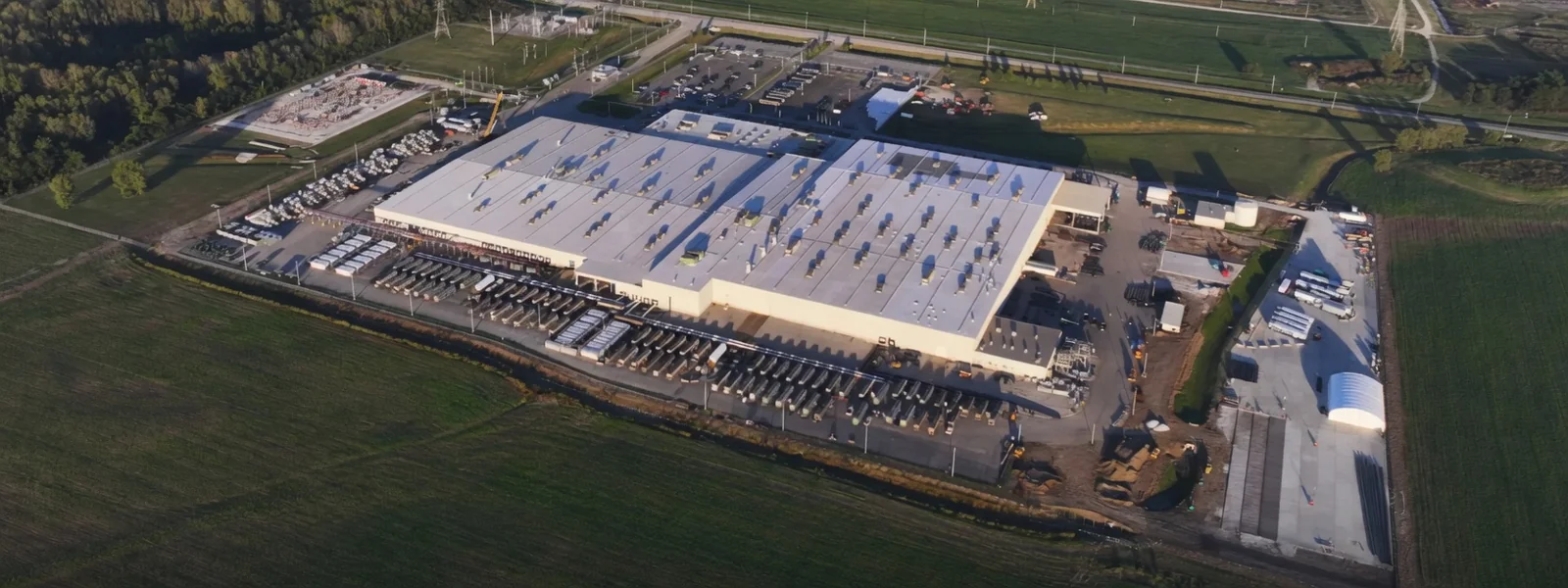
As of the third quarter of 2026, SpaceX had 1.7 gigawatts (GW) of AI compute capacity. It is aiming for 2.5 to 3 GW by the end of the year and more than 10 GW of additional capacity in 2027, per the earnings release and the Q3 earnings call. It also leases compute to major AI companies such as Anthropic and Google, Fortune reported.
The spending is enormous. Of $19.6 billion in total third-quarter capital expenditures, $16.4 billion went to the AI segment. The segment’s operating income over the same period was about $431 million, small next to that investment, according to the earnings release.
The less-than-a-year payback claim
On the Q3 earnings call, SpaceX’s CFO said new compute deployments pay for themselves in less than a year at current pricing. Demand is strong enough that compute leasing prices are running slightly above the top of the $30 to $50 per watt range.
That doesn’t mean the whole AI business earns back its investment within a year. It is an estimate for new capacity only, and it holds only if high lease rates and utilization last. SpaceX also guided fourth-quarter capex to $35 billion to $40 billion (earnings call), so the real question is whether returns keep pace with the spending.
Cursor and Grok: moving into AI software
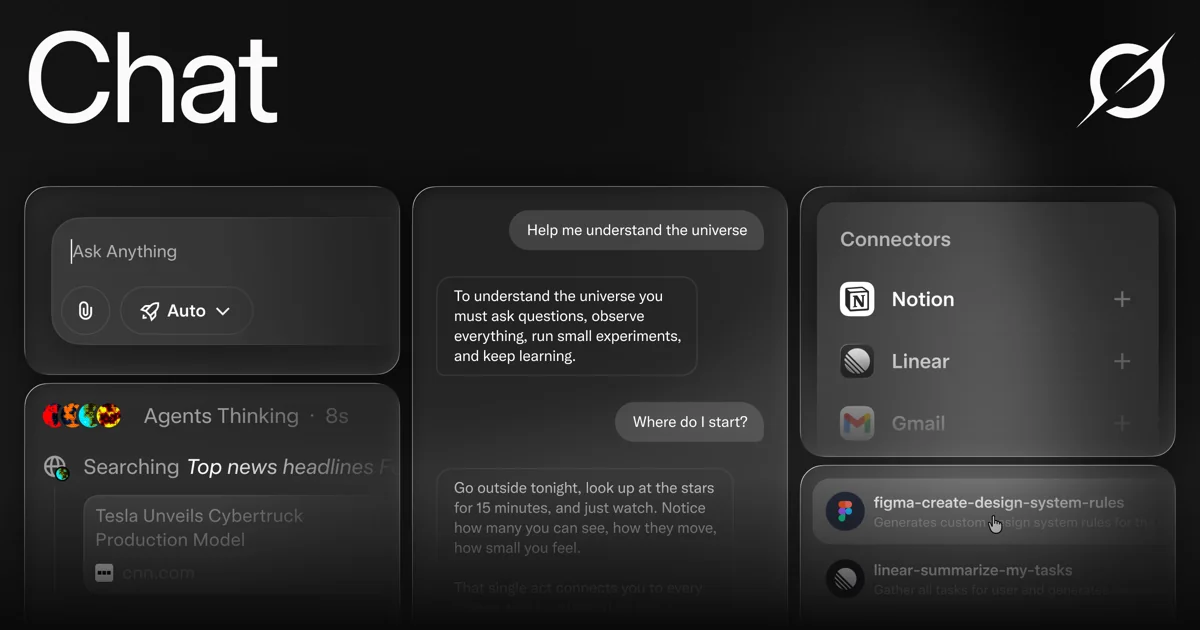
SpaceX is also expanding into software through Cursor, the AI coding platform. It closed the deal on Aug. 14, 2026, at an implied equity value of $60 billion, according to the earnings release.
The goal is to use the code-change data that piles up during development to improve its Grok models. It is a push beyond renting out GPUs and into AI software itself.
Terafab: SpaceX wants to make its own AI chips
Even with enough power, a shortage of chips would still cap data center growth. Advanced chips are designed, manufactured and packaged by different companies, which makes it hard to ramp output quickly.
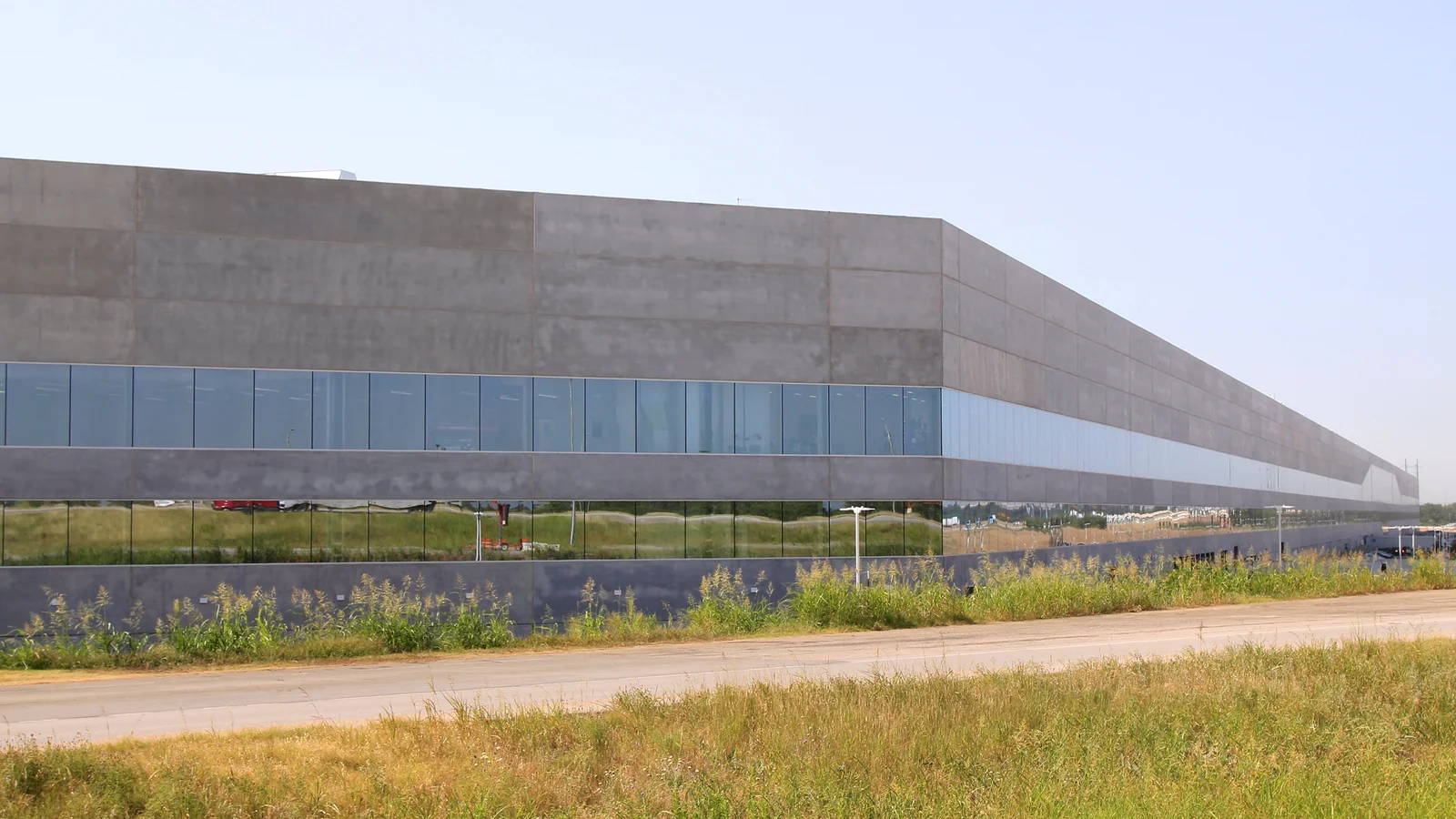
Terafab, a chip plant SpaceX and Tesla are pursuing together, aims to bring those steps under one roof. It is planned for Grimes County, Texas. SpaceX proposed $55 billion to start, and total spending could reach $119 billion depending on how many phases are built, Bloomberg reported via Yahoo Finance. In August, SpaceX said the first phase alone is more than $16.8 billion, KBTX reported.
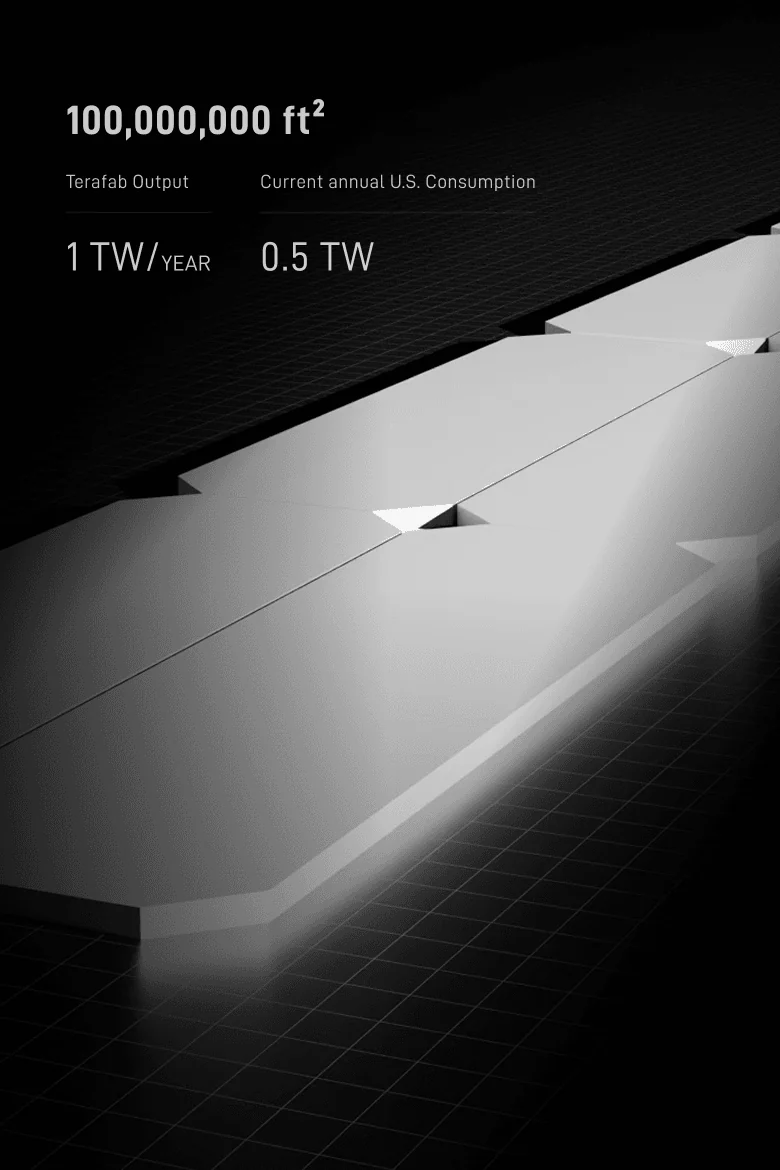
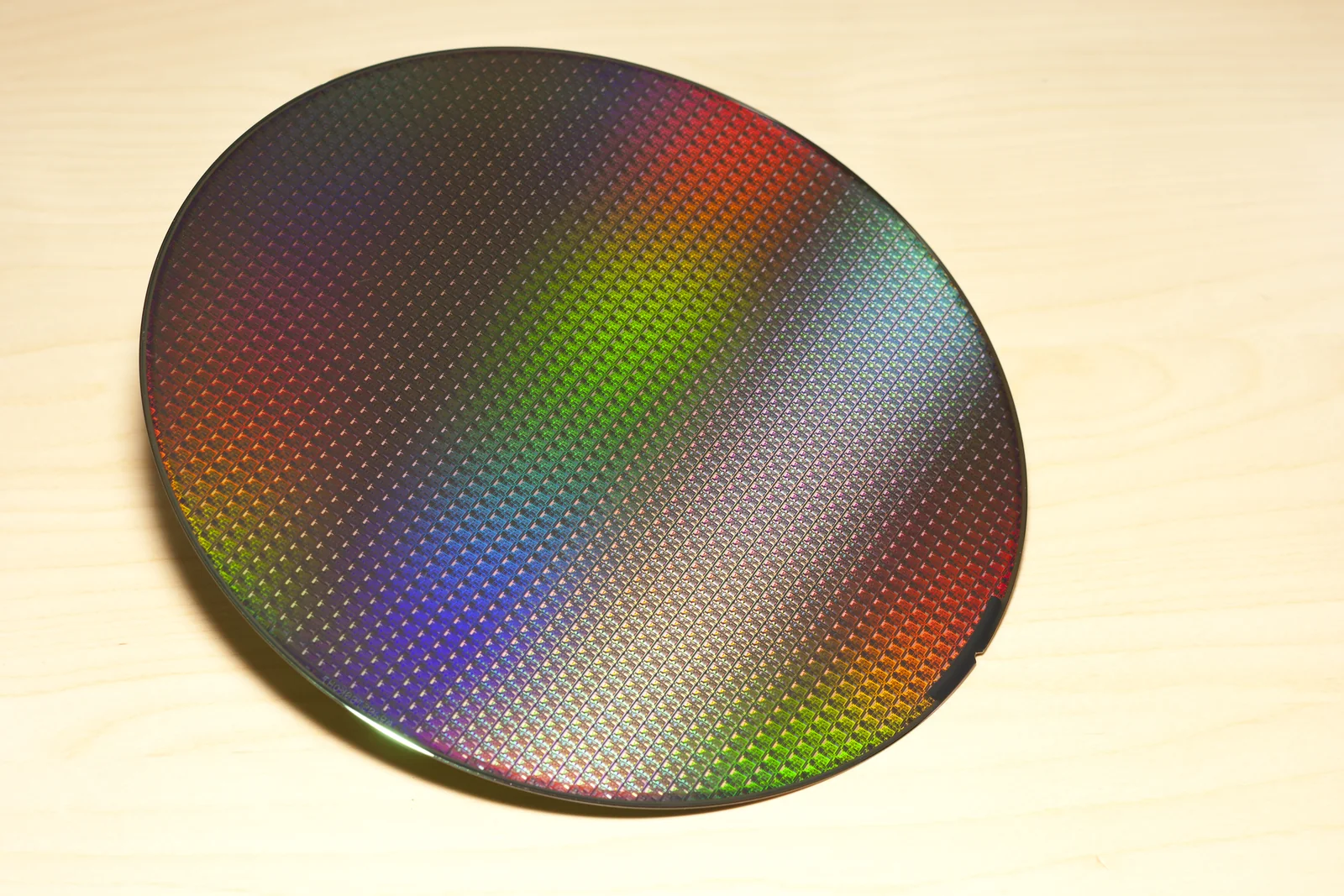
The plan is to produce logic chips and memory, plus 2.5D/3D packaging that stacks multiple chips together, all at one site. Other pieces drawing attention include a planned role for Intel’s 14A process, which Musk said Terafab will use (Yahoo Finance), a research facility in Austin and an investment from Korean chip-equipment maker Hanmi Semiconductor.
The long-term goal is AI computing hardware on the scale of 1 terawatt (TW) a year. That covers everything from the AI5 and AI6 chips for Tesla’s self-driving cars and Optimus robots to chips for space data centers. But building a fab and mass-producing leading-edge chips are two different problems. Stable production yields will be the real test.
Starmind: AI data centers in orbit
SpaceX is also working on Starmind, a project to put AI compute hardware in orbit. Data centers on the ground spend heavily on power and cooling. In space, the idea is to run on solar power instead.
That doesn’t make cooling servers in space easy. In a vacuum, there’s no air to carry heat away, so satellites need liquid cooling loops and large radiators. Deep space sits at about 3 kelvin (K), but how well a satellite actually sheds heat depends on its radiator area and design.
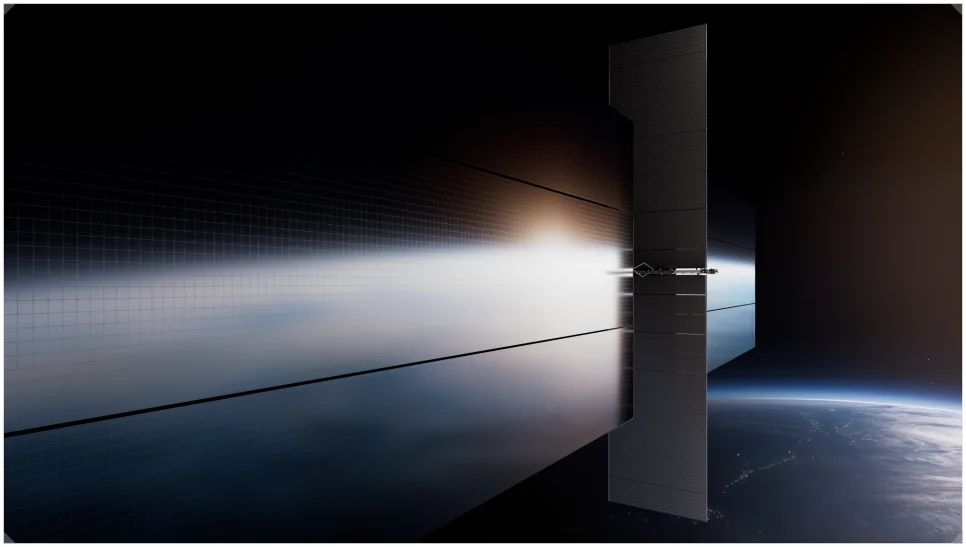
The first-generation Starmind satellite, AI1, has a deployed height of 30 meters and a wingspan of 75 meters, per SpaceX’s Starmind page. It targets up to 250 kW of AI compute at peak and 175 kW on average. It will use hardware from Nvidia’s Vera Rubin line, Heise reported.
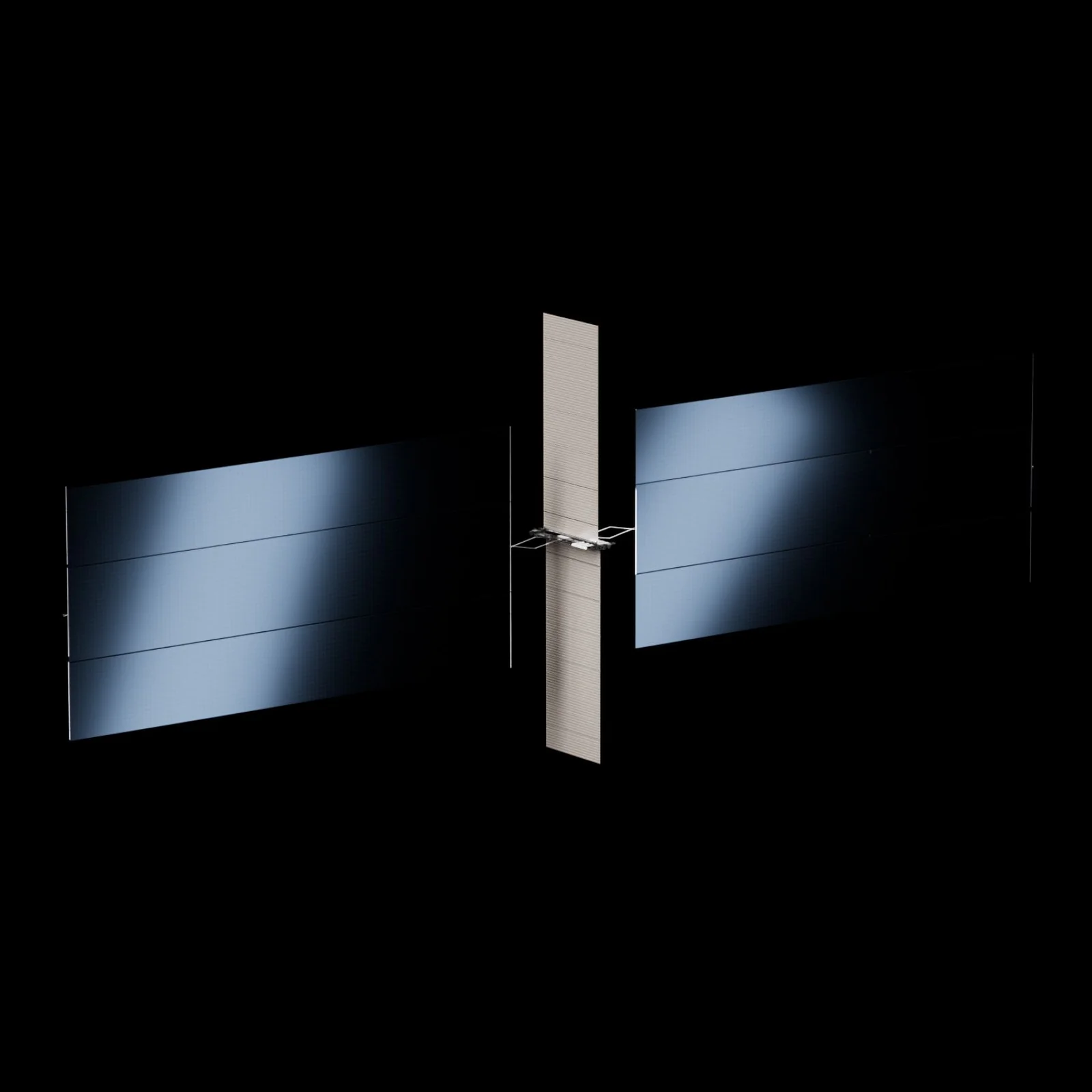
The satellites draw solar power in sun-synchronous orbit (SSO), an orbit that keeps them in steady sunlight. Results travel back to the ground over Starlink’s inter-satellite laser links. SpaceX aims to deploy AI satellites at scale starting in late 2027. Launch costs, hardware lifespan and radiation-induced failures are still unsolved problems.
What a Tesla merger could change
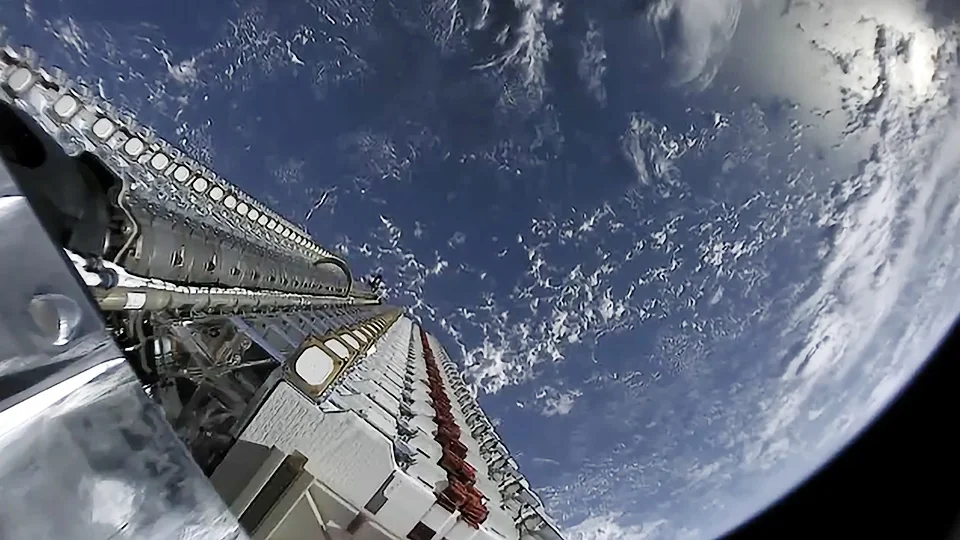
Talk of a SpaceX–Tesla merger has picked up again. No terms have been set, and shareholder approval and conflicts of interest still have to be worked through. On the Q3 call, Musk said both companies have formed special committees, which have not agreed on the terms of any deal.
The two companies already work together in several areas. Tesla Megapacks help stabilize power at SpaceX data centers. SpaceX’s compute could also be used to train AI for Tesla’s Full Self-Driving (FSD) software and Optimus robots.
Add Terafab chips in cars and robots, connected by Starlink, and you get a single chain from the data centers that train AI models to the devices that run them. Not all of this technology is commercial yet, but the overlap between the two companies is wide.
Even if a merger happens, the combined company would still have to sort out investment priorities and how its businesses run. Merger or not, what counts is what the current partnerships actually deliver.
The hurdles still ahead
The technical problems are real. Terafab needs ASML’s most advanced lithography machines and has to push chip yields up. Starmind has to withstand space radiation and debris strikes, and broken hardware in orbit can’t easily be swapped out.
There’s also no guarantee that today’s high compute prices will last. As rivals add data centers, compute prices could fall and squeeze margins. Revenue and cash flow, not just capex, are the numbers to watch from here.
Can the AI business turn into steady profit?
SpaceX is moving beyond running AI data centers into power, chips and space infrastructure. The claim that new compute pays back in under a year stands out, and whether SpaceX AI revenue stays that profitable is the key question.
None of the bigger bets is settled yet. The next few quarters will show whether chip production and data center expansion stay on schedule and turn into steady profits.
Related reading
- Anthropic’s Q3 Revenue Hit $16.8 Billion. Why AI Bubble Fears Are Growing Anyway
- CoreWeave Stock Plunges 25%: Why Neocloud Debt Is Reigniting AI Bubble Fears