Intel D270: Why Intel Chose LPDDR5X Over Expensive HBM for AI Inference
Key takeaways
- Intel’s D270 pairs up to 480GB of LPDDR5X with a 350W, air-cooled PCIe 5.0 card instead of HBM.
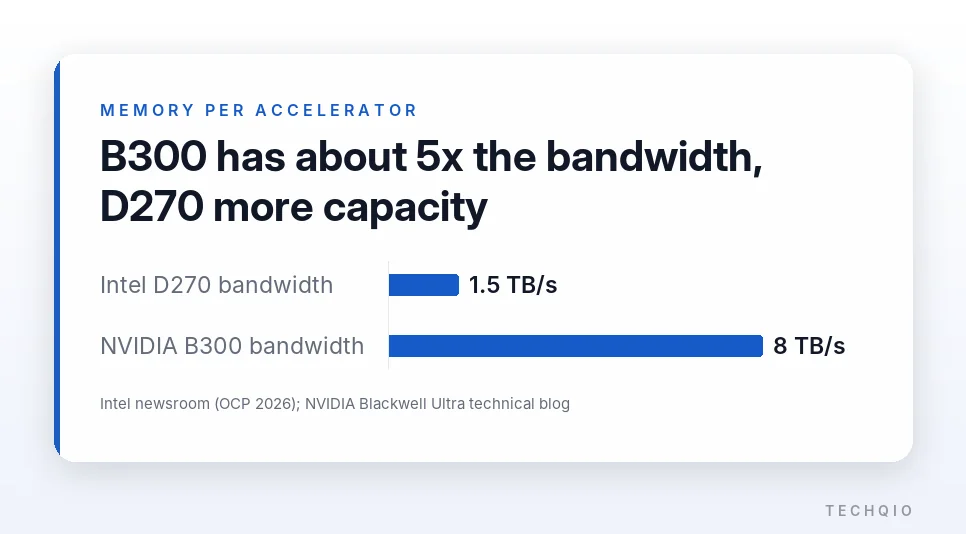
- Its 1.5 TB/s bandwidth is about a fifth of Nvidia B300’s 8 TB/s, which can slow responses for latency-sensitive services.
- It targets high-batch enterprise inference. Customer sampling is underway, with no price announced.
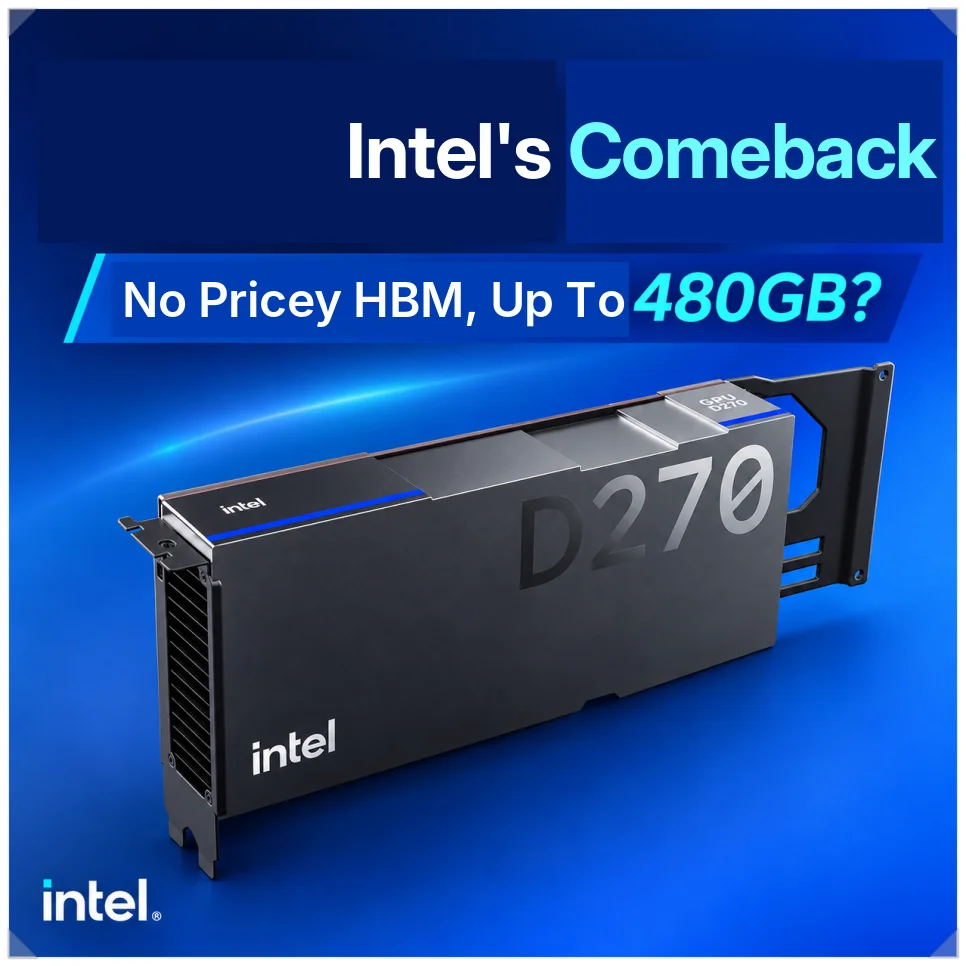
The Intel D270 is an AI accelerator with no HBM at all. Instead it uses up to 480GB of LPDDR5X, the memory found in phones and laptops, and runs at about 350W. That cuts against one of the strongest assumptions in AI hardware.
Most people treat HBM as a must for AI accelerators, and Nvidia and AMD keep racing to fit faster HBM on theirs. The trouble is that HBM is expensive, and the power and cooling around it cost plenty too. Intel’s choice is a bet on cost, capacity and power.
Intel D270 is built for AI inference
The D270 belongs to Intel’s GPU D-Series, the data center AI accelerator known by the code name Crescent Island. It cuts the display outputs and ray tracing a regular graphics card needs and concentrates on the compute and memory handling that AI inference uses.
It’s based on the Xe3P architecture, with 32 Xe3P cores and 256 XMX matrix engines plus 32MB of unified L2 cache. Peak FP8 (8-bit floating point) compute is 1.3 PFLOPS.
The memory is what stands out. Twenty LPDDR5X packages sit on the board around the GPU, and a 1,280-bit bus running at 9,375 MT/s delivers 1.5 TB/s of bandwidth. Intel’s own PCIe card carries 160GB, and partner cards can go up to 480GB.
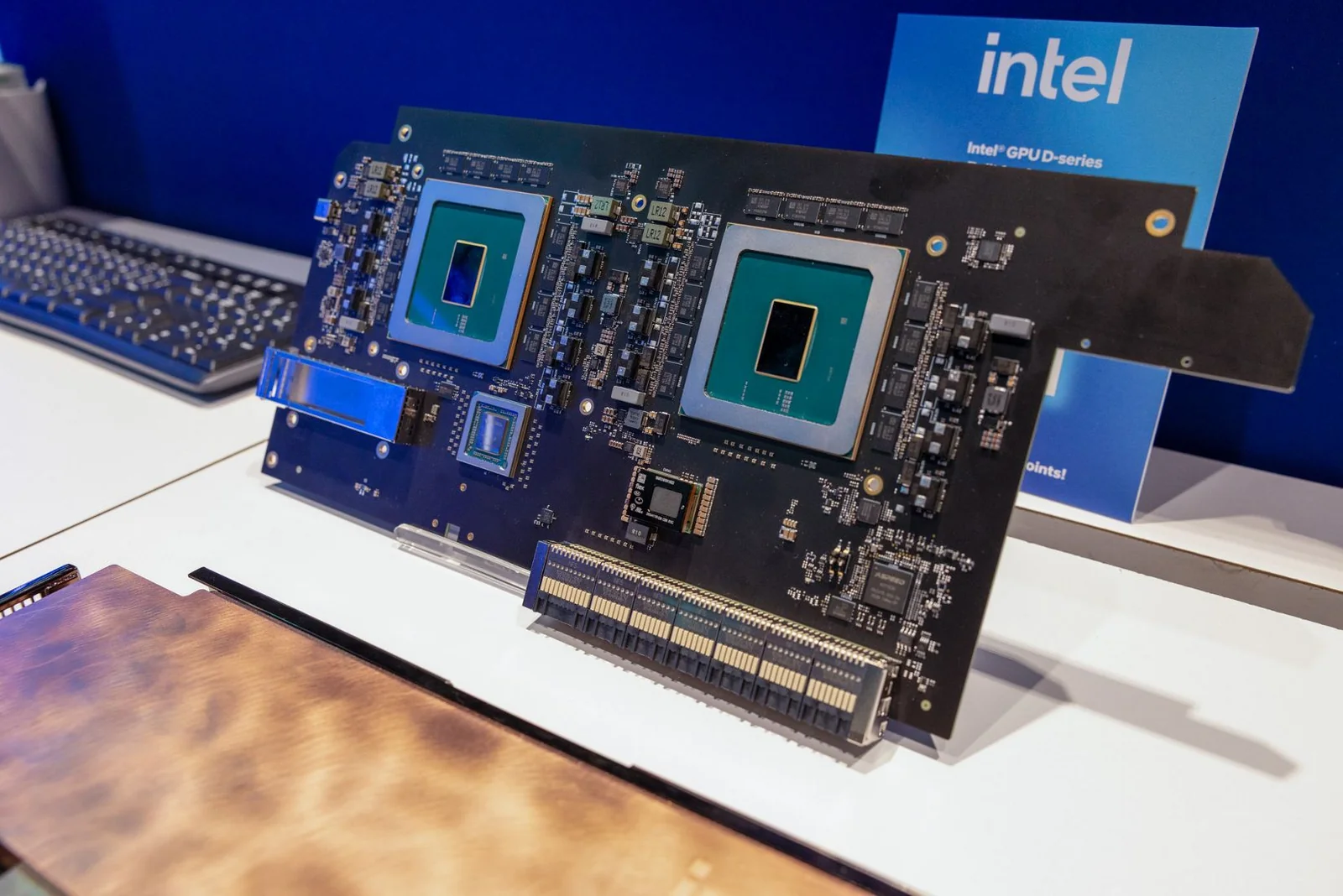
Rather than the complex packaging that stacks HBM vertically, Intel went with LPDDR5X, a memory already common in mobile devices.
Intel hasn’t announced a price or general availability date for the D270. Customer sampling is underway, according to Intel’s OCP 2026 announcement.
Why Intel skipped expensive HBM
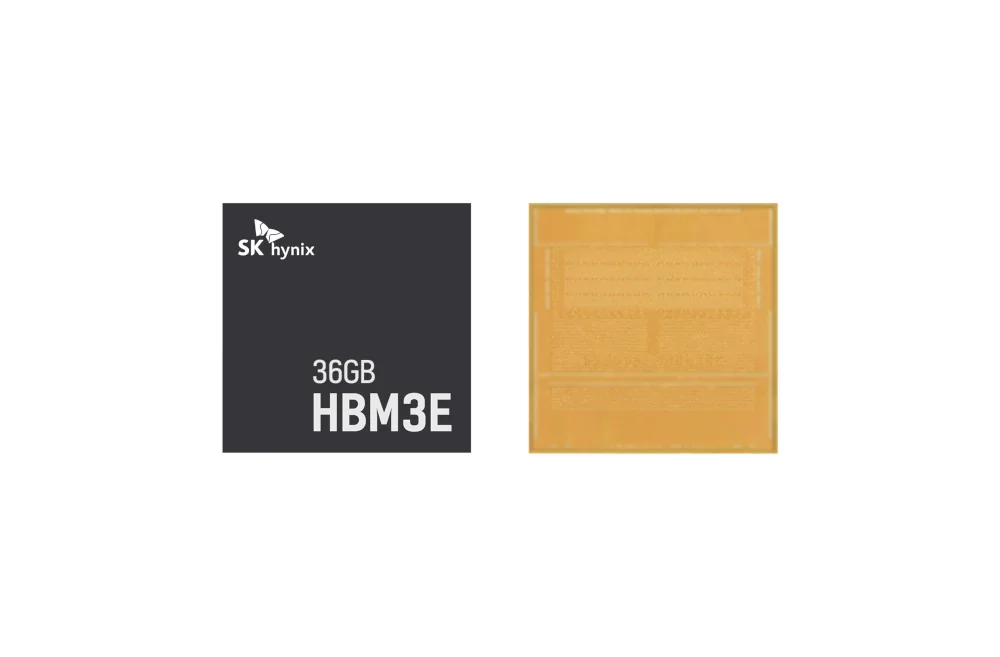
Memory cost is behind Intel’s choice. HBM stacks several DRAM dies vertically to move data quickly, but it’s complex to make and expensive.
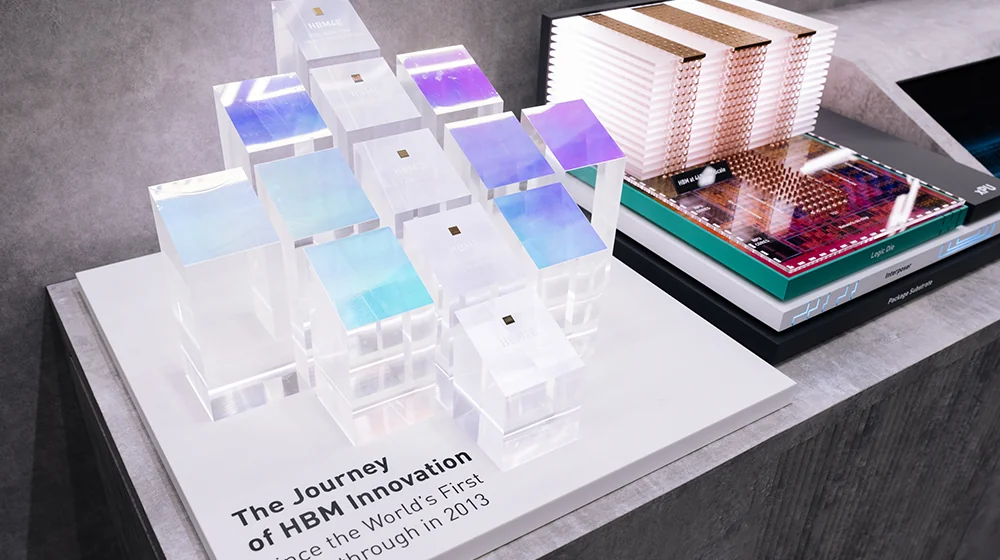
LPDDR5X is the low-power memory used widely in smartphones and laptops. Its bandwidth is lower than HBM’s, but it costs less and makes large capacities easier to build.

The growing weight of inference plays a part too. Running a finished AI model as a service takes fast memory, and it also takes room to hold the model and the conversation history.
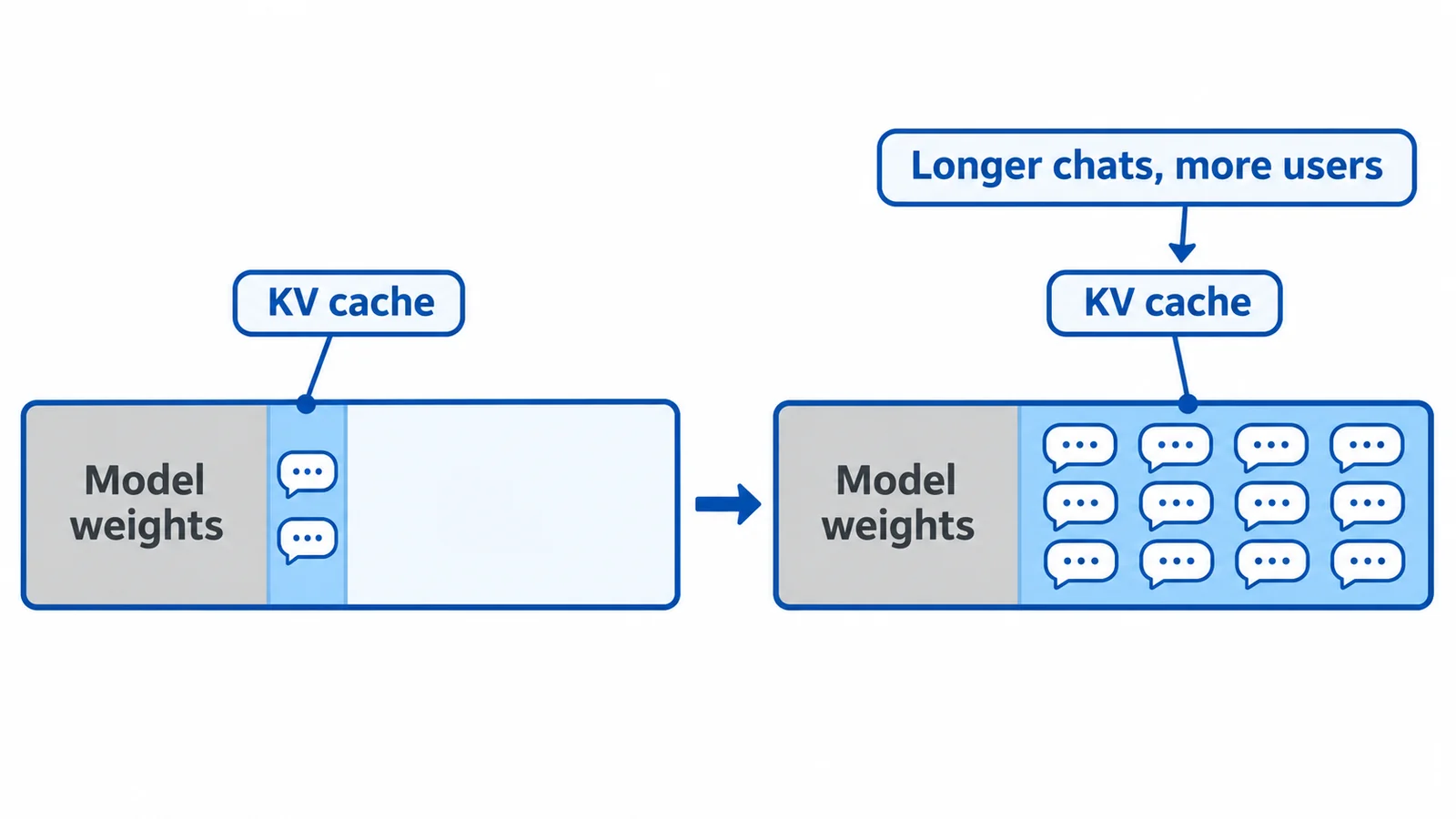
AI models use a KV (key-value) cache to handle earlier parts of a conversation. Longer conversations and more simultaneous users need more memory for it. Agentic AI, which calls many tools and works through complex tasks, makes this even more pronounced.
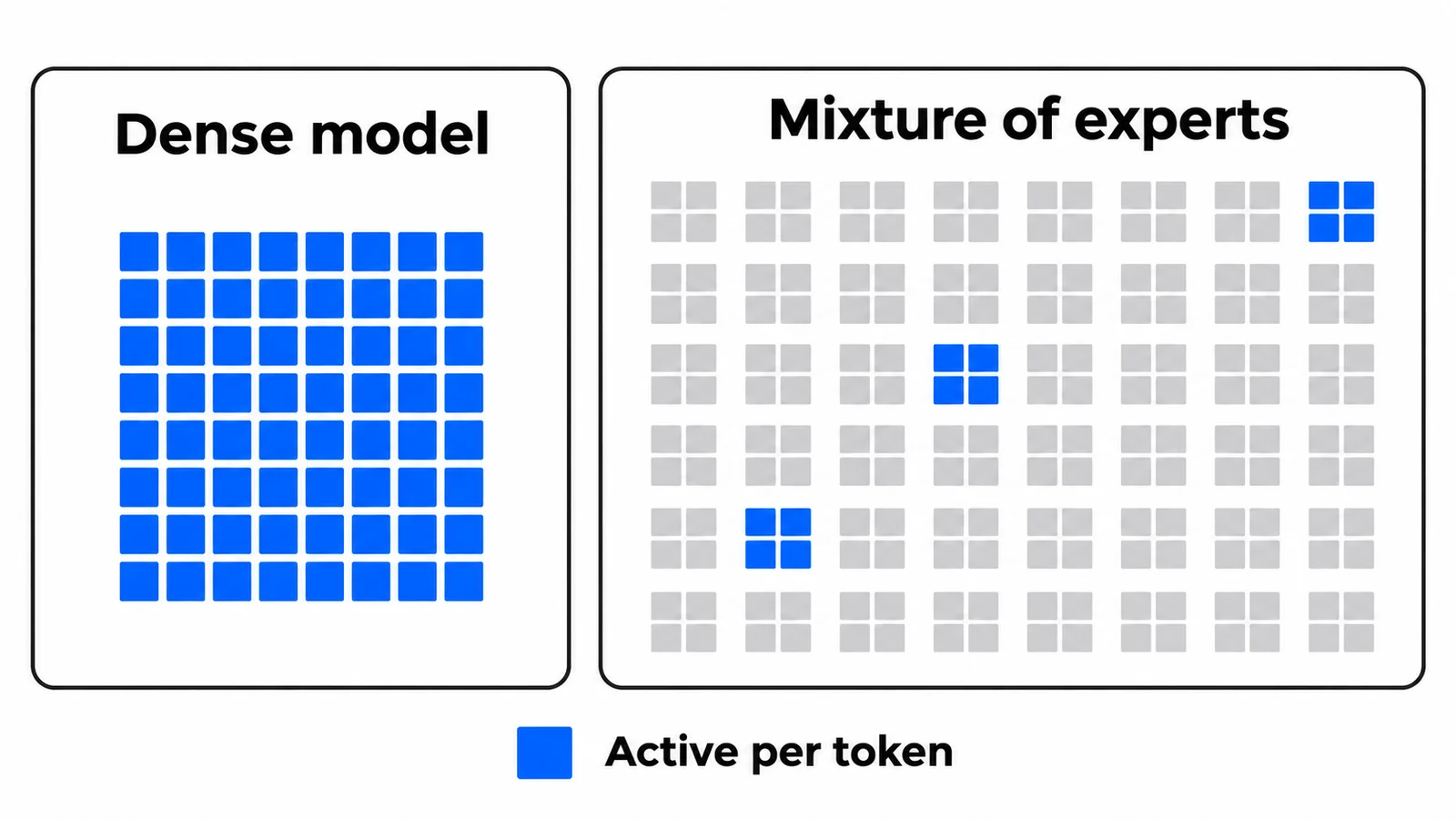
Model design is changing as well. A dense model such as Llama 2 70B uses all of its parameters, while a mixture-of-experts (MoE) model such as Kimi K2, with 1T parameters, activates only 32B of them per token.
Put the two side by side and the total weight size grows about 7.5 times, while the active weights used to generate each token shrink about 4.4 times. Those ratios compare weights in bytes, since Llama 2 70B ships in 16-bit precision and Kimi K2 in 8-bit FP8. A model can need far more memory to store while less data has to be read at any given moment.
350W and air cooling cut operating costs
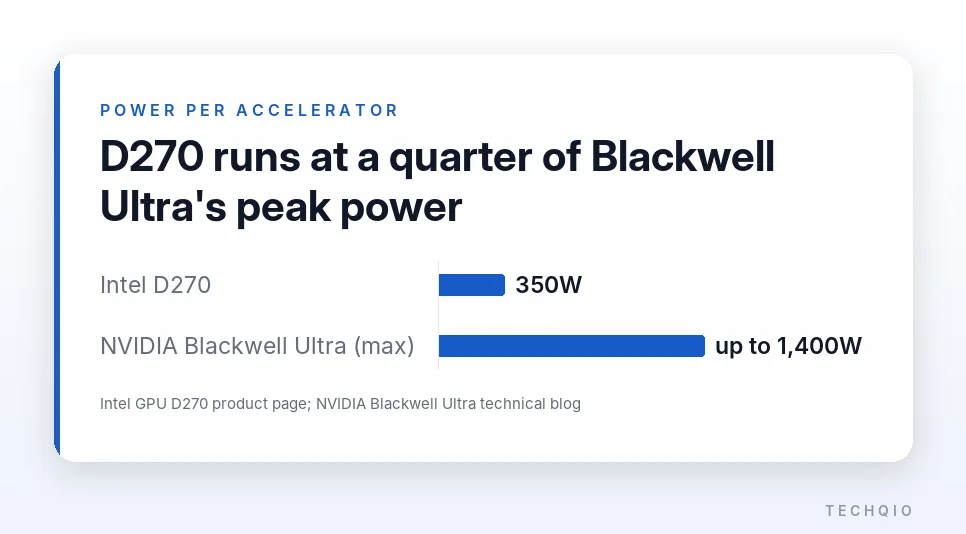
An AI server costs more than its accelerators. Power and cooling take a big share. Some high-performance accelerators draw more than 1,000W, and Nvidia rates Blackwell Ultra at up to 1,400W. Chips like that need dedicated liquid cooling.
The Intel D270 has a 350W TDP and is air-cooled. It’s a standard PCIe 5.0 x16 add-in card, so it goes into existing servers fairly easily.
As long as a server meets the power and internal cooling requirements, it can run AI inference without a large dedicated cooling plant. That could lower both the initial build cost and long-term operating costs.
LPDDR5X’s lower price should help on cost as well. Actual savings will depend on the final product price and server configuration, but the D270 could be a cheaper option than HBM-based accelerators.
How does it compare with Nvidia’s B300?
Capacity and cost favor the D270, but speed is another matter. Nvidia’s Blackwell Ultra B300 class offers 288GB of HBM3e and about 8 TB/s of memory bandwidth.
At 1.5 TB/s, the D270 has about a fifth of that bandwidth. The gap shows most in decode, where the AI generates its answer one token at a time. If a 300B dense model’s weights have to be read in full for each token, simple bandwidth math gives about 5 tokens per second.
Real throughput depends on model structure and caching. Still, services that need fast responses could find this a handicap.
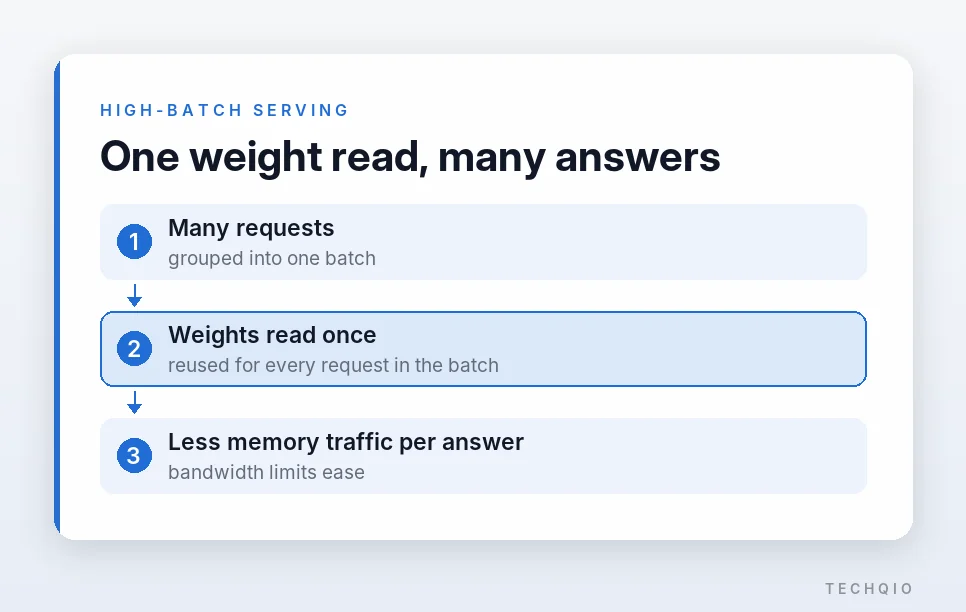
High-batch serving, which groups many users’ requests, is a different story. Weights read once can feed many computations, which eases the memory load. In the prefill stage, where the input is processed first, compute power matters more.
MoE models and techniques such as speculative decoding leave more room for efficiency. The D270 looks better suited to serving many users at once, such as internal chatbots, document search and workflow automation, than to giving one person the fastest possible answer. I’d only call the D270 a real alternative to HBM accelerators once shipping cards show tokens-per-watt results. If those results beat other PCIe cards on power efficiency, I think it can compete even with less raw FP8 compute than AMD’s MI350P.
Will HBM demand at Samsung and SK hynix shrink?
Intel’s switch to LPDDR5X matters to memory makers as well. If more accelerators are built this way, HBM demand at Samsung Electronics and SK hynix could feel the effect.
If LPDDR5X-based products spread through enterprise AI inference, they could take over some HBM demand. Not every AI service needs expensive HBM.
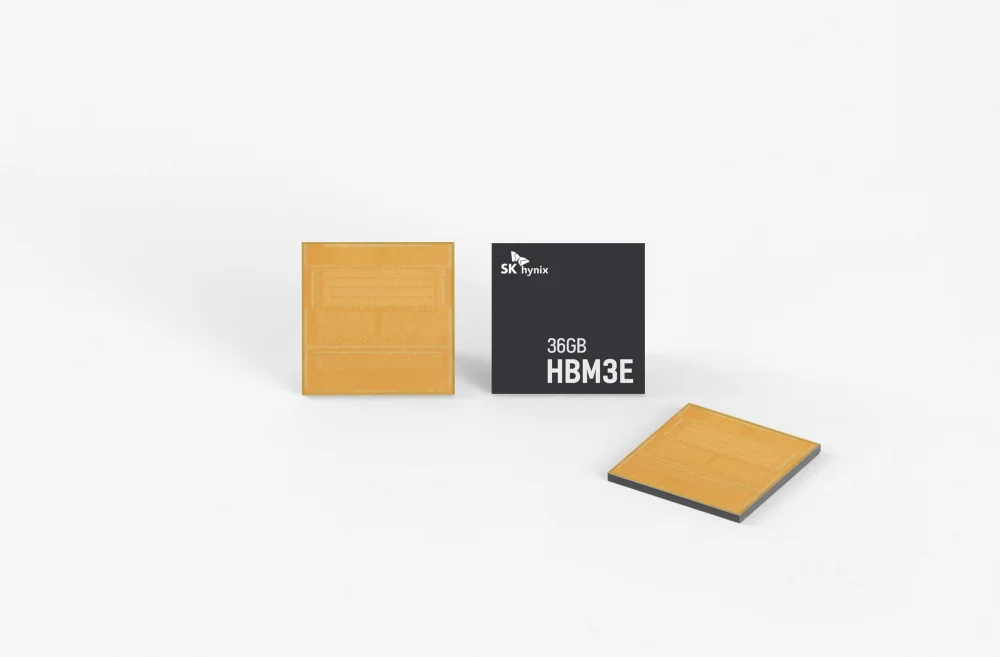
That doesn’t mean the whole HBM market will shrink. Data centers that train large AI models and run fast inference services still need the high bandwidth of HBM3e and HBM4.
The market may split instead. HBM would serve the jobs that need peak performance, and LPDDR5X the inference setups where cost and memory capacity count most. If enterprise inference keeps growing, I expect some HBM demand to move to LPDDR5X-based cards, but I see these accelerators adding a cost-focused inference tier rather than replacing HBM.
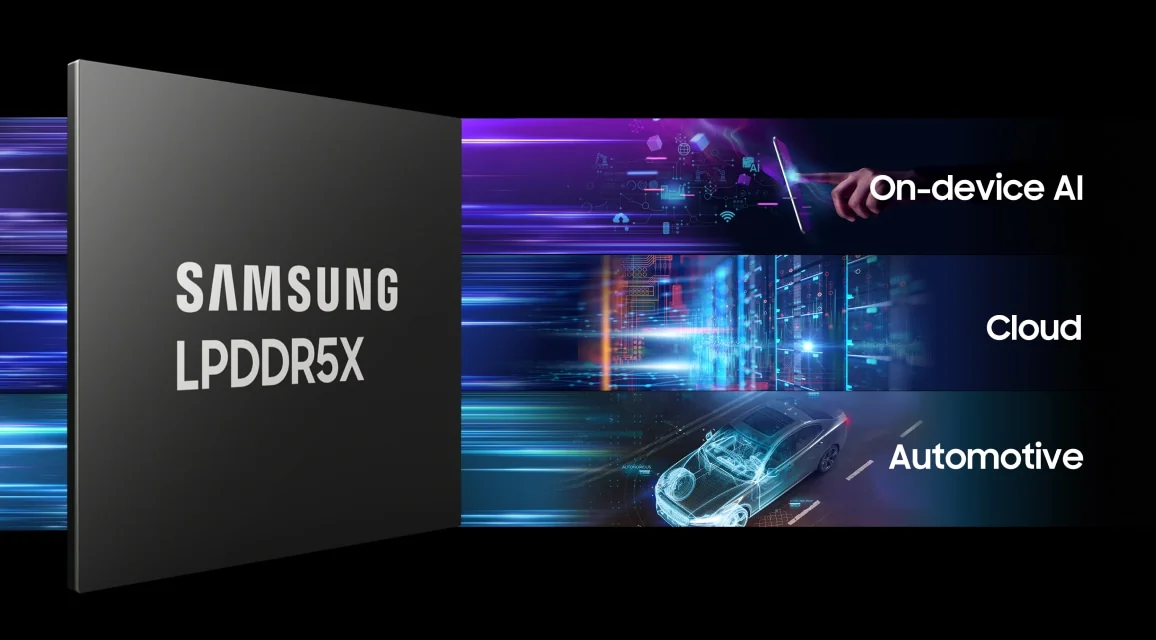
Samsung and SK hynix also supply LPDDR, so this could bring them new demand. If low-power server memory and SOCAMM modules grow, they gain another revenue stream beyond HBM.
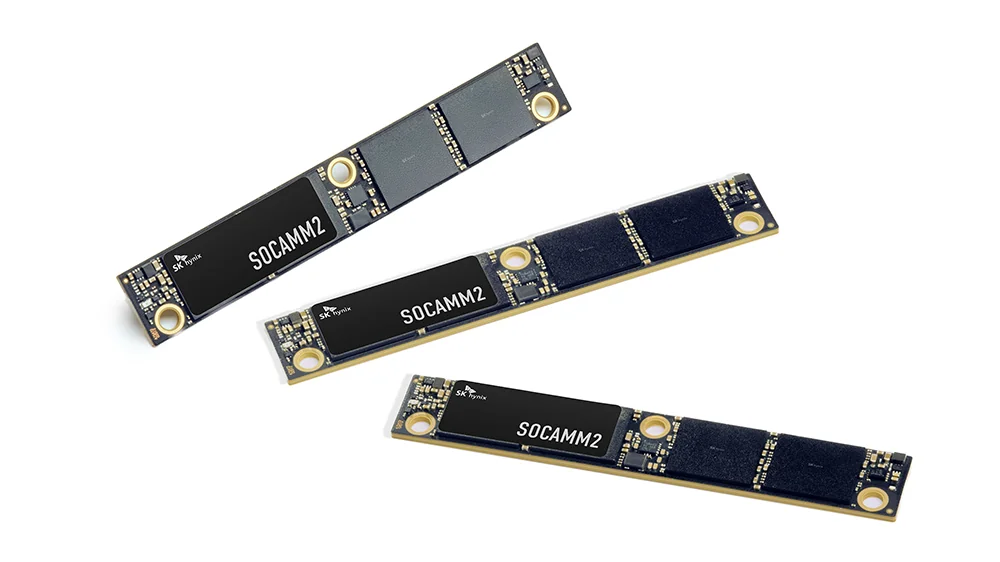
Samsung’s LPDDR5X-PIM, which handles some computation inside the memory itself, deserves attention too. If technology like it can ease the bandwidth problem, server LPDDR could find even wider use.
Software is Intel’s other hurdle
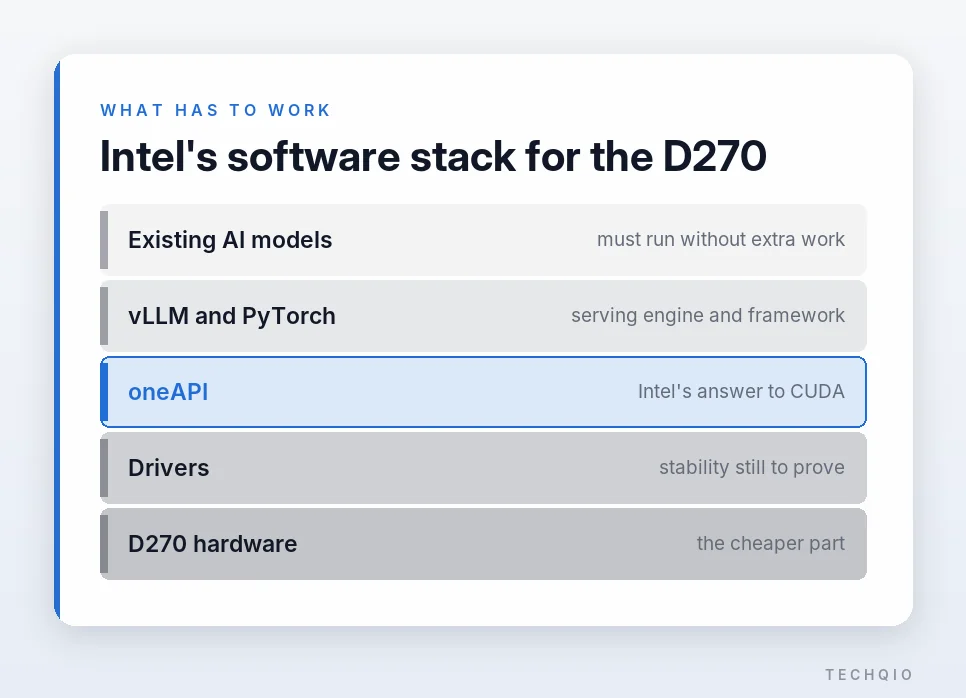
Intel also has software work ahead. Nvidia has built its developer ecosystem around CUDA, and Intel needs to widen oneAPI, PyTorch and vLLM support and prove its drivers are stable. For the D270, Intel promises day-zero support for open models through vLLM and PyTorch.
Even cheap hardware is a hard sell if existing AI models are difficult to run or development gets complicated.
Price competitiveness decides it
Intel built the D270 around LPDDR5X to raise memory capacity and lower the power and cooling burden, not to take on Nvidia’s fastest parts head-on. It aims at enterprise AI inference. For companies that want to run several AI services on servers they already own, it could be an attractive choice.
The numbers point to a clear split. For high-batch internal work, 480GB at 350W is a stronger pitch than raw speed, while latency-sensitive chat services are better served by HBM parts with five times the bandwidth. What settles the rest is the launch price and real-world throughput, which will also set how much inference work LPDDR5X takes from HBM and how much Samsung and SK hynix feel it.

Related reading
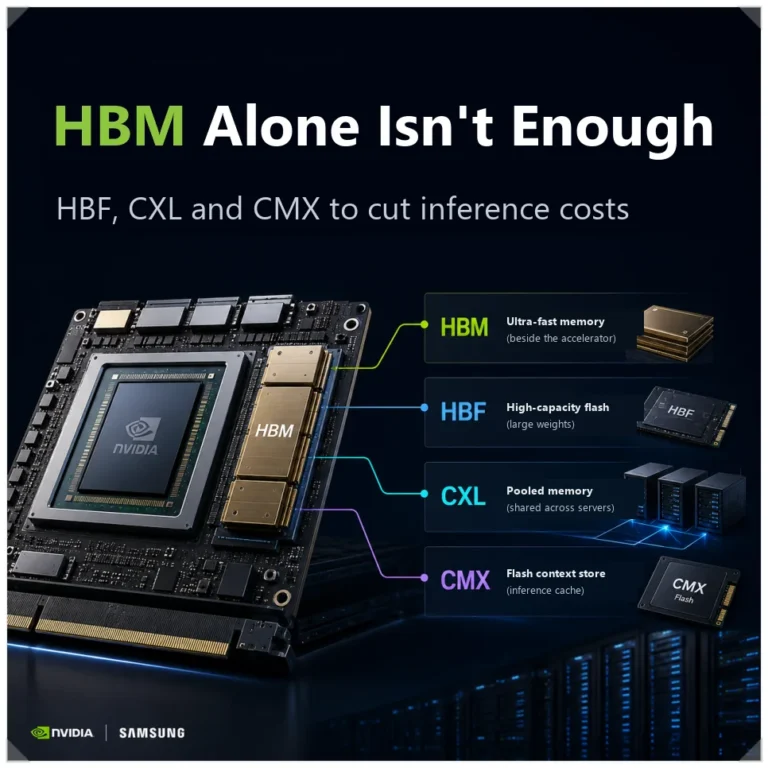
- AI Inference Memory: How HBF, CXL and CMX Cut Costs
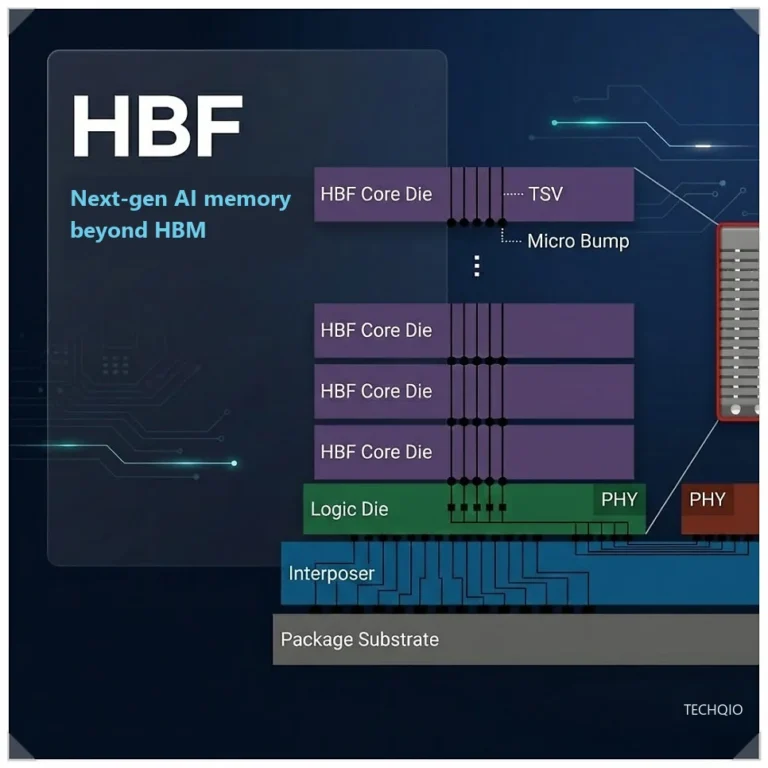
- What Is HBF? High Bandwidth Flash vs HBM, the Next AI Memory
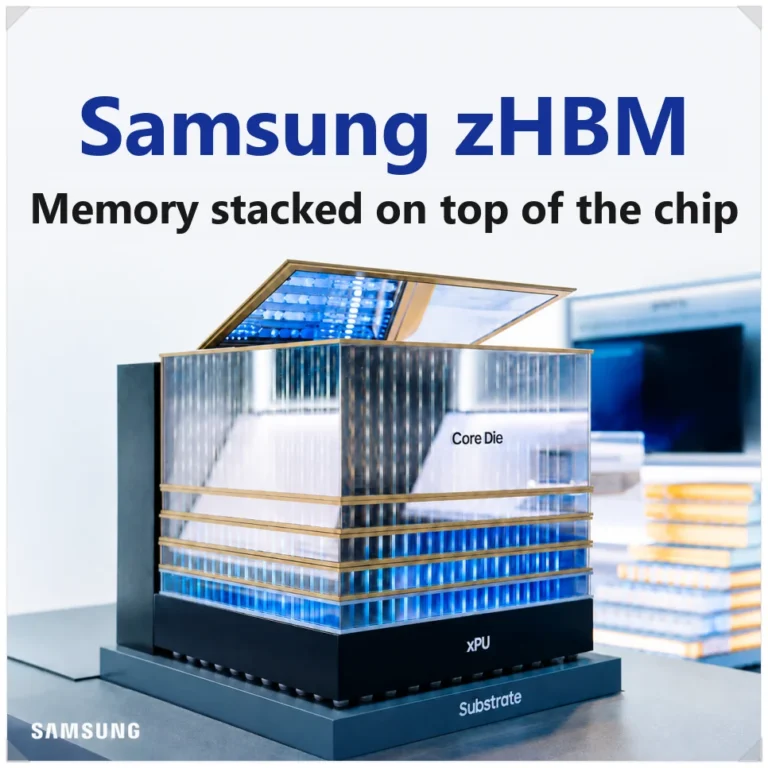
- Samsung zHBM: Stacking Memory on the Chip to Break AI’s Memory Wall