Tesla Roadster Revealed: Rocket Trim, 0.81-Second Launch, Reservations and Release Date
Key takeaways
- Tesla showed the Roadster on Oct. 15, 2026, with SpaceX cold-gas thrusters and a 0.81-second 0-60 run.
- Three trims: Performance (2 seats), Thrust (2 seats) and invitation-only Rocket (1 seat, not road-approved).
- US reservations: $50,000 for Performance, $250,000 for Thrust; no price yet, production targeted for 2028.
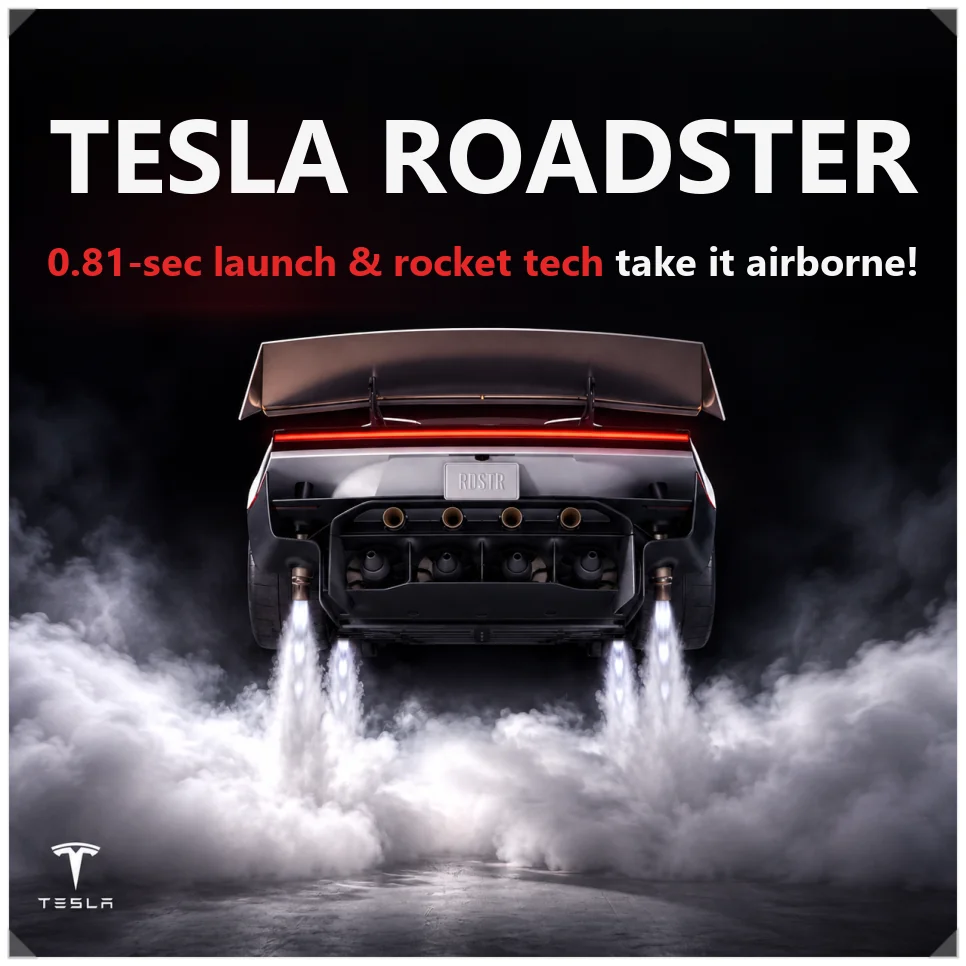
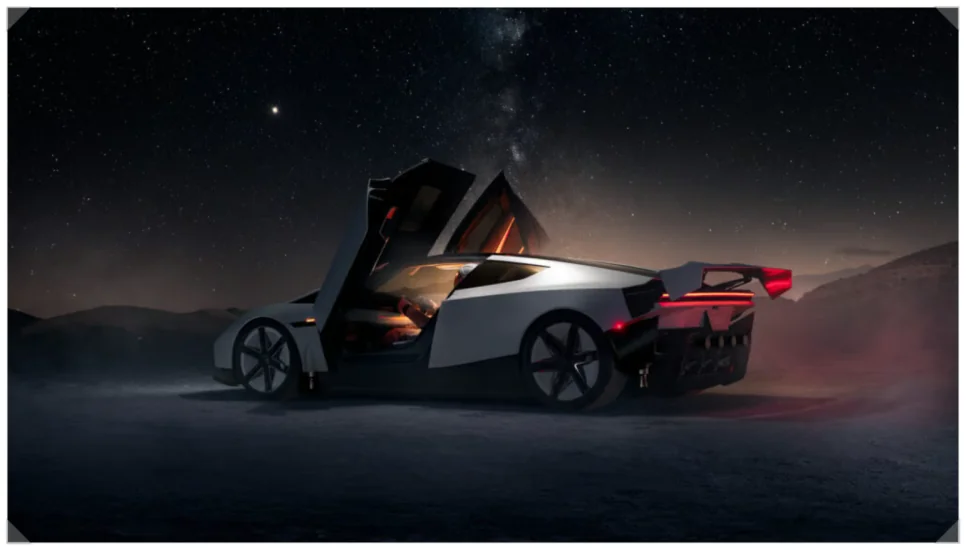
The Tesla Roadster, first announced in 2017, has finally appeared in the metal nine years later. Tesla showed it on Oct. 15, 2026, at a SpaceX test site in McGregor, Texas. It drove upside down and even leaped into the air.
The acceleration turned heads too: 0 to 60 mph in just 0.81 seconds, with help from cold-gas thrusters developed with SpaceX.
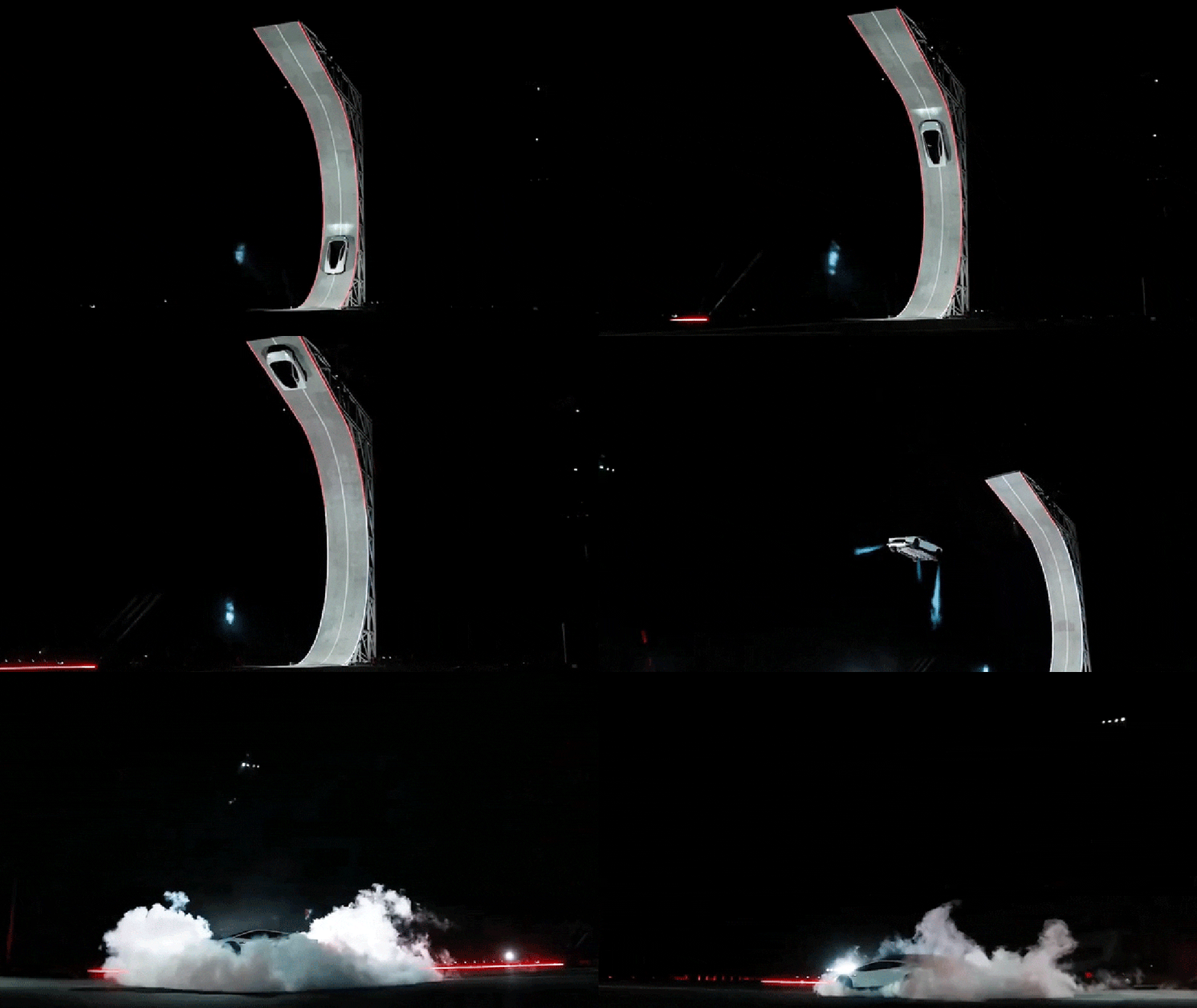
How the Roadster drives upside down and flies
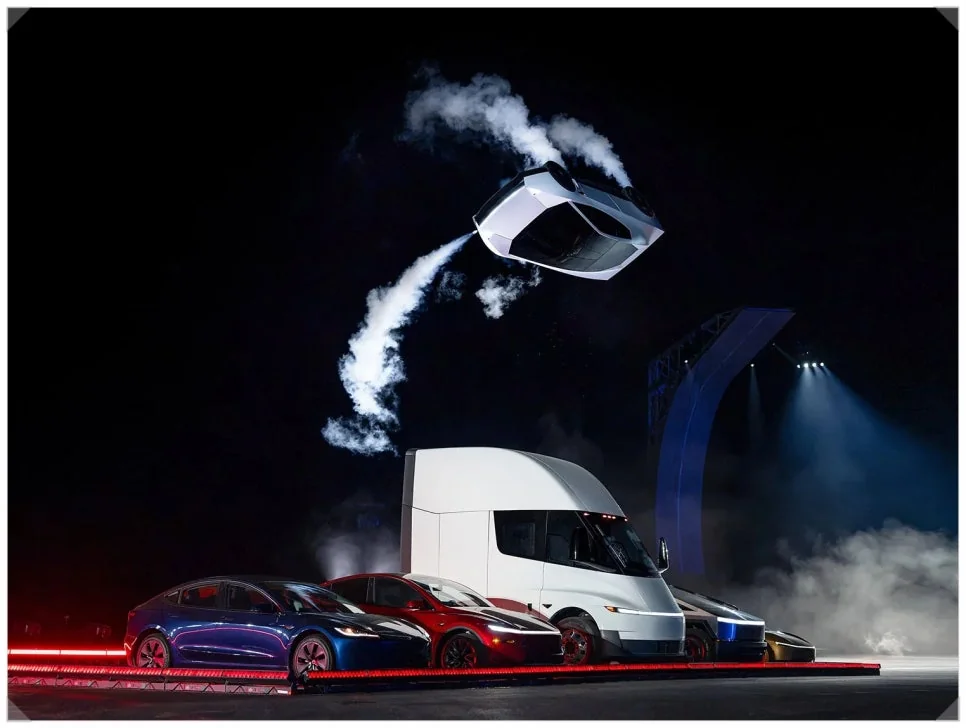
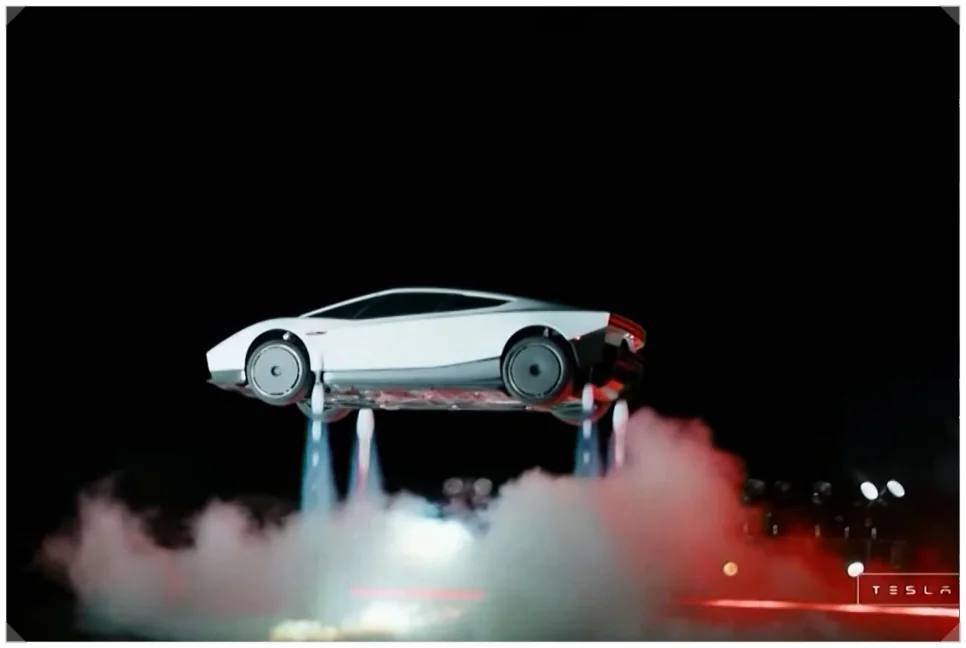
The highlight of the event was the Roadster climbing a curved structure and driving while hanging upside down. It then fired high-pressure gas to leap into the air, spun and landed. It also jumped over a row of Tesla vehicles, including a Model 3, Cybertruck and Semi.
Lars Moravy, Tesla’s vice president of vehicle engineering, compared the midair spin to a skateboard trick and called it a “kickflip.”
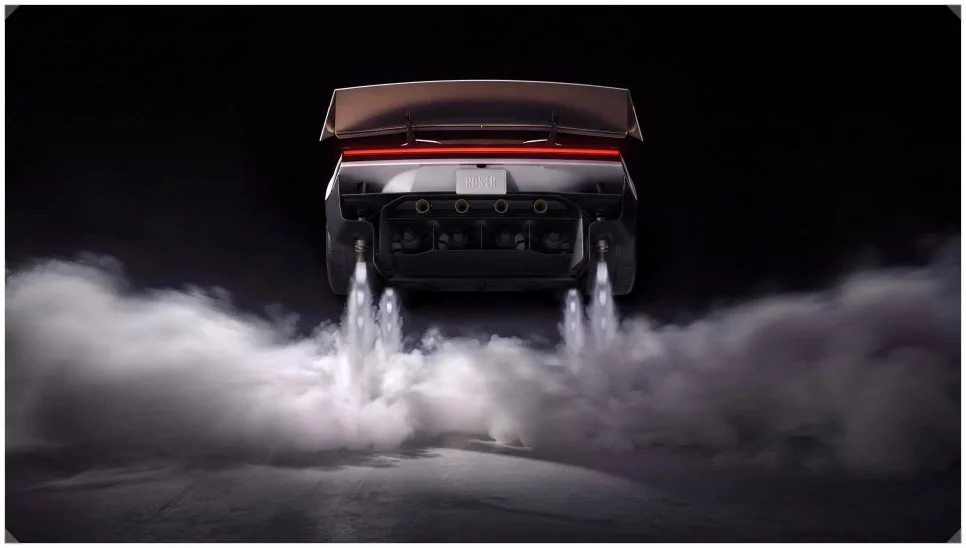
These moves rely on cold-gas thrusters developed with SpaceX. They push compressed, high-pressure gas through nozzles for thrust and change the direction of the spray to control how the body moves.
The Rocket trim carries two carbon-fiber composite overwrapped pressure vessels (COPVs) and 10 nozzles. The tanks hold about 600 liters (about 160 gallons) in total. Unlike a typical rocket, the system burns no fuel; it gets its thrust by releasing compressed gas.
A suction system under the body uses powerful fans to pull air in. It creates up to about 2G of downforce, helping the car stick to the surface even when it’s upside down.
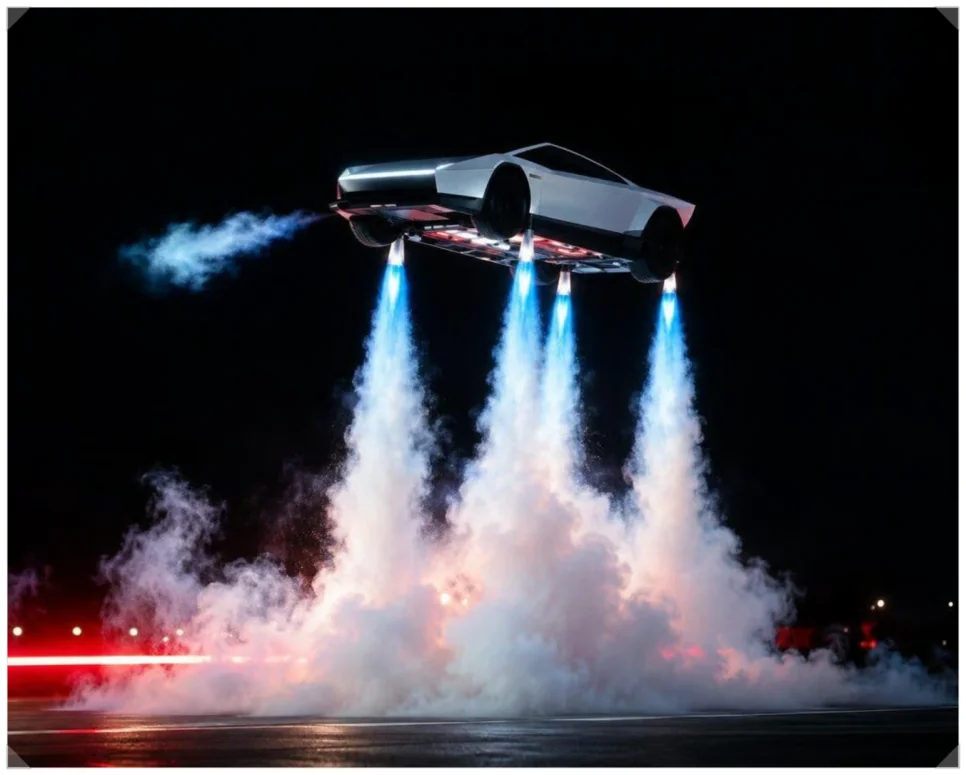
That said, this isn’t quite the flying car you might imagine. The amount of compressed gas is limited, so it’s closer to a short hop or a way to adjust the car’s attitude in midair than to sustained flight.
0-60 mph in 0.81 seconds: how real is it?
During the demo, Tesla showed a run from a standstill to 60 mph in 0.81 seconds. That’s very quick even next to typical high-performance EVs. Tesla cut the time by adding thrust from high-pressure gas fired out the back of the car on top of the electric motors.
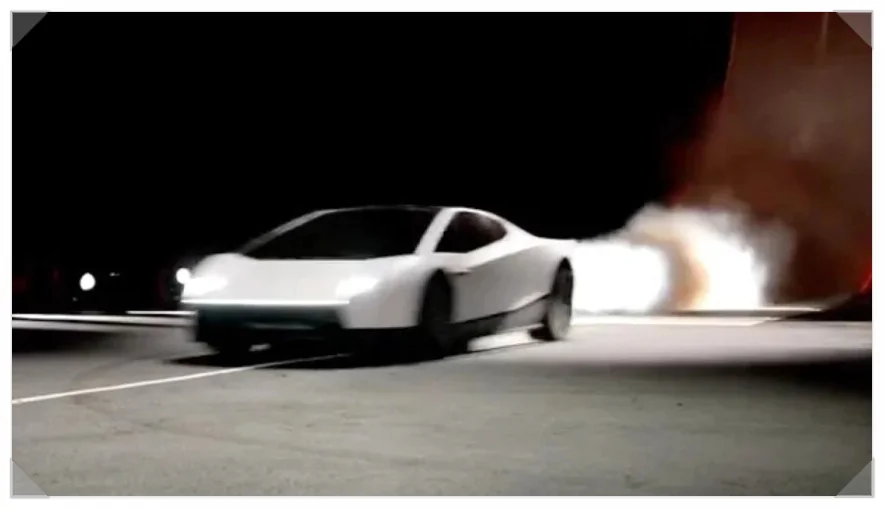
The demo car ran on Pirelli P Zero Trofeo RS Elect tires. But the run was measured under specific conditions at a SpaceX test site, so it’s hard to expect the same result on public roads.
It’s also still a prototype. Whether production cars can hit 0.81 seconds needs further verification.
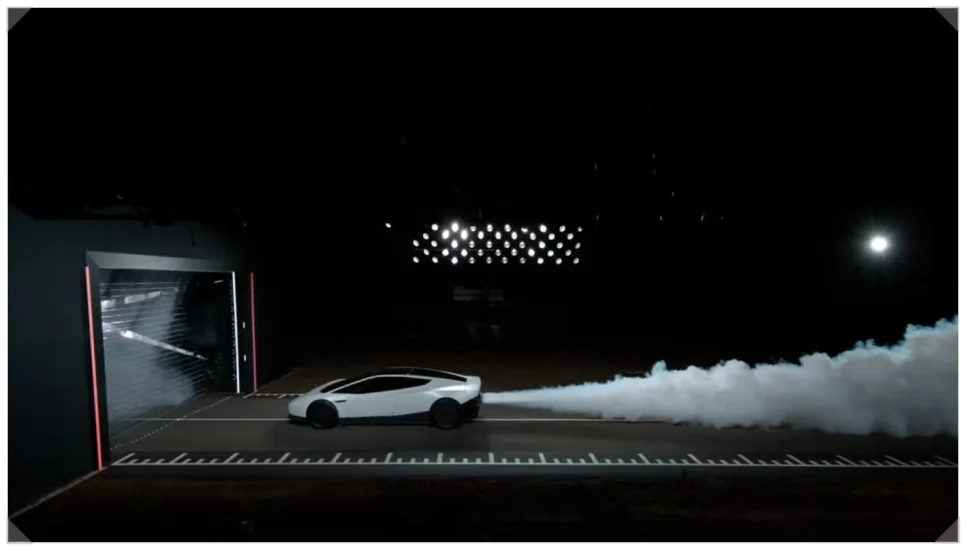
Performance vs. Thrust vs. Rocket: comparing the trims
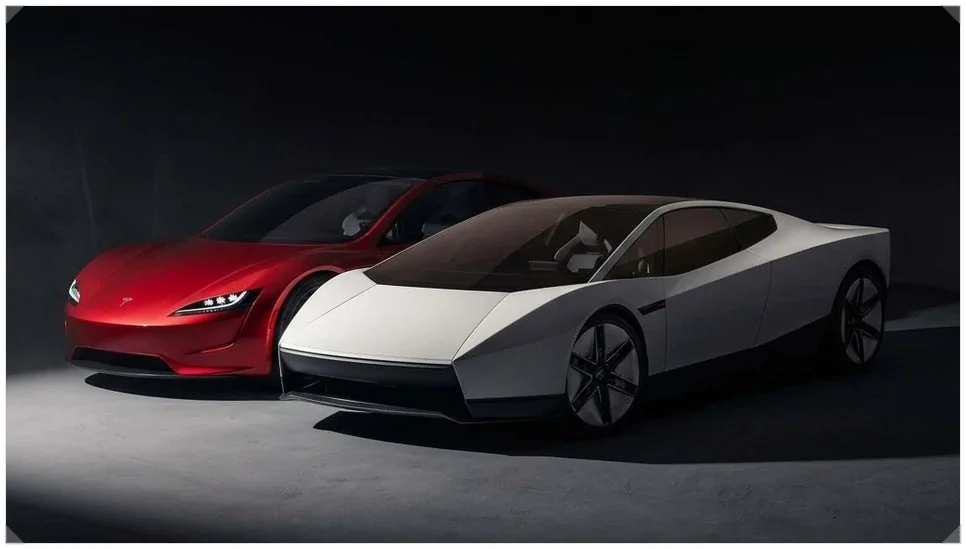
The next-generation Roadster comes in three trims: Performance, Thrust and Rocket. They differ in thruster setup and seating depending on what each is built for.
| Performance | Thrust | Rocket | |
|---|---|---|---|
| Built for | Public roads | Mainly the track | Aerial maneuvers |
| Seats | 2 | 2 | 1 |
| 0-60 mph target | Under 1.6 sec | Under 0.9 sec | Under 0.59 sec |
| Cold-gas thrusters | None | Rear nozzles | 10 nozzles |
| Suction fans | Yes | Yes | Yes |
| Reservations | Open | Limited | Invitation only |
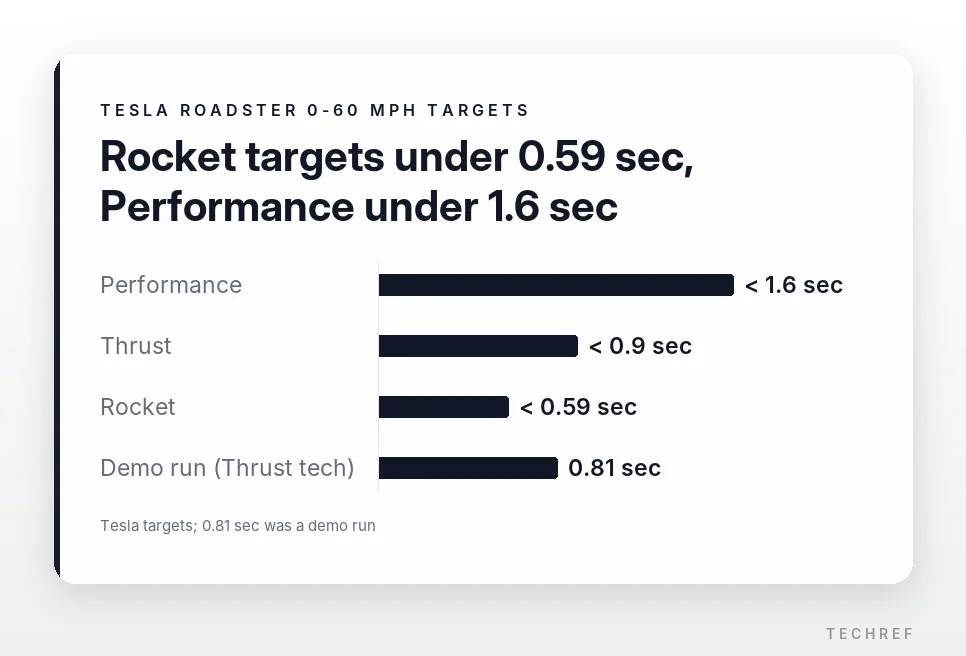
The base Performance trim is a two-seater designed for public roads. It skips the cold-gas thrusters and relies on electric motors, the underbody suction fans and an adjustable rear wing. It targets 0-60 mph in under 1.6 seconds.
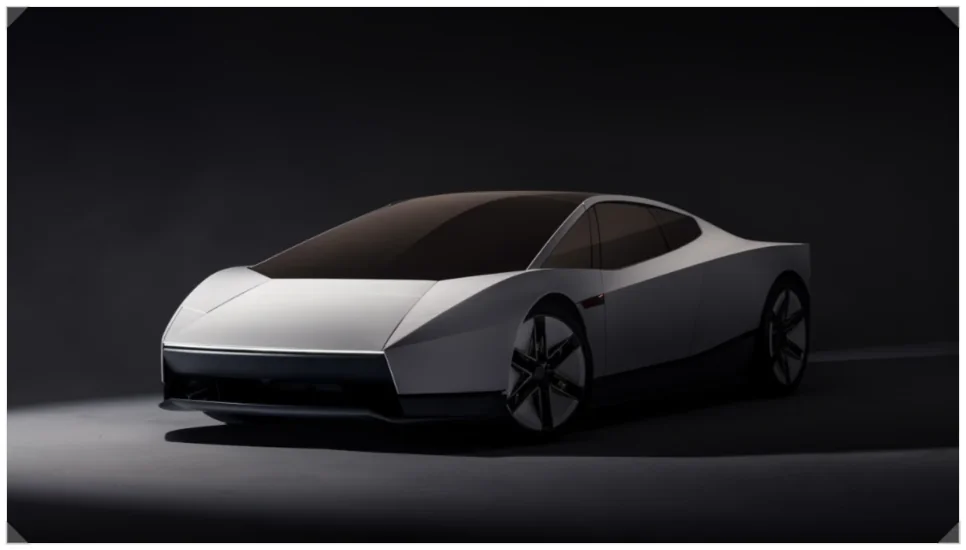
Thrust adds cold-gas thrusters at the rear for quicker acceleration. It’s a two-seater focused more on track driving than on public roads. It targets 0-60 mph in under 0.9 seconds, and the 0.81-second demo used the same propulsion approach.
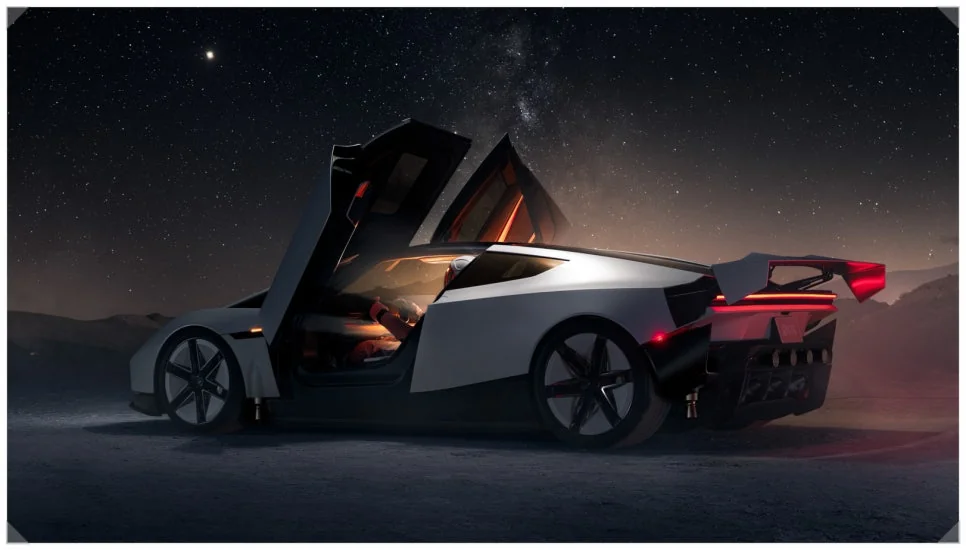
The Rocket trim uses 10 nozzles placed around the body for aerial hops and attitude control. It’s a single-seater with one seat in the center, and only invited customers can reserve it. It isn’t currently approved for public roads.
All three trims target a top speed of more than 230 mph. Actual performance and some features may change as the car moves toward production.
What changed from the 2017 Tesla Roadster
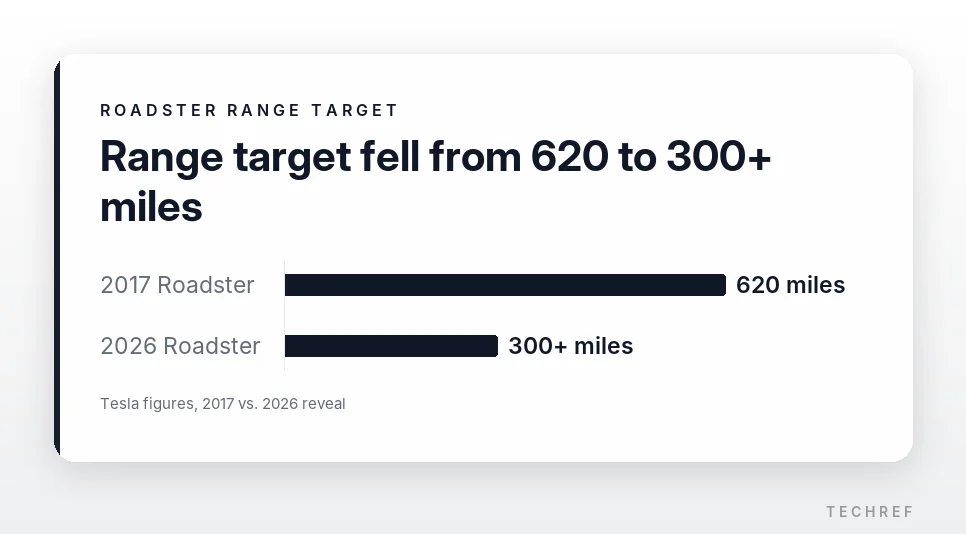
When it was announced in 2017, the Roadster promised a 200 kWh battery, 620 miles of range and a 2+2 four-seat layout. This time the range target has dropped to more than 300 miles, and seating is now two seats or one.
The pressure vessels and plumbing for the cold-gas thrusters, plus the underbody suction fans, appear to have changed the interior packaging. Where the original Roadster stressed long range, the new one focuses more on quick acceleration and maneuverability.
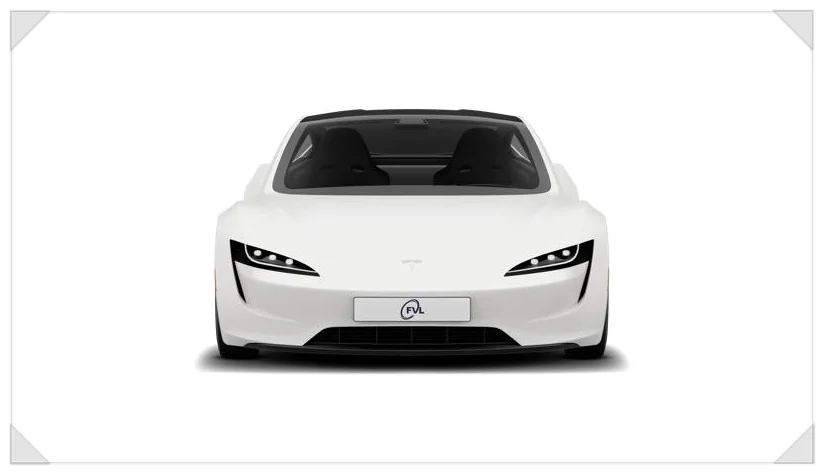
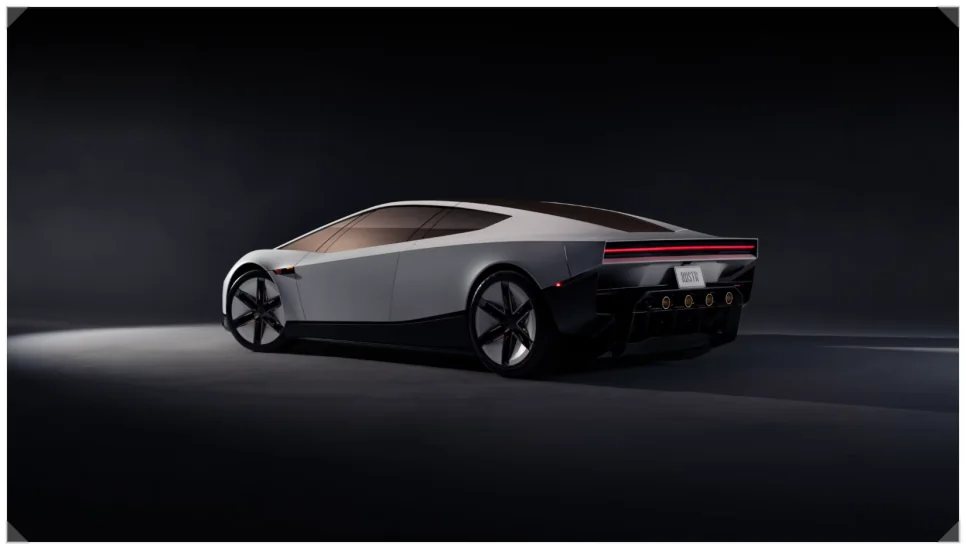
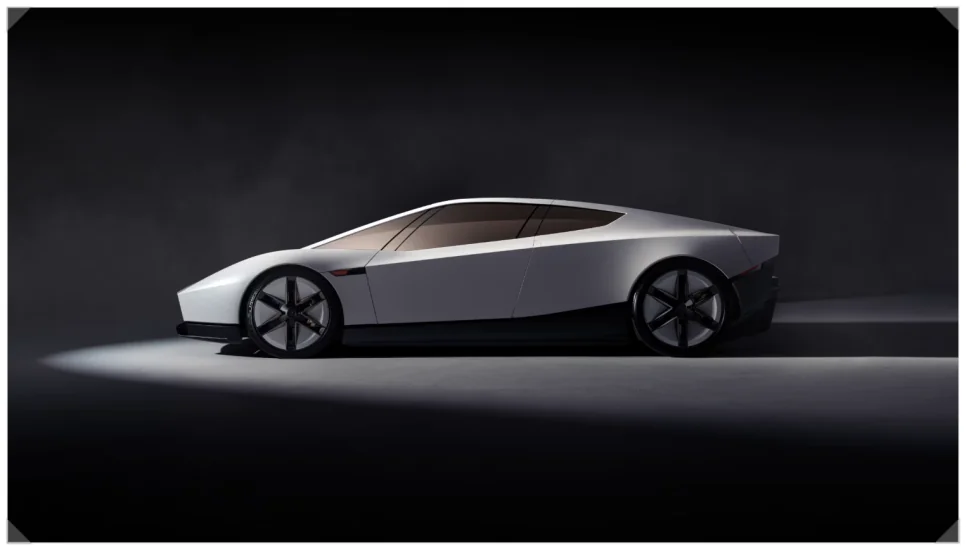
The exterior has changed a lot too. Instead of the old smooth curves, it has a sharp wedge-shaped body that recalls the SR-71 Blackbird spy plane. Chief designer Franz von Holzhausen said the team cut weight using magnesium, titanium and carbon-fiber composites.
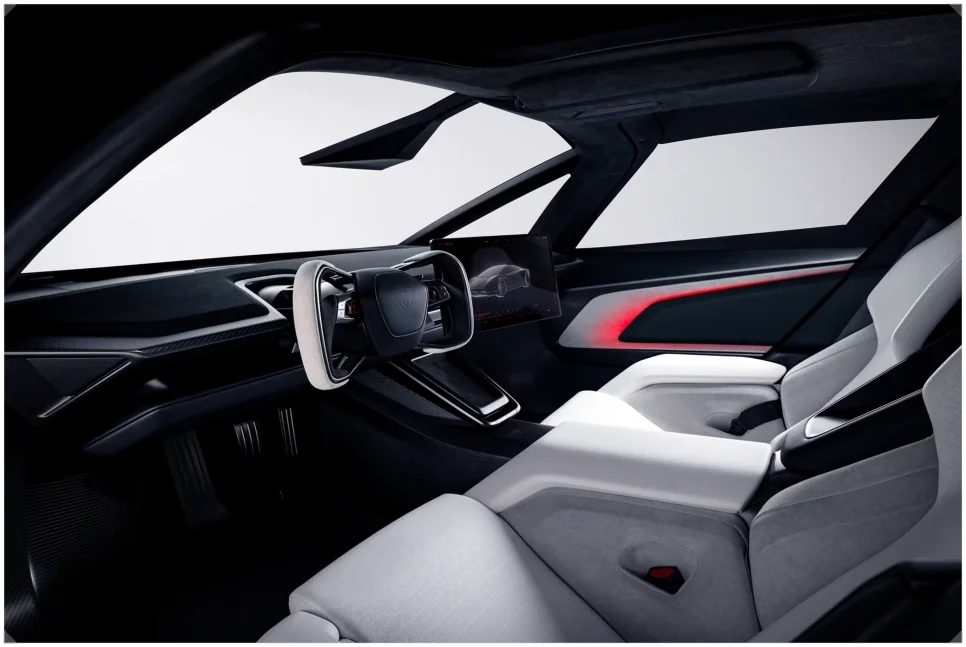
Inside, there’s a yoke steering wheel and a large display. Steering and braking use by-wire technology, which sends the driver’s inputs as electrical signals.
US reservations and release timing
After the event, Tesla opened Roadster reservations. In the US, the Performance trim takes a refundable $5,000 deposit, with the remaining $45,000 due by wire within 10 days, for $50,000 in total. The Thrust reservation page asks for $250,000, and the Rocket can be reserved only by invitation.
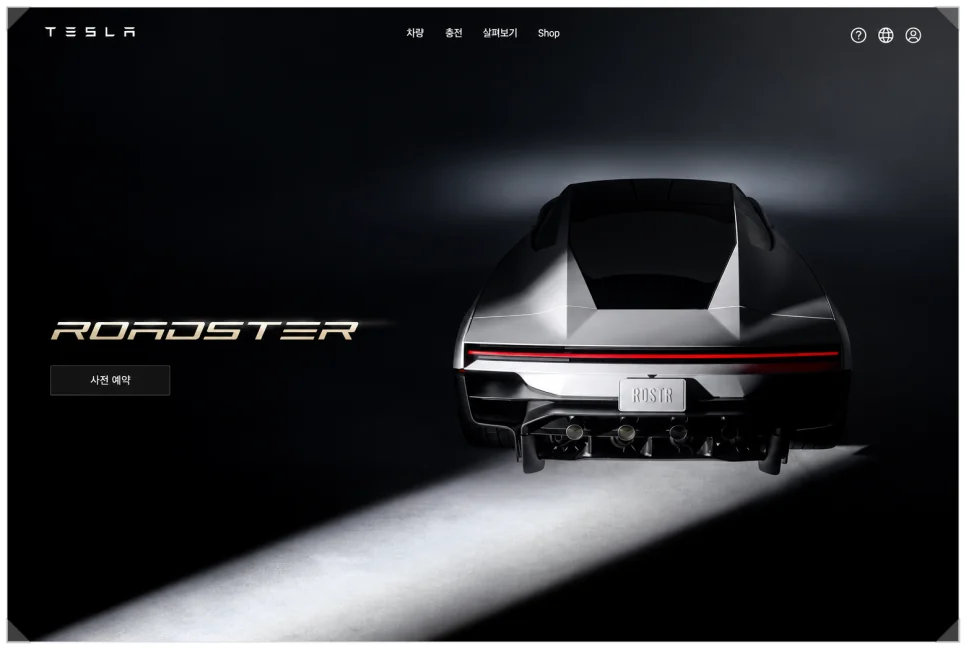
Keep in mind that these are reservation payments, not the car’s price. Tesla hasn’t announced final pricing. It’s worth checking the refund terms carefully too. The initial payment and the follow-up payment may have different refund rules, and it could be a long time before you actually get the car.
Tesla’s production target is 2028. That’s eight years later than the original 2020 target.
There are plenty of hurdles before production. In particular, spraying high-pressure gas outside the car could affect the safety of pedestrians and nearby vehicles, so approval for public roads may not come easily.
The aerial-hop feature will also have to meet safety regulations. Depending on each country’s rules, some features may be dropped or limited to track use.
Bottom line: production is now the real test
The new Tesla Roadster is quite different from the car first shown in 2017, and seeing rocket hardware on an actual car is fascinating. But it’s still unclear whether the prototype’s performance will carry over to production cars. Tesla is aiming for 2028 production, but after so many delays, that date is far from certain.
Related reading
- Gemini 4 Argon vs. GPT-6 Astra and Claude Opus 5.5: Benchmarks and API Pricing Compared
- Anthropic’s Q3 Revenue Hit $16.8 Billion. Why AI Bubble Fears Are Growing Anyway