VW ID. Tiguan Revealed: What’s New in the ID.4’s Electric SUV Successor
Key takeaways
- The ID. Tiguan replaces the ID.4 with physical buttons, pull door handles and up to 600 km (373 miles) WLTP range
- Europe pricing starts at €42,695; pre-orders open Oct. 13 and deliveries begin early 2027
- VW of America says it will replace the ID.4 in the US; US price and timing aren’t set
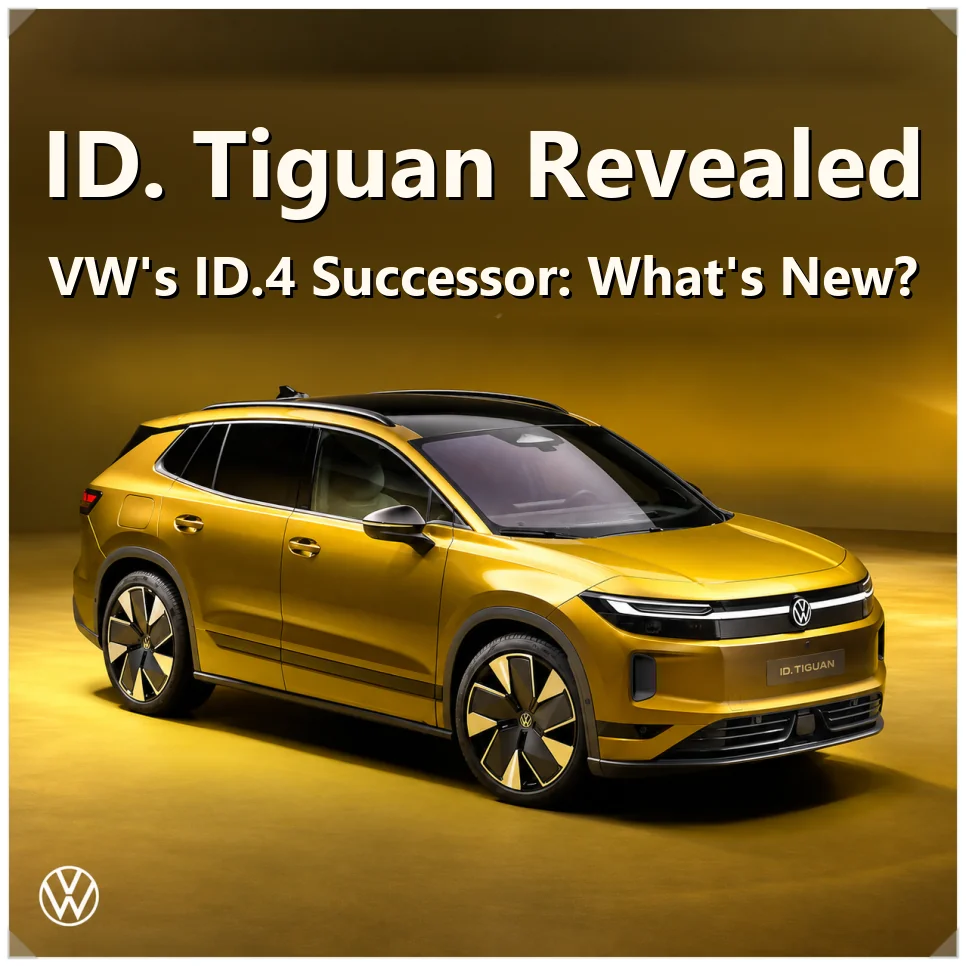
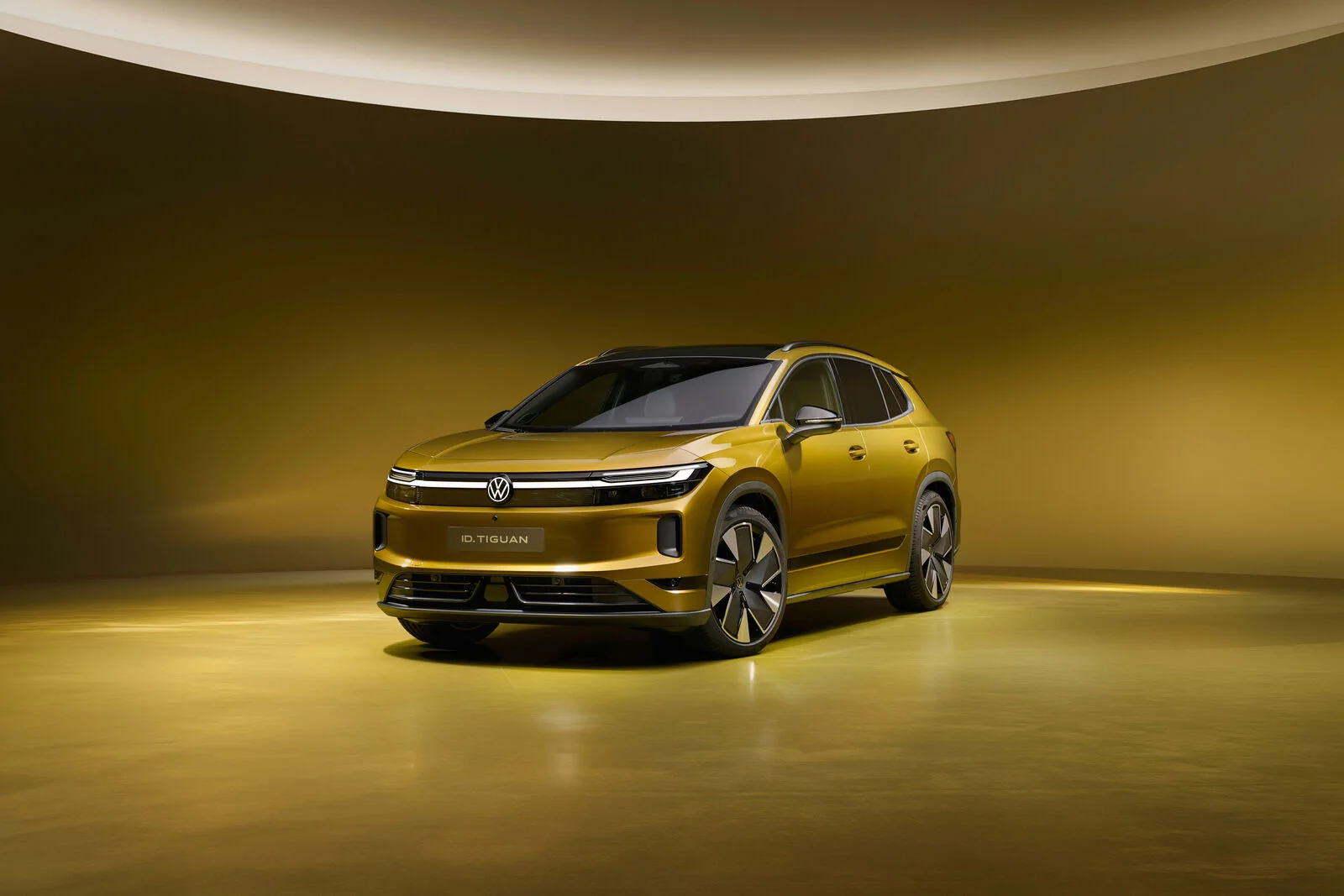
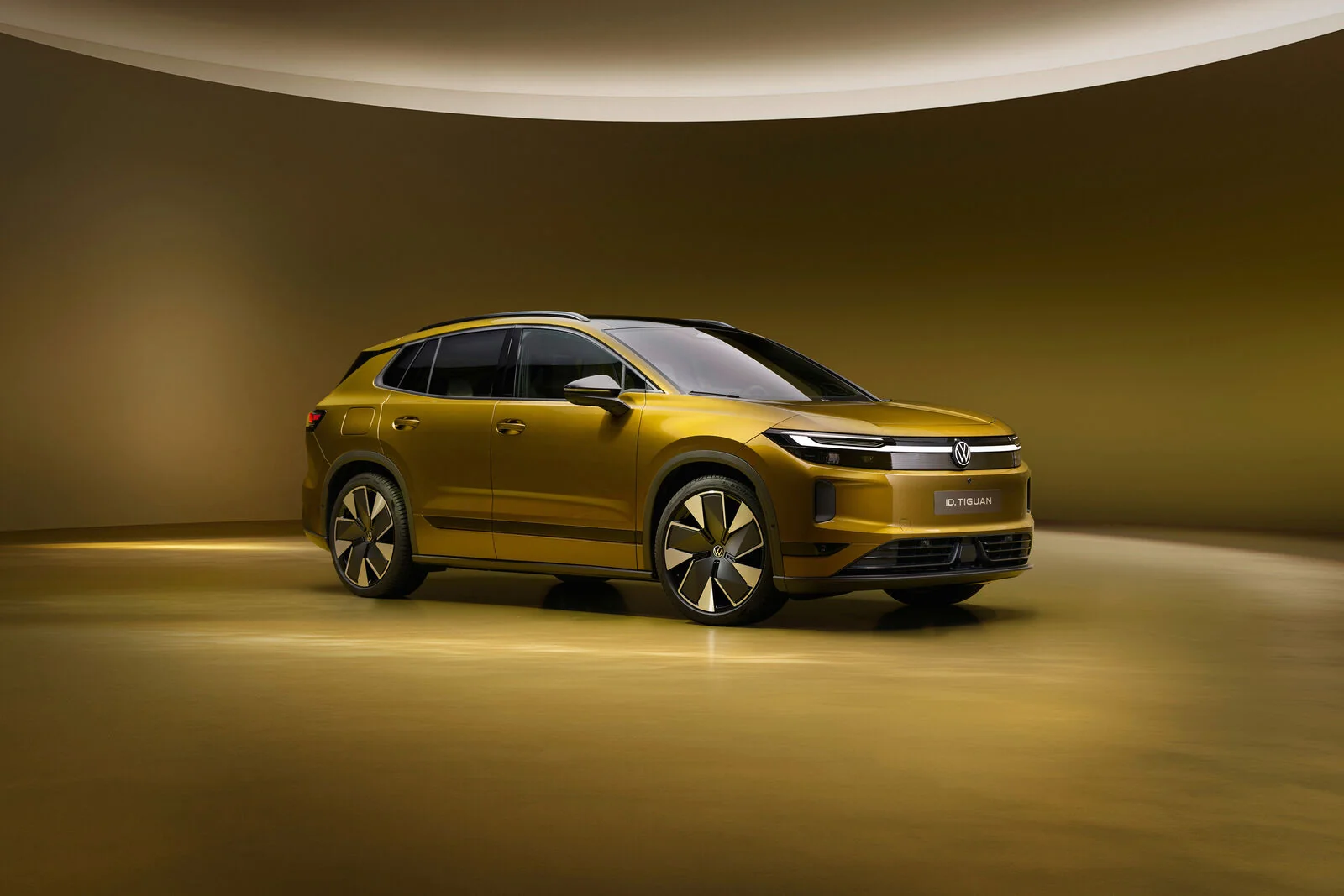
Volkswagen’s flagship electric SUV, the ID.4, is getting a new look and a new name. Its successor is called the VW ID. Tiguan, which means VW’s popular Tiguan SUV now comes as an EV too.
It’s not just a rename. VW fixed the ID.4’s frustrating touch controls and changed the battery lineup and cabin. The return of physical buttons and mechanical door handles stands out most.
Why the ID.4’s successor is called Tiguan
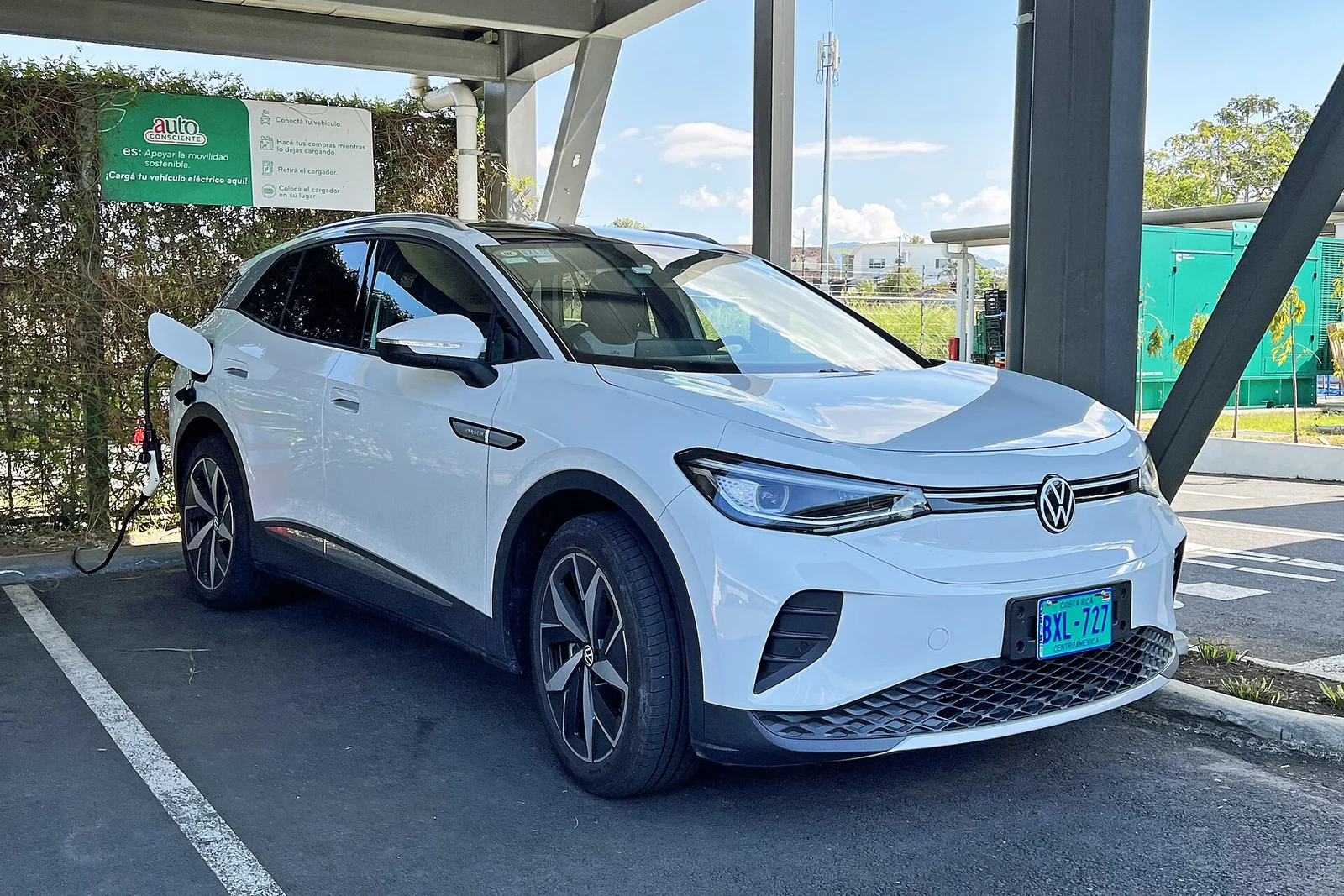
VW picked the Tiguan name for its recognition. The ID.4 and ID.5, launched in 2021, have topped 950,000 units worldwide, but that’s far behind the Tiguan. Since its 2007 launch, the Tiguan has sold more than 8.3 million units worldwide, or more than 9 million including derivatives. It’s VW’s best-known SUV.
After the ID. Polo and ID. Cross, the ID. Tiguan continues VW’s move to put familiar model names on its EVs. A known name is an easier sell than a number.
The current third-generation Tiguan will stay on sale with gas and plug-in hybrid (PHEV) powertrains. From now on, the Tiguan name will cover several powertrain choices.
Batteries and range compared
The ID. Tiguan rides on MEB+, an updated version of VW’s dedicated EV platform. It comes in three versions by battery size and drivetrain, with different power and range.
| Version | Power and drive | Battery | WLTP range | DC fast charging, 10–80% |
|---|---|---|---|---|
| Entry RWD | Rear-wheel drive, 140 kW / 190 PS | 58 kWh LFP | About 450 km (280 miles) | 105 kW / about 26 min |
| Mid RWD | Rear-wheel drive, 210 kW / 286 PS | 77 kWh NMC | Up to 600 km (373 miles) | 165 kW / about 29 min |
| Top 4MOTION | All-wheel drive, 220 kW / 299 PS | 77 kWh NMC | About 560 km (348 miles) | 165 kW / about 29 min |
The base model gets a 58 kWh lithium iron phosphate (LFP) battery. LFP batteries cost relatively little and last a long time. Charging to 100% often is less of a worry for battery wear, so it’s a good pick if you mostly commute or drive around town.
If you drive long distances a lot, the models with the 77 kWh nickel-manganese-cobalt (NMC) battery are a better fit. They use the APP550, a high-efficiency permanent-magnet motor with 550 Nm of torque.
With up to 600 km (373 miles) of WLTP range, you’ll stop to charge less often on road trips. WLTP is the European test cycle, and it usually rates range higher than the EPA figures US buyers see.
The 77 kWh models support DC fast charging at up to 165 kW. Instead of a brief high peak, the system is designed to hold more than 100 kW for longer. Charging from 10% to 80% takes about 29 minutes.
A real SUV look and mechanical door handles
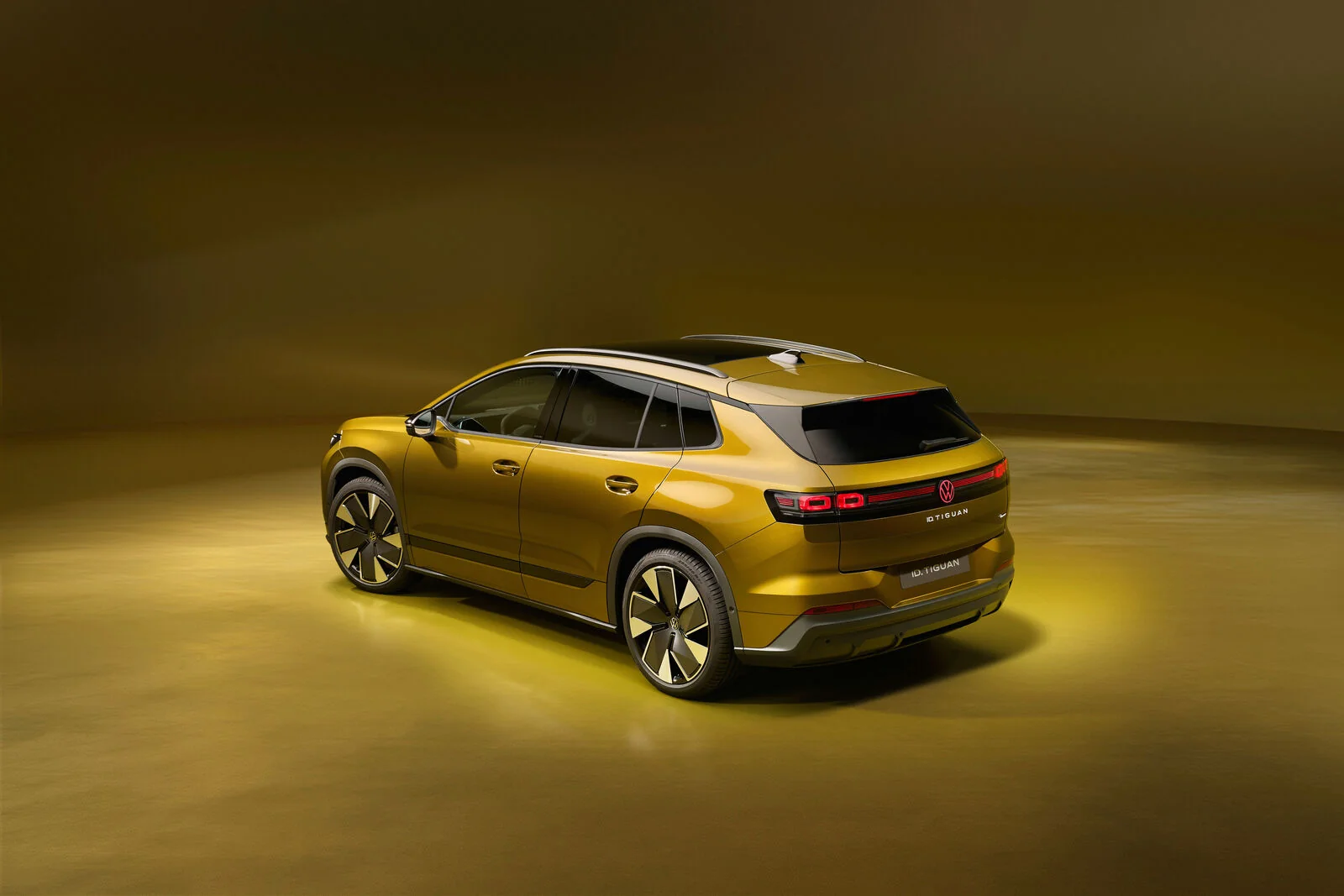
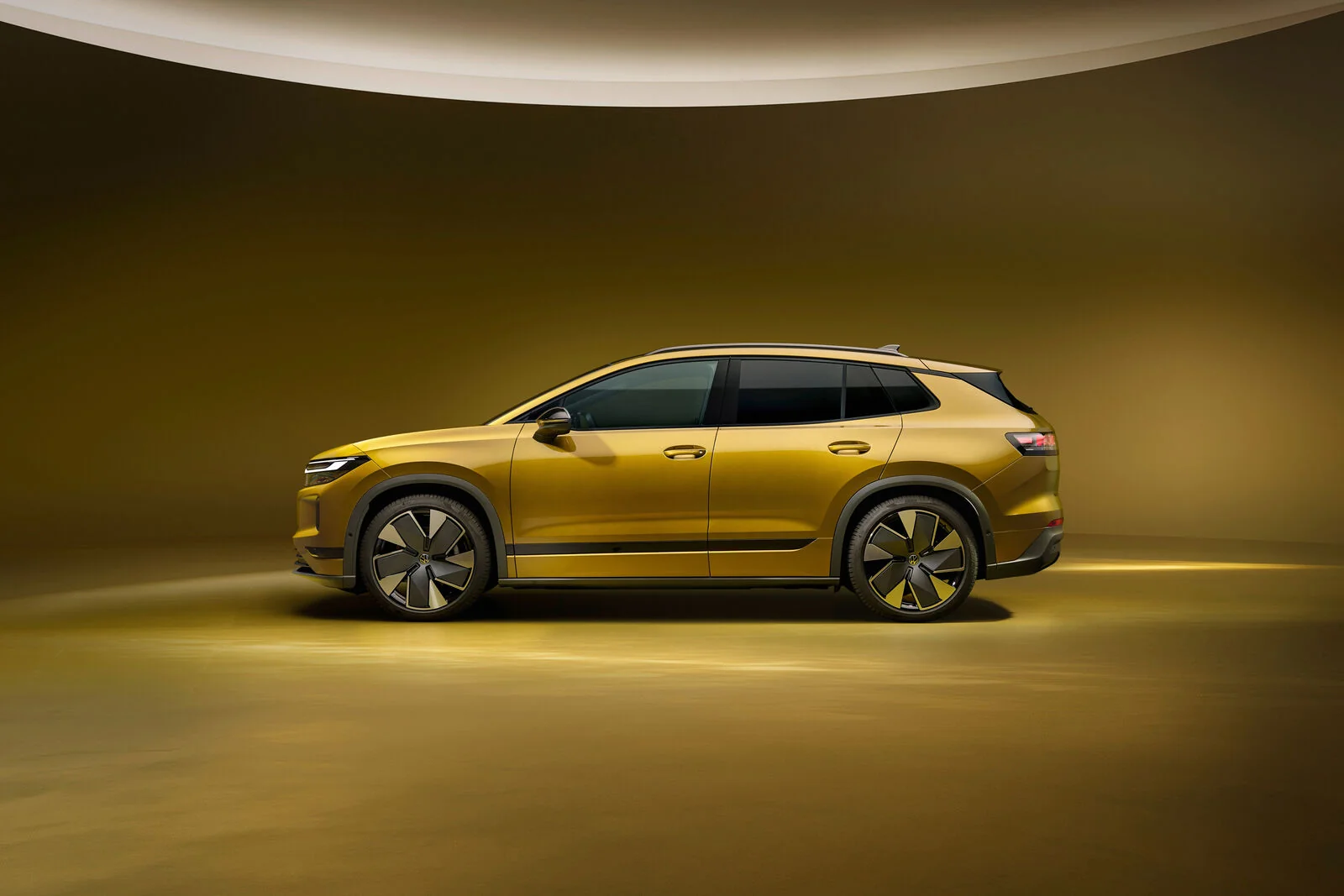
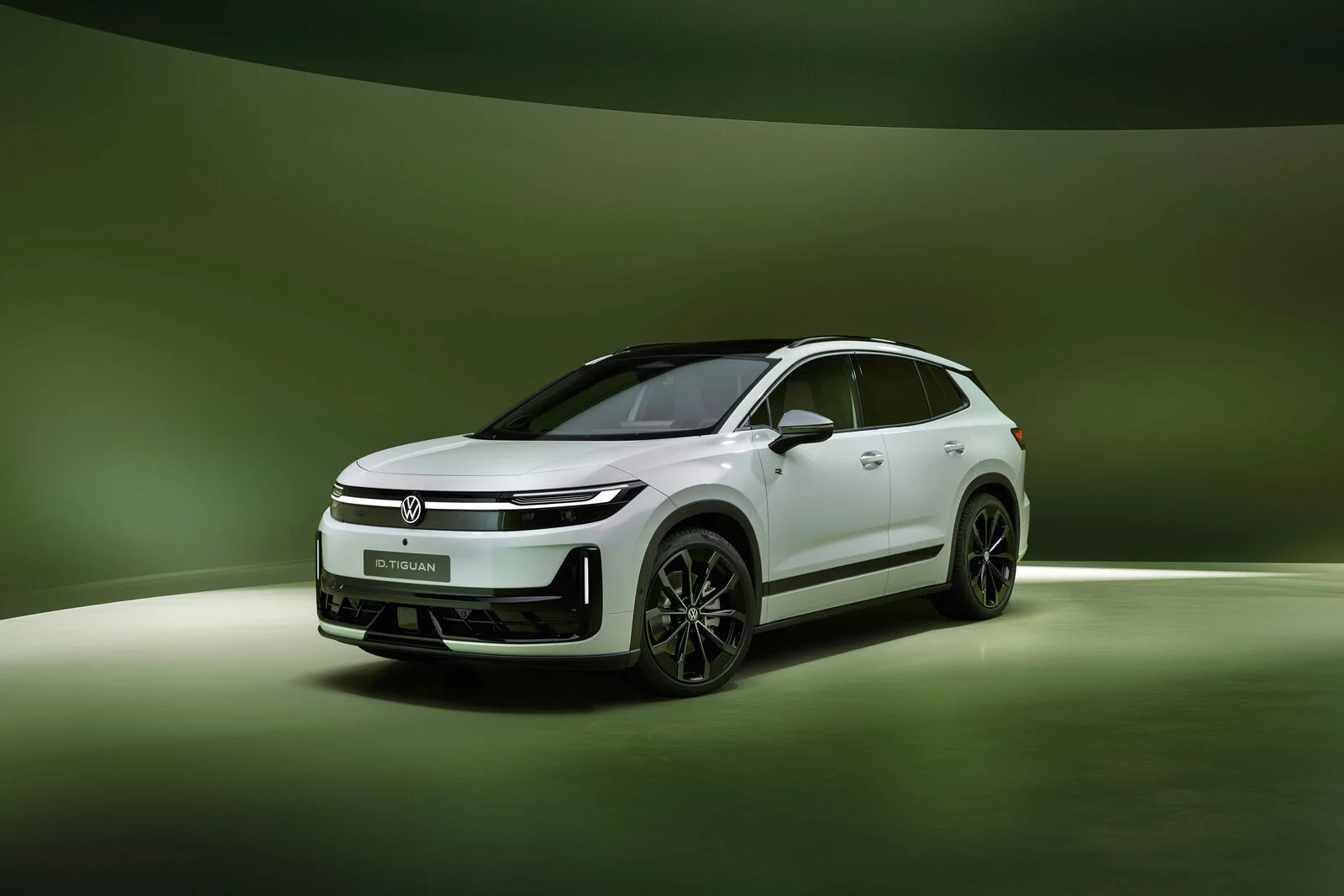
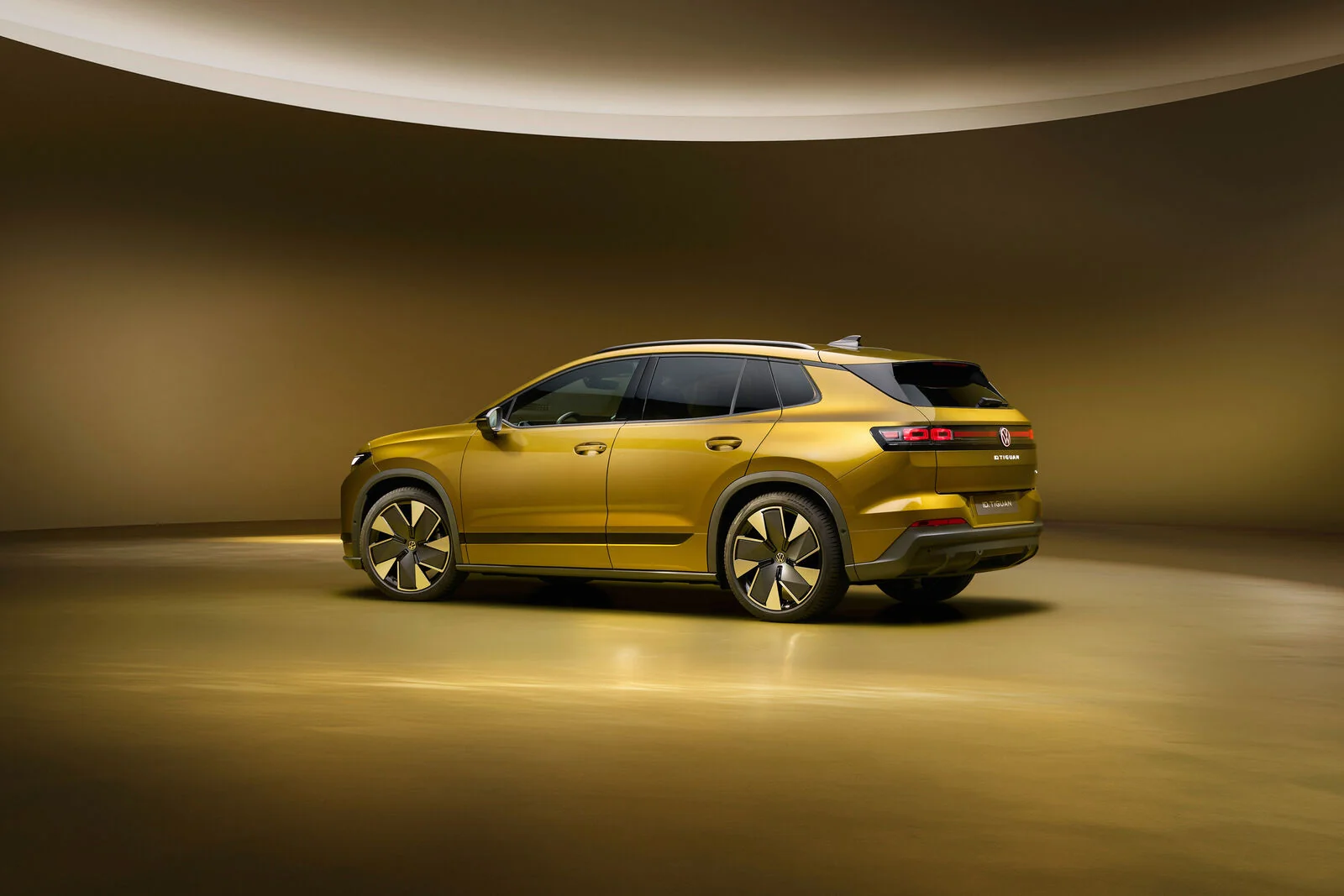
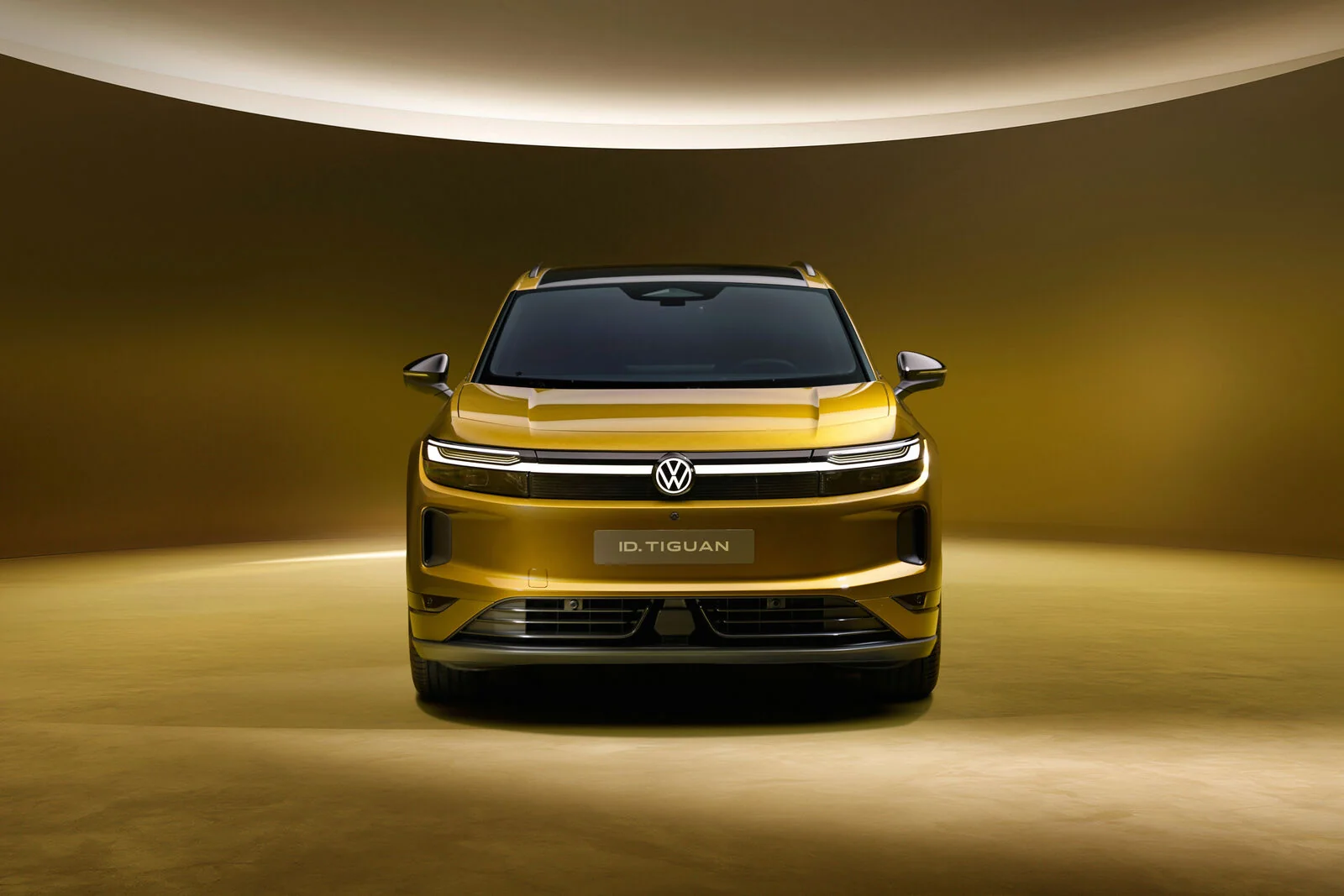
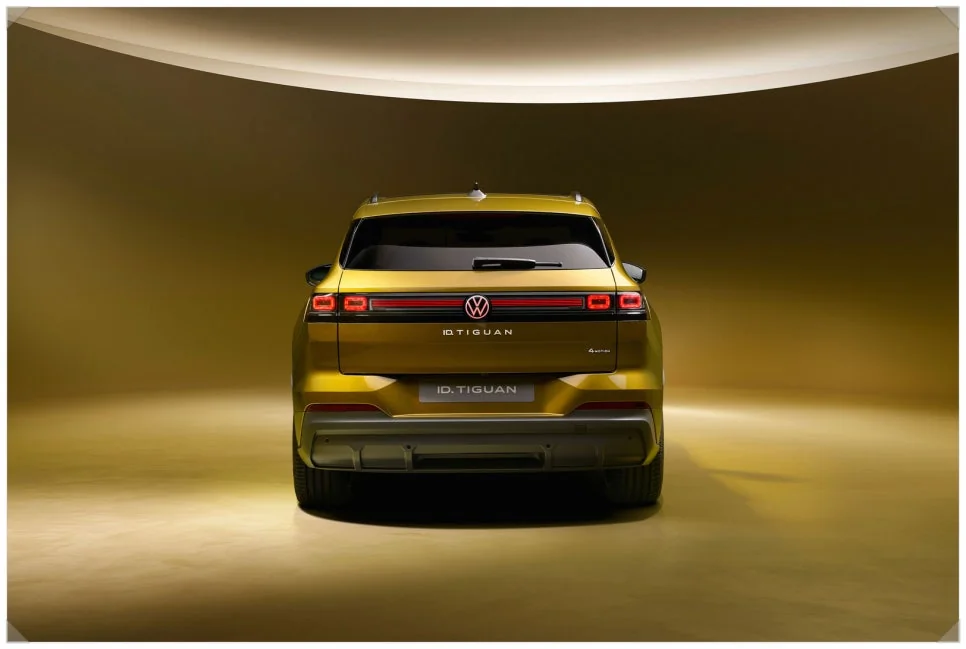
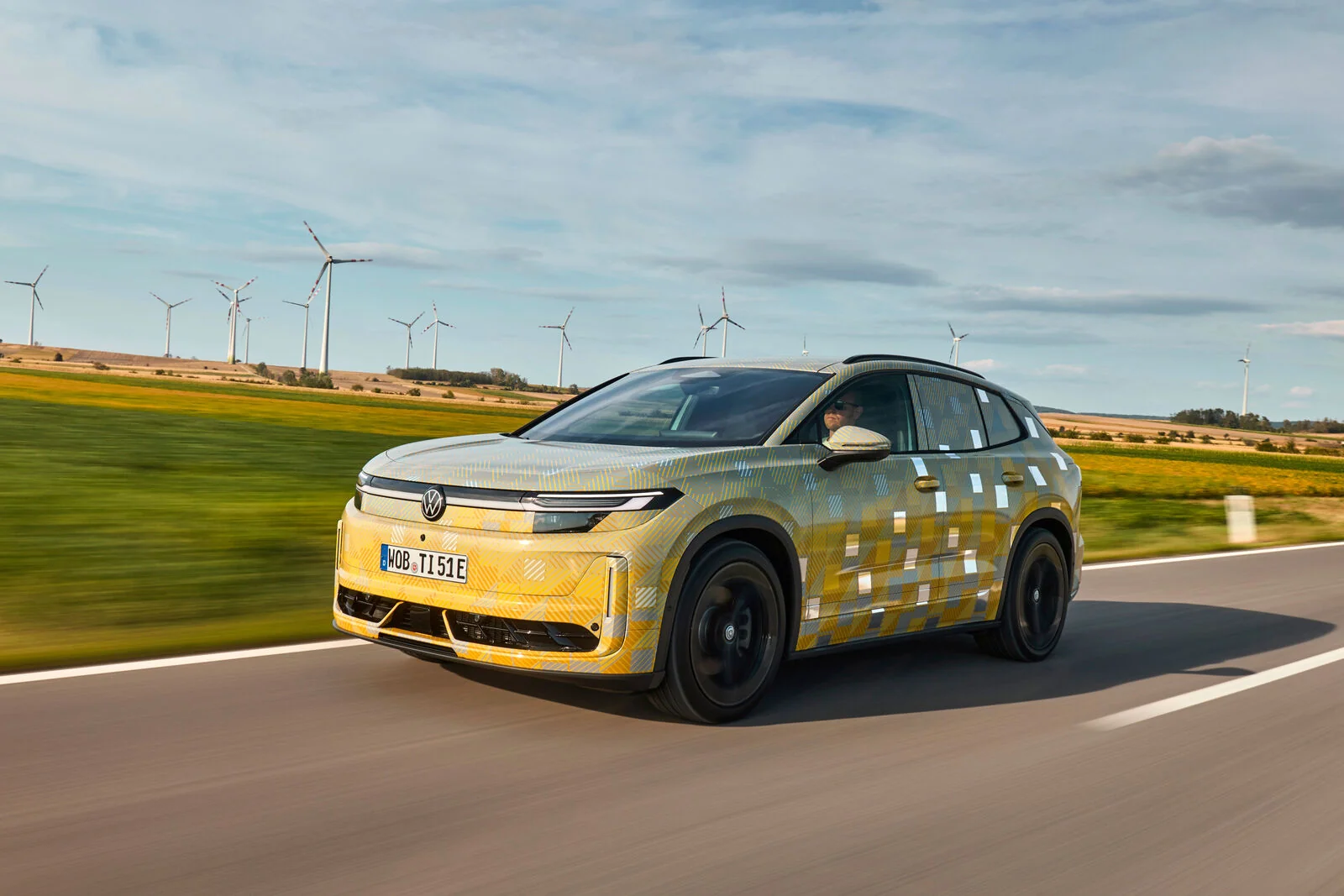
The exterior follows VW’s new “Pure Positive” design language. Where the ID.4 looked round and soft, the ID. Tiguan has a boxier body that looks more like a traditional SUV.
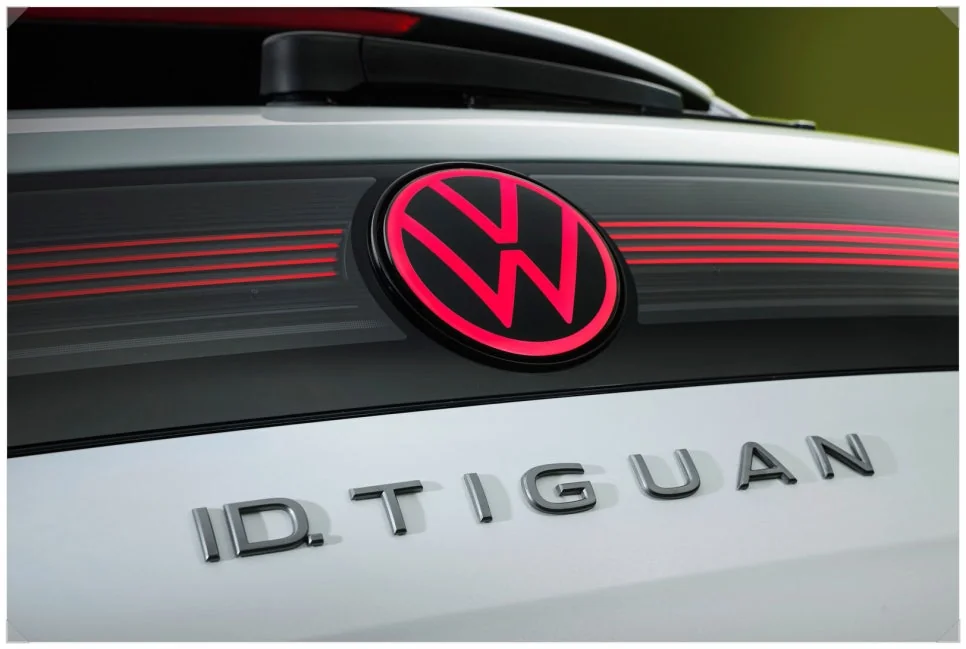
It’s 4,618 mm (181.8 in) long with a 2,765 mm (108.9 in) wheelbase. Every body panel except the roof is new, and the drag coefficient (Cd) drops from 0.27 to 0.26. Up front, a light strip runs across the width of the car, and the center logo lights up.
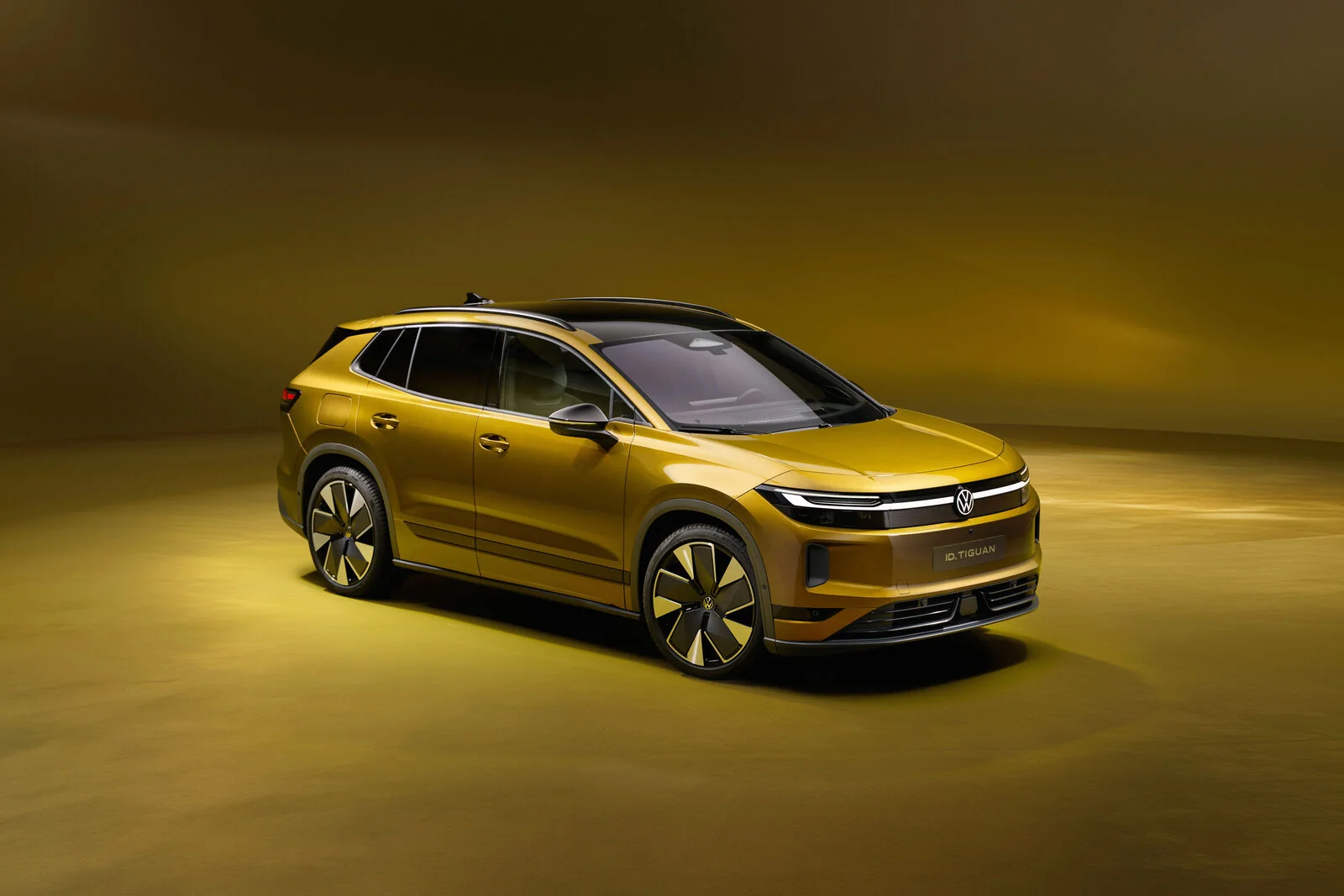
One of the most noticeable changes is the door handles. The electronic flush push-button handles are gone, replaced by mechanical pull-type handles you open by hand.
That cuts down on the glitches electronic buttons can have, and it makes the doors intuitive to open in an emergency. How much better they handle icing in winter, though, will only be clear in real-world use.
Physical buttons replace touch controls
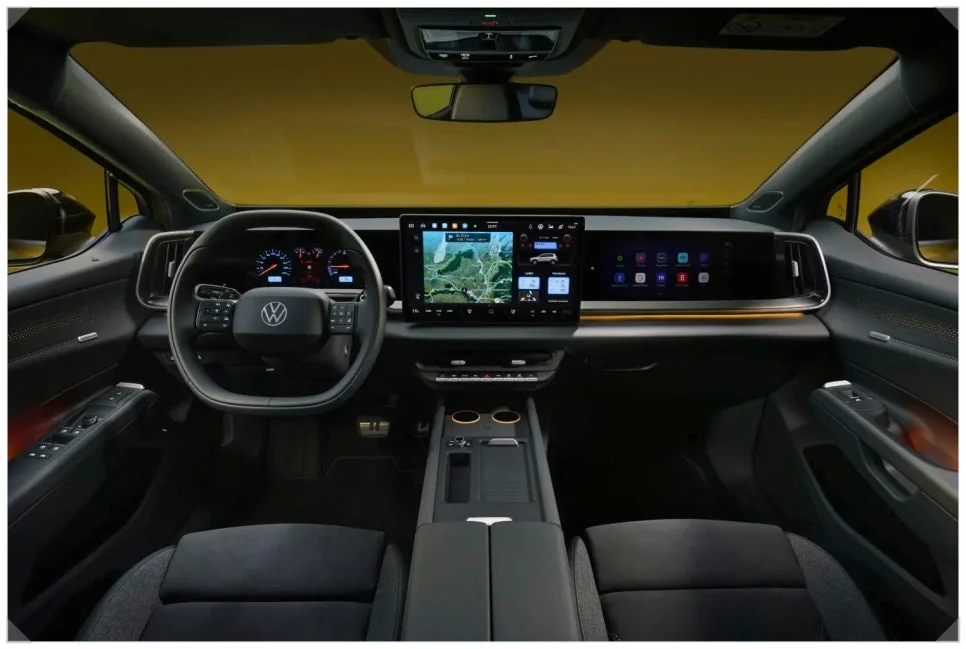
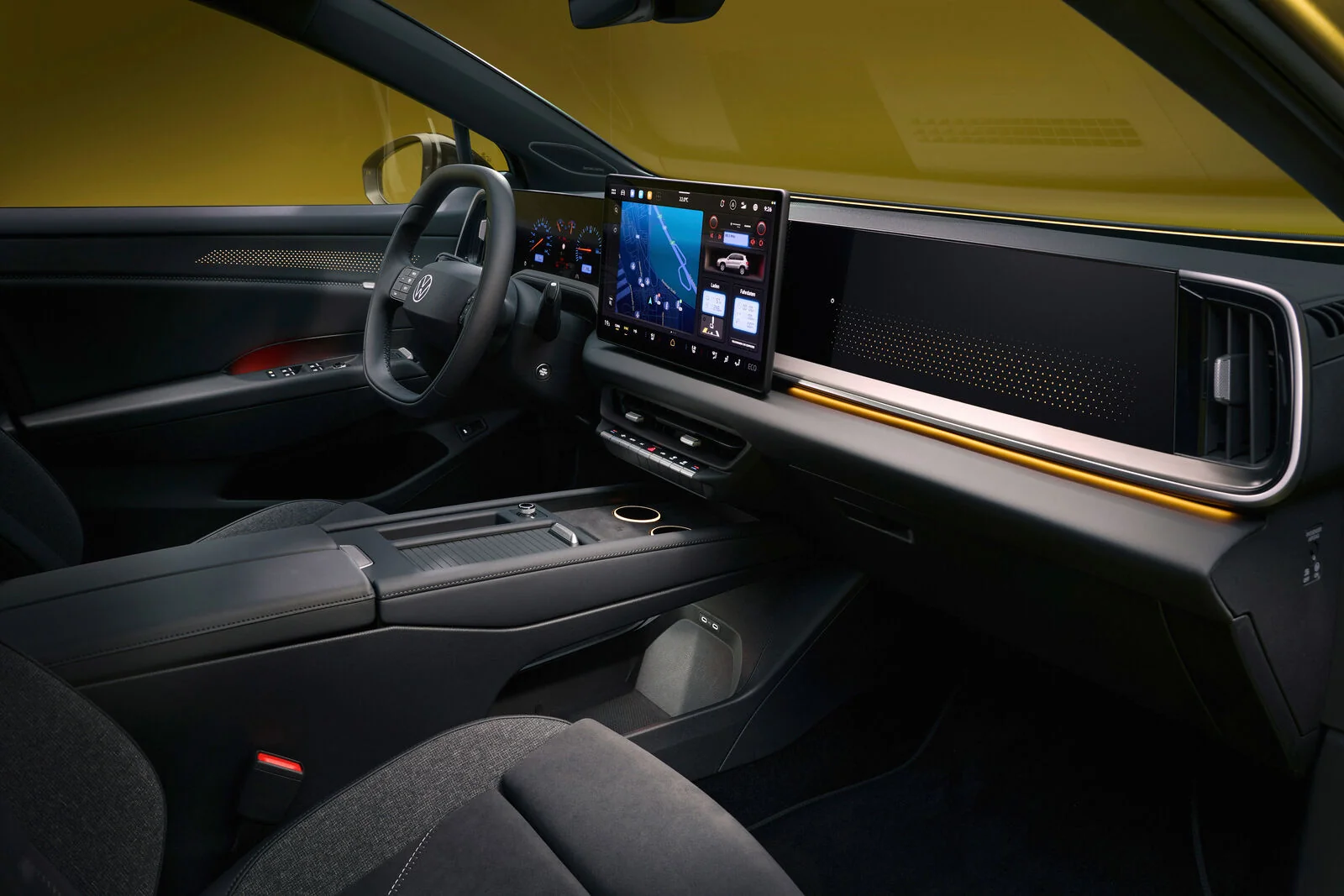
Inside, the controls changed the most. Earlier ID models put many functions on touchscreens, and plenty of drivers found them awkward to use while driving. This time, frequently used functions work with physical buttons and dials.
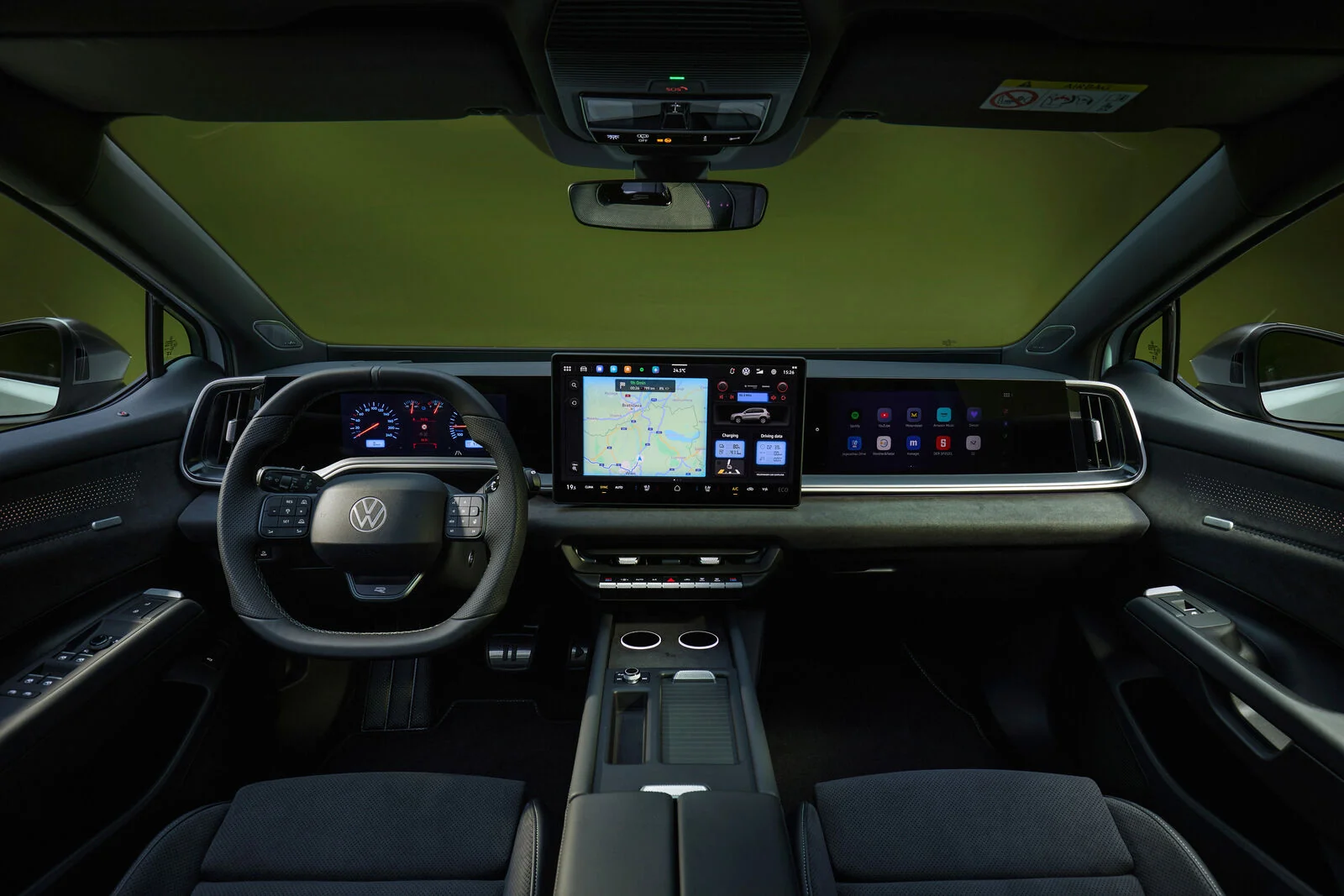
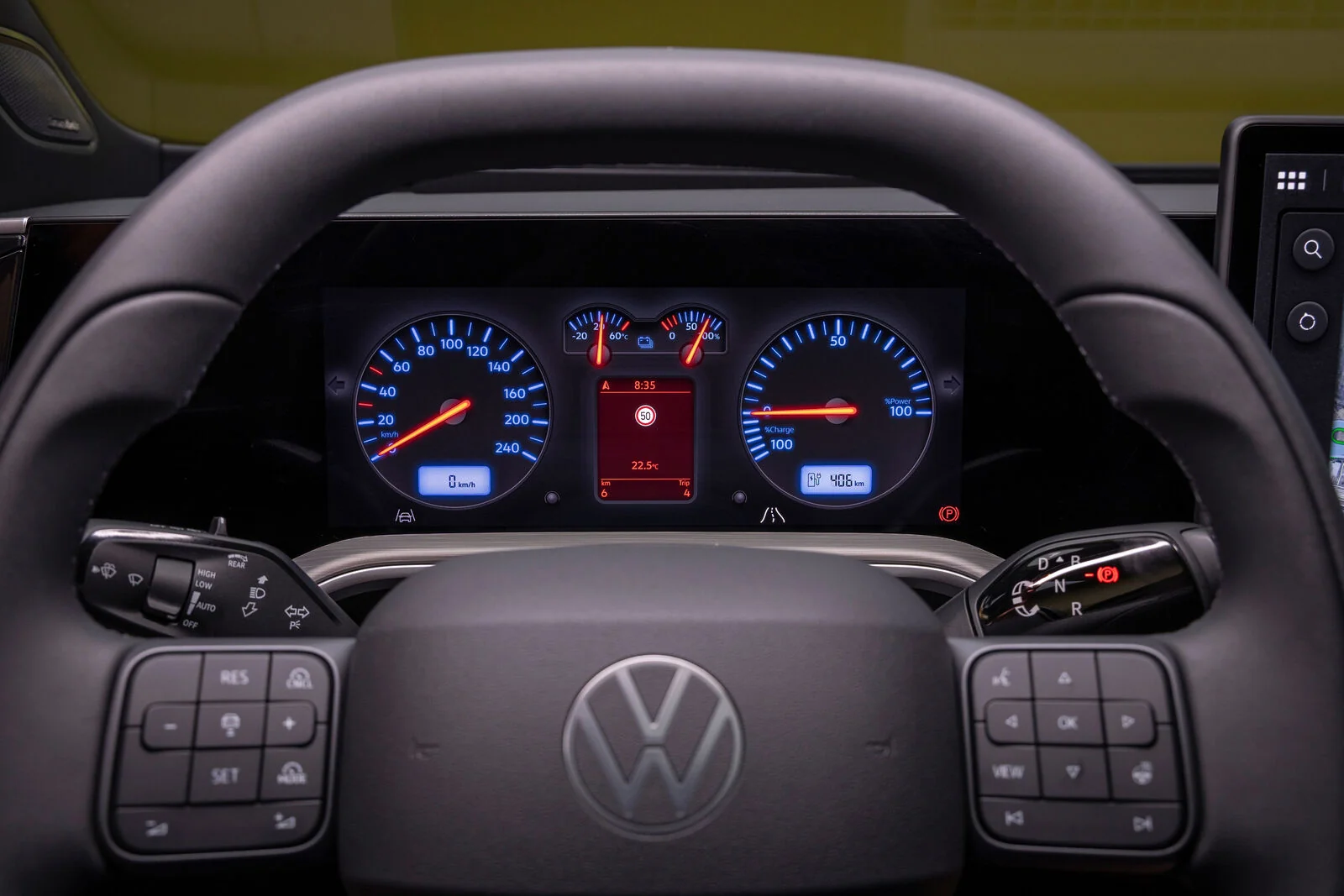
The capacitive touch pads on the steering wheel are now regular physical buttons. Physical climate buttons sit below the 15-inch center display, and the center console gets an illuminated rotary volume dial.
The window controls are better too. Before, you had two switches plus a button to toggle to the rear windows. Now there are four separate switches, one for each window. No more pressing a toggle every time you switch between front and rear windows, which should make life easier.
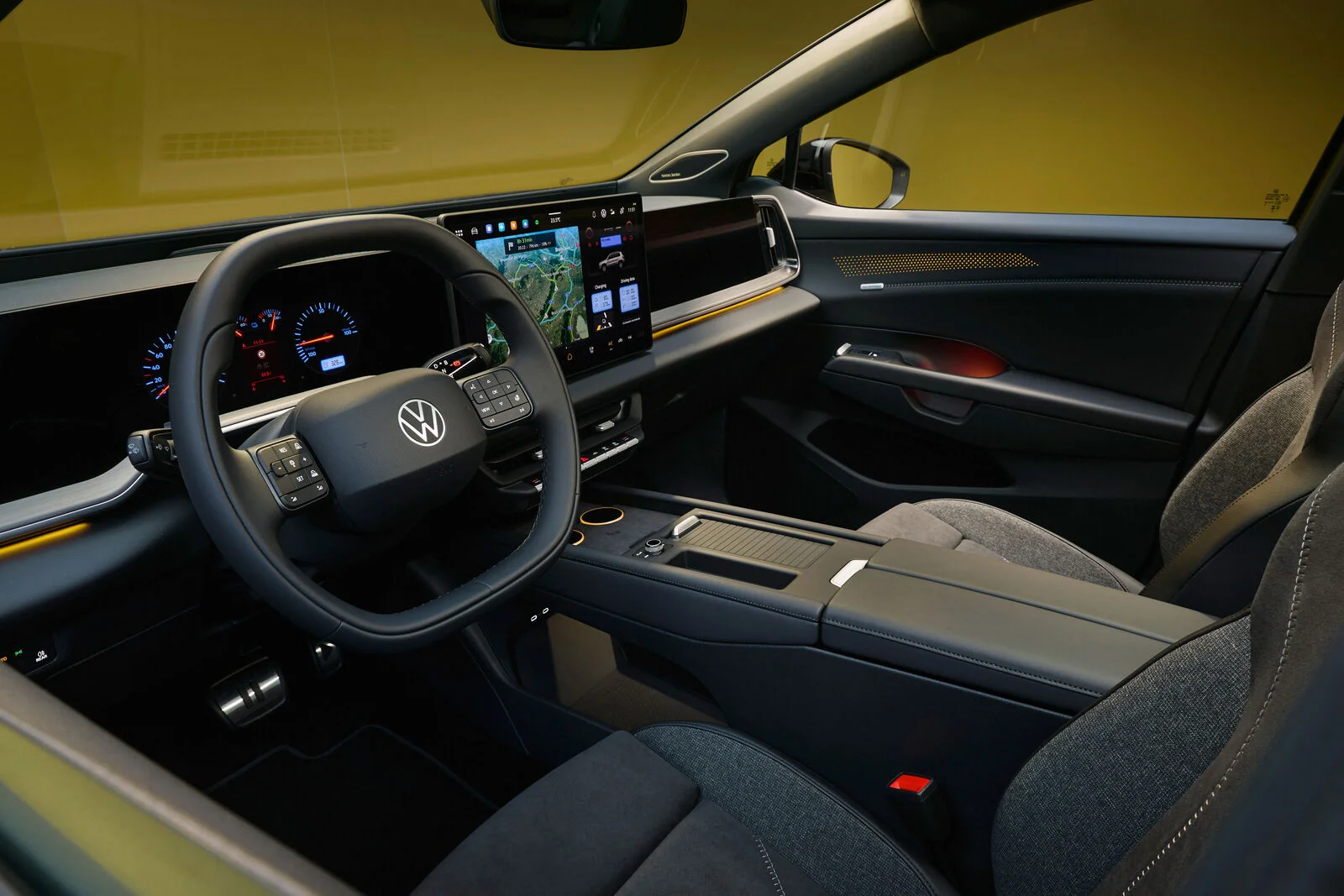
More buttons doesn’t mean fewer digital features. The driver gets a 10-inch digital cockpit, and a separate 12-inch passenger display is available as an option.
The passenger screen has an active privacy filter. A passenger can watch video over wireless headphones while the screen stays hard for the driver to see, so it doesn’t distract from driving.
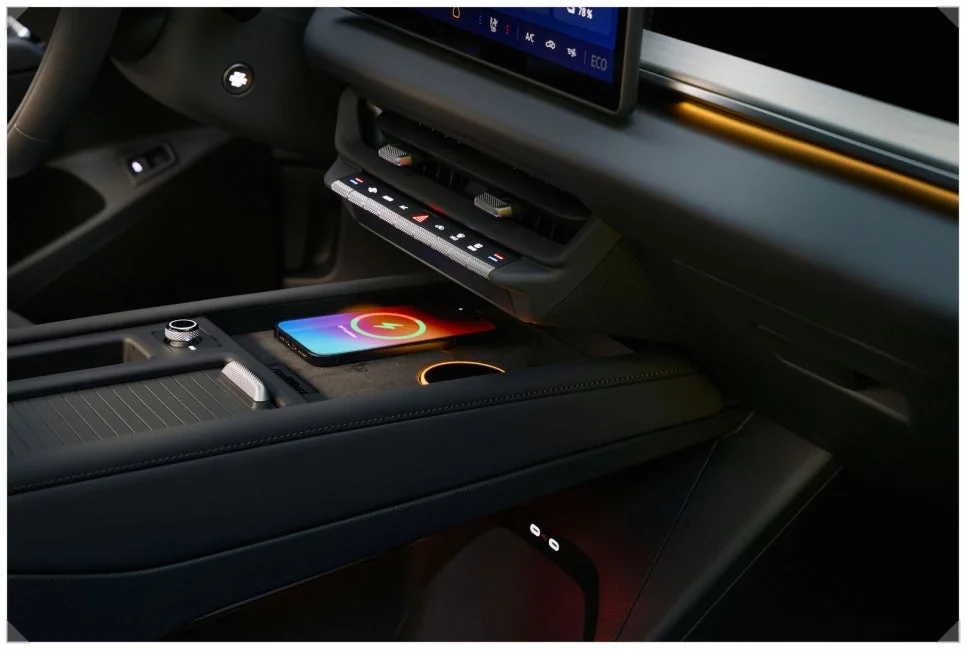
There’s also a retro mode that recreates the blue instrument lighting of the fourth-generation Golf. Other features include one-pedal driving, which lets you slow down and stop with the accelerator alone, dual Qi2 wireless charging pads, and an assist that stops the car at red lights.
Cargo space and features
The ID. Tiguan has 534 liters (18.9 cu ft) of cargo space, growing to 1,577 liters (55.7 cu ft) with the second row folded. That’s plenty for bulky items like strollers or camping gear.
There’s also a new 32-liter (1.1 cu ft) front trunk (frunk) under the hood, handy for keeping charging cables or emergency gear separate.
It also supports vehicle-to-load (V2L), which powers external appliances from the car’s battery. You plug a dedicated adapter into the charging port. That’s useful for running electronics while camping or outdoors.

Towing capacity is 1,800 kg (3,968 lb) for the 58 kWh model and up to 2,000 kg (4,409 lb) for the 77 kWh model. That’s worth a look if you tow a camper or trailer. Actual towing capacity can vary by configuration, so check the specific spec.
Available features include massaging and ventilated front seats, a 480 W Harman Kardon sound system and a panoramic sunroof.
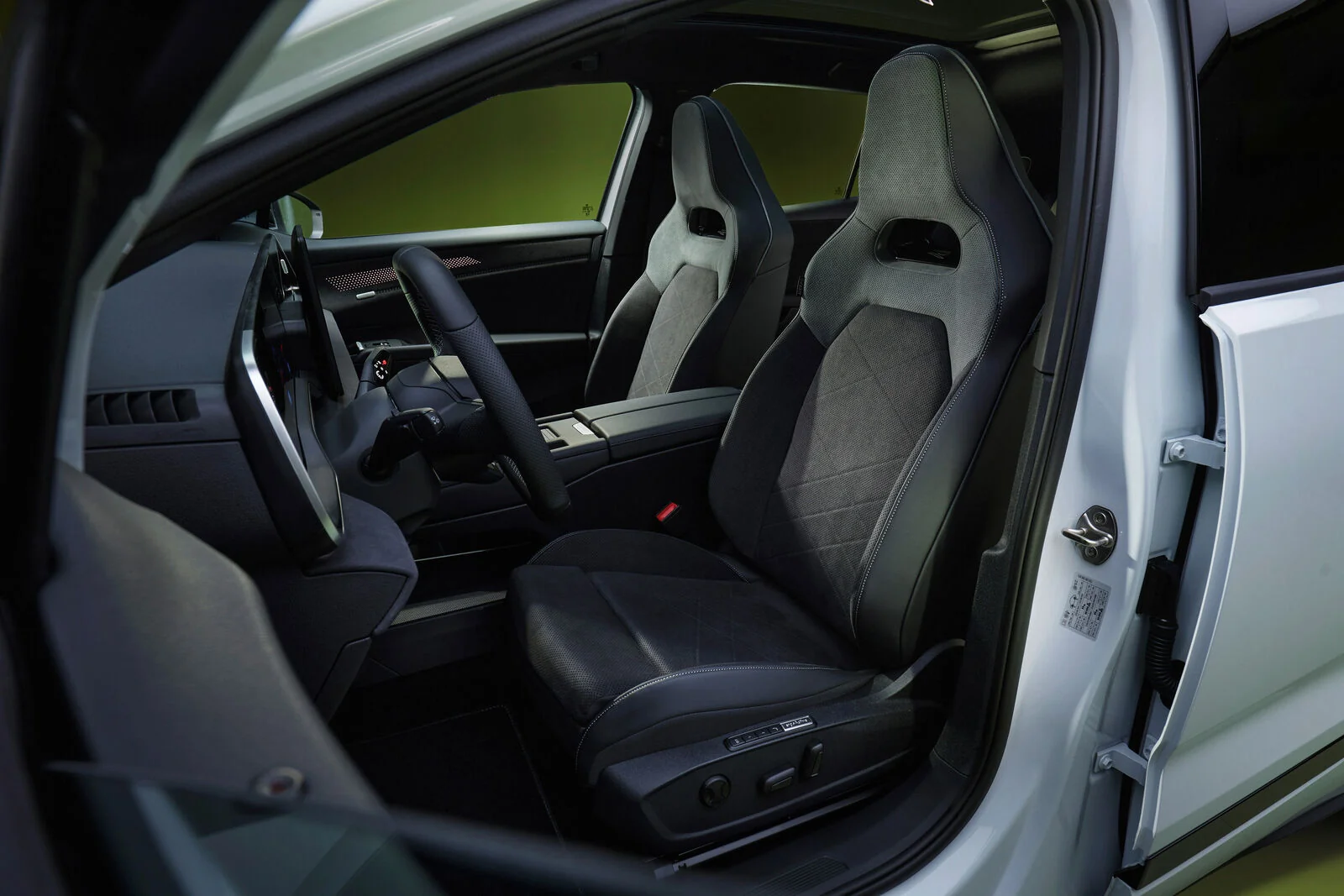
Not all of them are standard, so check which trims include them before you buy.
VW ID. Tiguan price and release date
The ID. Tiguan is built at VW’s plant in Emden, Germany. In Europe it starts at €42,695, with pre-orders opening Oct. 13. Customer deliveries are scheduled to begin in early 2027.
Rivals include the Tesla Model Y, Hyundai Ioniq 5 and Kia EV6. In a class this close, buyers will compare charging performance, interior space and features as well as price and range.
What US buyers should know
Volkswagen of America has confirmed that the ID. Tiguan will eventually replace the ID.4 in North America. US timing, trims, battery options and pricing haven’t been announced, and VW hasn’t said whether US models will be built in Chattanooga, Tennessee, where the ID.4 was made, or imported from Emden. The WLTP ranges above are European figures; US EPA ratings are not yet available.
Bottom line: the fixes ID.4 owners wanted
For ID.4 drivers, the best news in the VW ID. Tiguan is that VW listened: the controls that frustrated them are fixed, so the new SUV should be noticeably easier to live with day to day.
It goes on sale in Europe from €42,695, with deliveries starting in early 2027. US price and EPA range haven’t been announced yet.